Medroxyprogesterone Acetate Inhibits Tumorigenesis in Mouse Models of Oviductal High-Grade Serous Carcinoma
Yali Zhai, Karan Bedi, Rong Wu, Ying Feng, Maranne E. Green, Celeste Leigh Pearce, Malcolm C. Pike, Eric R. Fearon, Kathleen R. Cho

TL;DR
Medroxyprogesterone acetate (MPA) significantly reduces the risk of high-grade serous ovarian cancer in mice, while combining it with estrogen increases cancer risk.
Contribution
The study identifies MPA as a potent chemo-preventive agent for HGSC and demonstrates that estrogen-progestin combinations may be harmful.
Findings
MPA significantly inhibits tumor development and prolongs survival in mouse models of HGSC.
Estradiol combined with progesterone accelerates tumorigenesis and shortens survival in mice.
MPA's protective effects are specific to early stages of HGSC and not observed in colon cancer models.
Abstract
Oral contraceptive use is known to significantly reduce the risk of developing the most common and lethal type of ovarian cancer, known as high-grade serous carcinoma (HGSC). The risk reduction is likely attributable to synthetic progestins in oral contraceptives, but it is not known which of the many types of progestins are most effective, and whether combination with estrogen mitigates their protective effects. We used genetically engineered mouse models of tubo-ovarian HGSC to show that medroxyprogesterone acetate (MPA), a common constituent of contraceptive hormones, significantly inhibits tumor development and prolongs survival. In contrast, estradiol in combination with progesterone accelerates tumorigenesis and significantly shortens survival. The findings provide strong support for MPA as a chemo-preventive agent for HGSC, confirming observations based on large-scale…
Genes, proteins, chemicals, diseases, species, mutations and cell lines named across the full text — each resolved to its canonical identifier and authoritative record.
Click any figure to enlarge with its caption.
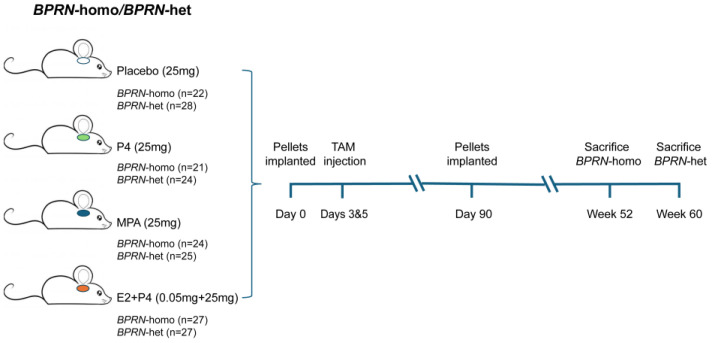 Figure 1
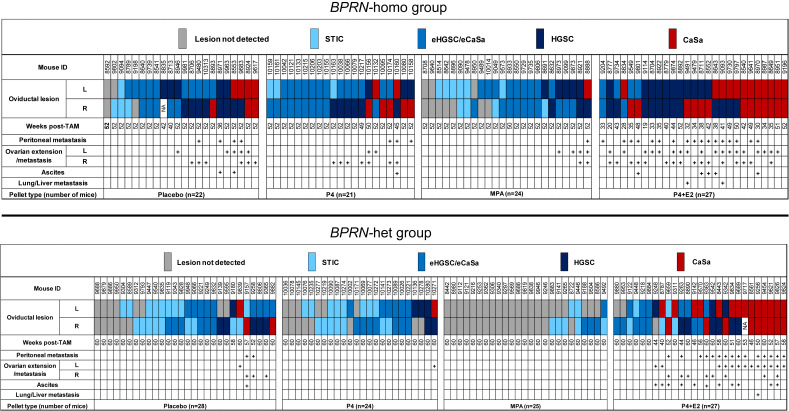 Figure 2
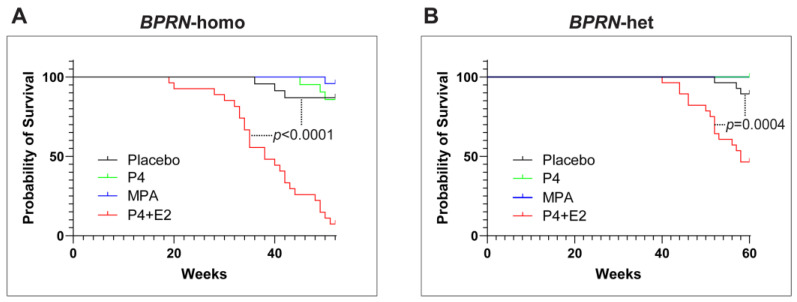 Figure 3
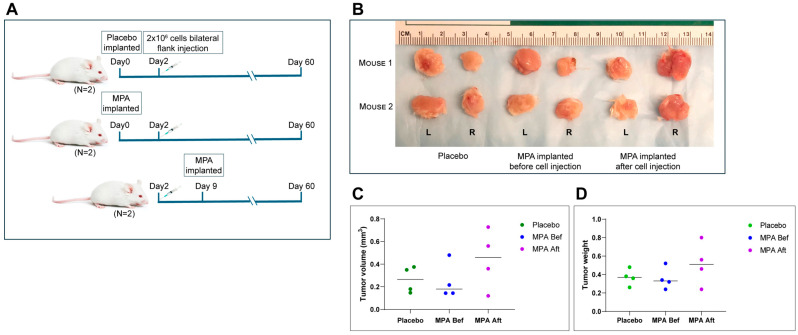 Figure 4
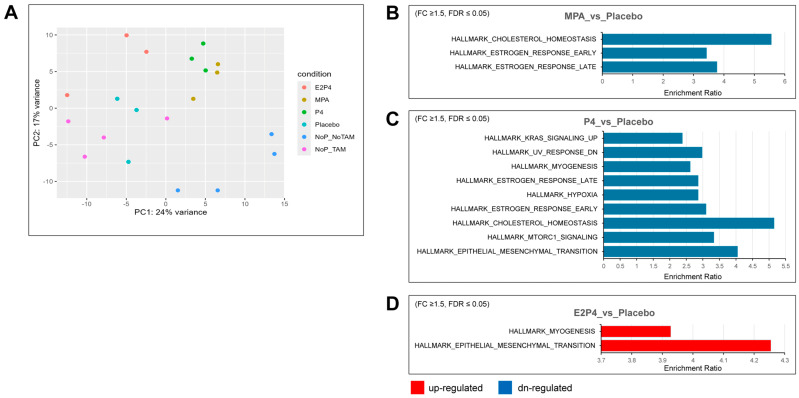 Figure 5
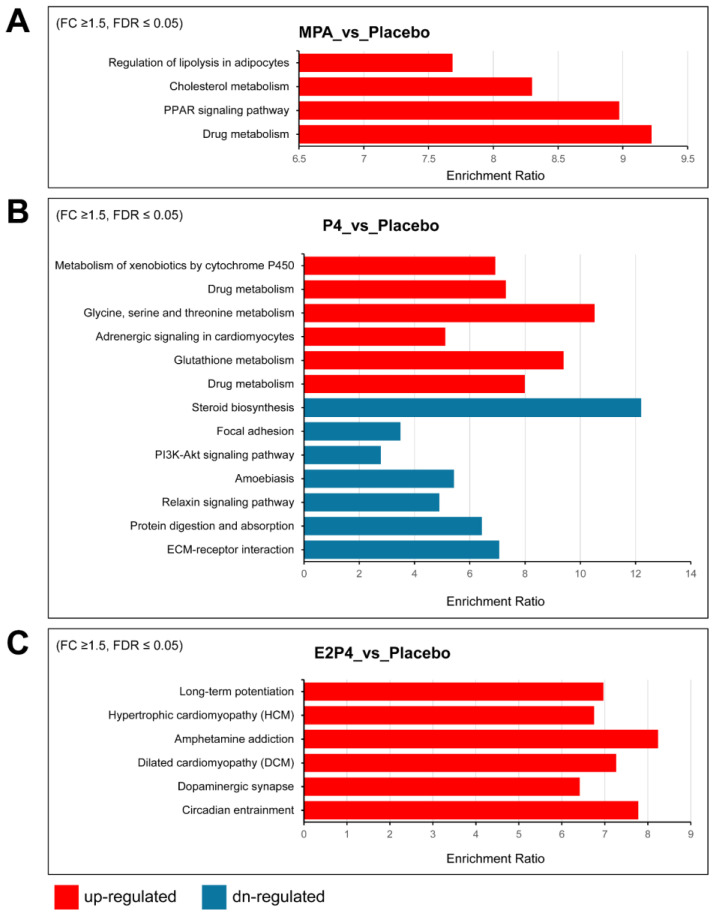 Figure 6
Peer Reviews
No public reviews on file for this paper yet. If you reviewed it on a platform where reviews are public (OpenReview, ICLR, NeurIPS, ICML), you can paste yours below so the community can read it here.
Videos
No videos yet. Explain this paper in a talk, walkthrough, or lecture? Add one.
Taxonomy
TopicsEndometrial and Cervical Cancer Treatments · Estrogen and related hormone effects · Breast Cancer Treatment Studies