Liquid Phase Catalytic Transfer Hydrogenation of Crotonaldehyde over ReOx-Supported Catalysts Using Formic Acid as In Situ Hydrogen Donor
Carlos Esteban Aristizábal-Alzate, Verónica Naharro-Ovejero, Manuel Romero-Sáez, Ana Belén Dongil

TL;DR
This paper explores using rhenium-based catalysts with formic acid to selectively hydrogenate crotonaldehyde into crotyl alcohol, achieving high selectivity.
Contribution
The study introduces ReOx-supported catalysts with tailored acid-base properties for selective hydrogenation using formic acid as a hydrogen donor.
Findings
ReOx/ZrO2 and ReOx/g-C3N4 showed crotyl alcohol selectivity above 57% at 25% conversion.
Formic acid outperformed molecular hydrogen in activating crotonaldehyde and improving selectivity.
Support material influenced rhenium dispersion, oxidation state, and surface acidity.
Abstract
The selective hydrogenation of the C=O bond over the C=C bond in α,β-unsaturated aldehydes remains a well-known challenge. This work investigates the liquid-phase catalytic transfer hydrogenation of crotonaldehyde to crotyl alcohol over ReOx-based catalysts, using formic acid (FA) as an in situ hydrogen donor. A series of 10 wt% Re catalysts supported on G200, g-C3N4, TiO2, and ZrO2 were synthesized and tested in a batch reactor at 20 bar and temperatures of 140–180 °C. Catalysts were characterized by XRD, BET, NH3-TPD, and XPS to correlate their physicochemical properties with catalytic behavior. Among the studied materials, ReOx/ZrO2 and ReOx/g-C3N4 exhibited the highest crotyl alcohol selectivity above 57% for all reaction temperatures, evaluated at crotonaldehyde conversion of 25%. The nature of the support strongly influenced the dispersion and oxidation state of Re species, as…
Genes, proteins, chemicals, diseases, species, mutations and cell lines named across the full text — each resolved to its canonical identifier and authoritative record.
Click any figure to enlarge with its caption.
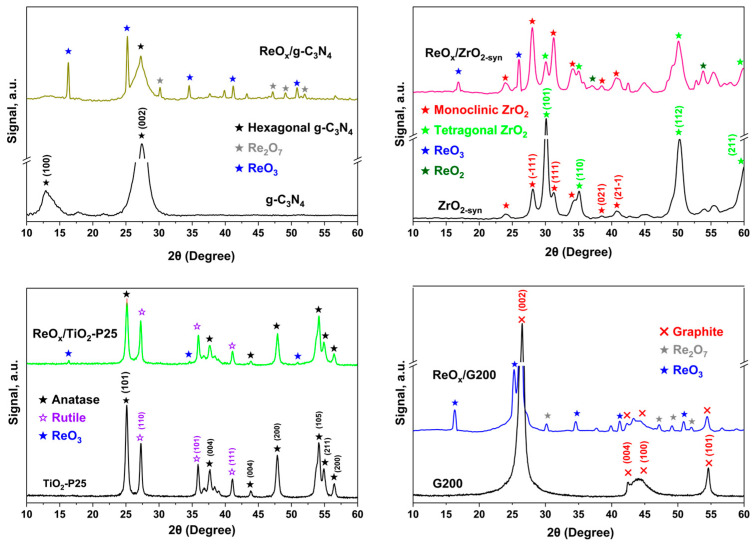 Figure 1
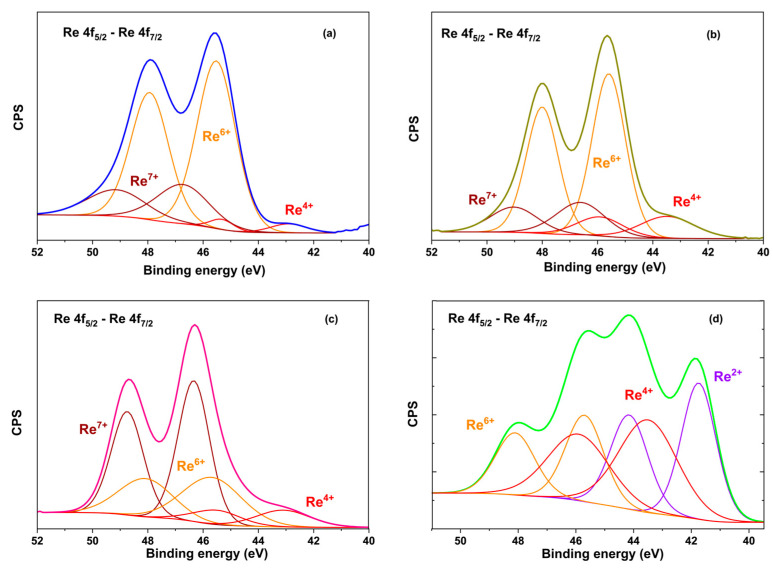 Figure 2
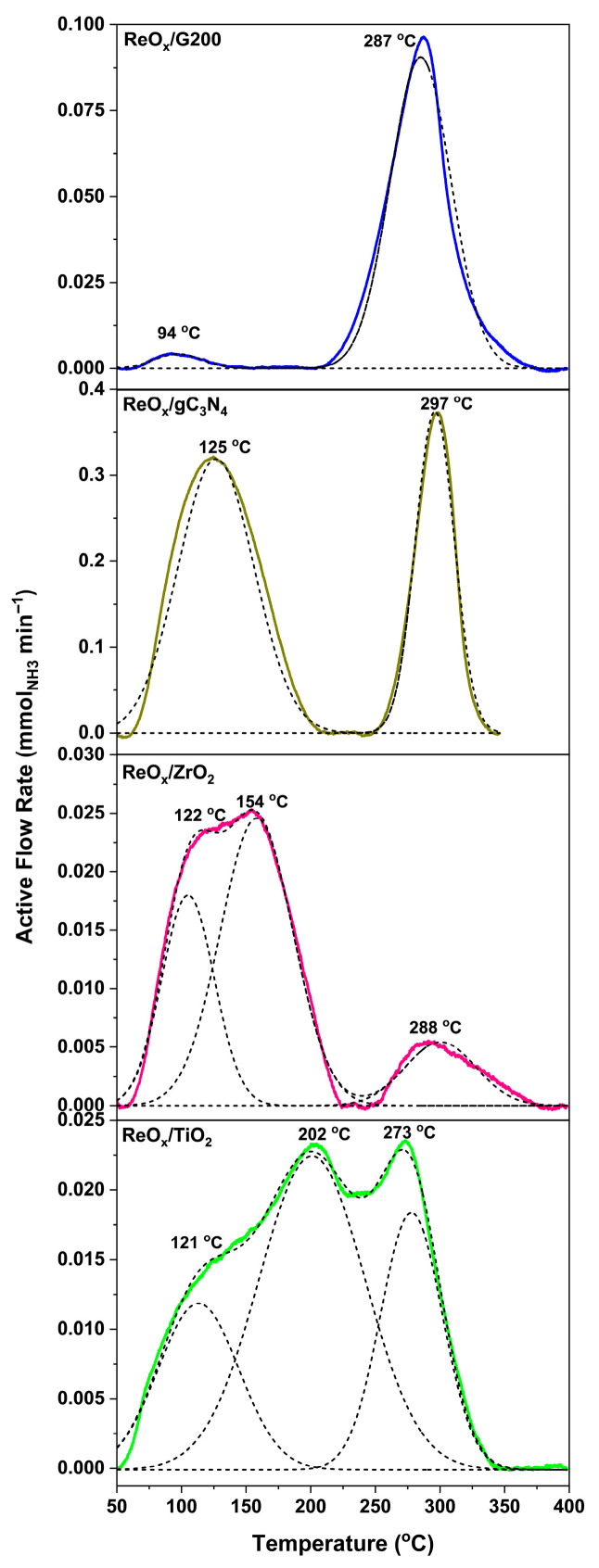 Figure 3
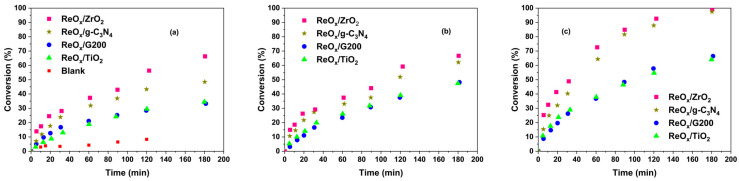 Figure 4
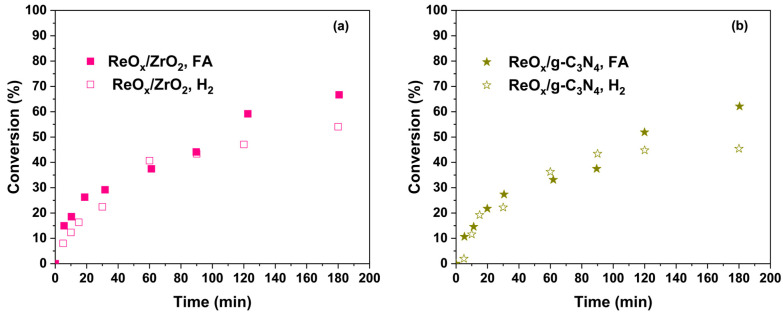 Figure 5
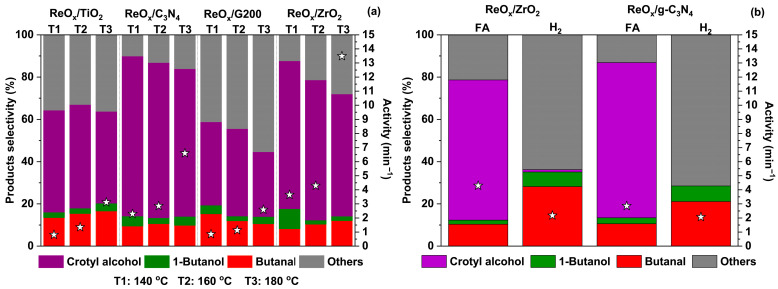 Figure 6
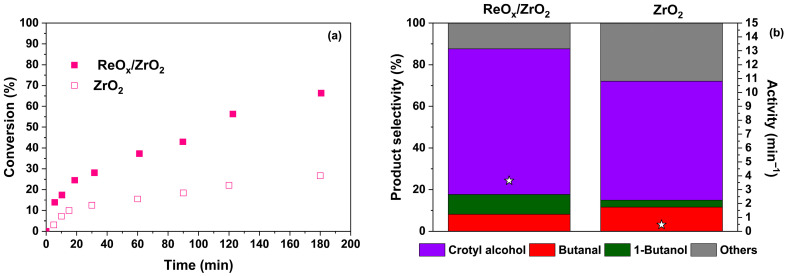 Figure 7
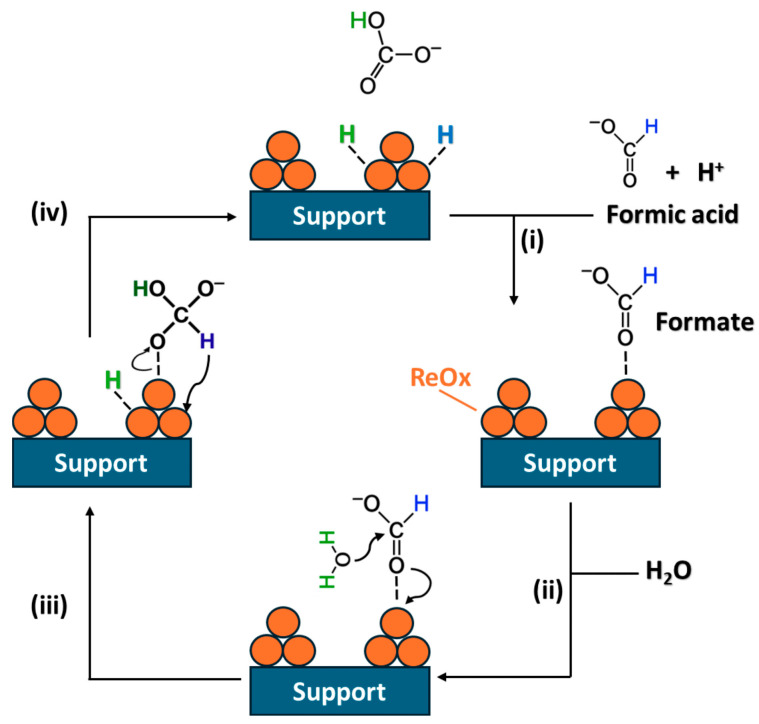 Figure 8
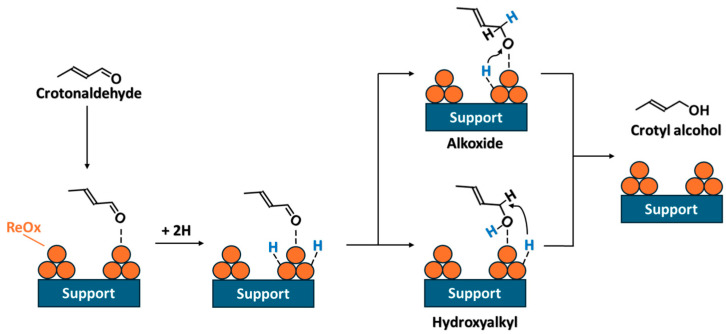 Figure 9
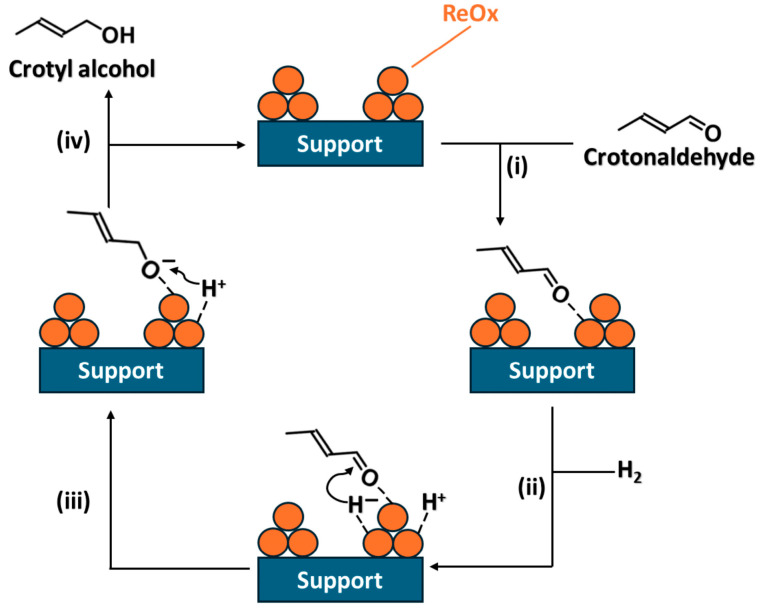 Figure 10
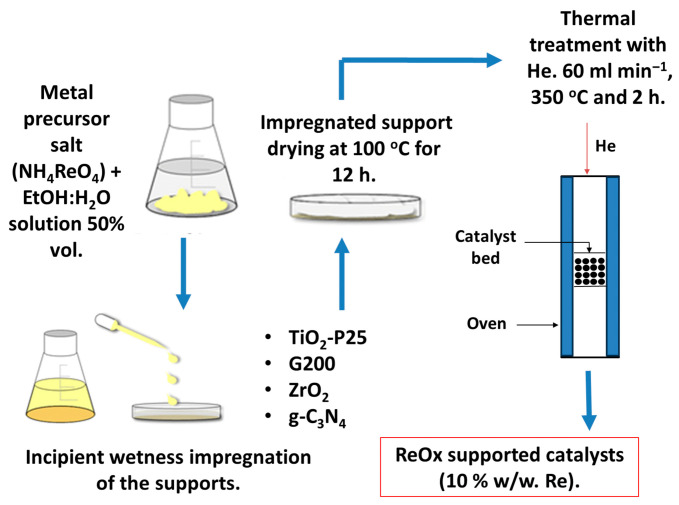 Figure 11
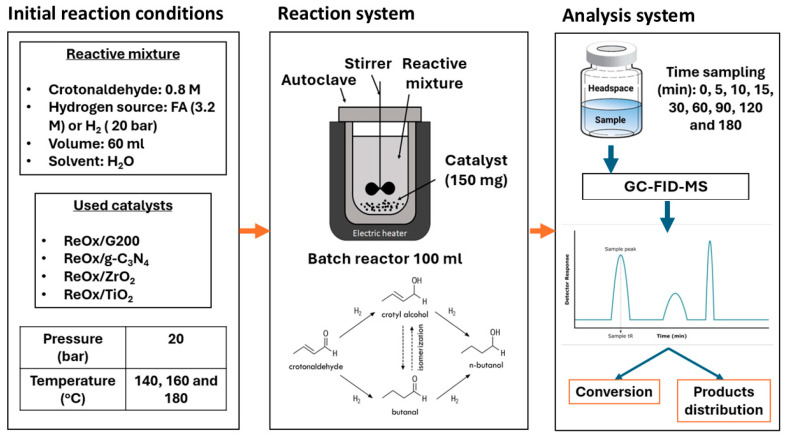 Figure 12
Peer Reviews
No public reviews on file for this paper yet. If you reviewed it on a platform where reviews are public (OpenReview, ICLR, NeurIPS, ICML), you can paste yours below so the community can read it here.
Videos
No videos yet. Explain this paper in a talk, walkthrough, or lecture? Add one.
Taxonomy
TopicsCatalysis for Biomass Conversion · Carbon dioxide utilization in catalysis · Asymmetric Hydrogenation and Catalysis