Mechanistic Insights into Tyrosinase-Catalyzed Metabolism of Hydroquinone: Implications for the Etiology of Exogenous Ochronosis and Cytotoxicity to Melanocytes
Shosuke Ito, Ludger Kolbe, Tamara Rogers, Tobias Mann, Gudrun Weets, Hitomi Tanaka, Tomoko Nishimaki-Mogami, Thierry Passeron, Makoto Ojika, Kazumasa Wakamatsu

TL;DR
This study explores how tyrosinase processes hydroquinone, revealing pathways that may cause skin conditions like exogenous ochronosis.
Contribution
The study identifies distinct metabolic pathways of hydroquinone by tyrosinase and introduces 4-aminophenol as a novel marker for oxidation.
Findings
Tyrosinase converts hydroquinone to 2-hydroxyhydroquinone via the HBQ pathway, forming HQ-eumelanin.
In the presence of cysteine, the BQ pathway leads to HQ-pheomelanin and 4-aminophenol as a degradation product.
Hydroquinone acts as both a pseudo and true substrate for tyrosinase, influencing melanin formation and potential skin toxicity.
Abstract
The metabolism of hydroquinone (HQ) by tyrosinase presents significant biochemical and dermatological challenges, particularly due to its association with adverse effects such as exogenous ochronosis (EO). Despite its widespread use in skin-lightening products, the detailed mechanistic pathways of HQ metabolism by tyrosinase remain inadequately understood. This study aims to elucidate the mechanistic insights into the tyrosinase-catalyzed metabolism of HQ, leading to the production of HQ-eumelanin (HQ-EM) and HQ-pheomelanin (HQ-PM). We employed HPLC analysis to detect key intermediates and final metabolites. Results show that mushroom tyrosinase catalyzes the hydroxylation of HQ to 2-hydroxyhydroquinone (HHQ) via the 2-hydroxybenzoquinone (HBQ) pathway, giving rise to HQ-EM. However, in the presence of cysteine, a shift from HBQ to the benzoquinone (BQ) pathway occurs, giving rise to…
Genes, proteins, chemicals, diseases, species, mutations and cell lines named across the full text — each resolved to its canonical identifier and authoritative record.
Click any figure to enlarge with its caption.
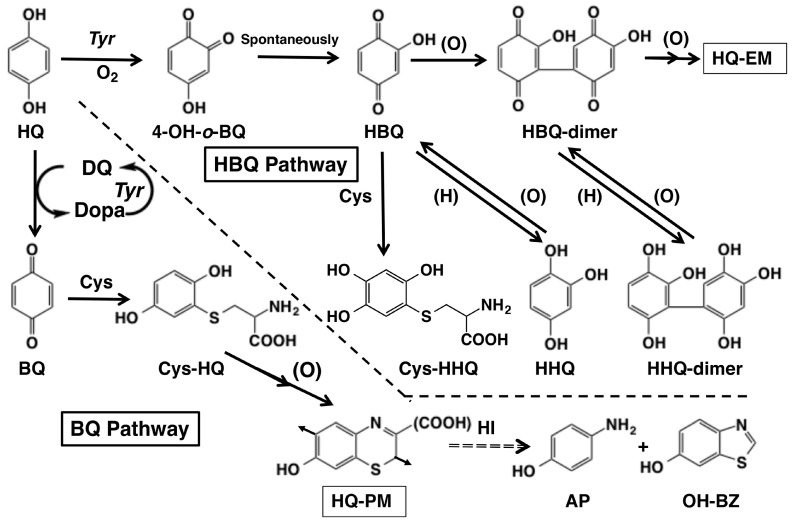 Figure 1
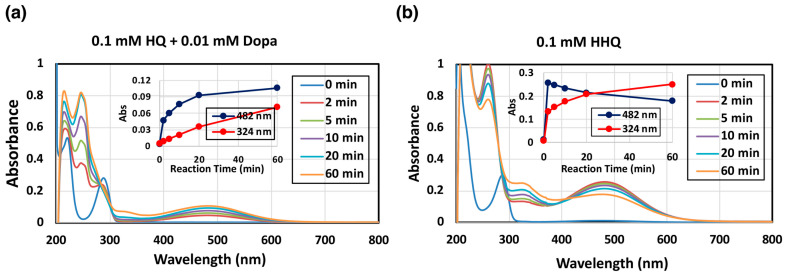 Figure 2
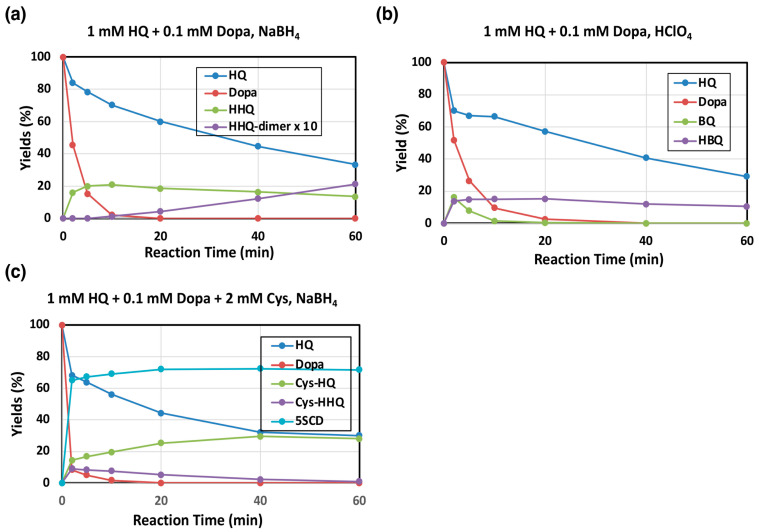 Figure 3
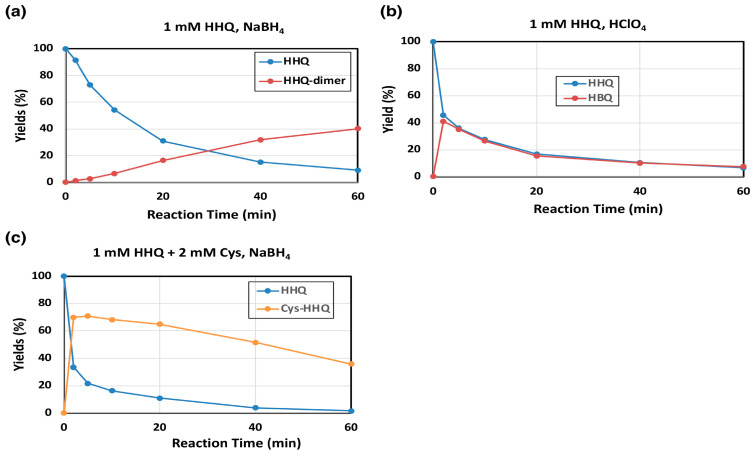 Figure 4
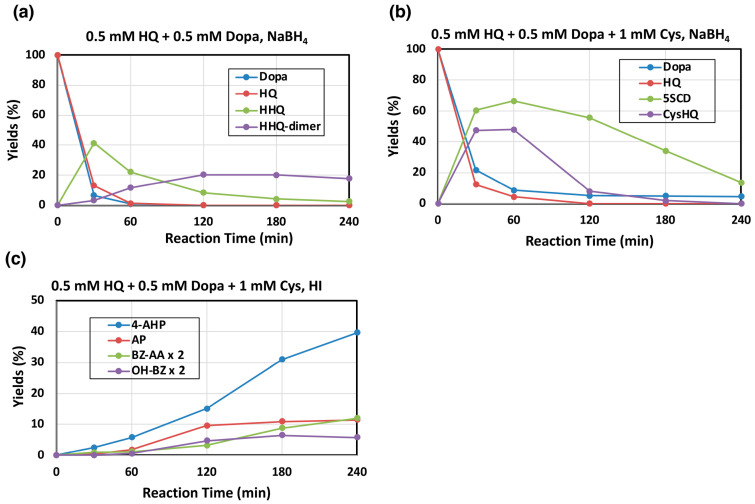 Figure 5
Peer Reviews
No public reviews on file for this paper yet. If you reviewed it on a platform where reviews are public (OpenReview, ICLR, NeurIPS, ICML), you can paste yours below so the community can read it here.
Videos
No videos yet. Explain this paper in a talk, walkthrough, or lecture? Add one.
Taxonomy
Topicsmelanin and skin pigmentation · Dermatologic Treatments and Research · Skin Protection and Aging