Surgical Staging in Locally Advanced Cervical Cancer: Precision, Risks, and the ‘Helmet’ Analogy
Mikel Gorostidi, Martina Ángeles, Blanca Gil-Ibáñez, Arantxa Lekuona, Alejandra Martinez, Ignacio Zapardiel

TL;DR
Surgical staging is more accurate than scans for detecting cervical cancer spread to lymph nodes, but should be used selectively in high-risk patients with proper imaging and biomarkers.
Contribution
The paper proposes a pragmatic pathway integrating selective surgery, advanced imaging, and biomarkers for cervical cancer staging.
Findings
Surgical staging detects ~21% more occult para-aortic metastases in pelvic-positive patients.
PET/CT has poor sensitivity for small nodal disease (<5 mm), while surgical staging modifies radiotherapy planning in ~18% of cases.
Minimally invasive staging is feasible with low morbidity in expert centers, but real-world outcomes may vary.
Abstract
Locally advanced cervical cancer often spreads to lymph nodes near the aorta (para-aortic nodes). Today, PET/CT scans are the standard way to look for this spread, but they frequently miss very small deposits. Surgeons can remove and examine these nodes (surgical staging), which is the most accurate method to uncover hidden disease. However, operating on everyone is not always necessary or practical, and surgery must not delay the start of chemoradiation. This review explains when surgical staging may help—mainly in carefully selected, higher-risk patients—by guiding whether to extend radiation fields or adjust systemic therapy. We summarize the best available studies, including one randomized trial, large databases, and ongoing prospective trials. We also discuss new tools that could sharpen selection and reduce morbidity, such as sentinel node mapping, molecular assays (e.g., OSNA),…
Genes, proteins, chemicals, diseases, species, mutations and cell lines named across the full text — each resolved to its canonical identifier and authoritative record.
Click any figure to enlarge with its caption.
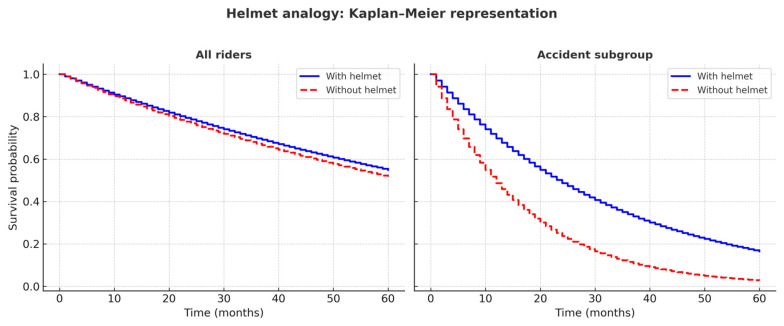 Figure 1
Peer Reviews
No public reviews on file for this paper yet. If you reviewed it on a platform where reviews are public (OpenReview, ICLR, NeurIPS, ICML), you can paste yours below so the community can read it here.
Videos
No videos yet. Explain this paper in a talk, walkthrough, or lecture? Add one.
Taxonomy
TopicsEndometrial and Cervical Cancer Treatments · Ovarian cancer diagnosis and treatment · Cancer Research and Treatment