Macro-Meso Characteristics and Damage Mechanism of Cement-Stabilized Macadam Under Freeze–Thaw Cycles and Scouring
Hongfu Liu, Sirui Zhou, Ao Kuang, Dongzhao Jin, Xinghai Peng, Songtao Lv

TL;DR
This study examines how freeze-thaw cycles and water scouring damage cement-stabilized macadam, linking pore structure changes to strength loss for better road material design.
Contribution
The study establishes a quantitative link between mesoscale pore evolution and macroscale strength degradation in cement-stabilized macadam under freeze-thaw and scouring.
Findings
Freeze-thaw cycles increased mass loss and reduced splitting strength by 28.8% after 30 min of scouring.
Acoustic emission data showed a 97.9% decrease in cumulative ringing count, indicating severe internal degradation.
Average pore diameter had the strongest correlation with splitting strength (r = 0.763), driving strength loss.
Abstract
This study quantifies the effects of freeze–thaw (FT) cycling and dynamic water scouring, and establishes links between mesoscale pore evolution and macroscale strength degradation in cement-stabilized macadam (CSM) bases. The objective is to provide quantitative indicators for durability design and non-destructive evaluation of CSM bases. First, laboratory tests were conducted to simulate alpine service conditions: CSM cylindrical specimens (Ø150 × 150 mm) with 4.5% cement content, cured for 28 days, were exposed to 0, 5, or 20 FT cycles (−18 °C for 16 h ↔ +25 °C for 8 h), followed by dynamic water scouring (0.5 MPa, 10 Hz) for 15, 30, or 60 min. Second, the resulting damage was tracked at two scales. Acoustic emission (AE) sensors monitored internal damage during subsequent splitting tests, while industrial computed tomography (CT) was used to scan selected specimens and quantify…
Genes, proteins, chemicals, diseases, species, mutations and cell lines named across the full text — each resolved to its canonical identifier and authoritative record.
Click any figure to enlarge with its caption.
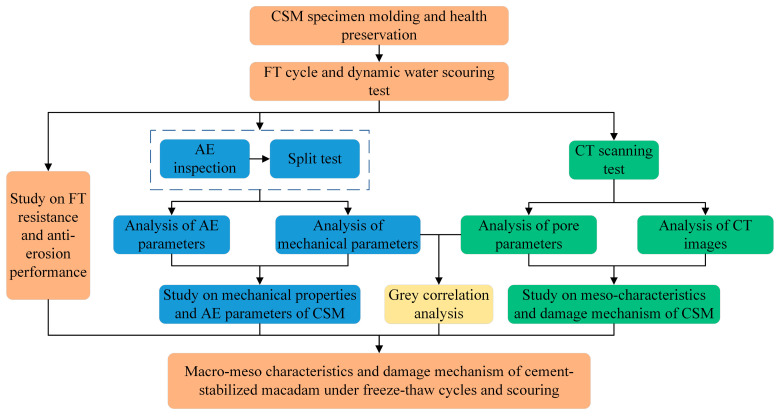 Figure 1
 Figure 2
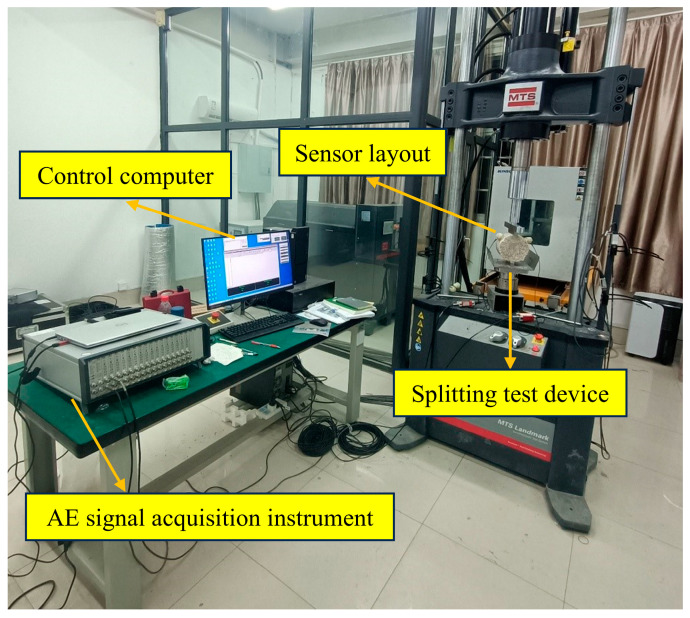 Figure 3
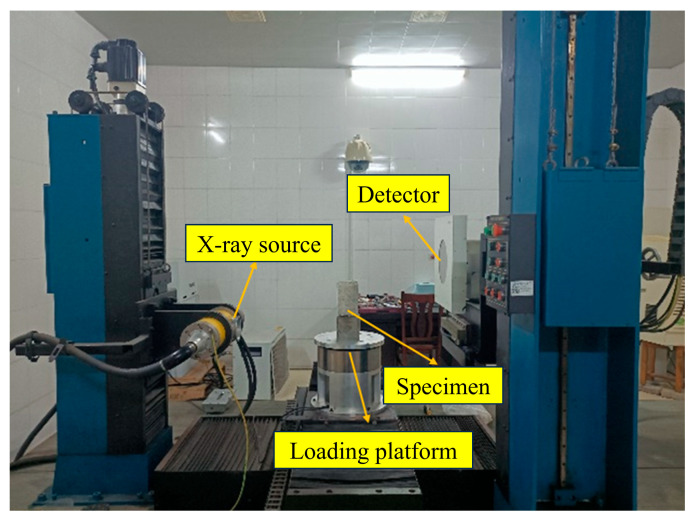 Figure 4
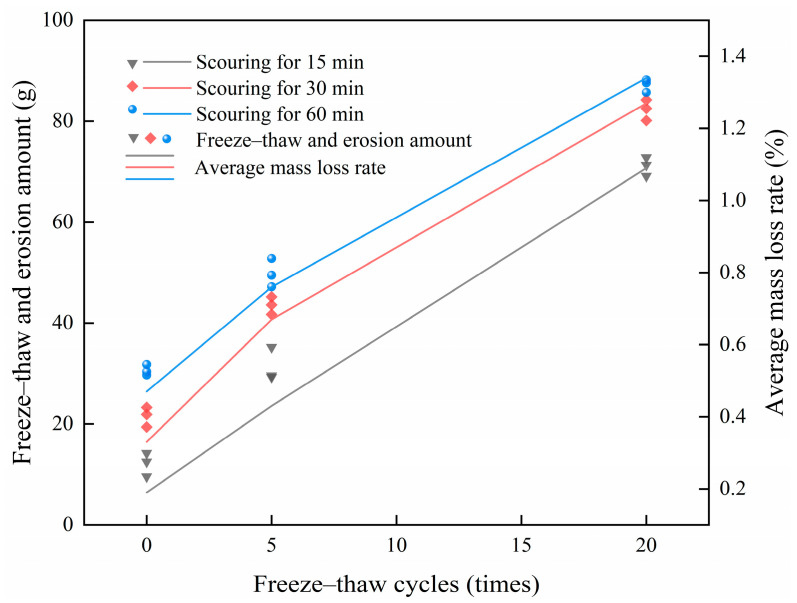 Figure 5
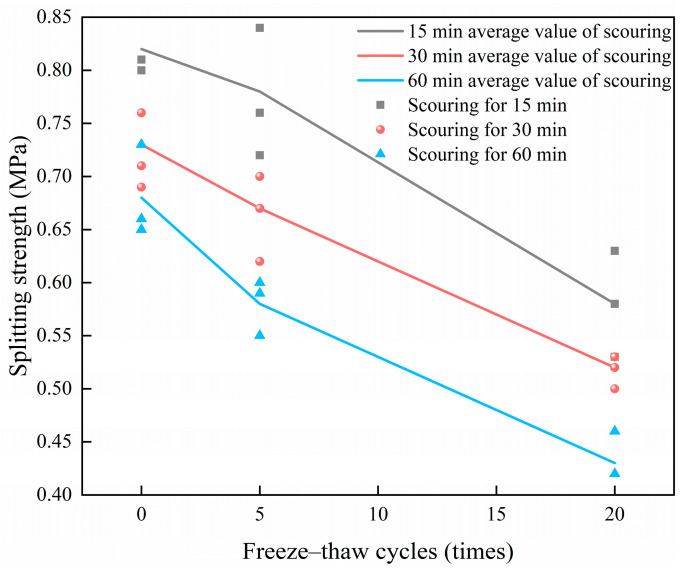 Figure 6
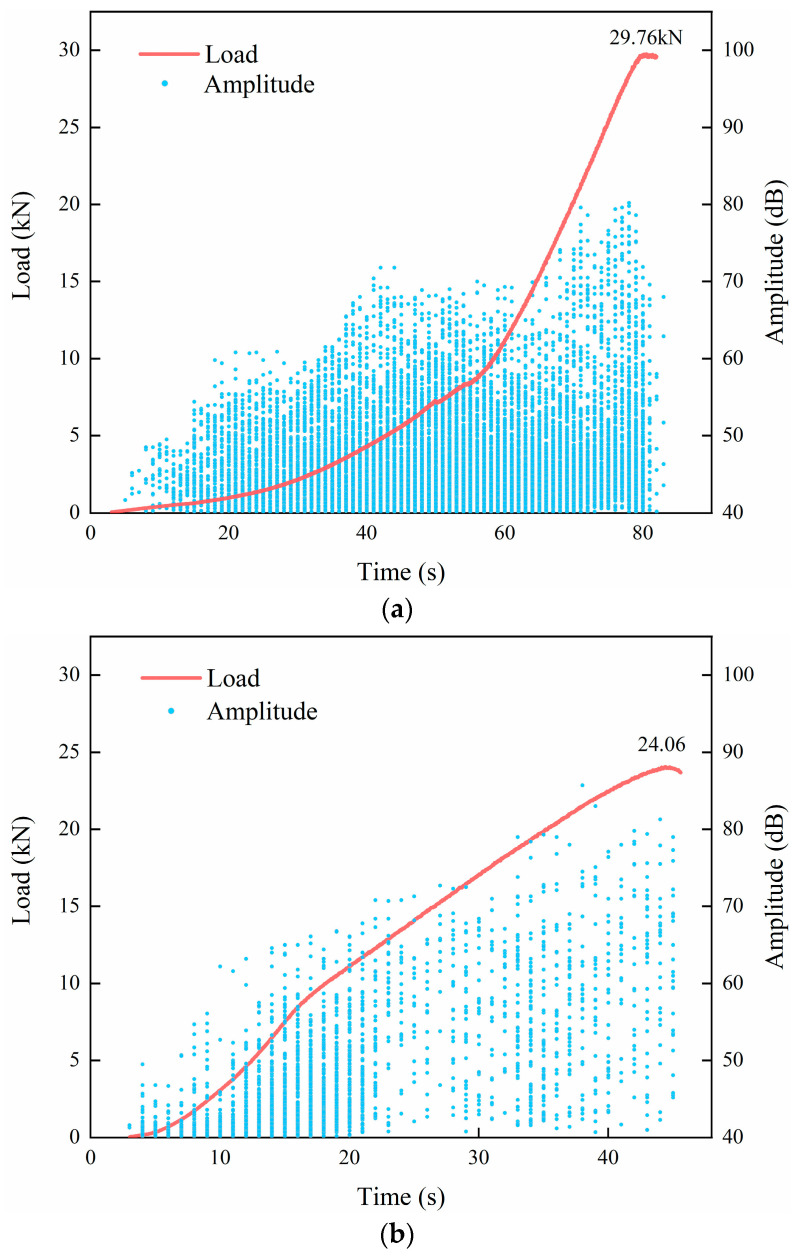 Figure 7
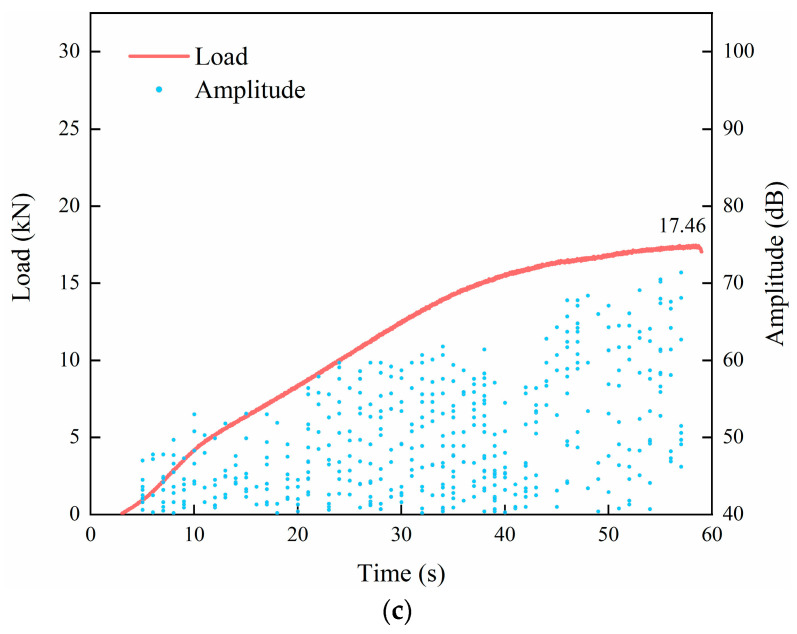 Figure 8
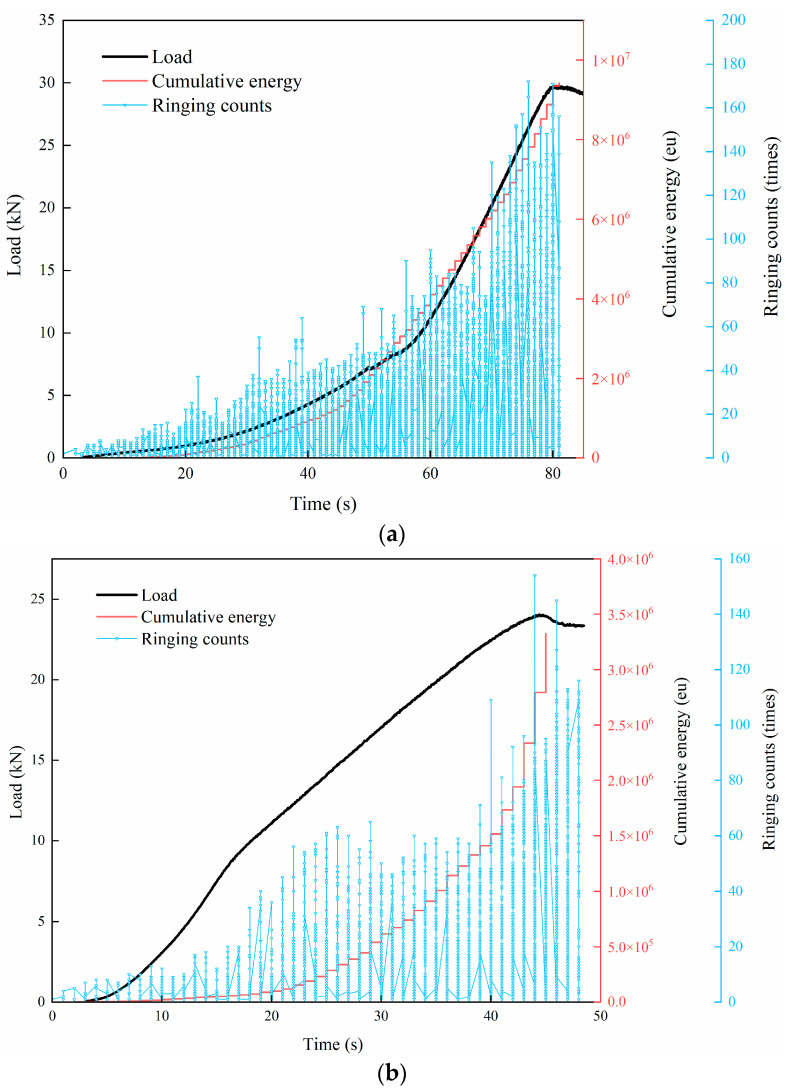 Figure 9
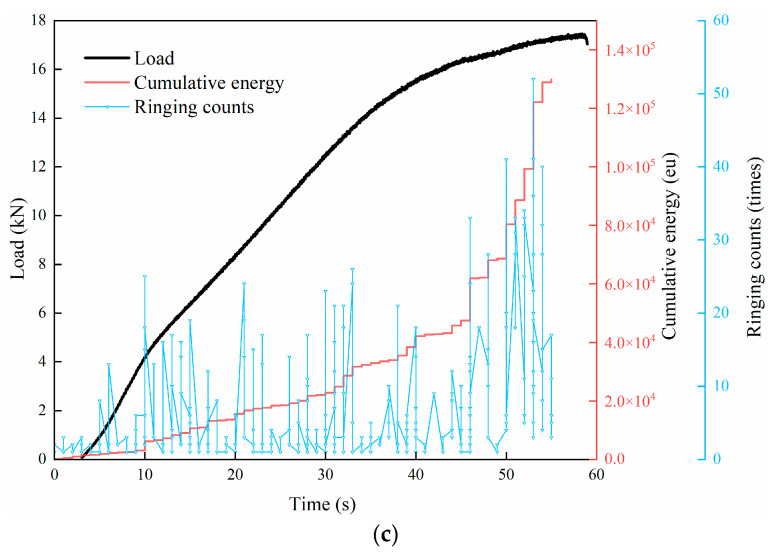 Figure 10
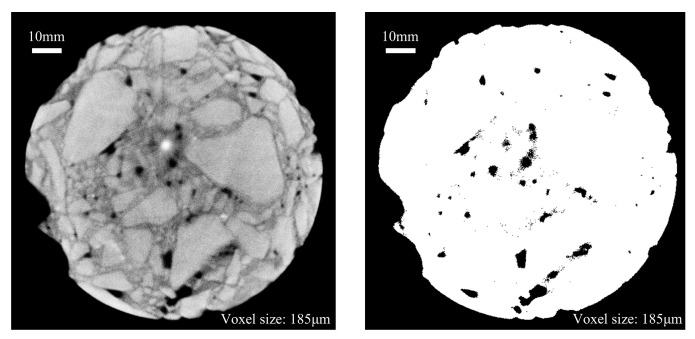 Figure 11
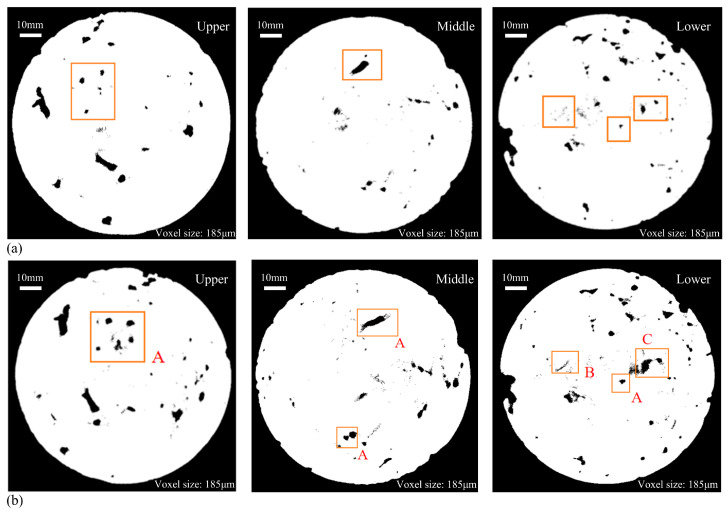 Figure 12
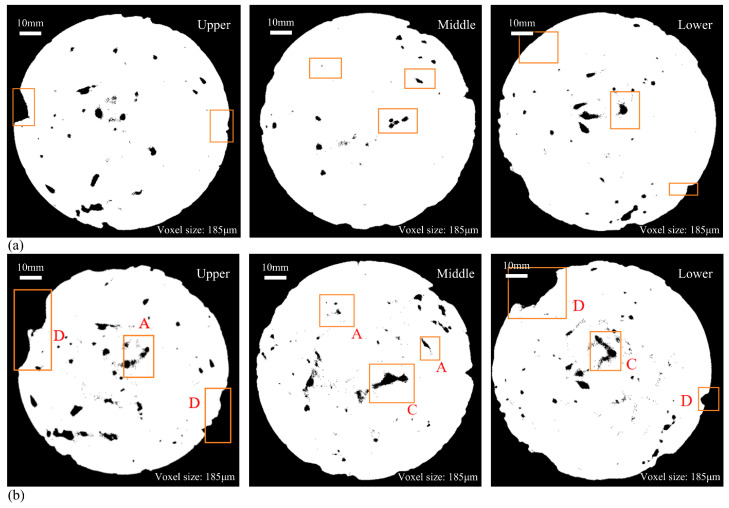 Figure 13
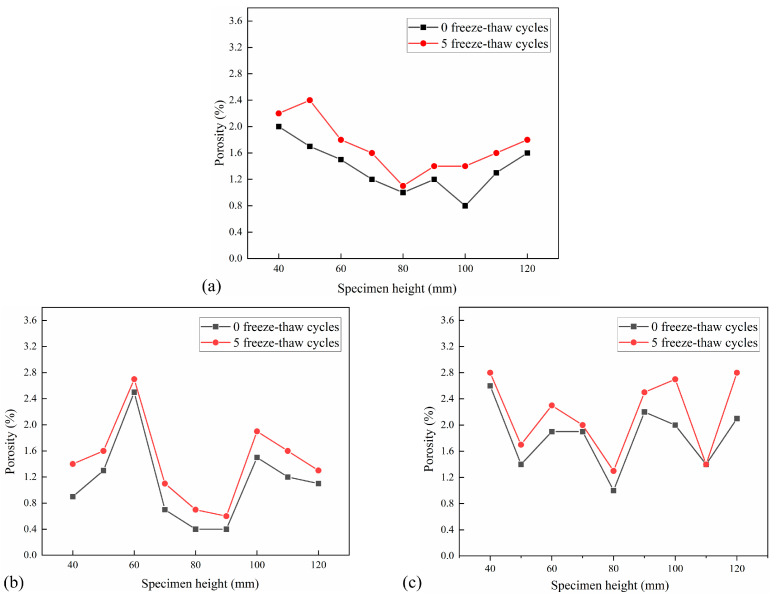 Figure 14
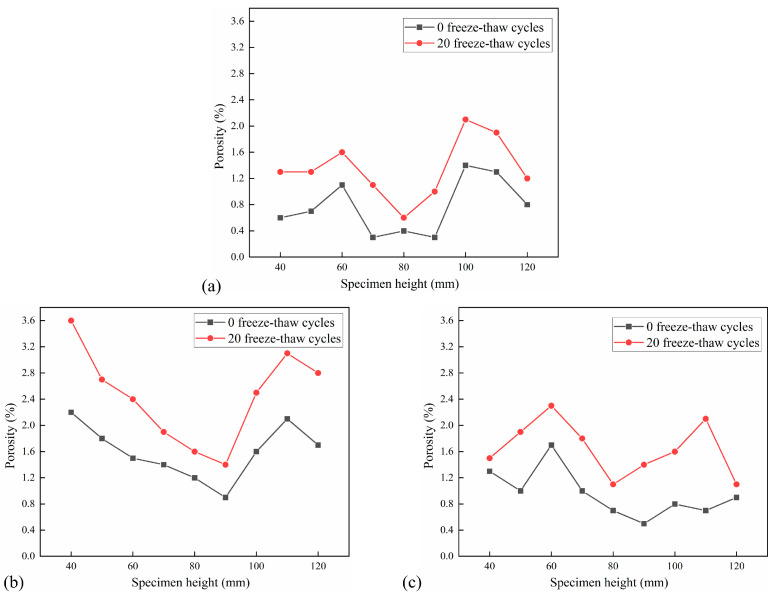 Figure 15
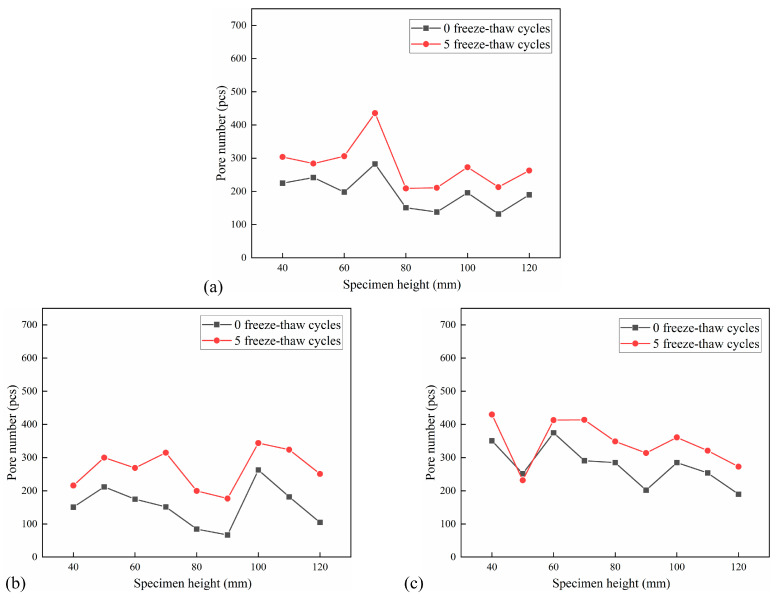 Figure 16
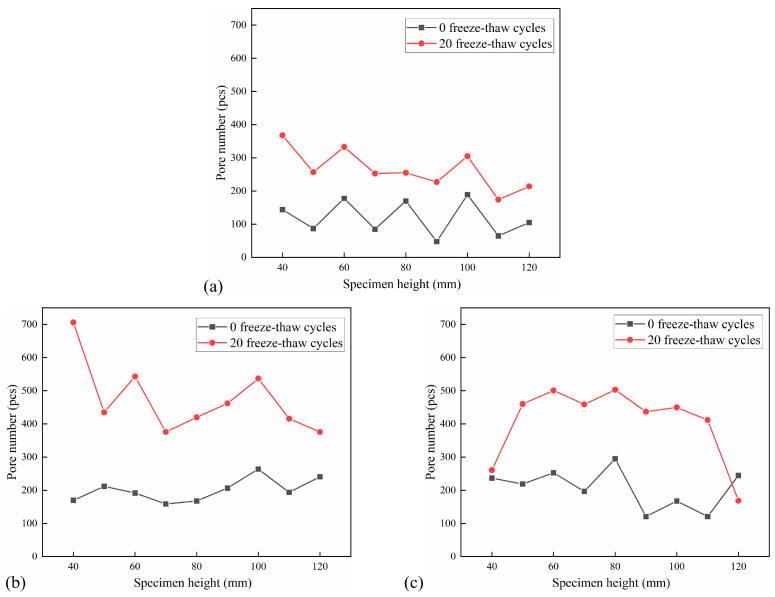 Figure 17
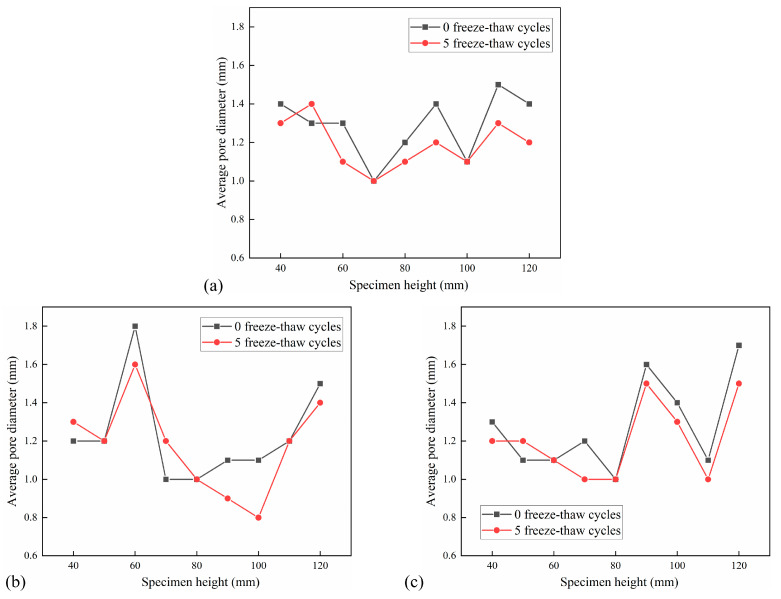 Figure 18
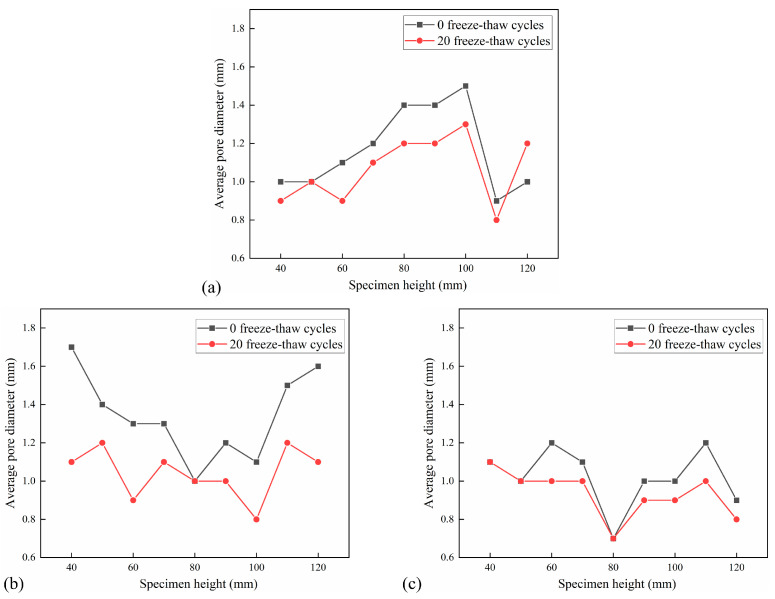 Figure 19
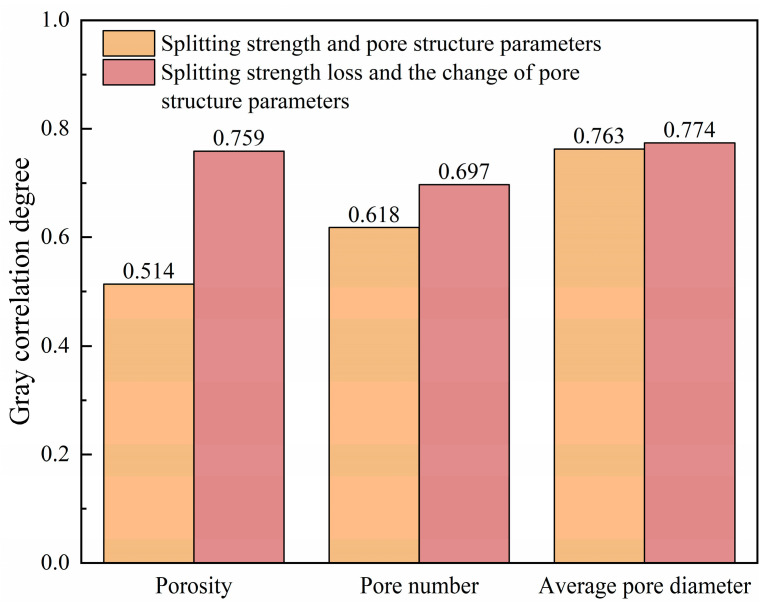 Figure 20
Peer Reviews
No public reviews on file for this paper yet. If you reviewed it on a platform where reviews are public (OpenReview, ICLR, NeurIPS, ICML), you can paste yours below so the community can read it here.
Videos
No videos yet. Explain this paper in a talk, walkthrough, or lecture? Add one.
Taxonomy
TopicsConcrete and Cement Materials Research · Microbial Applications in Construction Materials · Hygrothermal properties of building materials