The BUD31 Homologous Gene in Schizosaccharomyces pombe Is Evolutionarily Conserved and Can Be Linked to Cellular Processes Regulated by the TOR Pathway
Ildikó Vig, Lajos Acs-Szabo, Zsigmond Benkő, Silvia Bagelova Polakova, László Attila Papp, Juraj Gregan, Ida Miklós

TL;DR
This study explores the role of the BUD31 gene in fission yeast and links it to processes regulated by the TOR pathway, which is important in cancer and aging.
Contribution
The study reveals that the BUD31 homolog in fission yeast is functionally linked to the TOR pathway and is evolutionarily conserved.
Findings
Cells lacking the cwf14 gene show defects in cell size, division, stress response, and aging, all regulated by the TOR pathway.
Genes affected by cwf14 deletion are upregulated and often encode hydrolases and oxidoreductases involved in transport.
BUD31 orthologs are conserved across species, and the human gene can partially rescue mutant yeast cells.
Abstract
The human BUD31 gene has been associated with various processes including cancer. To better understand its function, we used genetic methods to study Schizosaccharomyces pombe cells lacking the BUD31 homologous gene (cwf14) and performed sequence analysis using bioinformatics methods. Mutant cells lacking the cwf14 gene showed cell size and division defects, altered stress response, rapamycin sensitivity, enhanced chronological aging, and increased sporulation tendency. These processes are known to be regulated by the TOR pathway. The cwf14-TOR link was also supported by further experiments. We demonstrated that most protein-coding genes affected by cwf14 deletion are upregulated, encode hydrolases, oxidoreductases, and are often involved in transport. GO enrichment drew our attention to genes related to nitrogen transport, while additional data pointed to a nutrient/nitrogen (N)…
Genes, proteins, chemicals, diseases, species, mutations and cell lines named across the full text — each resolved to its canonical identifier and authoritative record.
Click any figure to enlarge with its caption.
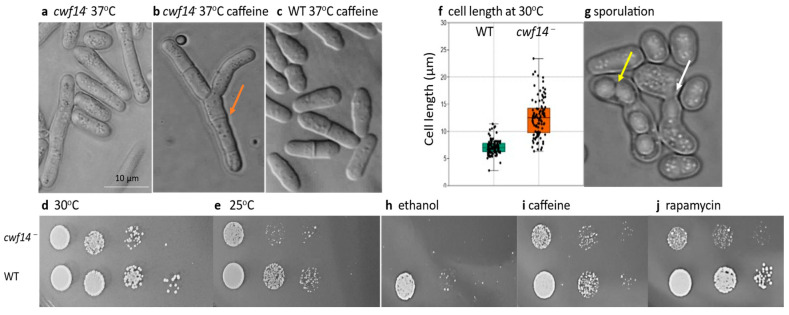 Figure 1
 Figure 2
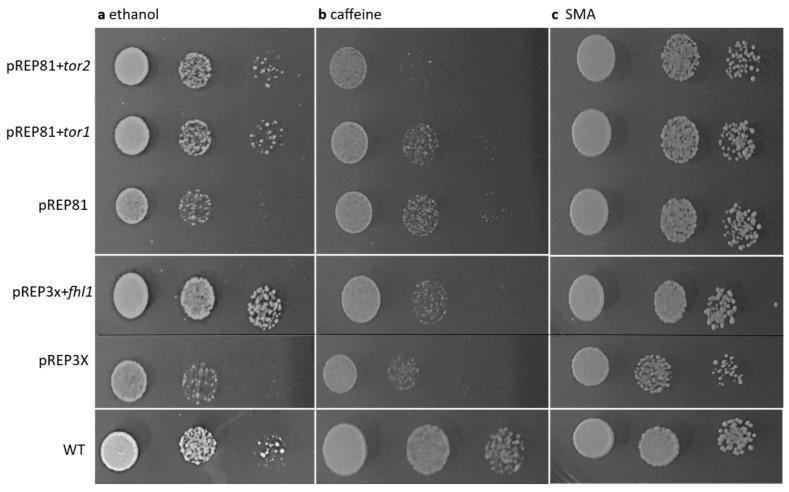 Figure 3
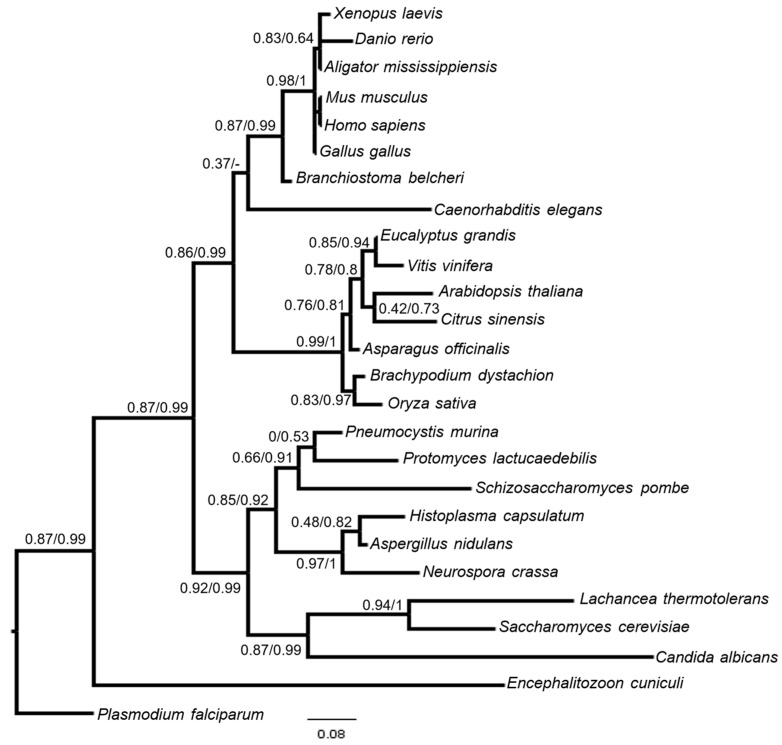 Figure 4
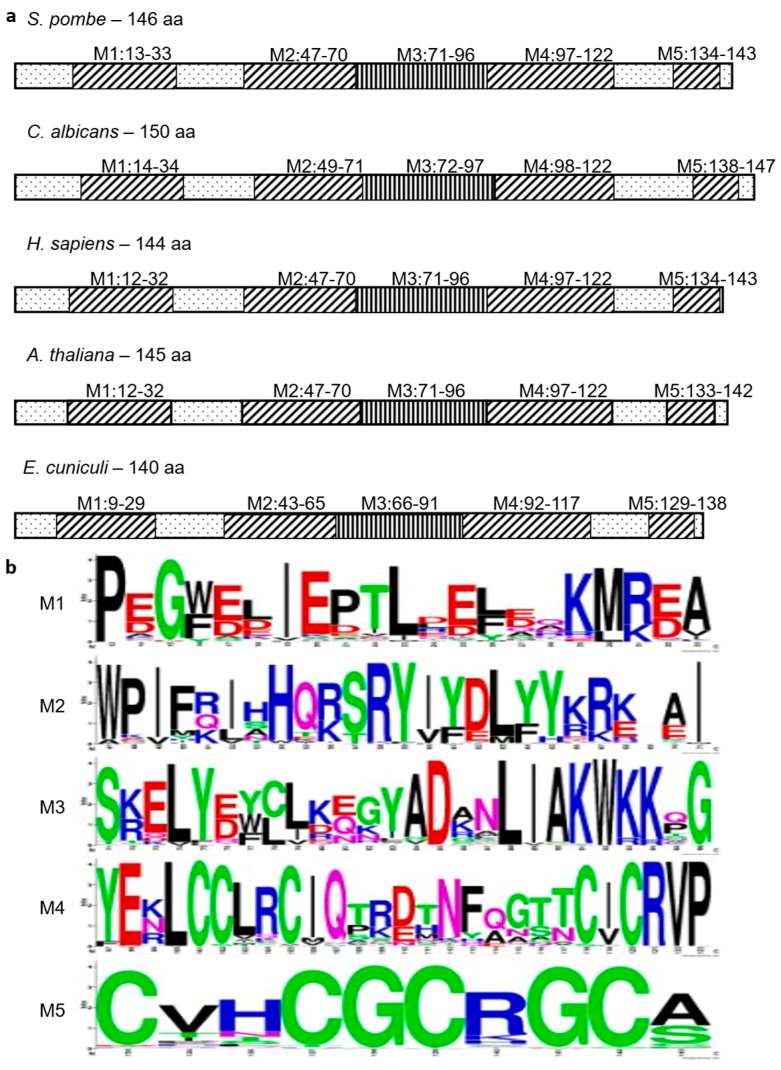 Figure 5
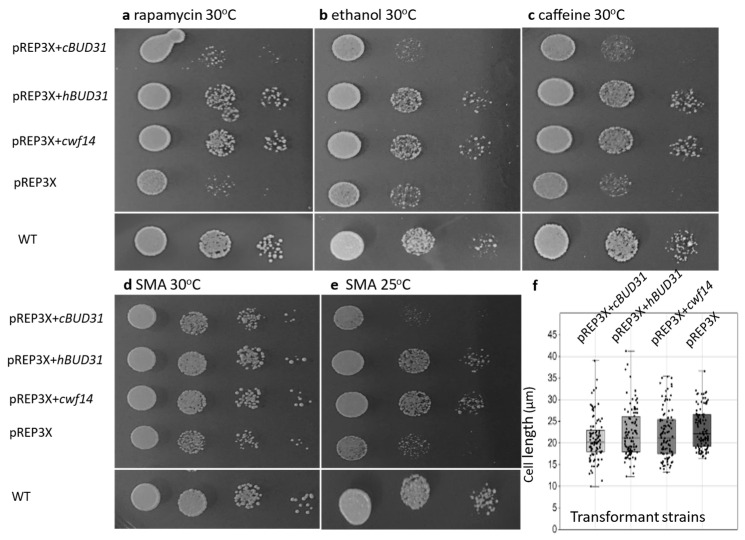 Figure 6
Peer Reviews
No public reviews on file for this paper yet. If you reviewed it on a platform where reviews are public (OpenReview, ICLR, NeurIPS, ICML), you can paste yours below so the community can read it here.
Videos
No videos yet. Explain this paper in a talk, walkthrough, or lecture? Add one.
Taxonomy
TopicsPI3K/AKT/mTOR signaling in cancer · Fungal and yeast genetics research · 14-3-3 protein interactions