Trk Signaling Inhibition Reduces cSCC Growth and Invasion in In Vitro and Zebrafish Models and Enhances Photodynamic Therapy Outcome
Marika Quadri, Natascia Tiso, Marco Iuliano, Paolo Rosa, Roberta Lotti, Giorgio Mangino, Alessandra Marconi, Elisabetta Palazzo

TL;DR
Blocking TrkA signaling reduces the growth and spread of skin cancer in lab and zebrafish models and improves the effectiveness of photodynamic therapy.
Contribution
This study demonstrates that TrkA inhibition is a promising therapeutic strategy for cutaneous squamous cell carcinoma.
Findings
TrkA inhibition significantly reduced cSCC tumor growth and invasion in vitro and in zebrafish xenografts.
Blocking TrkA enhanced the response to photodynamic therapy in cSCC spheroids.
Trk-targeted interventions reduced metastatic dissemination in zebrafish models.
Abstract
Cutaneous squamous cell carcinoma (cSCC) is the second most common skin cancer, with a rising global incidence. Neurotrophins (NTs) and their receptors, including TrkA and CD271, play key roles in epidermal homeostasis and tumor progression. We showed that CD271 expression and function are critical for low- to high-risk progression of cSCC, while TrkA is highly expressed in poorly differentiated tumors. Although NTRK fusions are recognized as oncogenic drivers, the functional impact of TrkA signaling in cSCC remains underexplored. In this study, we investigated the effects of TrkA inhibition, using both the pan-Trk inhibitor K252a and siRNA-mediated silencing, on cSCC cell lines. We evaluated cell growth and invasion in vitro, using 2D and 3D cultures, and in vivo using zebrafish xenografts. TrkA inhibition significantly reduced tumor growth and invasion, with efficacy comparable to…
Genes, proteins, chemicals, diseases, species, mutations and cell lines named across the full text — each resolved to its canonical identifier and authoritative record.
Click any figure to enlarge with its caption.
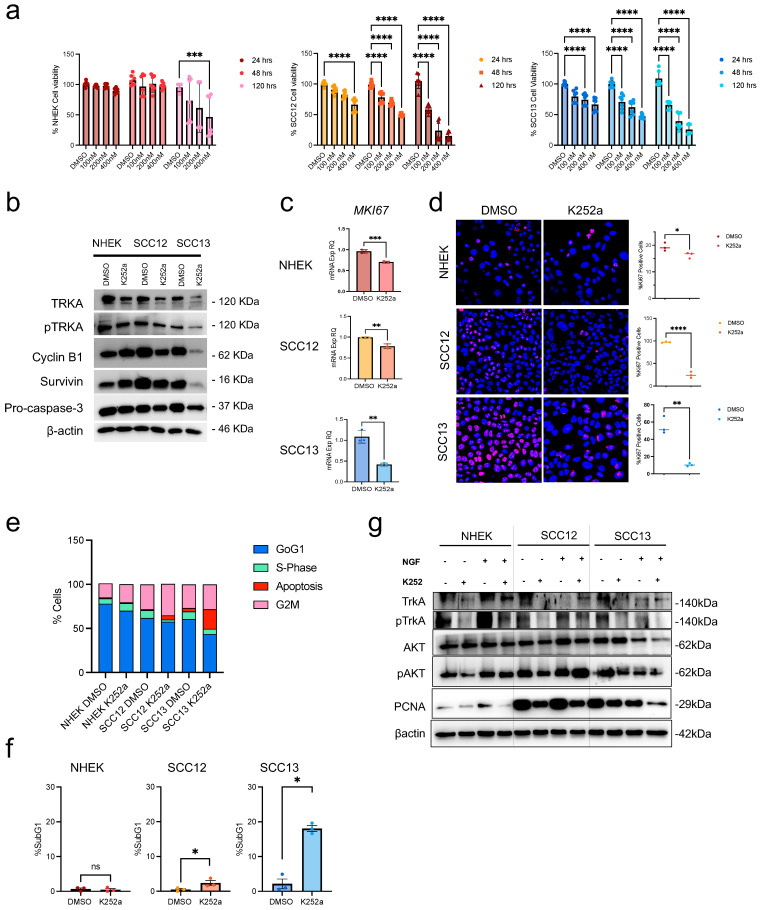 Figure 1
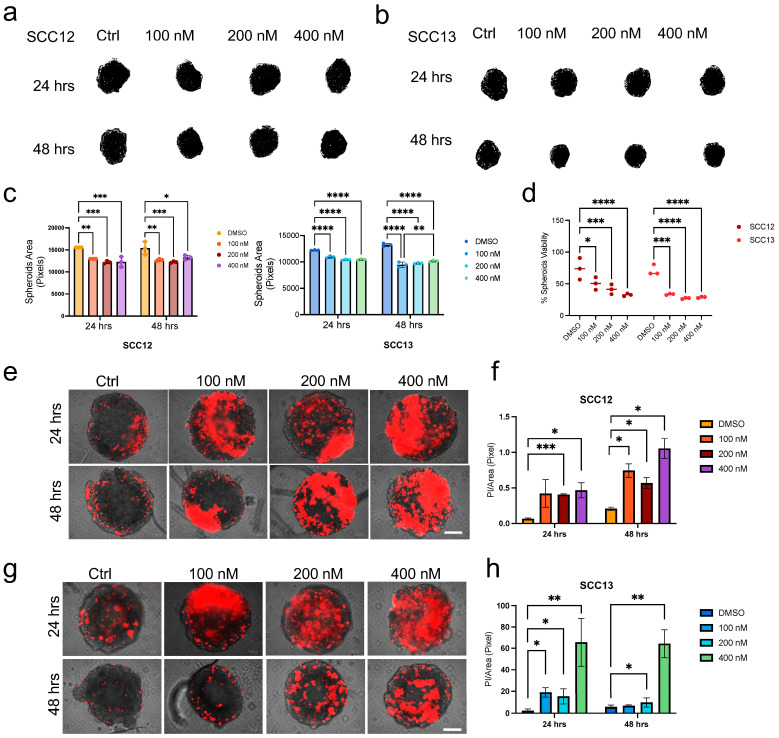 Figure 2
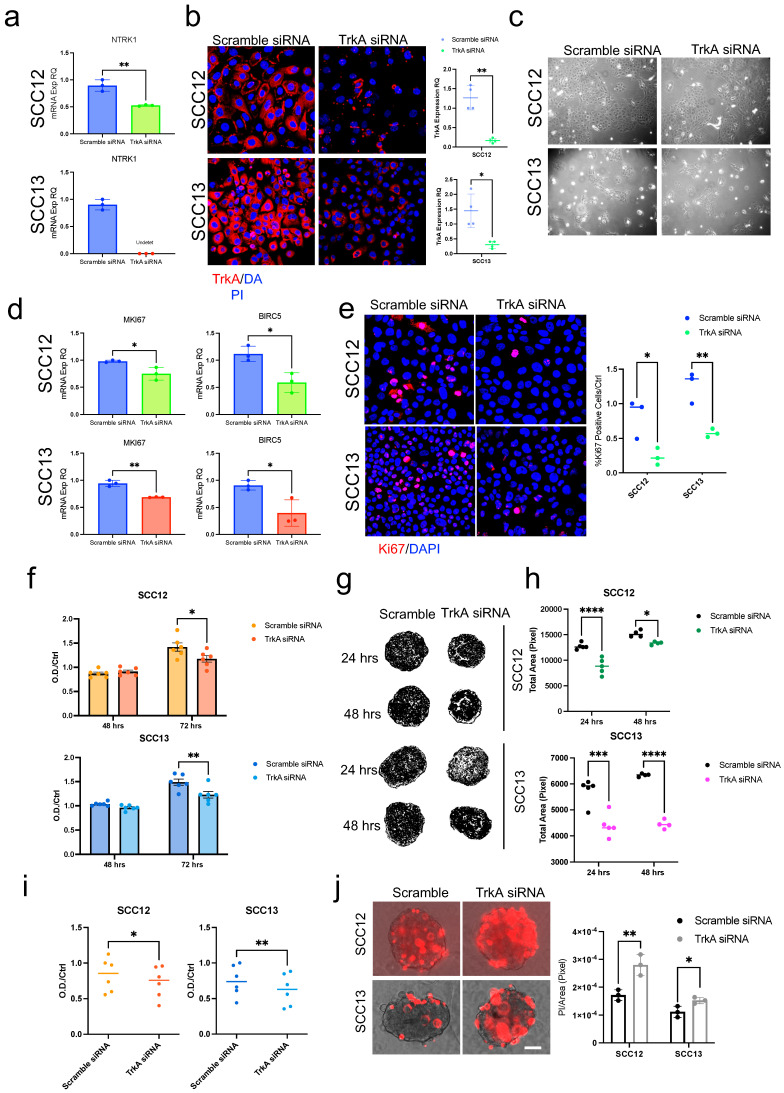 Figure 3
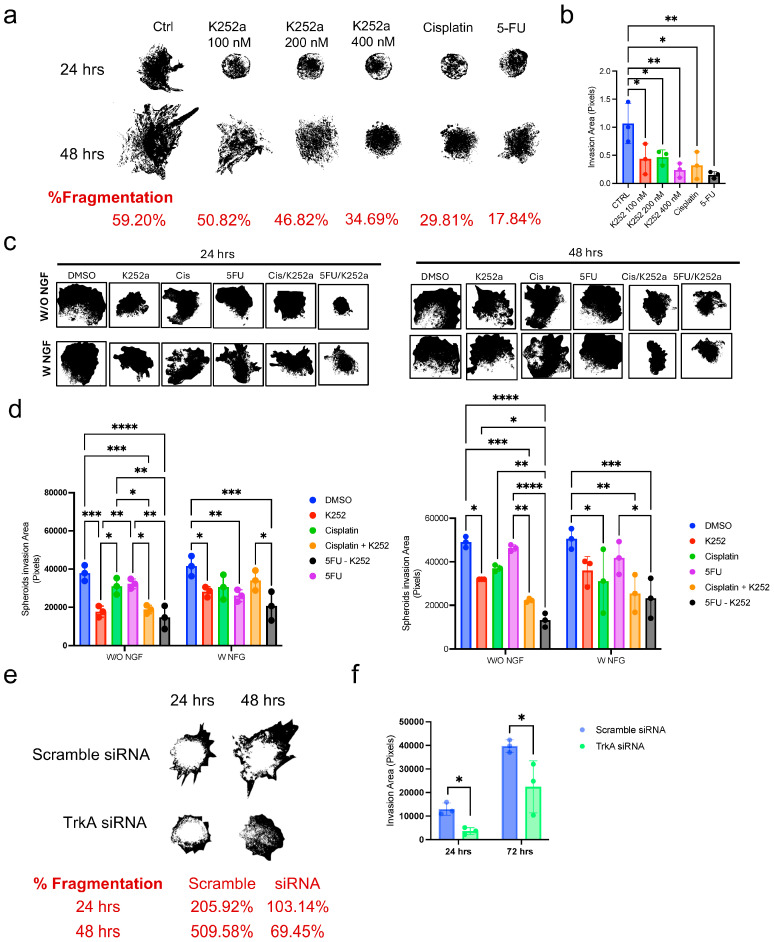 Figure 4
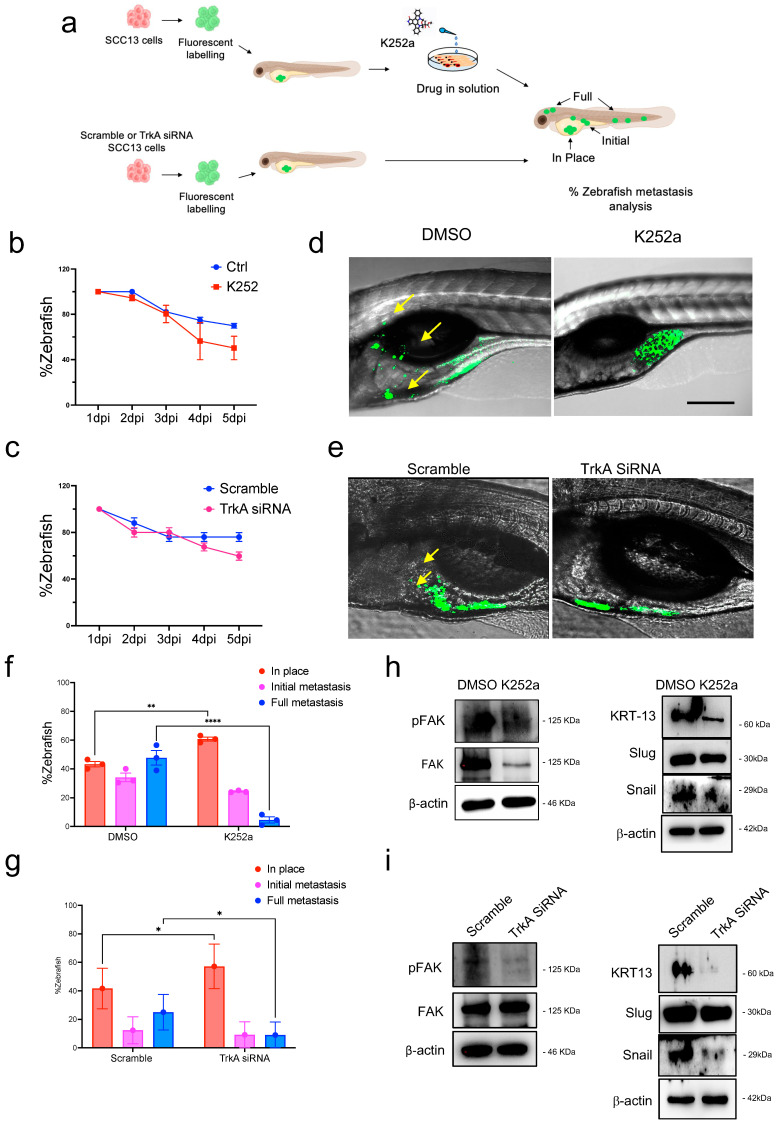 Figure 5
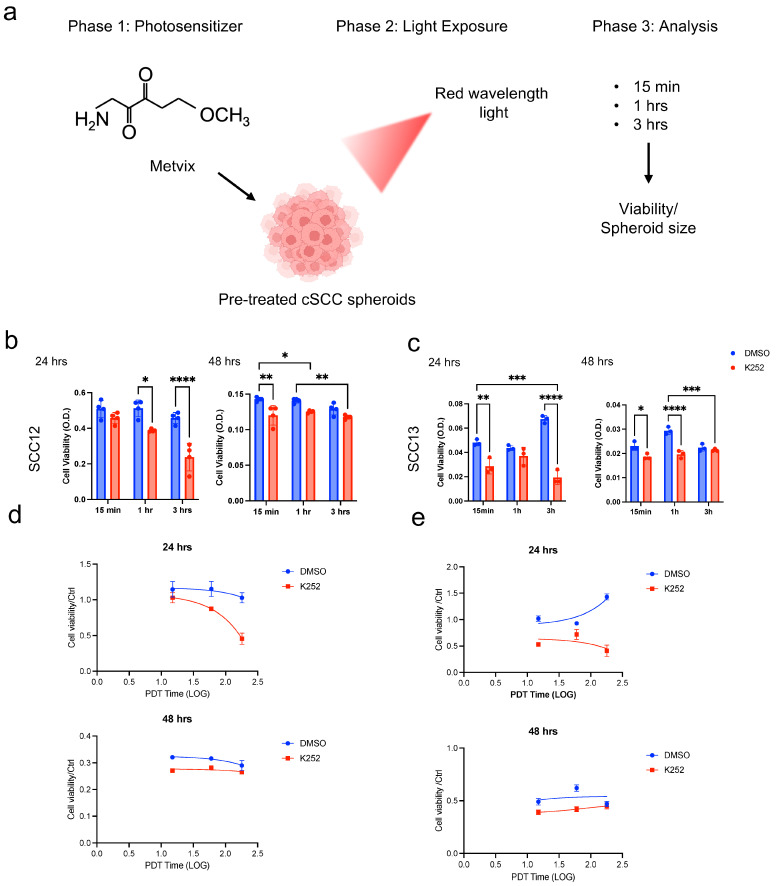 Figure 6
Peer Reviews
No public reviews on file for this paper yet. If you reviewed it on a platform where reviews are public (OpenReview, ICLR, NeurIPS, ICML), you can paste yours below so the community can read it here.
Videos
No videos yet. Explain this paper in a talk, walkthrough, or lecture? Add one.
Taxonomy
TopicsNerve injury and regeneration · Cancer, Stress, Anesthesia, and Immune Response · Proteoglycans and glycosaminoglycans research