Bioactive Potential of Terpenes from Mediterranean Scrub Plants: A Review
Ismael Montero-Fernández, Natividad Chaves Lobón, Laura Nogales Gómez, José Blanco-Salas, Juan Carlos Alías Gallego

TL;DR
This review explores the bioactive terpenes found in Mediterranean scrub plants and their potential for therapeutic and biotechnological applications.
Contribution
The study identifies and categorizes terpenes from Mediterranean scrub plants, highlighting their synergistic effects and potential for sustainable phytotherapeutic products.
Findings
Mediterranean scrub plants produce a diverse range of terpenes, with monoterpenes and sesquiterpenes being the most prevalent.
Key terpenes like 1,8-cineole and α-pinene show synergistic effects that enhance antimicrobial and neuroprotective properties.
Species such as Rosmarinus officinalis and Lavandula stoecha are rich sources of bioactive terpenes with multiple therapeutic applications.
Abstract
The Mediterranean ecosystem is characterized by marked seasonality; it is composed of species such as shrublands that are subjected to high levels of water and thermal stress, making these species an important source of secondary metabolites of significant chemical and ecological interest. In this work, 21 plants were selected from the Mediterranean scrub. These abundant and characteristic representations of the ecosystem produce a total of 197 terpenes. The majority of these are monoterpenes (46.70%), followed by sesquiterpenes (38.07%), with a minority of diterpenes (5.53%) and triterpenes (10.15%). Tetraterpenes accounted for only 0.5% of the total compounds in the species studied, corresponding to only 1%. The major terpenes include 1,8-cineole, terpinen-4-ol, α-terpineol, borneol, camphor, γ-terpinene, limonene, linalool, o-cymene, α-tujene, α-pinene, β-pinene, sabinene, myrcene,…
Genes, proteins, chemicals, diseases, species, mutations and cell lines named across the full text — each resolved to its canonical identifier and authoritative record.
Click any figure to enlarge with its caption.
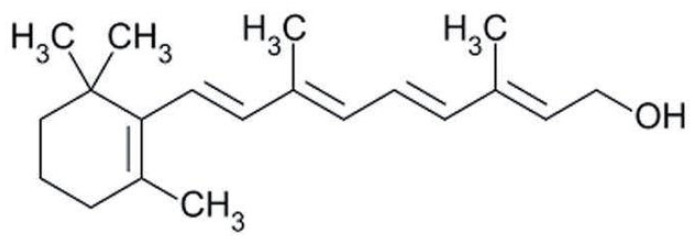 Figure 1
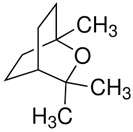 Figure 2
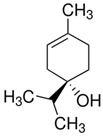 Figure 3
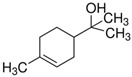 Figure 4
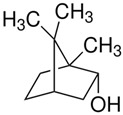 Figure 5
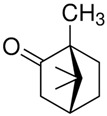 Figure 6
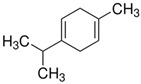 Figure 7
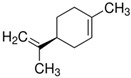 Figure 8
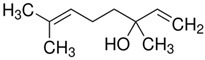 Figure 9
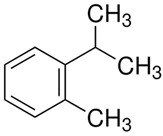 Figure 10
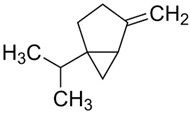 Figure 11
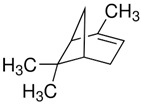 Figure 12
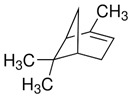 Figure 13
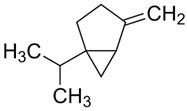 Figure 14
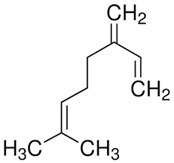 Figure 15
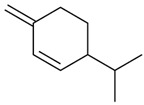 Figure 16
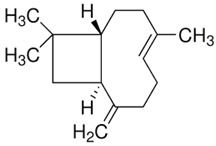 Figure 17
Peer Reviews
No public reviews on file for this paper yet. If you reviewed it on a platform where reviews are public (OpenReview, ICLR, NeurIPS, ICML), you can paste yours below so the community can read it here.
Videos
No videos yet. Explain this paper in a talk, walkthrough, or lecture? Add one.
Taxonomy
TopicsPlant biochemistry and biosynthesis · Essential Oils and Antimicrobial Activity · Sesquiterpenes and Asteraceae Studies