Hydrothermal Modification of Activated Carbon Enhances Acetaminophen Adsorption: Experimental and Computational Evidence of π–π Interaction Dominance
Astrid G. Cortés-Cruz, Marta Adame-Pereira, Carlos J. Durán-Valle, Ignacio M. López-Coca

TL;DR
This study shows that modifying activated carbon through hydrothermal treatment improves its ability to remove acetaminophen from water, mainly due to stronger π–π interactions.
Contribution
The study provides experimental and computational evidence that π–π interactions dominate acetaminophen adsorption on hydrothermally modified activated carbon.
Findings
Hydrothermal treatment increased APAP removal by over 15% compared to untreated carbon.
π–π stacking with non-oxidized graphene was the most favorable interaction (ΔG = −33 kJ/mol).
Adsorption followed a pseudo-second-order mechanism and was enhanced at lower pH and higher temperatures.
Abstract
Acetaminophen (APAP) is a widely used pharmaceutical increasingly detected as a contaminant in aquatic environments due to its persistent nature and incomplete removal by conventional wastewater treatment. This study investigates the adsorption performance and mechanisms of commercial activated carbon (M) and its hydrothermally modified form (MH) for APAP removal. Characterization via elemental analysis, X-ray photoelectron spectroscopy (XPS), and N2 adsorption isotherms revealed that hydrothermal treatment reduced oxygen content and enhanced micro- and mesopore volumes, resulting in a more homogeneous and carbon-rich surface. Batch adsorption experiments conducted under varying pH (5–7) and temperature (30–40 °C) conditions showed that MH achieved up to 94.3% APAP removal, outperforming the untreated carbon by more than 15%. Kinetic modeling indicated that adsorption followed a…
Genes, proteins, chemicals, diseases, species, mutations and cell lines named across the full text — each resolved to its canonical identifier and authoritative record.
Click any figure to enlarge with its caption.
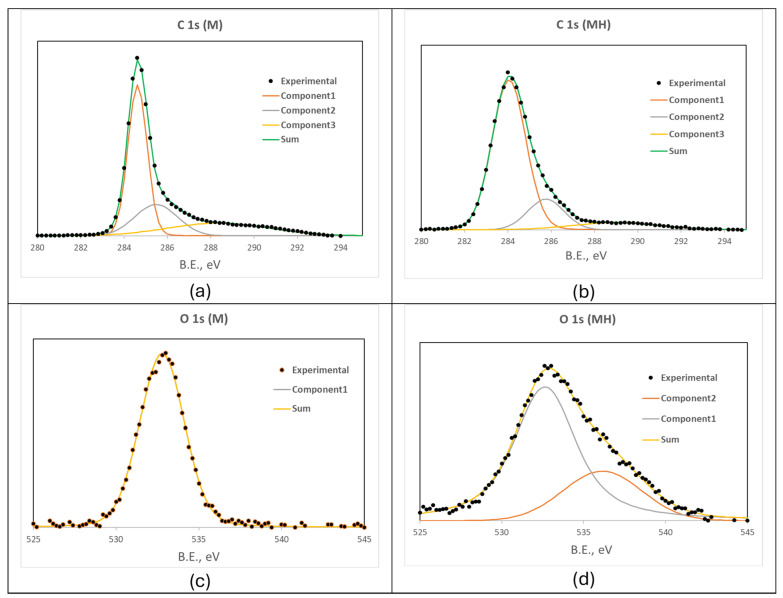 Figure 1
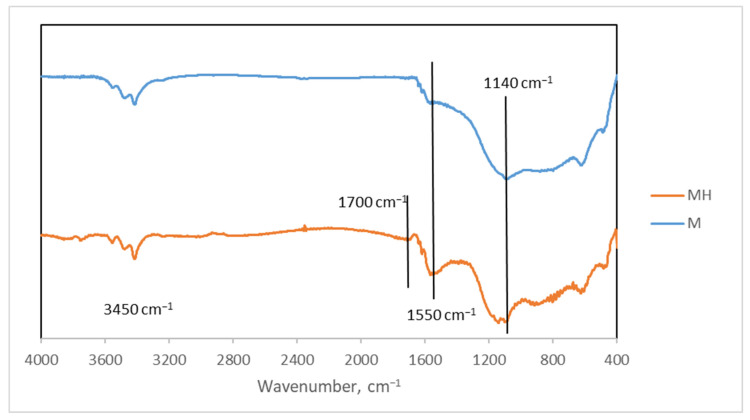 Figure 2
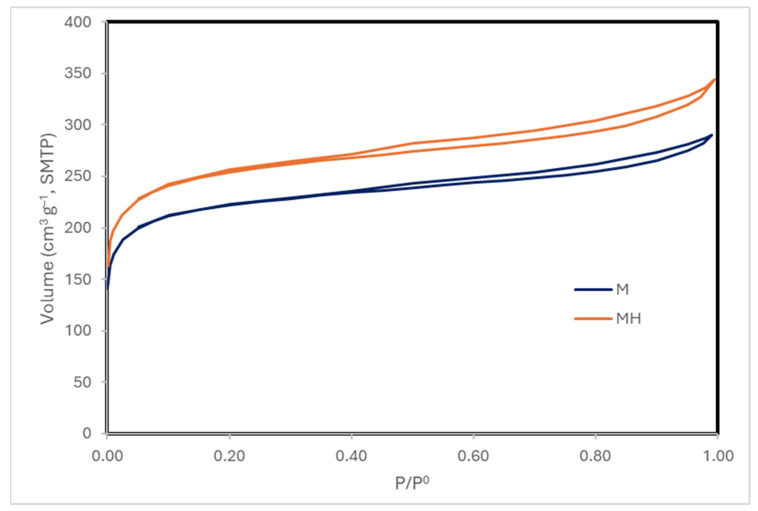 Figure 3
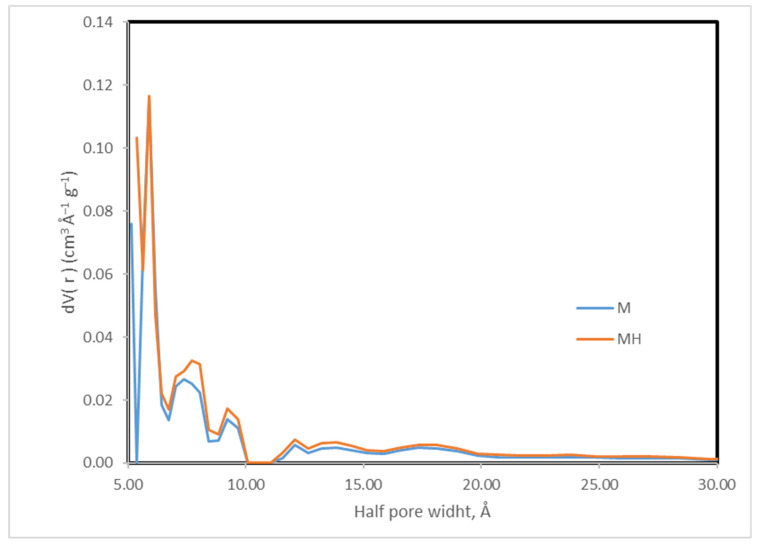 Figure 4
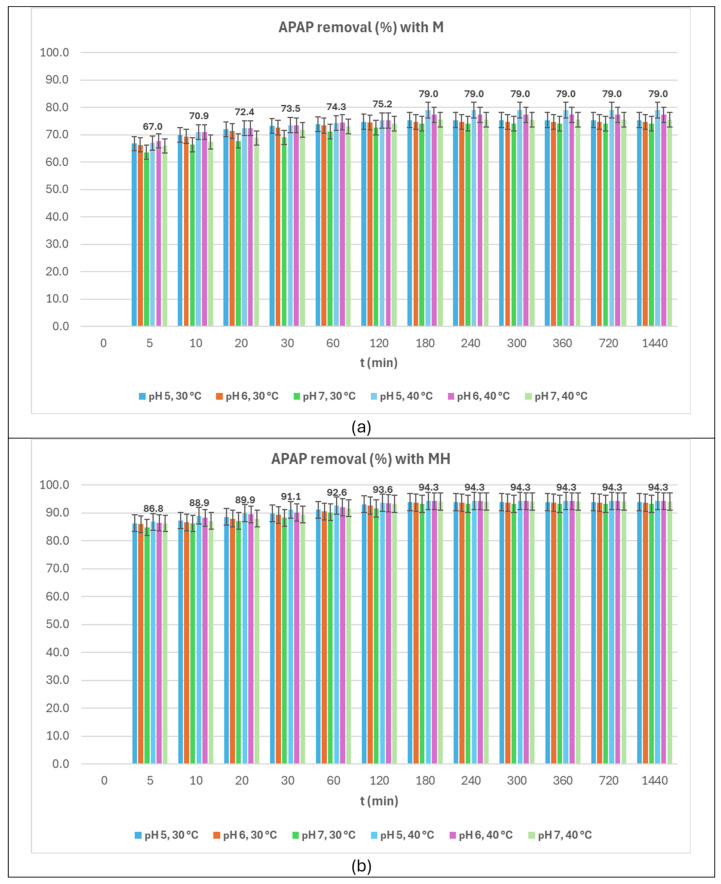 Figure 5
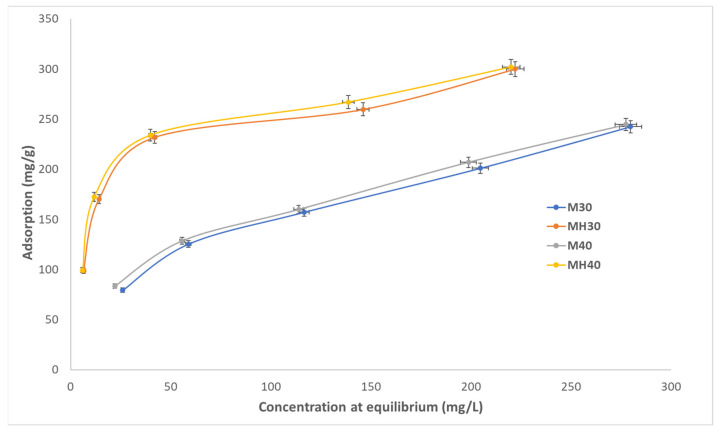 Figure 6
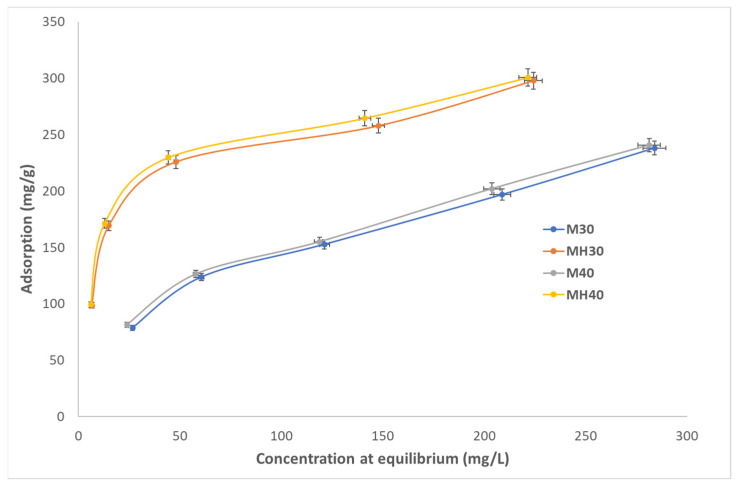 Figure 7
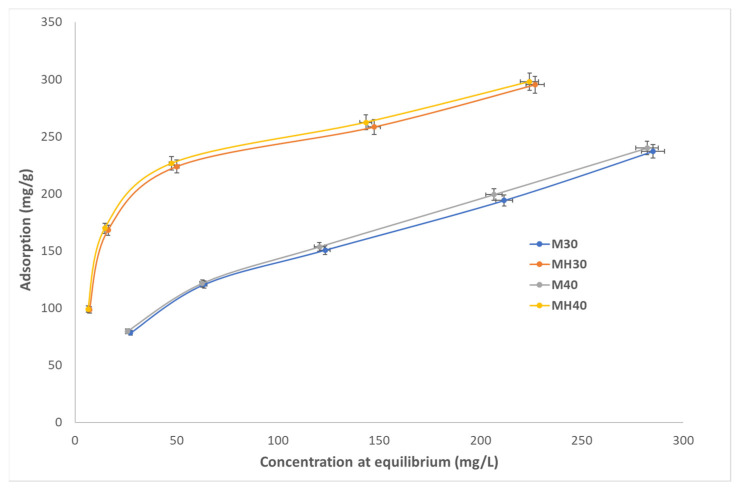 Figure 8
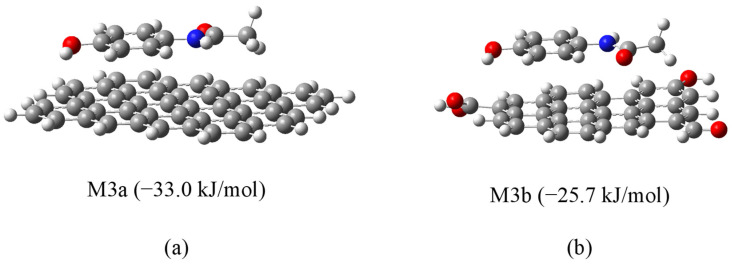 Figure 9
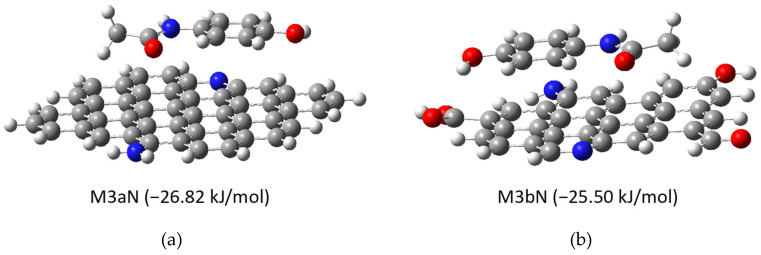 Figure 10
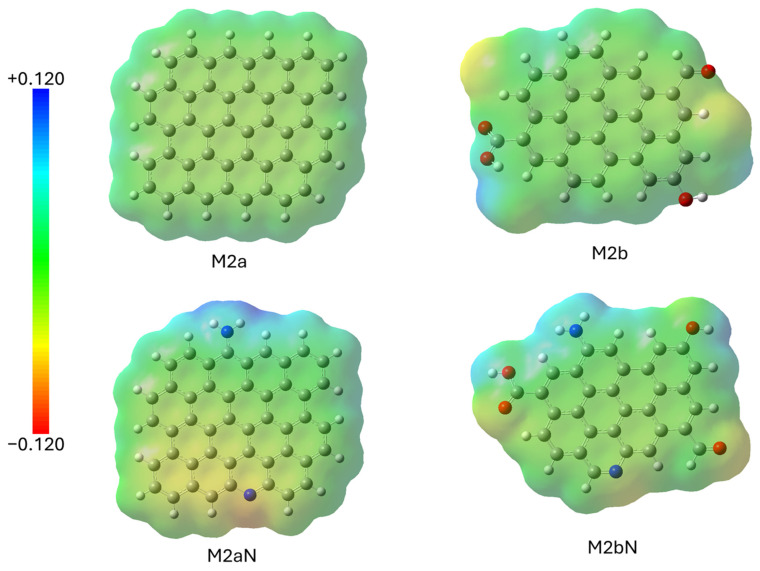 Figure 11
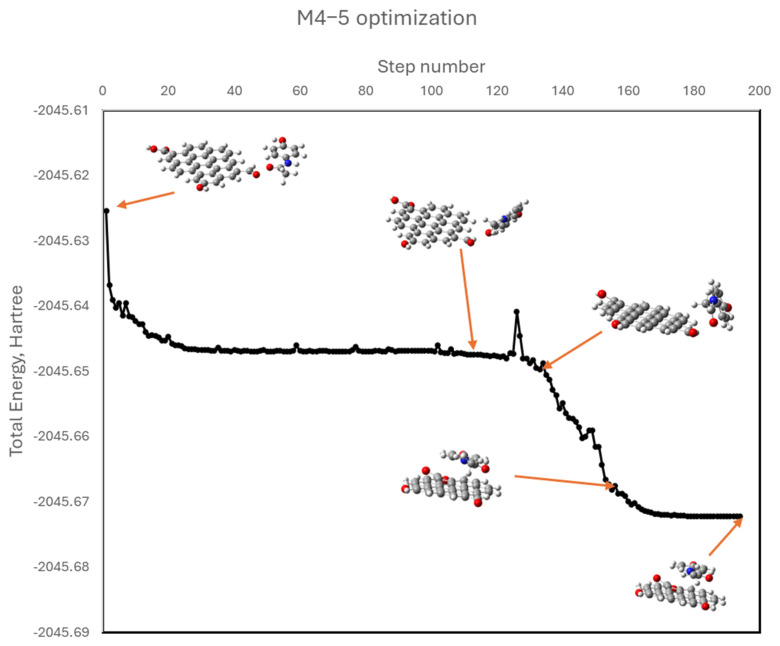 Figure 12
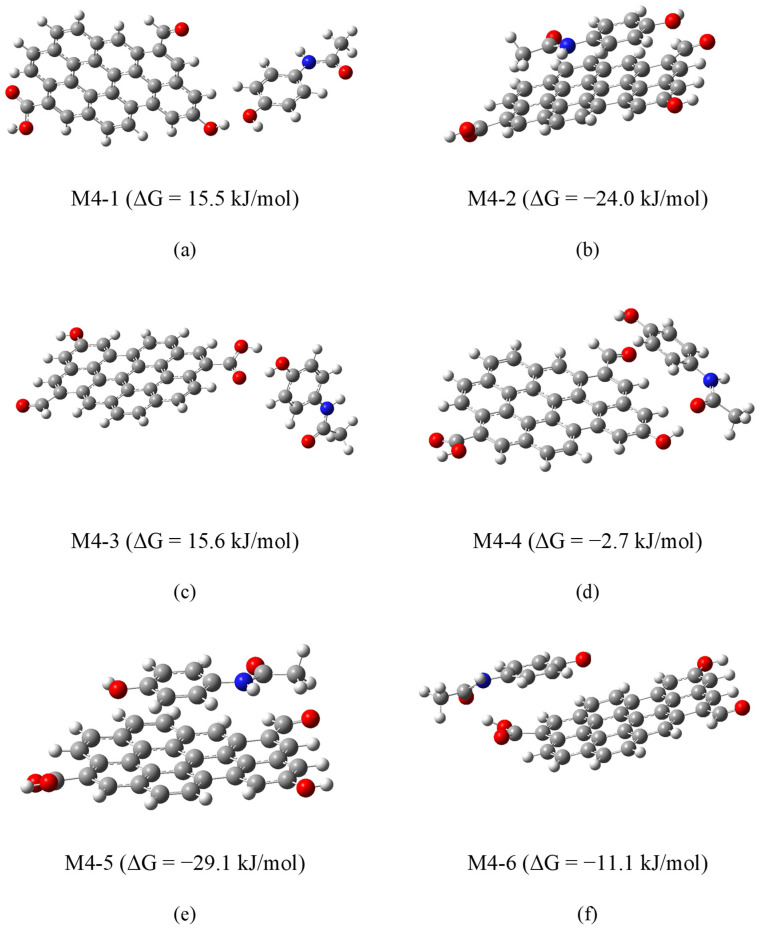 Figure 13
Peer Reviews
No public reviews on file for this paper yet. If you reviewed it on a platform where reviews are public (OpenReview, ICLR, NeurIPS, ICML), you can paste yours below so the community can read it here.
Videos
No videos yet. Explain this paper in a talk, walkthrough, or lecture? Add one.
Taxonomy
TopicsAdsorption and biosorption for pollutant removal · Pharmaceutical and Antibiotic Environmental Impacts · Clay minerals and soil interactions