A 1-Dimensional Physiological Signal Prediction Method Based on Composite Feature Preprocessing and Multi-Scale Modeling
Peiquan Chen, Jie Li, Bo Peng, Zhaohui Liu, Liang Zhou

TL;DR
A new method for predicting physiological signals uses advanced preprocessing and a novel neural network to improve accuracy and real-time performance for non-invasive monitoring.
Contribution
A seven-dimensional preprocessing technique and a CNN-LSTM-Attention network (CBAnet) that outperforms existing models in waveform prediction.
Findings
CBAnet reduced RMSE and MAE by 45% and 50%, respectively, and improved R2 by 39% on the CHARIS dataset.
CBAnet outperformed BiLSTM, CNN-LSTM, Transformer, and Wave-U-Net in RMSE, MAE, and R2 metrics.
The method achieved consistent improvements across multiple datasets including GBIT-ABP, CHARIS, and PPG-HAF.
Abstract
What are the main findings? A seven-dimensional data preprocessing technique based on physiological signal priors enhances cross-dataset prediction accuracy. Expanding the raw one-dimensional signal into (amplitude, width, rise/fall time, first/second derivatives, raw signal) dimensions significantly improves waveform prediction performance. For example, on the CHARIS dataset, CBAnet reduced RMSE and MAE by approximately 45% and 50%, respectively, compared to the suboptimal model, while R2 improved by around 39%. CBAnet achieves inter-waveform prediction by unifying local morphology and long-range dependencies. This design achieves the best overall RMSE/MAE/R2 metrics among BiLSTM, CNN-LSTM, Transformer, and Wave-U-Net, with significantly superior peak/phase fidelity and temporal consistency compared to other models. In training on the CHARIS dataset, CBAnet achieved an…
Genes, proteins, chemicals, diseases, species, mutations and cell lines named across the full text — each resolved to its canonical identifier and authoritative record.
Click any figure to enlarge with its caption.
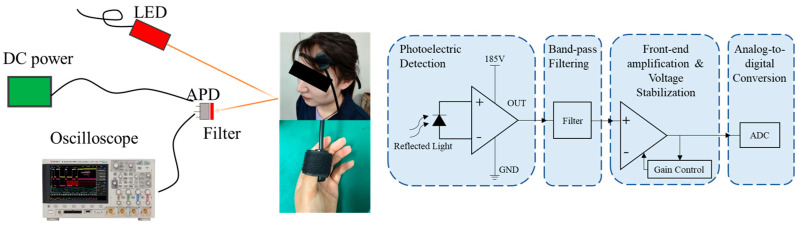 Figure 1
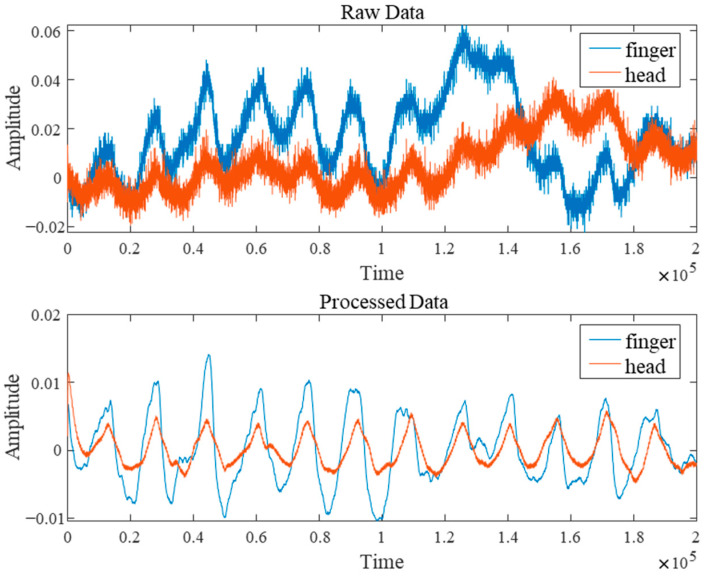 Figure 2
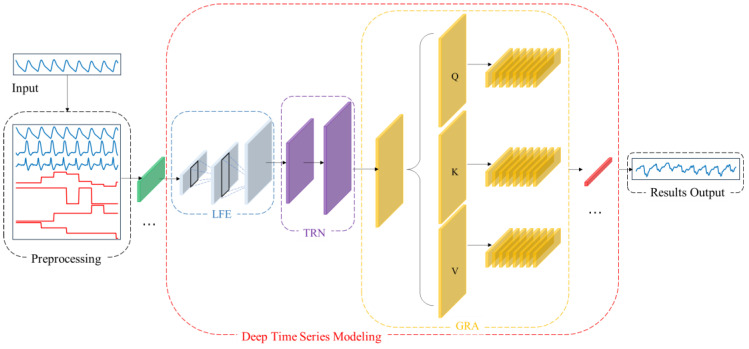 Figure 3
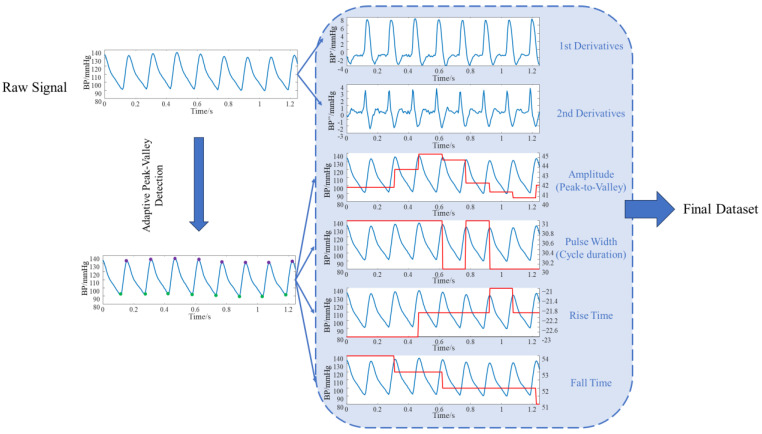 Figure 4
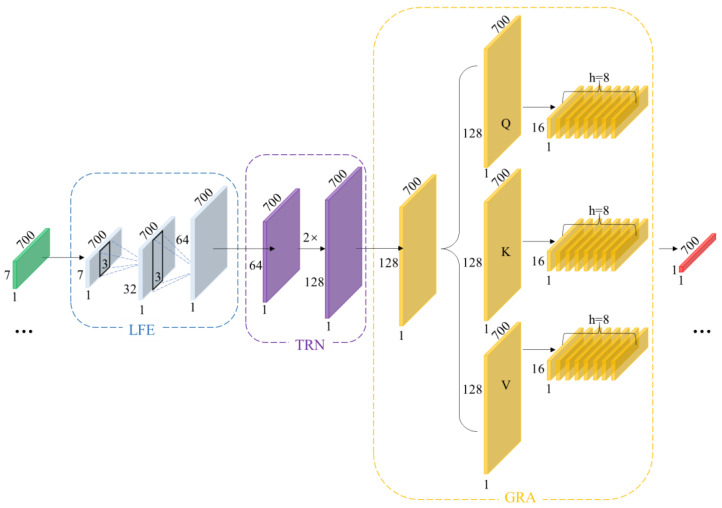 Figure 5
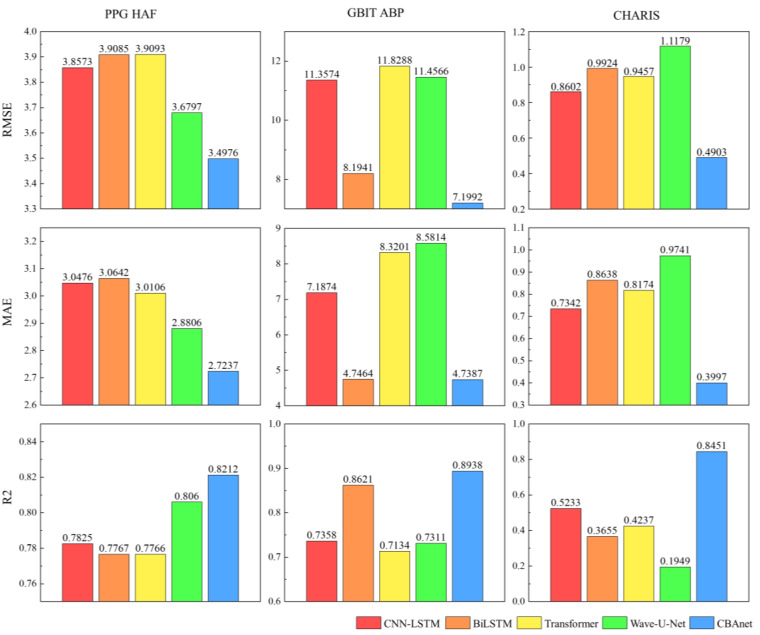 Figure 6
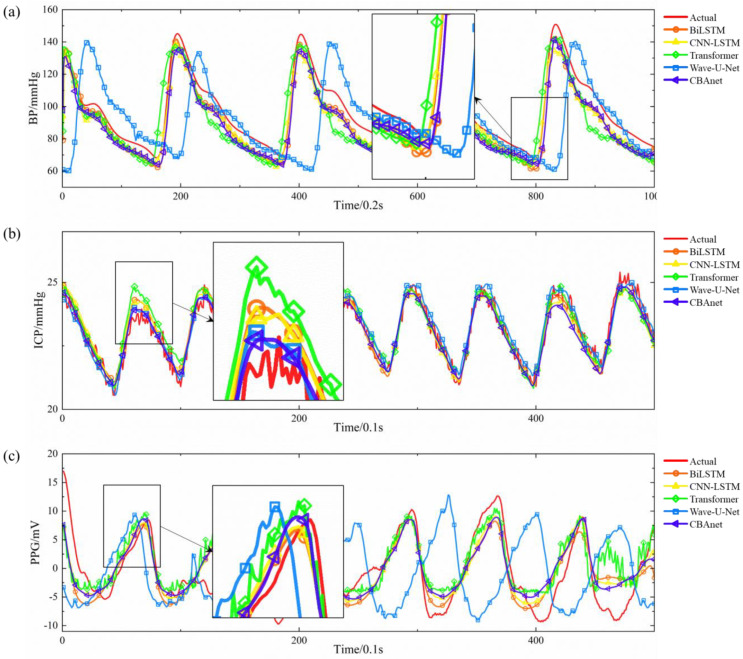 Figure 7
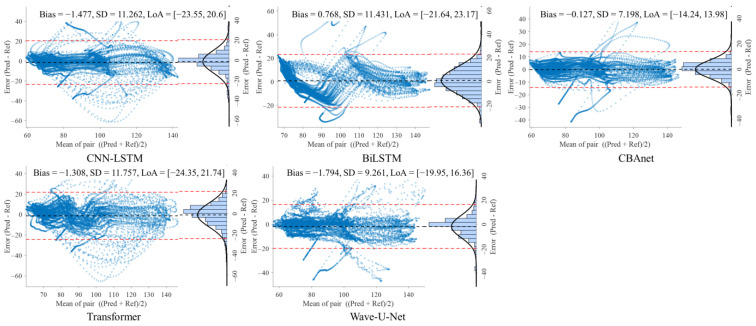 Figure 8
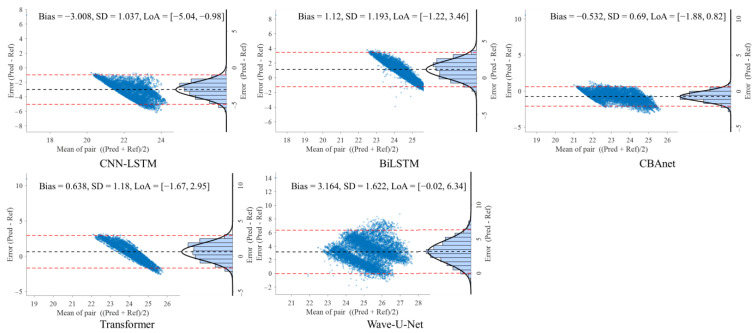 Figure 9
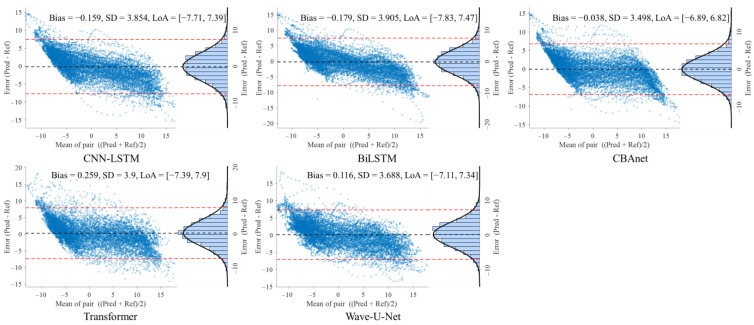 Figure 10
Peer Reviews
No public reviews on file for this paper yet. If you reviewed it on a platform where reviews are public (OpenReview, ICLR, NeurIPS, ICML), you can paste yours below so the community can read it here.
Videos
No videos yet. Explain this paper in a talk, walkthrough, or lecture? Add one.
Taxonomy
TopicsNon-Invasive Vital Sign Monitoring · Traumatic Brain Injury and Neurovascular Disturbances · ECG Monitoring and Analysis