Role of the EUS in the Treatment of Biliopancreatic Disease in Patients with Surgically Altered Anatomy
Marcello Cintolo, Edoardo Forti, Giulia Bonato, Michele Puricelli, Lorenzo Dioscoridi, Marianna Bravo, Camilla Gallo, Francesco Pugliese, Andrea Palermo, Alessia La Mantia, Massimiliano Mutignani

TL;DR
Endoscopic ultrasound (EUS) is becoming a preferred minimally invasive treatment for biliopancreatic diseases in patients with surgically altered anatomy when traditional methods fail.
Contribution
The paper highlights how EUS has evolved into a versatile therapeutic platform with high success rates in complex anatomical scenarios.
Findings
EUS-guided techniques like rendezvous, antegrade drainage, and hepaticogastrostomy achieve 80–90% success rates.
Innovative procedures such as EDGE and EDEE offer durable access for repeated interventions in complex surgeries.
EUS interventions require advanced skills and are best performed in specialized centers.
Abstract
Background: The rising prevalence of gastric, biliary, and pancreatic surgeries has led to an increasing population of patients with surgically altered anatomy (SAA). In this setting, conventional endoscopic retrograde cholangiopancreatography (ERCP) is often limited by anatomical barriers, resulting in high rates of technical failure and complications. While device-assisted enteroscopy (DAE) has expanded therapeutic possibilities, its efficacy remains modest in complex reconstructions. Methods: This review analyzed recent literature from PubMed, Embase, and Scopus up to April 2025, focusing on diagnostic and therapeutic roles of endoscopic ultrasound (EUS) in SAA. Particular attention was given to cases where standard endoscopic, percutaneous, or surgical techniques failed and to studies comparing EUS-guided approaches with alternative modalities. Results: EUS has transitioned from a…
Genes, proteins, chemicals, diseases, species, mutations and cell lines named across the full text — each resolved to its canonical identifier and authoritative record.
Click any figure to enlarge with its caption.
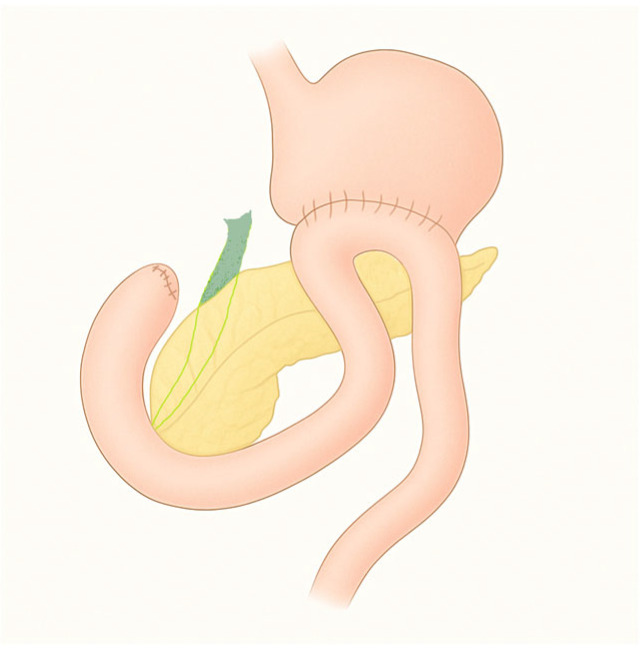 Figure 1
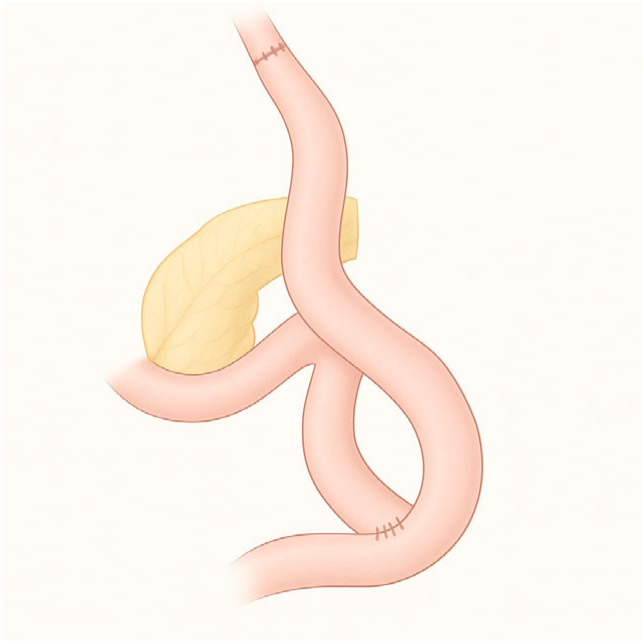 Figure 2
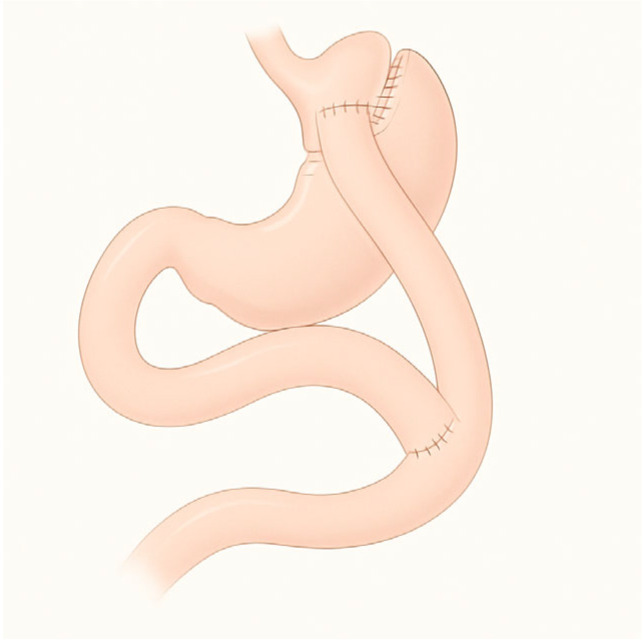 Figure 3
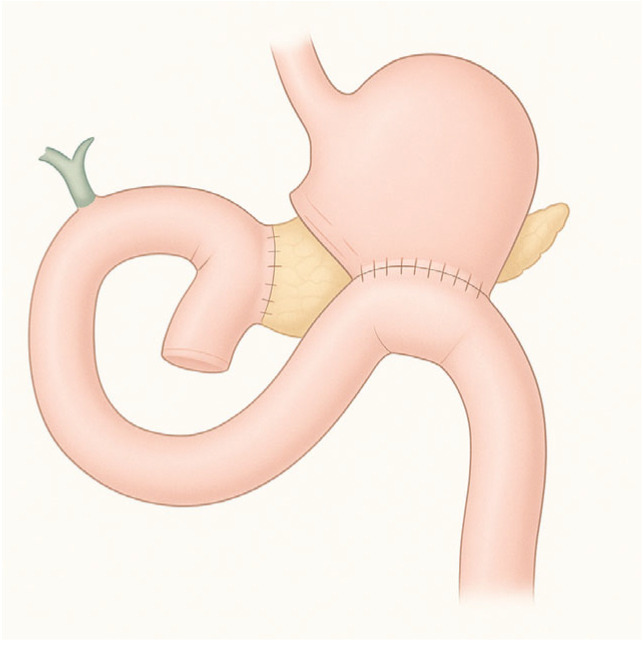 Figure 4
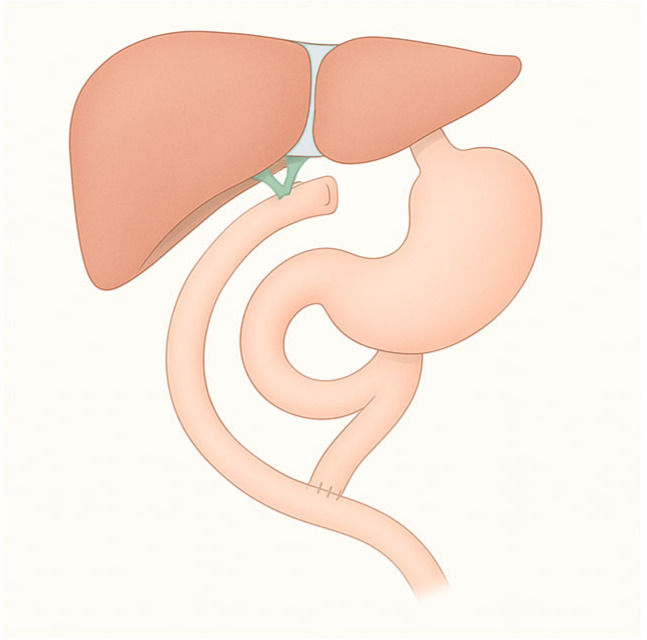 Figure 5
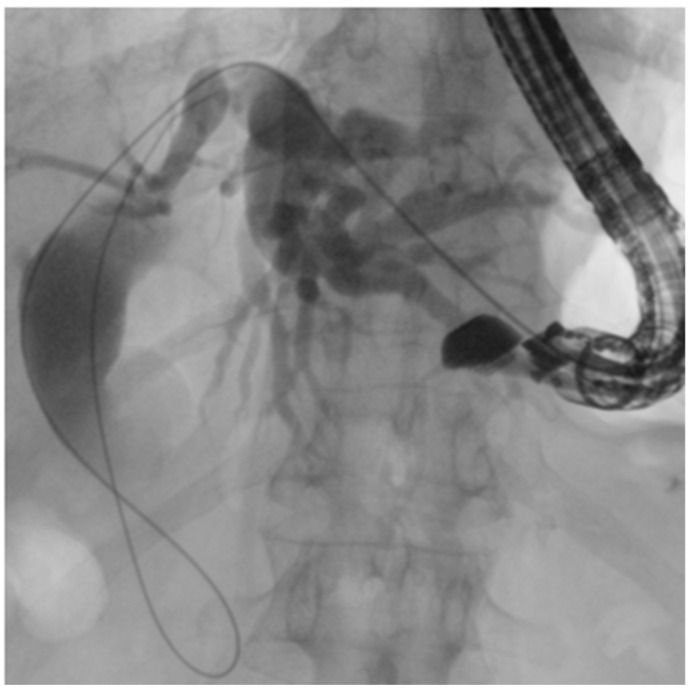 Figure 6
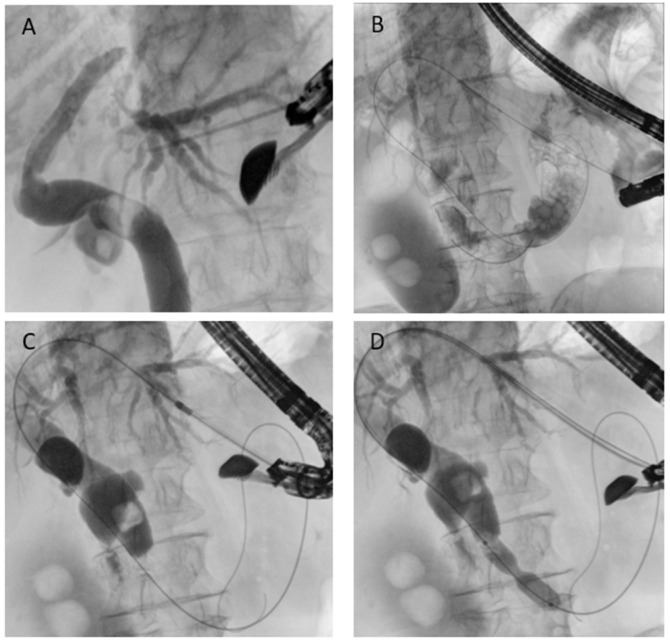 Figure 7
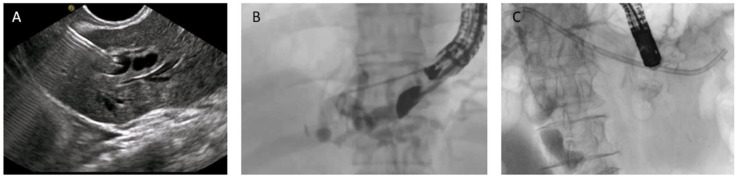 Figure 8
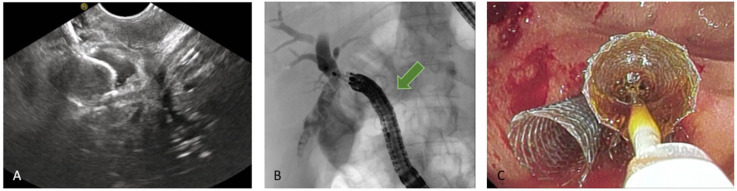 Figure 9
Peer Reviews
No public reviews on file for this paper yet. If you reviewed it on a platform where reviews are public (OpenReview, ICLR, NeurIPS, ICML), you can paste yours below so the community can read it here.
Videos
No videos yet. Explain this paper in a talk, walkthrough, or lecture? Add one.
Taxonomy
TopicsPancreatic and Hepatic Oncology Research · Gallbladder and Bile Duct Disorders · Pancreatitis Pathology and Treatment