Crashworthiness Prediction of Perforated Foam-Filled CFRP Rectangular Tubes Crash Box Using Machine Learning
Harri Junaedi, Khaled Akkad, Tabrej Khan, Marwa A. Abd El-baky, Mahmoud M. Awd Allah, Tamer A. Sebaey

TL;DR
This study uses machine learning to predict the crashworthiness of carbon fiber tubes filled with foam and with holes, showing that foam improves performance and machine learning can accurately predict results.
Contribution
The novel use of machine learning to predict crashworthiness indicators in perforated foam-filled CFRP tubes is introduced.
Findings
PUF-filled tubes showed threefold higher mean crushing force and energy absorption compared to unfilled ones.
Machine learning models, especially DTR, accurately predicted crashworthiness with low RMSE and MAPE.
Holes in unfilled tubes had mixed effects, while holes in filled tubes reduced crashworthiness.
Abstract
The use of carbon fiber-reinforced polymer (CFRP) tubes as crash boxes has become a subject of interest due to their high specific strength and energy absorption capabilities. This study investigates the crashworthiness performance of rectangular tubes made of CFRP, with and without holes and polyurethane foam (PUF)-filled inner structures. The designed tubes were subjected to quasi-static axial compression loading. In addition to carefully documenting failure histories, data on crash load and displacement responses were methodically recorded during testing. To evaluate crashworthiness performance, three design parameters were considered: hole diameter, the number of holes in both the x and y directions, and whether the tube was filled with foam or left unfilled. Machine learning (ML) was also used to reduce the time and cost by predicting the crashworthiness indicators of the tubes…
Genes, proteins, chemicals, diseases, species, mutations and cell lines named across the full text — each resolved to its canonical identifier and authoritative record.
Click any figure to enlarge with its caption.
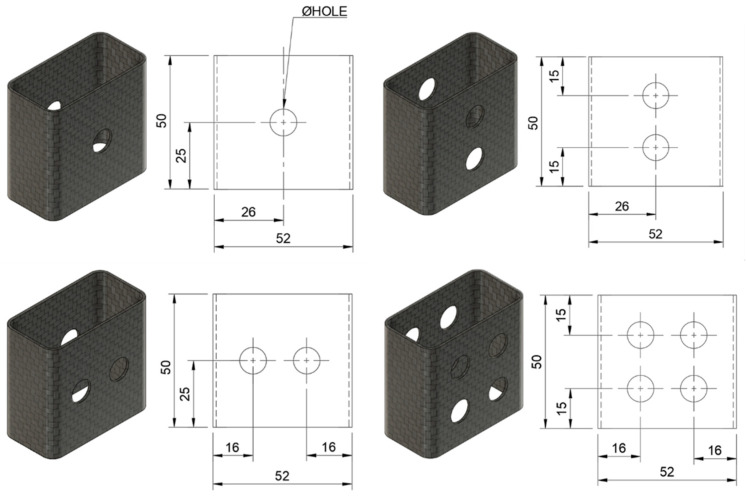 Figure 1
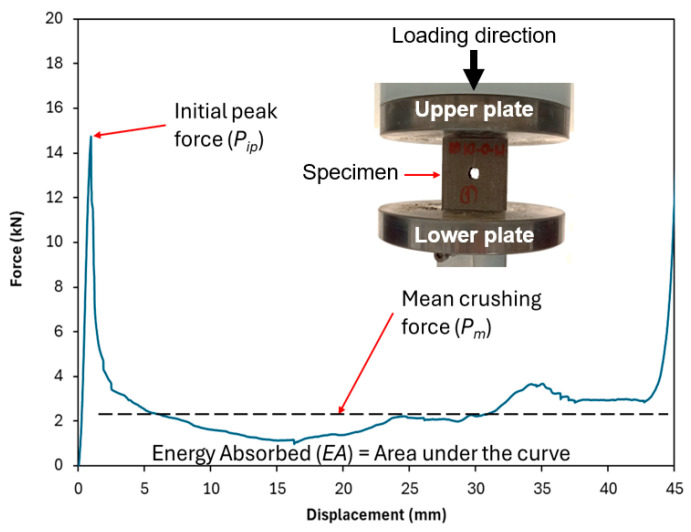 Figure 2
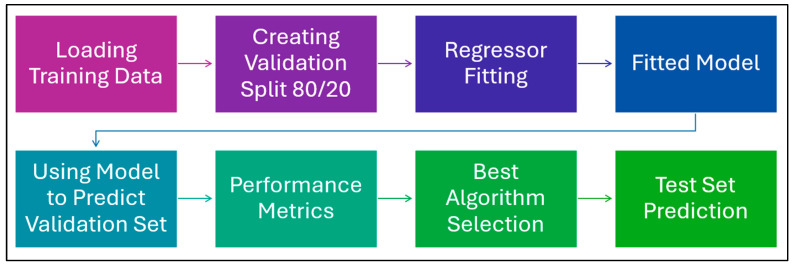 Figure 3
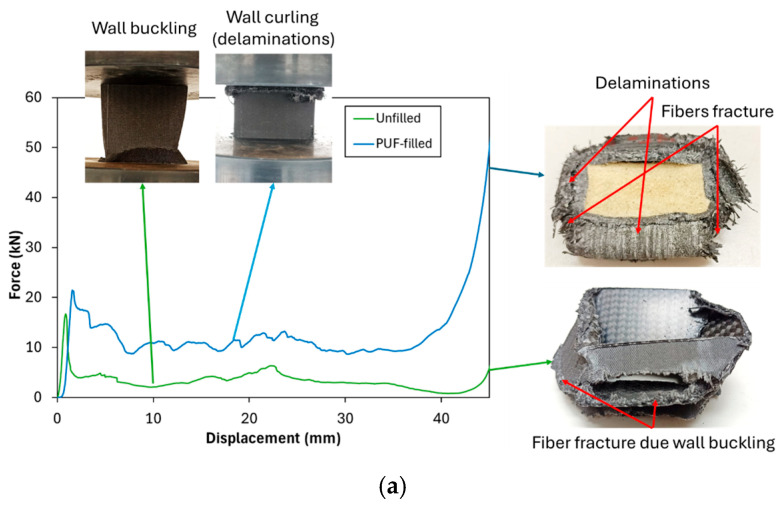 Figure 4
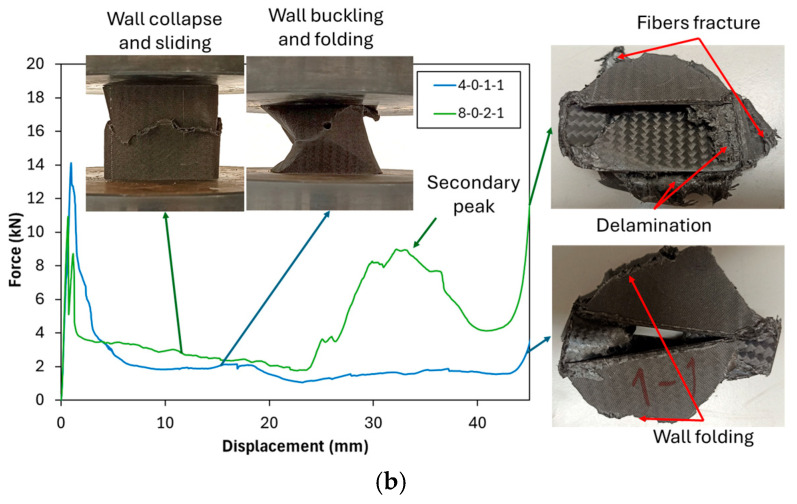 Figure 5
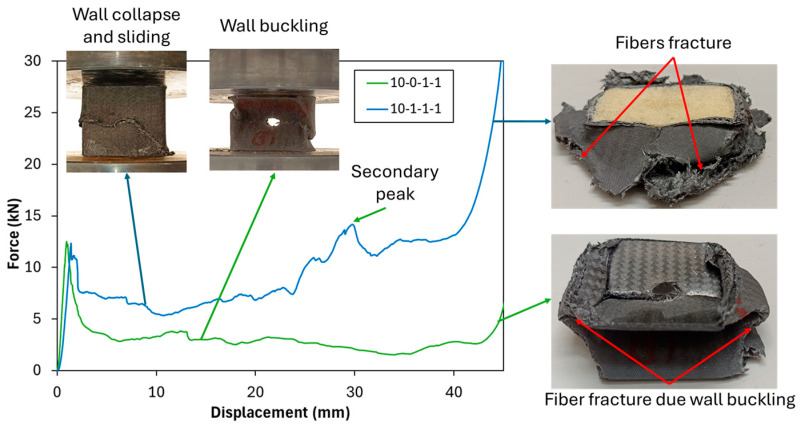 Figure 6
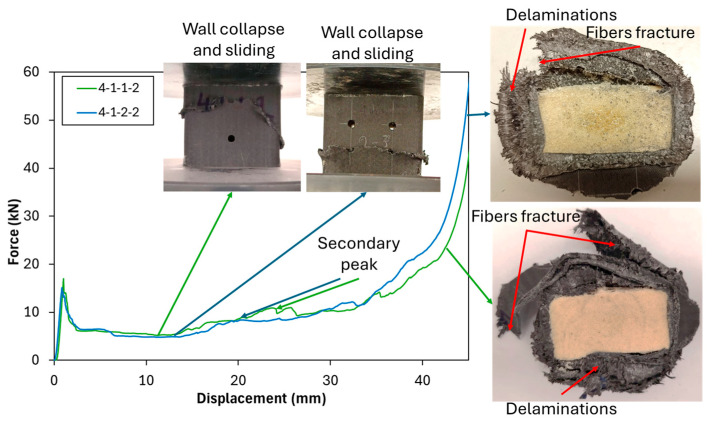 Figure 7
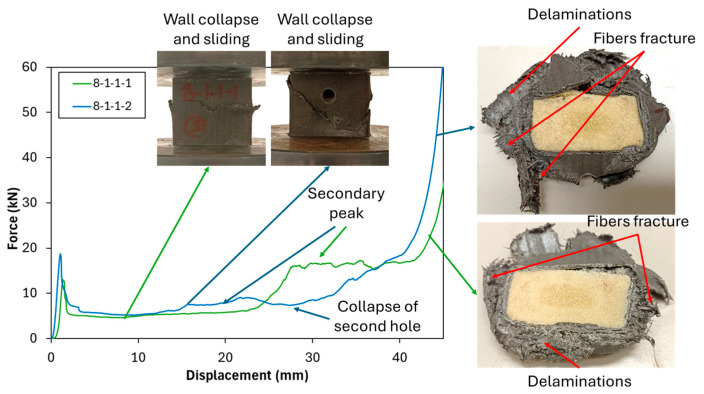 Figure 8
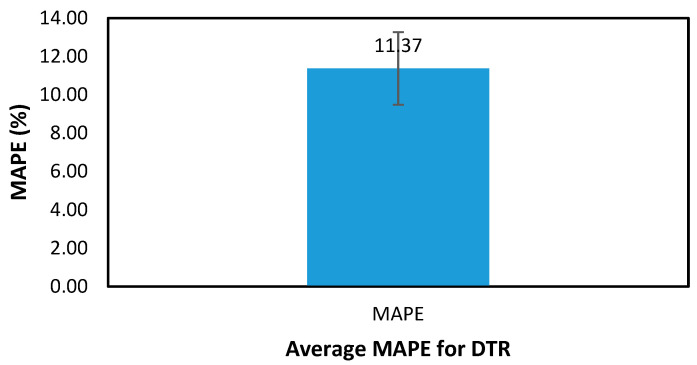 Figure 9
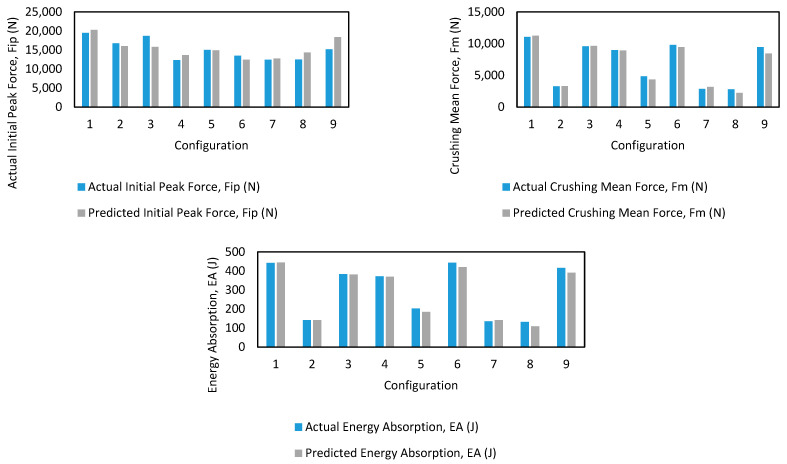 Figure 10
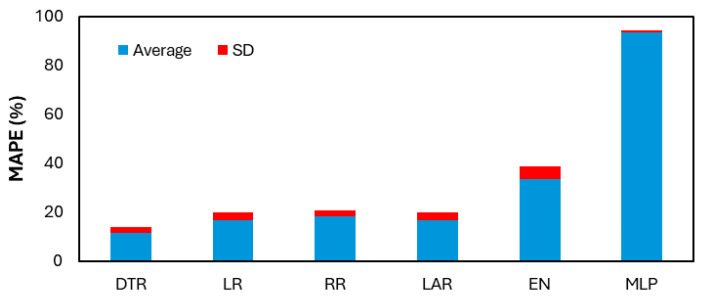 Figure 11
Peer Reviews
No public reviews on file for this paper yet. If you reviewed it on a platform where reviews are public (OpenReview, ICLR, NeurIPS, ICML), you can paste yours below so the community can read it here.
Videos
No videos yet. Explain this paper in a talk, walkthrough, or lecture? Add one.
Taxonomy
TopicsCellular and Composite Structures · Structural Response to Dynamic Loads · Mechanical Behavior of Composites