Feasibility Study on Quantification of Biodegradable Polyester Microplastics Based on Intrinsic Fluorescence
Tian-Chao Shi, Ze-Yang Zhang, Xiao-Han Zhou, Xing Zhang, Shao-Chuang Su, Hong Yang, Hao-Bo Chai, Ge-Xia Wang, Jun-Hui Ji, Yue Ding, Xu-Ran Liu, Dan Huang

TL;DR
This study explores a new method to measure biodegradable microplastics using their natural fluorescence, offering a simpler and faster alternative to traditional labeling methods.
Contribution
The study introduces a label-free quantification method for biodegradable polyester microplastics using intrinsic fluorescence.
Findings
Biodegradable microplastics exhibit characteristic fluorescence emissions from molecular functional groups and conjugated group chromophores.
Fluorescence intensity correlates with microplastic size, shape, and concentration, enabling linear models with R2 values up to 0.963.
The intrinsic fluorescence method offers operational simplicity for rapid quantification of purified microplastics.
Abstract
While biodegradable plastics alleviate plastic pollution, their degradation-derived biodegradable microplastics (BMPs) pose new ecological risks, necessitating efficient quantification methods. This study explores a label-free approach by leveraging the intrinsic fluorescence of common biodegradable polyesters (PLA, PHB, PBS, PBAT, PCL). We find that biodegradable microplastics exhibit two types of characteristic fluorescence emission: one originating from molecular functional groups and the other originating from the chromophore formed by the aggregation of conjugated groups. Using PBAT as a model, we confirm that fluorescence intensity depends on the BMPs’ size and shape. Under 380 nm excitation, concentration-dependent signals are observed at 436 nm (indirectly from PBAT-enhanced water Raman scattering) and 465 nm (directly from PBAT intrinsic fluorescence), leading to successful…
Genes, proteins, chemicals, diseases, species, mutations and cell lines named across the full text — each resolved to its canonical identifier and authoritative record.
Click any figure to enlarge with its caption.
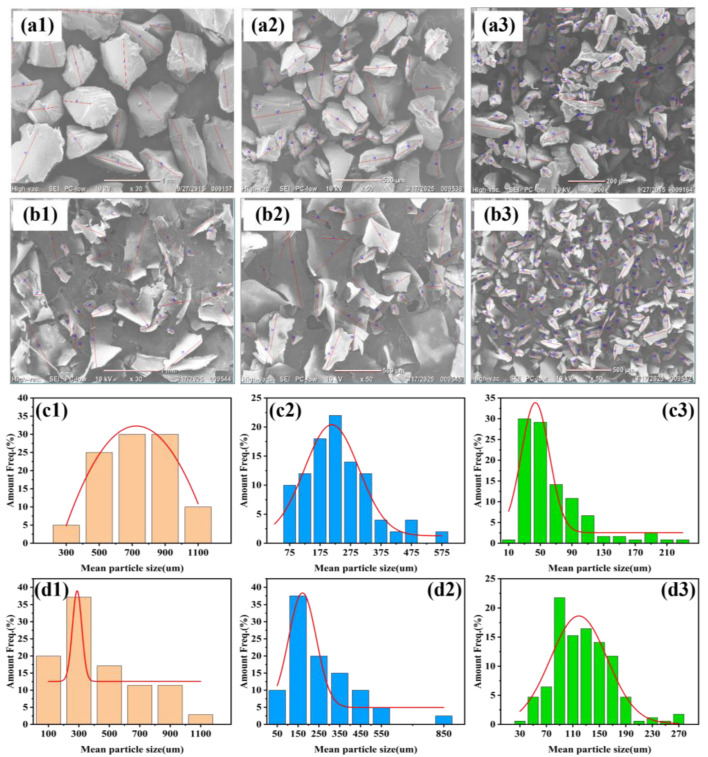 Figure 1
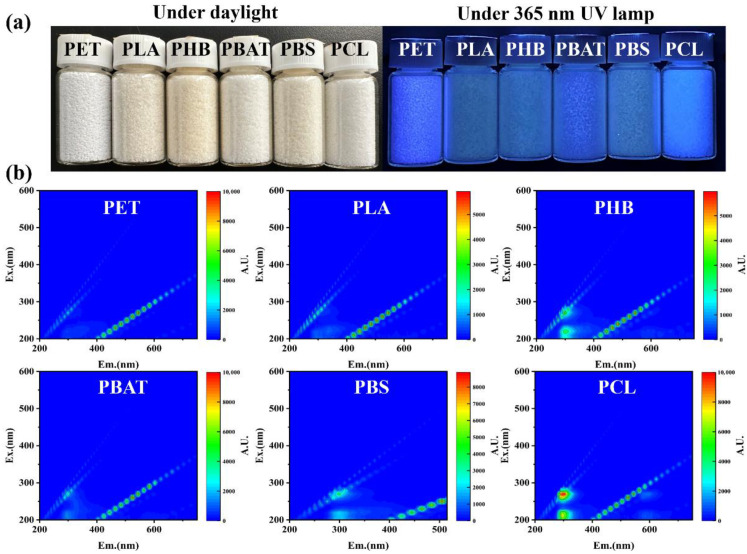 Figure 2
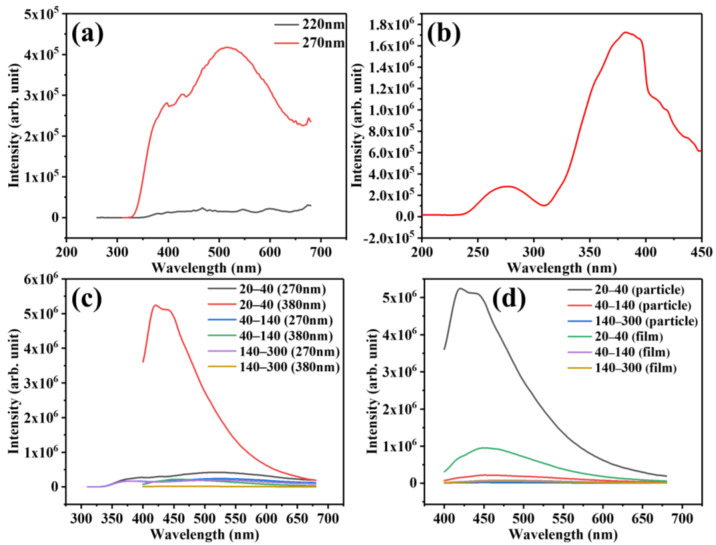 Figure 3
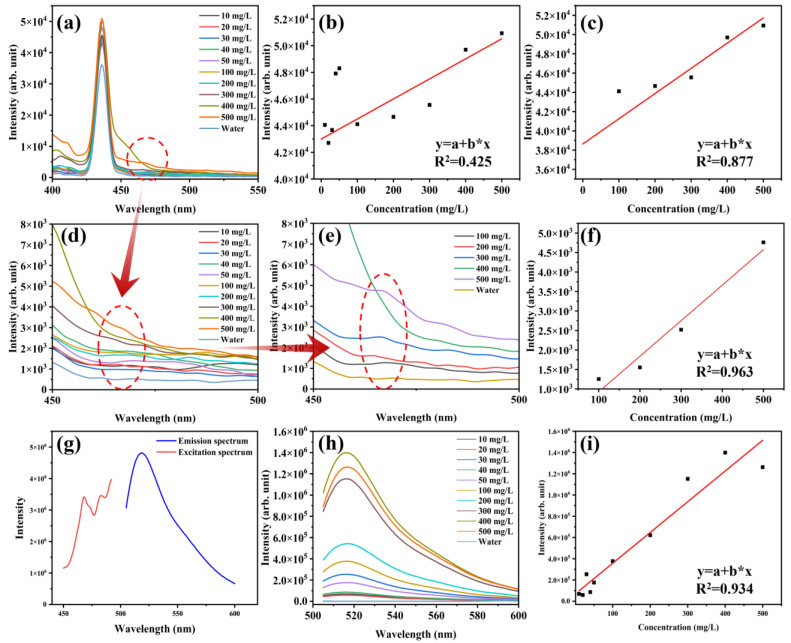 Figure 4
Peer Reviews
No public reviews on file for this paper yet. If you reviewed it on a platform where reviews are public (OpenReview, ICLR, NeurIPS, ICML), you can paste yours below so the community can read it here.
Videos
No videos yet. Explain this paper in a talk, walkthrough, or lecture? Add one.
Taxonomy
TopicsMicroplastics and Plastic Pollution · biodegradable polymer synthesis and properties · Nanocomposite Films for Food Packaging