Functional Characterization of Fp2Cas9, a Cold-Adapted Type II-C CRISPR Nuclease from Flavobacterium psychrophilum
Ran Zhao, Jianqiang Zhu, Jing Wang, Di Wang, Xinting Liu, Lanlan Han, Shaowu Li

TL;DR
This paper introduces Fp2Cas9, a cold-adapted CRISPR enzyme that works efficiently at low temperatures, making genome editing possible in cold-water organisms.
Contribution
The paper presents Fp2Cas9, a novel cold-adapted Cas9 nuclease with high activity at low temperatures and a refined PAM requirement.
Findings
Fp2Cas9 cleaves DNA efficiently at 5°C with 75% activity, significantly higher than SpCas9 under the same conditions.
The engineered sgRNA scaffold (sgRNA-V2) enables programmable DNA targeting for Fp2Cas9.
In zebrafish, 2NLS-Fp2Cas9 achieved ~60% indel frequencies and pigmentation-deficient phenotypes in ~43% of embryos.
Abstract
Cas9 with specialized temperature adaptations are essential for broadening the application of CRISPR-based genome editing across diverse biological contexts. Although Cas9 orthologs from thermophilic and mesophilic organisms have been characterized for high- and moderate-temperature applications, cold-active variants remain largely unexplored, limiting genome engineering in low-temperature systems such as aquaculture species. Here, we report the functional characterization of Fp2Cas9, a cold-adapted Type II-C nuclease from Flavobacterium psychrophilum. In vitro assays showed that Fp2Cas9 efficiently cleaves double-stranded DNA with a refined PAM requirement of 5′-SNAAAG-3′, and that its engineered sgRNA scaffold (sgRNA-V2) supports programmable DNA targeting. Notably, Fp2Cas9 retains 75% cleavage efficiency at 5 °C, approximately 2.5-fold higher than SpCas9 under the same conditions,…
Genes, proteins, chemicals, diseases, species, mutations and cell lines named across the full text — each resolved to its canonical identifier and authoritative record.
Click any figure to enlarge with its caption.
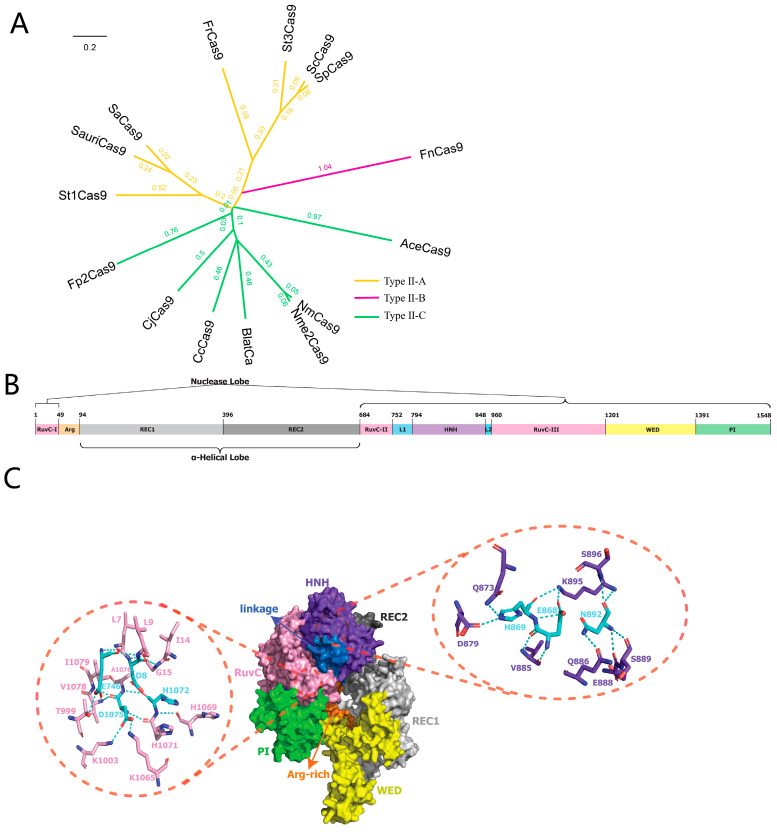 Figure 1
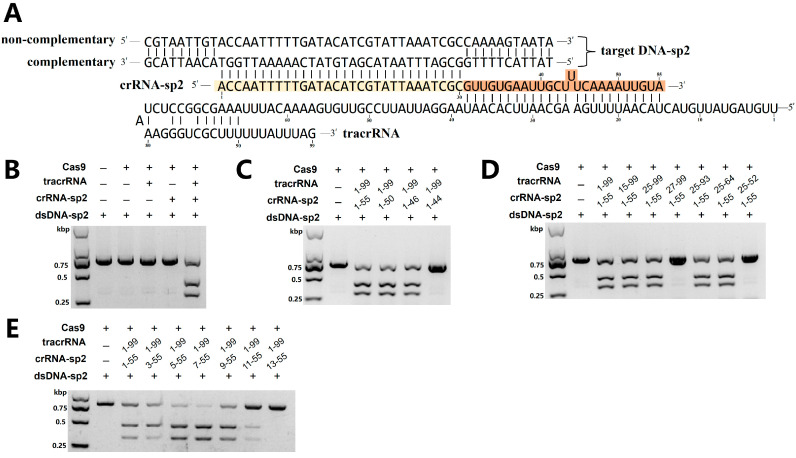 Figure 2
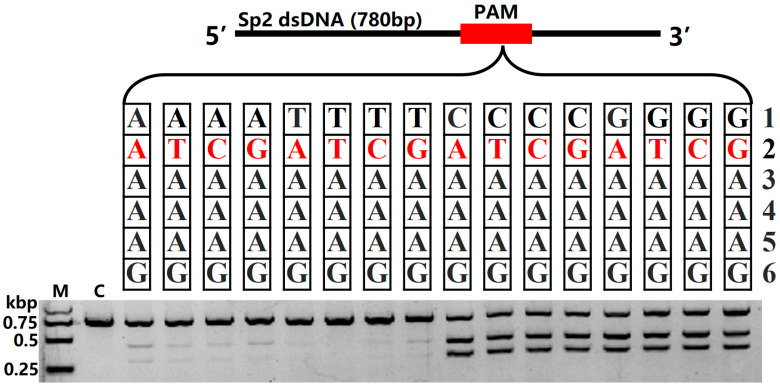 Figure 3
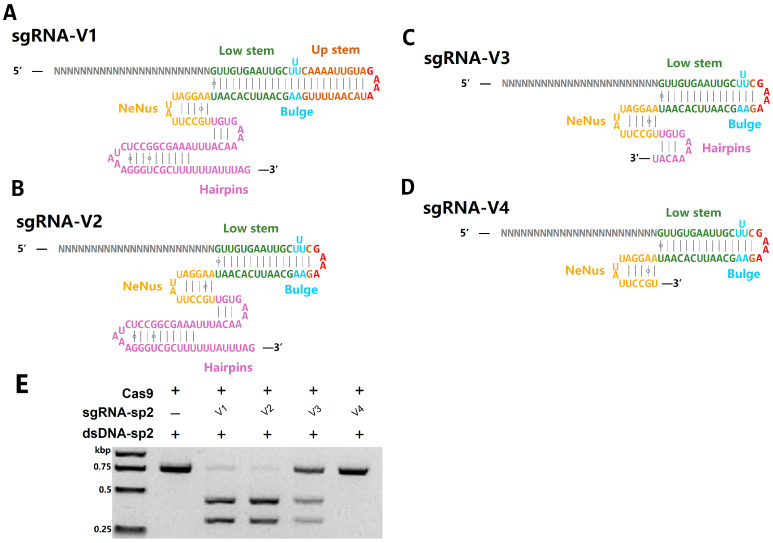 Figure 4
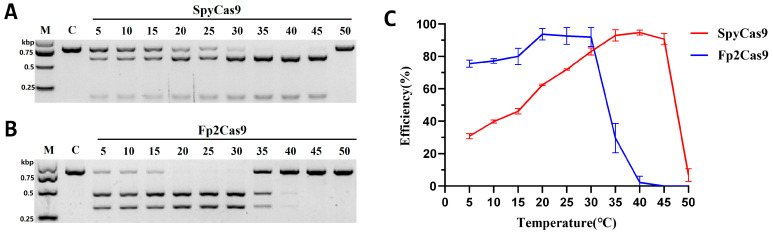 Figure 5
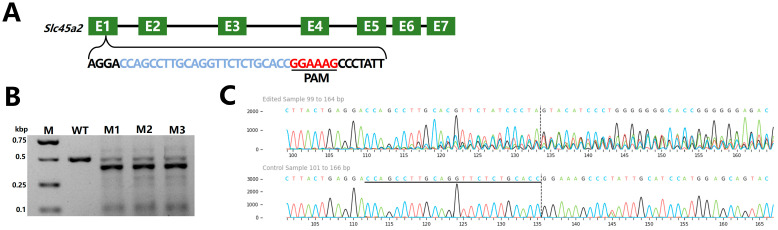 Figure 6
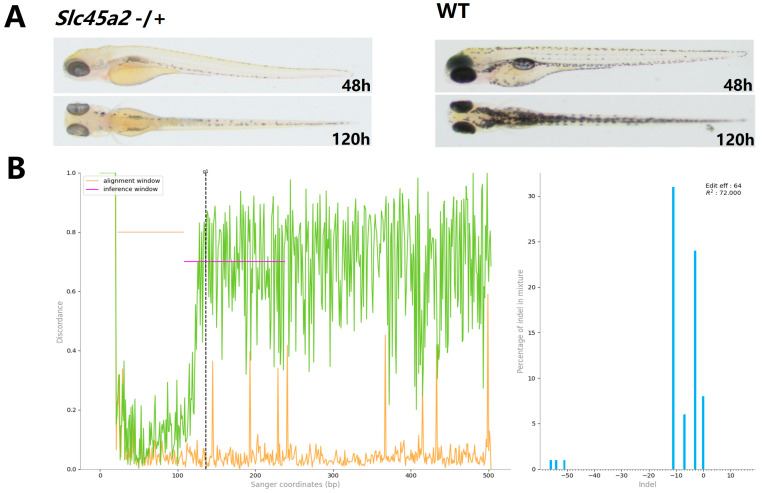 Figure 7
Peer Reviews
No public reviews on file for this paper yet. If you reviewed it on a platform where reviews are public (OpenReview, ICLR, NeurIPS, ICML), you can paste yours below so the community can read it here.
Videos
No videos yet. Explain this paper in a talk, walkthrough, or lecture? Add one.
Taxonomy
TopicsCRISPR and Genetic Engineering · Pluripotent Stem Cells Research · RNA regulation and disease