Potential Role of Transferrin and Vascular Cell Adhesion Molecule 1 in Differential Diagnosis Among Patients with Tauopathic Atypical Parkinsonian Syndromes
Natalia Madetko-Alster, Dagmara Otto-Ślusarczyk, Marta Struga, Patryk Chunowski, Piotr Alster

TL;DR
This study explores transferrin and VCAM-1 as potential biomarkers to differentiate between types of tau-related Parkinsonian syndromes.
Contribution
The study is the first to investigate transferrin and VCAM-1 in progressive supranuclear palsy and corticobasal syndrome.
Findings
Serum transferrin and VCAM-1 levels were significantly higher in patients with PSP-P compared to healthy controls.
Transferrin showed excellent diagnostic accuracy (AUC 0.975) in distinguishing tauopathic APS from controls.
VCAM-1 levels were negatively correlated with inflammatory ratios in CBS patients.
Abstract
Background/Objectives: Transferrin is a multi-task protein commonly known for binding iron; however, it is involved in multiple crucial processes, including antimicrobial activity, the growth of different cell types, differentiation, chemotaxis, the cell cycle, and cytoprotection. Vascular cell adhesion molecule 1 (VCAM-1) is a cell surface glycoprotein which participates in inflammation and the trans-endothelial movement of leukocytes. Neither transferrin nor VCAM-1 has been studied in the context of progressive supranuclear palsy (PSP) or corticobasal syndrome (CBS). This study aimed to evaluate the utility of transferrin and VCAM-1 assessment for the in vivo examination of tauopathic atypical Parkinsonian syndromes. Methods: This study included 10 patients with clinically probable PSP-RS, 10 with clinically probable PSP-P, and 8 with probable CBS. Patients’ blood and urine were…
Genes, proteins, chemicals, diseases, species, mutations and cell lines named across the full text — each resolved to its canonical identifier and authoritative record.
Click any figure to enlarge with its caption.
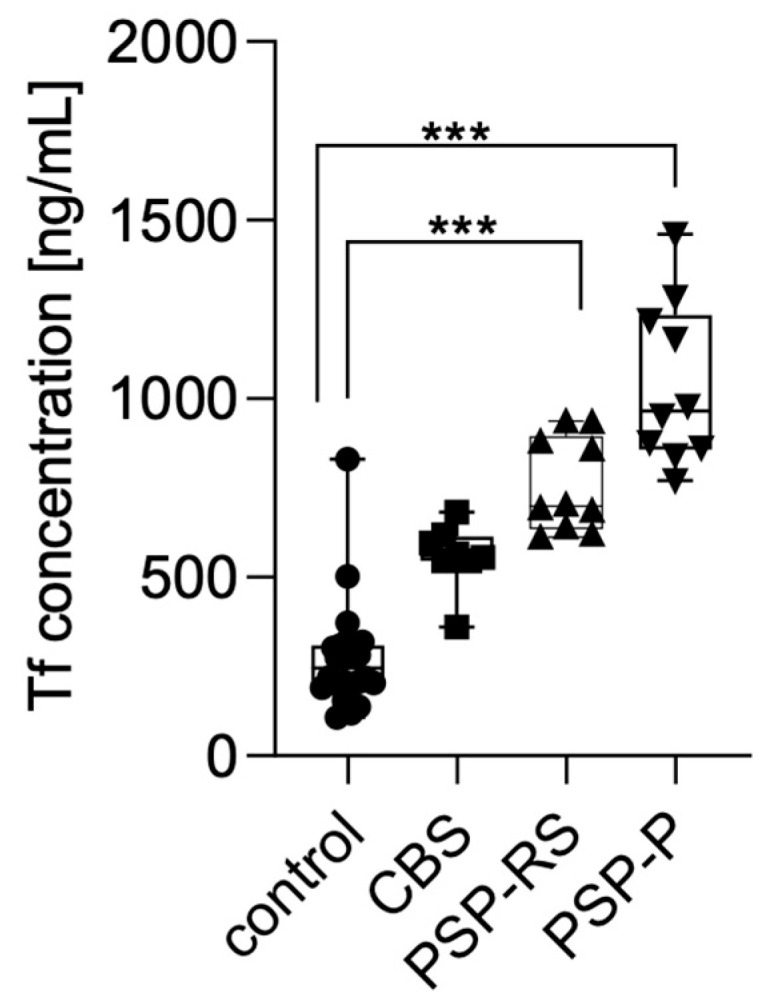 Figure 1
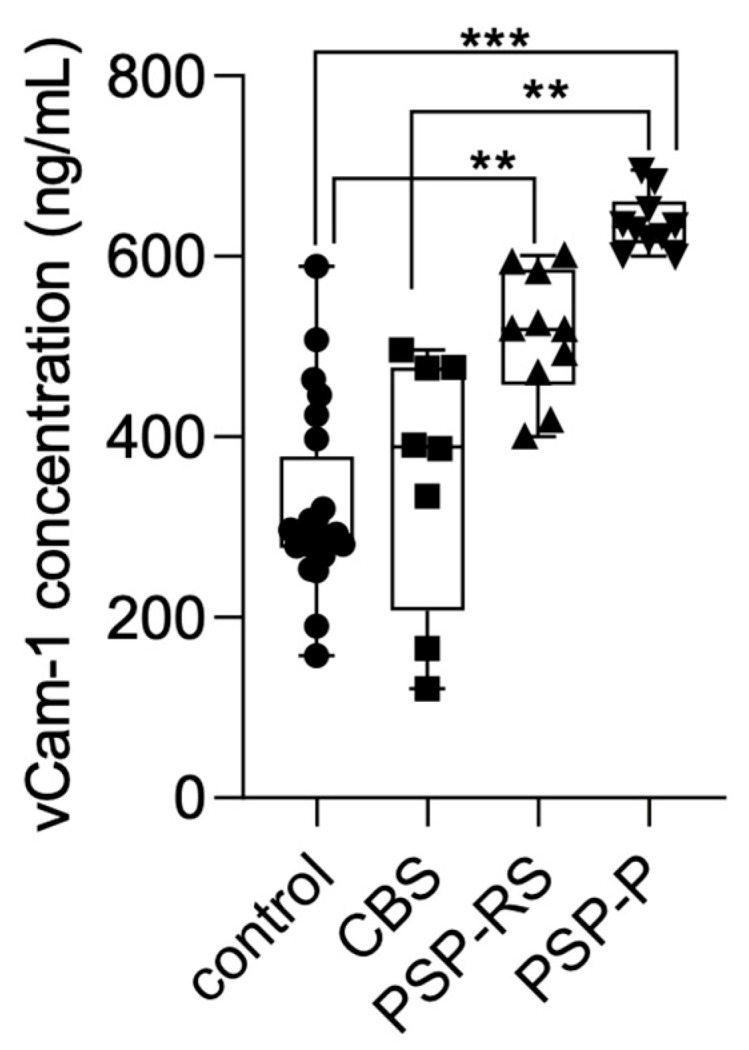 Figure 2
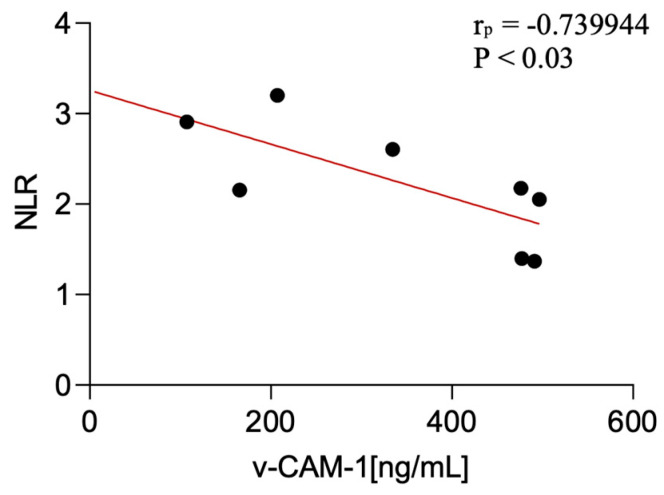 Figure 3
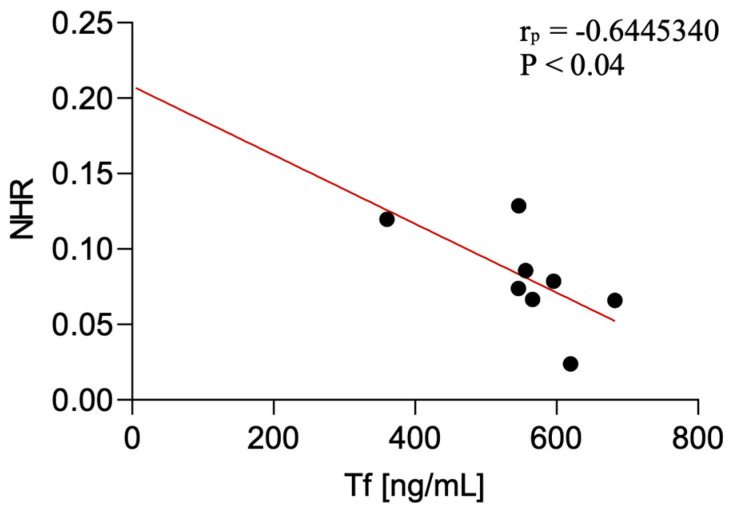 Figure 4
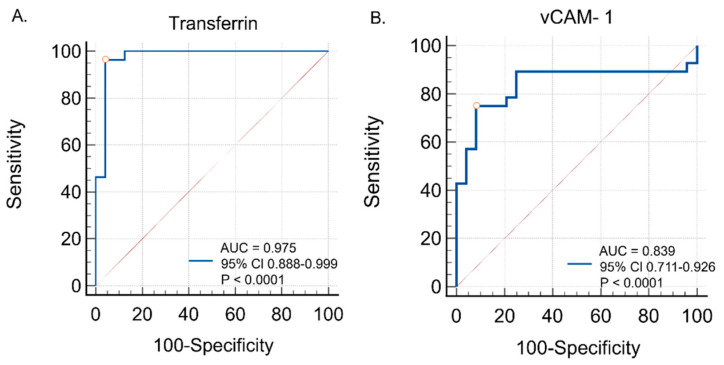 Figure 5
Peer Reviews
No public reviews on file for this paper yet. If you reviewed it on a platform where reviews are public (OpenReview, ICLR, NeurIPS, ICML), you can paste yours below so the community can read it here.
Videos
No videos yet. Explain this paper in a talk, walkthrough, or lecture? Add one.
Taxonomy
TopicsParkinson's Disease Mechanisms and Treatments · Alzheimer's disease research and treatments · Neurological disorders and treatments