Dual-Modified A- and B-Type Wheat Starch–PCL Composite Films: Antibacterial and HACCP-Oriented Biodegradable Packaging from Kazakhstani Resources
Gulnazym Ospankulova, Saule Saduakhasova, Svetlana Kamanova, Dana Toimbayeva, Indira Temirova, Zhainagul Kakimova, Yernaz Yermekov, Berdibek Bulashev, Tultabayeva Tamara, Marat Muratkhan

TL;DR
Researchers developed biodegradable packaging from Kazakhstani wheat starch and PCL, finding that different starch types affect mechanical and composting properties.
Contribution
The study introduces dual-modified A- and B-type wheat starch–PCL composites with tailored antibacterial and composting properties.
Findings
A-type starch composites showed better mechanical strength and smoother surfaces.
B-type starch composites degraded faster in compost and had higher water vapor permeability.
A-type starch films exhibited stronger antibacterial activity against E. coli and S. aureus.
Abstract
Biodegradable packaging based on starch–polycaprolactone (PCL) composites is a promising route to reduce reliance on petroleum-derived plastics. Here, wheat starches with A- and B-type crystallinity—sourced from Kazakhstani varieties—were dual-modified by electron-beam irradiation followed by acetylation and incorporated into PCL (30–50 wt%) via melt extrusion and compression molding. The resulting films were characterized for morphology, mechanical performance, water-vapor permeability (WVP), thermal behavior, antibacterial activity, and biodegradation under soil and composting conditions. Acetylated A-type starch dispersed more uniformly within the PCL matrix, yielding smoother surfaces, higher tensile strength, and moderate WVP. In contrast, B-type starch produced a more porous microstructure with increased WVP and accelerated mass loss during composting (up to ~45% within 10 days at…
Genes, proteins, chemicals, diseases, species, mutations and cell lines named across the full text — each resolved to its canonical identifier and authoritative record.
Click any figure to enlarge with its caption.
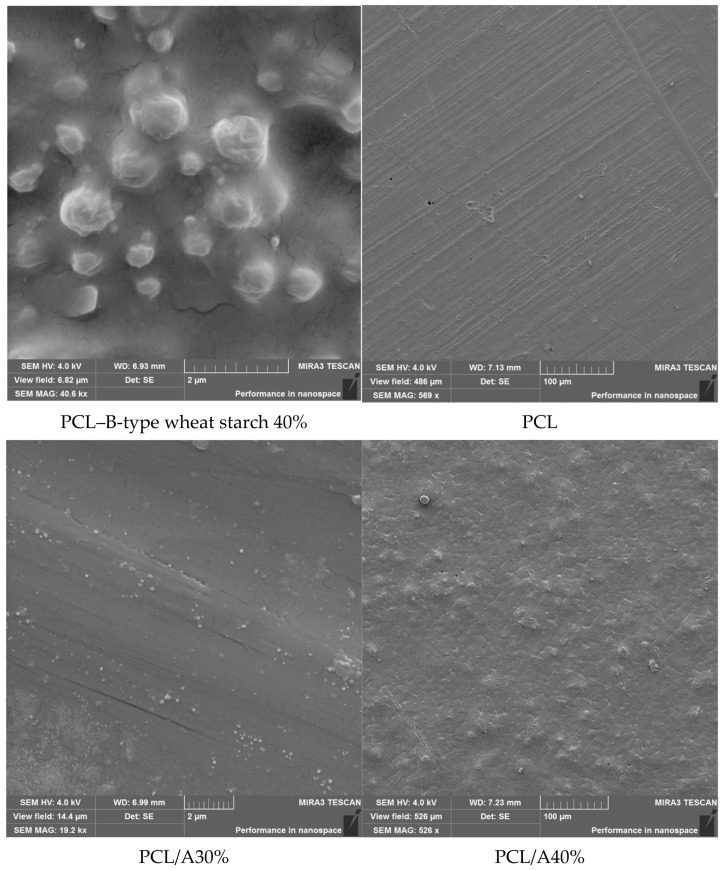 Figure 1
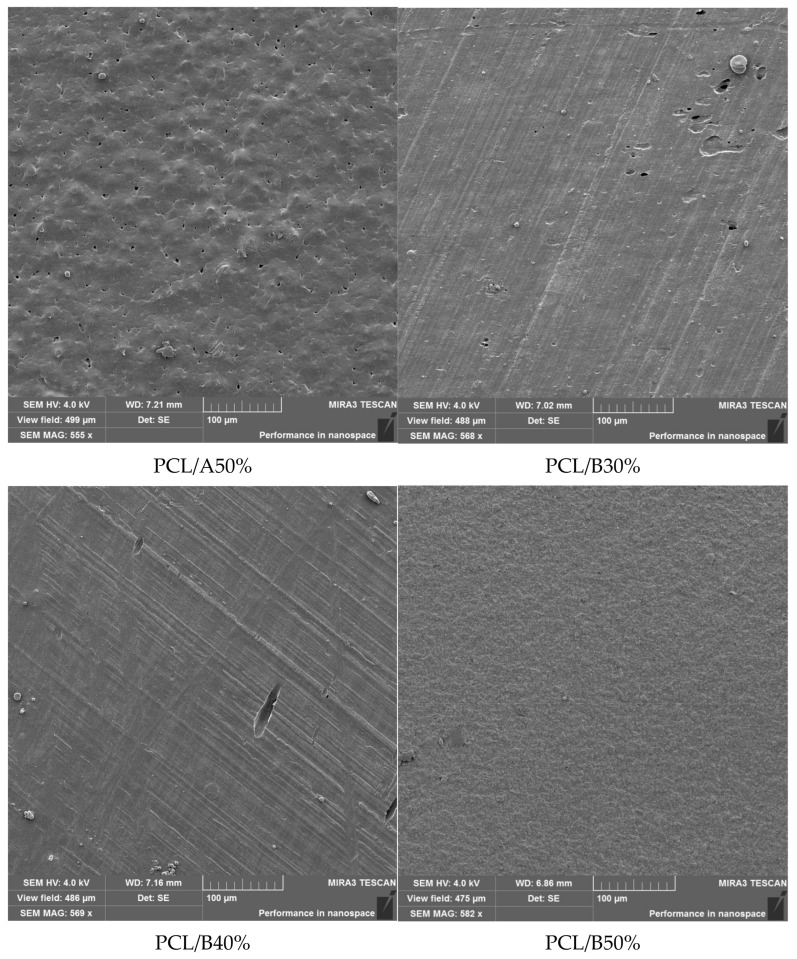 Figure 2
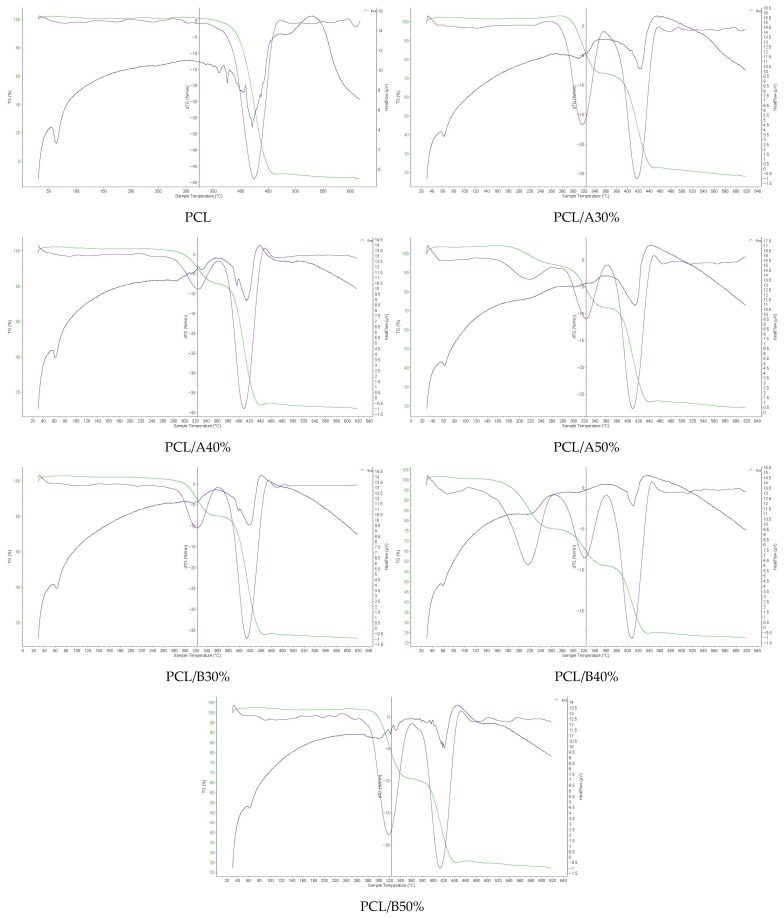 Figure 3
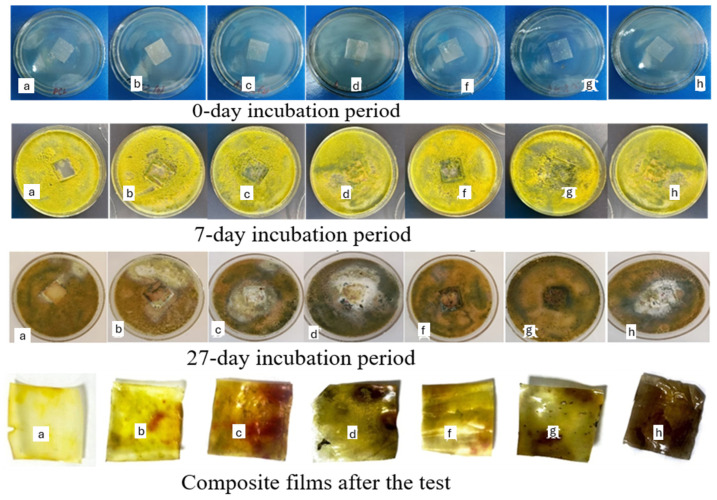 Figure 4
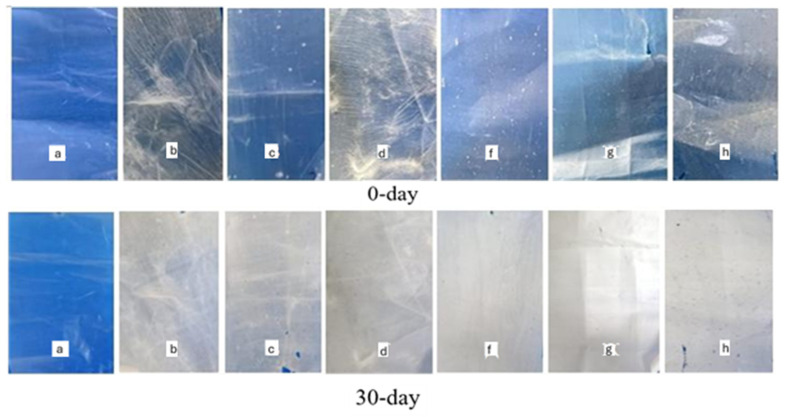 Figure 5
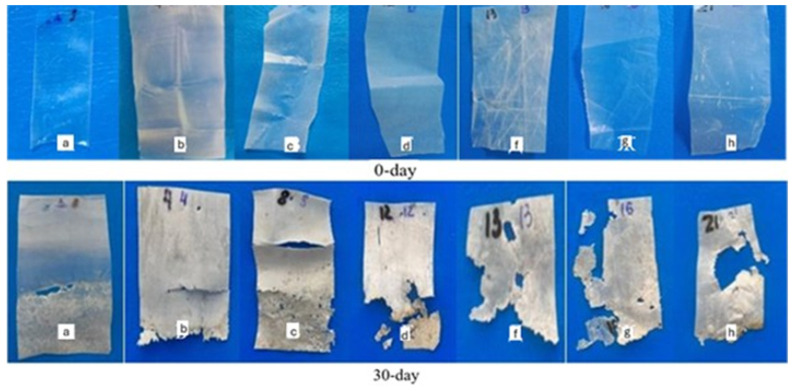 Figure 6
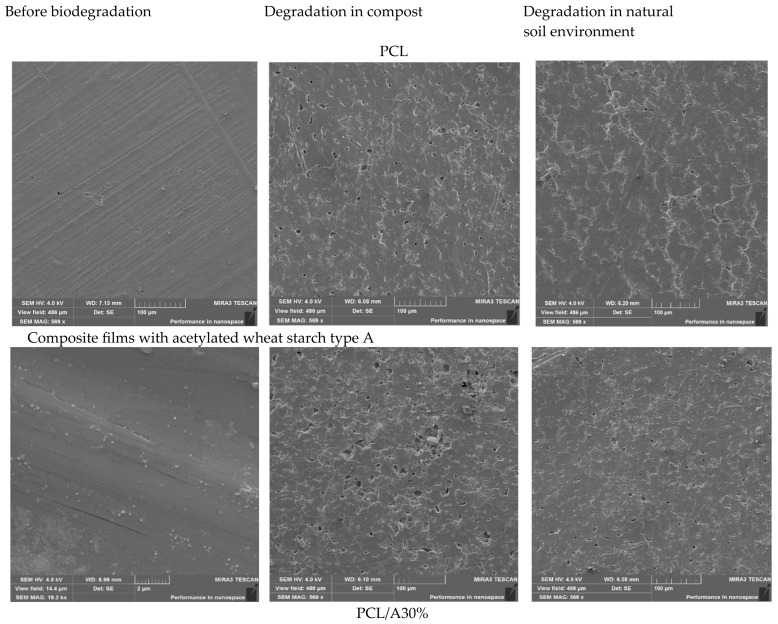 Figure 7
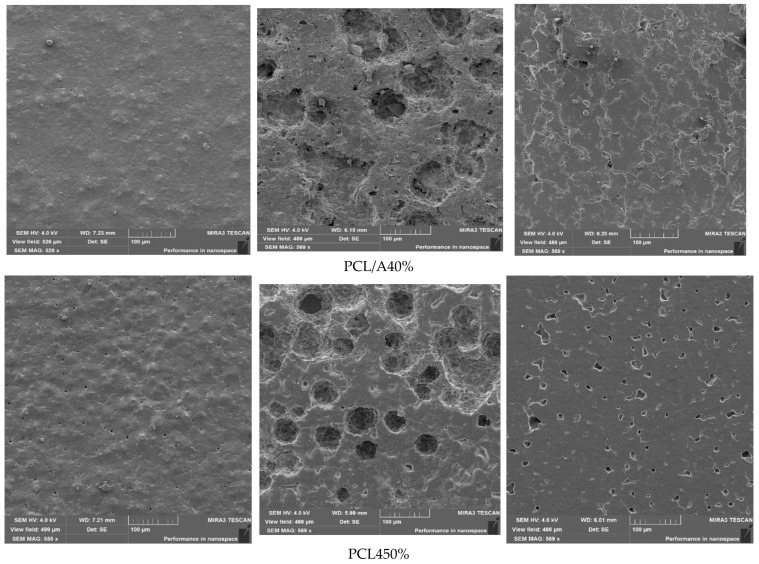 Figure 8
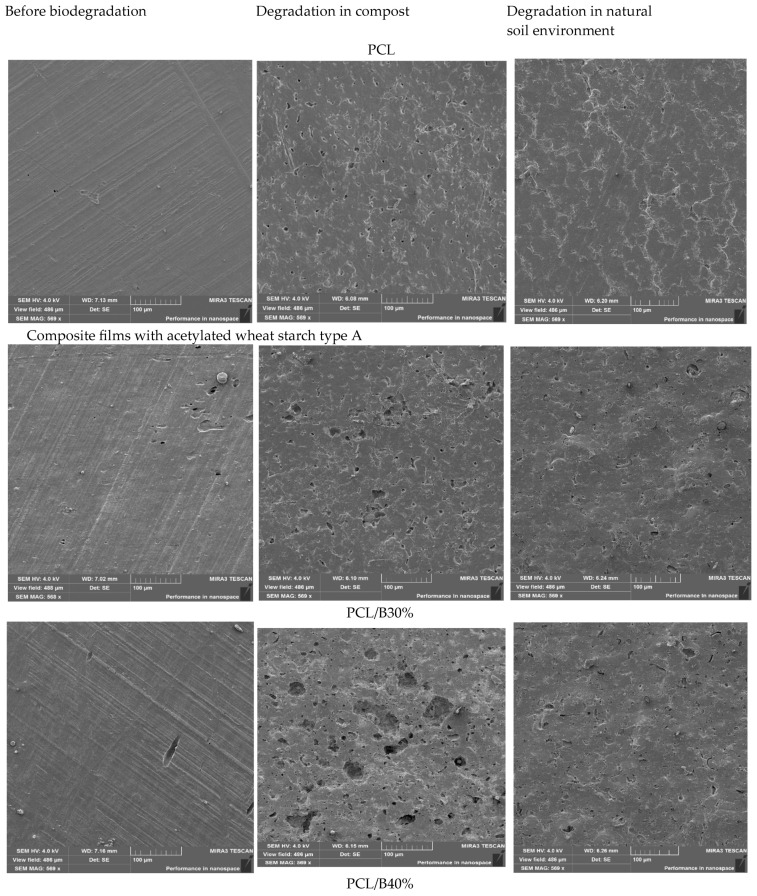 Figure 9
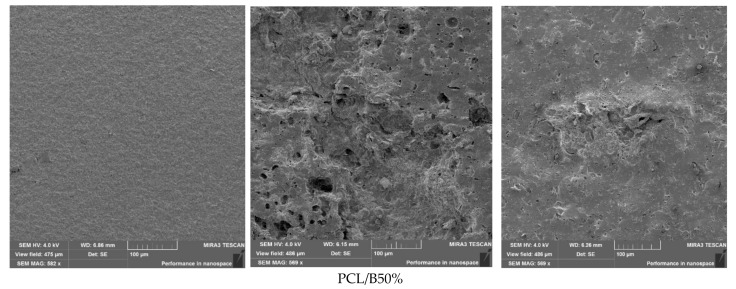 Figure 10
Peer Reviews
No public reviews on file for this paper yet. If you reviewed it on a platform where reviews are public (OpenReview, ICLR, NeurIPS, ICML), you can paste yours below so the community can read it here.
Videos
No videos yet. Explain this paper in a talk, walkthrough, or lecture? Add one.
Taxonomy
TopicsNanocomposite Films for Food Packaging · biodegradable polymer synthesis and properties · Advanced Cellulose Research Studies