Predicting Blood Pressure and Blood Pressure Variability in Spontaneous Intracerebral Hemorrhage in the Emergency Department Using Machine Learning
Emmeline Leggett, Abigail Kim, Shriya Jaddu, Priya Patel, Nahom Y. Seyoum, Manahel Zahid, Angie Chan, Hassan Syed, Milana Shapsay, David Dreizin, Joshua Olexa, Jennifer A. Walker, Stephanie Cardona, Quincy K. Tran

TL;DR
This study uses machine learning to identify factors that predict blood pressure and blood pressure variability in patients with spontaneous intracerebral hemorrhage in emergency departments.
Contribution
The study introduces machine learning to predict blood pressure outcomes and variability in sICH patients, highlighting initial blood pressure as a key factor.
Findings
Initial systolic blood pressure at ED triage was the top predictor of achieving a target SBP ≤160 mmHg at discharge.
Predictors of increased blood pressure variability included mechanical ventilation, elevated serum glucose, and high initial SBP.
142 patients were evaluated, with 60% discharged at or below the target SBP.
Abstract
Introduction: Spontaneous intracerebral hemorrhage (sICH) is a devastating type of stroke. Blood pressure reduction is crucial in its management and is well mentioned in current guidelines; however, the role of blood pressure variability (BPV) in emergency departments (EDs) has not been well studied. This study aimed to identify predictors of lower systolic blood pressure (SBP) (≤160 mmHg) and BPV at ED discharge and course, respectively. Methods: This is a retrospective study of prospectively collected data at a quaternary care center of adult patients diagnosed and treated with sICH between 1 January 2017 and 31 December 2020. The primary outcome of interest was SBP at ED discharge; this was divided into two groups: a control group composed of patients discharged with an SBP ≤ 160 mmHg and a comparison group composed of patients discharged with an SBP > 160 mmHg. Secondary outcomes…
Genes, proteins, chemicals, diseases, species, mutations and cell lines named across the full text — each resolved to its canonical identifier and authoritative record.
Click any figure to enlarge with its caption.
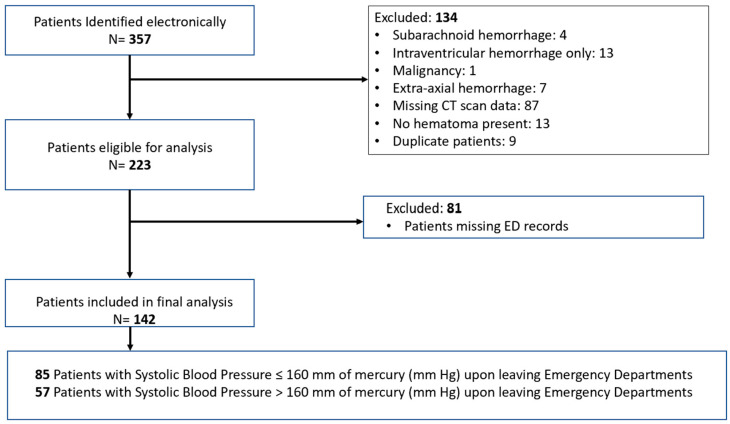 Figure 1
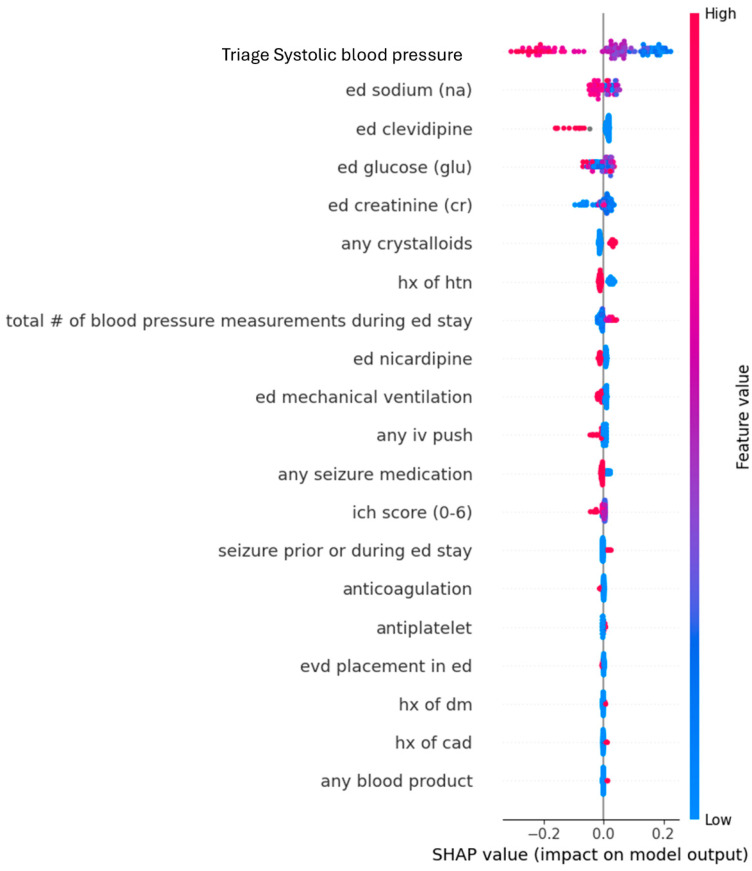 Figure 2
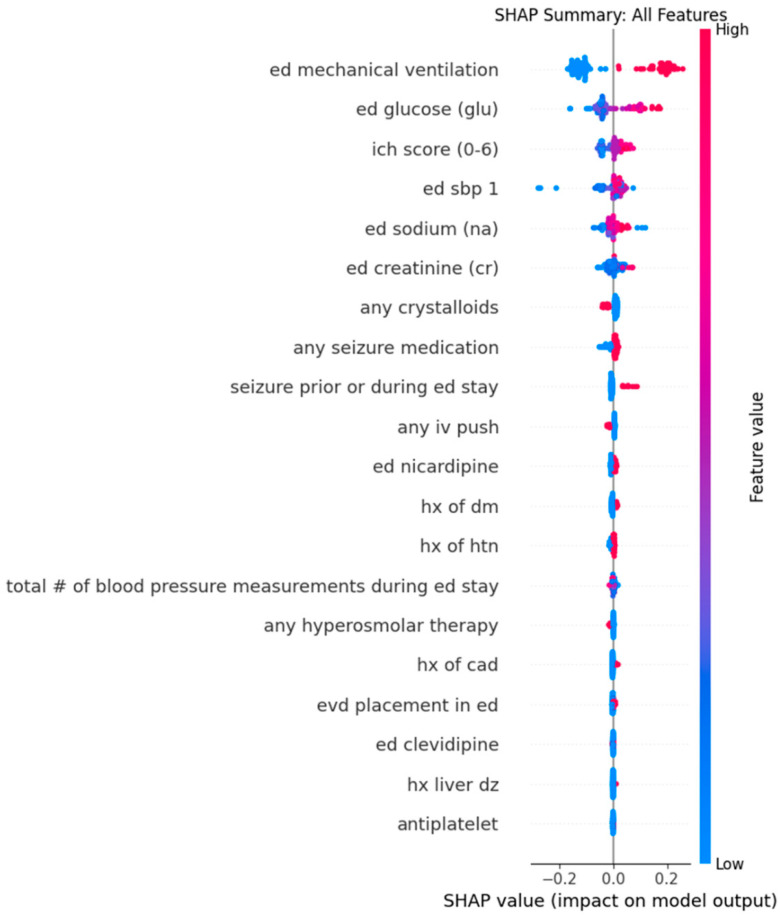 Figure 3
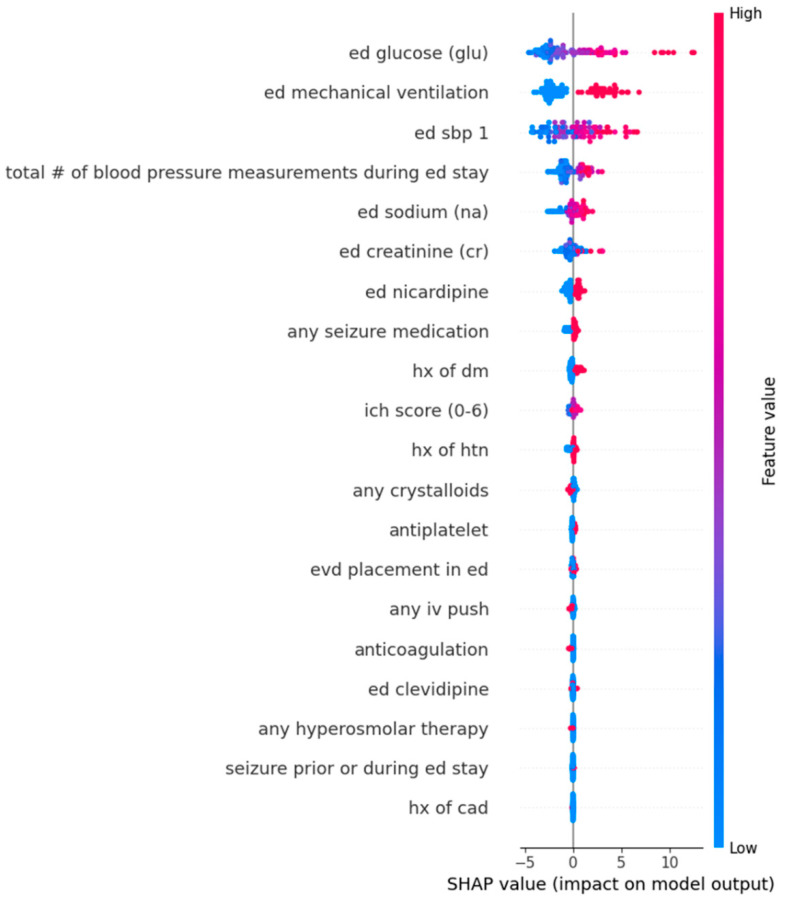 Figure 4
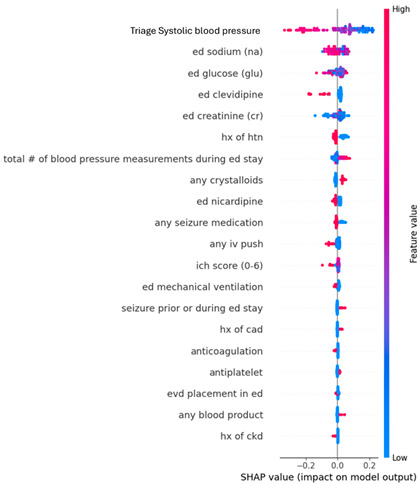 Figure 5
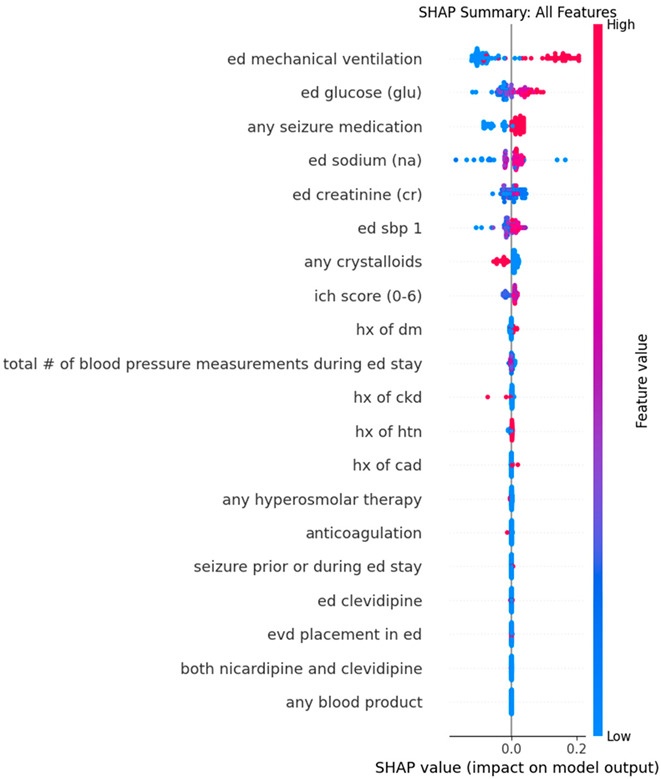 Figure 6
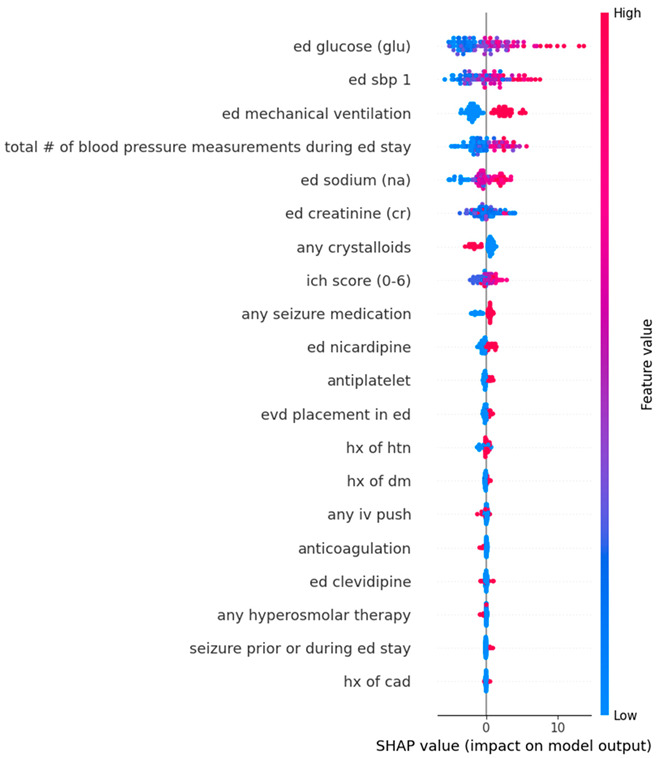 Figure 7
Peer Reviews
No public reviews on file for this paper yet. If you reviewed it on a platform where reviews are public (OpenReview, ICLR, NeurIPS, ICML), you can paste yours below so the community can read it here.
Videos
No videos yet. Explain this paper in a talk, walkthrough, or lecture? Add one.
Taxonomy
TopicsIntracerebral and Subarachnoid Hemorrhage Research · Acute Ischemic Stroke Management · Traumatic Brain Injury and Neurovascular Disturbances