Unveiling the Role of the Lewis Acids in the Acceleration of Alder-Ene Reactions: A Molecular Electron Density Theory Study
Luis R. Domingo, Patricia Pérez

TL;DR
This study explores how Lewis acids influence Alder-ene reactions using electron density theory, revealing how they lower activation energy and change reaction mechanisms.
Contribution
The study introduces a new understanding of how Lewis acids modify Alder-ene reaction mechanisms through electronic effects.
Findings
Lewis acids increase the electrophilic character of formaldehyde without altering its electronic structure.
Lewis acids change the reaction mechanism from a non-concerted one-step to a two-step process.
Topological analysis shows hydrogen departure lags behind C-C bond formation at transition states.
Abstract
The electronic effects of Lewis acids (LAs) in reducing the activation energies of Alder-ene (AE) reactions have been studied within the Molecular Electron Density Theory (MEDT). To this end, the AE reactions of 2-methylbutadiene (2MBD) with formaldehyde (CHO) in the presence of three LAs with increasing acidic character, BH3, BF3, and AlCl3, have been studied. Topological analysis of the electron density and the evaluation of the DFT-based reactivity indices indicate that LAs do not modify the electronic structure of the carbonyl group but markedly increase the electrophilic character of CHO. LAs not only strongly accelerate the AE reactions, but also modify the molecular mechanisms, changing them from a non-concerted two-stage one-step mechanism to a two-step one. Topological analyses of the electron density at the transition state structures (TSs) indicate that while the formation of…
Genes, proteins, chemicals, diseases, species, mutations and cell lines named across the full text — each resolved to its canonical identifier and authoritative record.
Click any figure to enlarge with its caption.
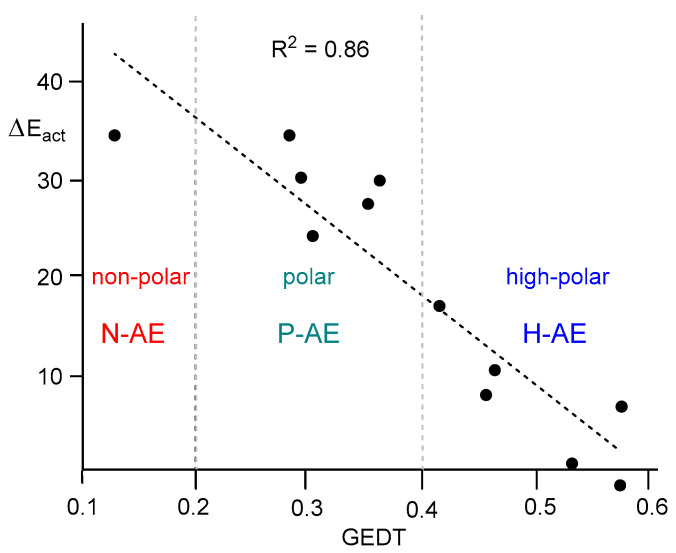 Figure 1
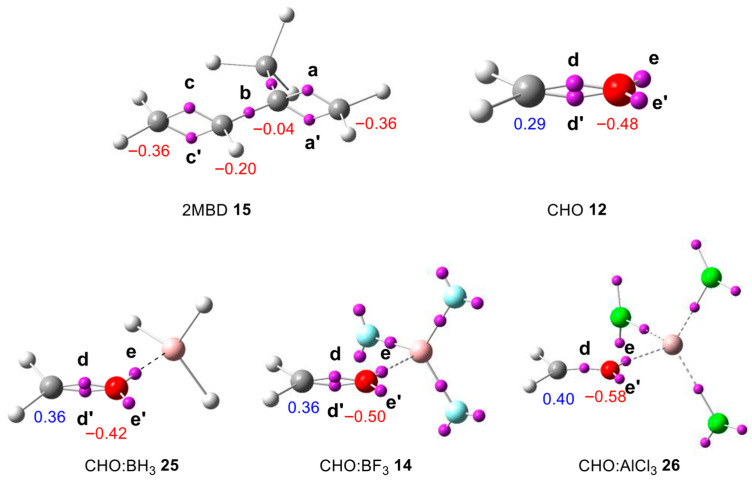 Figure 2
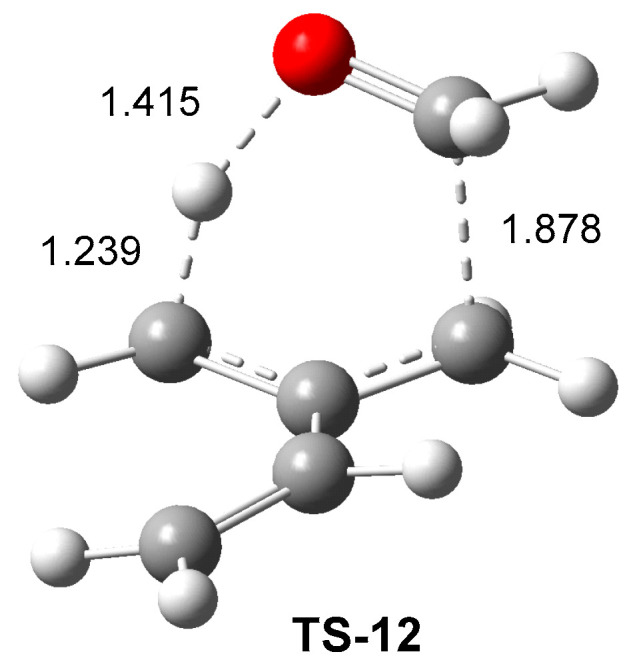 Figure 3
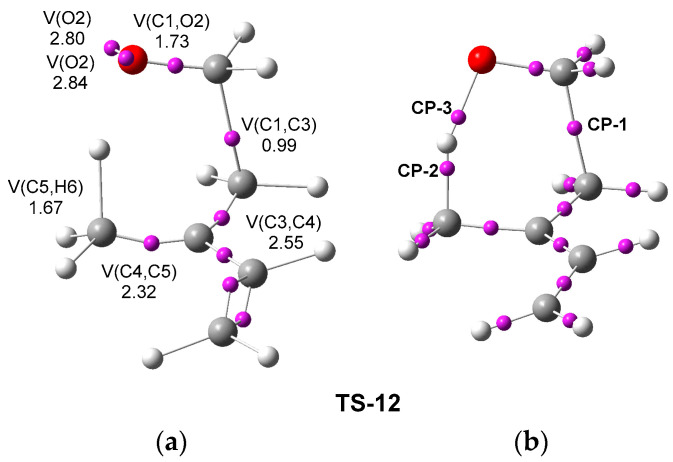 Figure 4
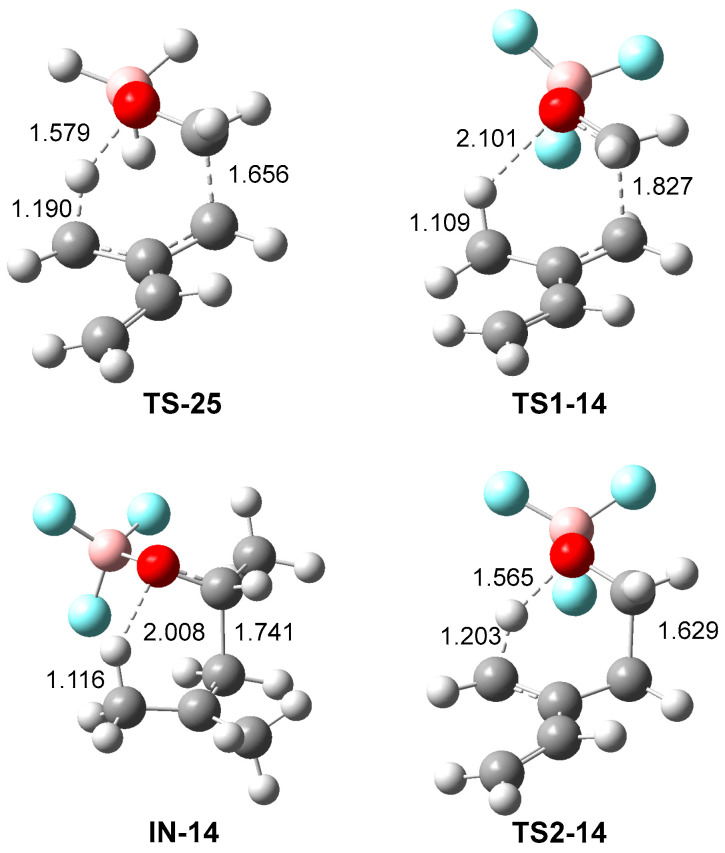 Figure 5
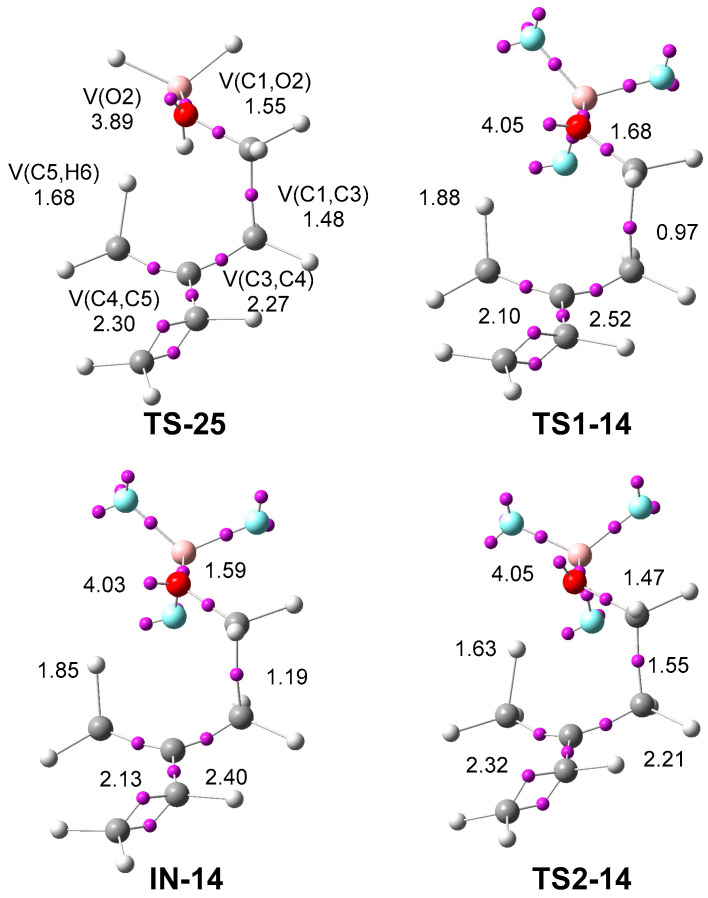 Figure 6
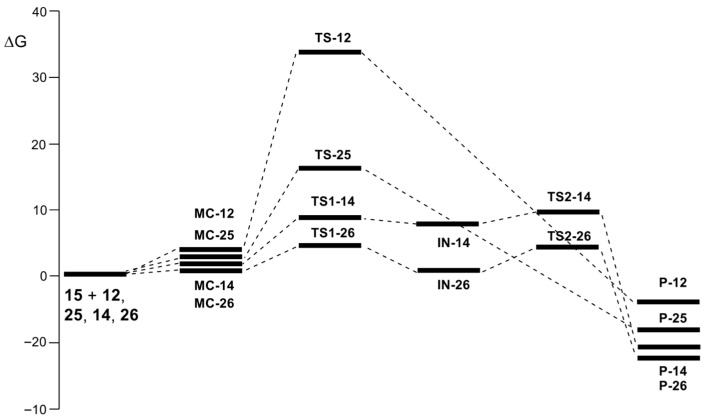 Figure 7
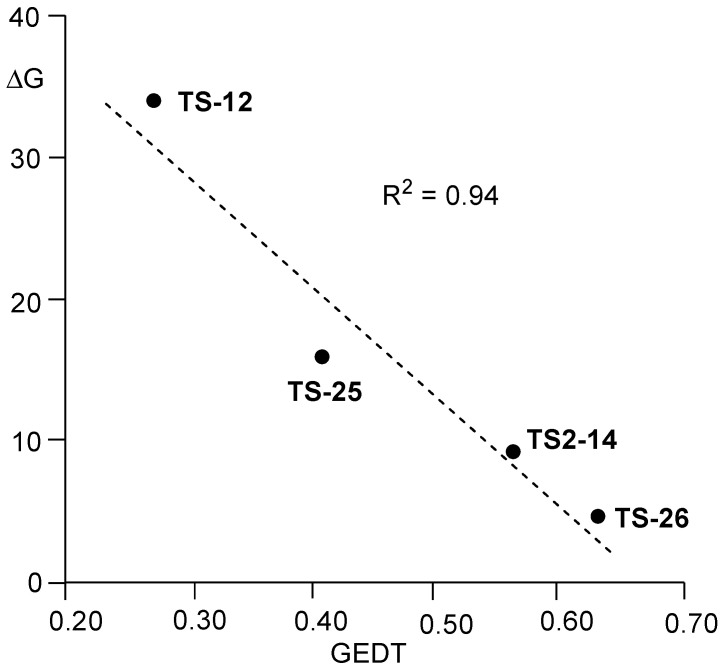 Figure 8
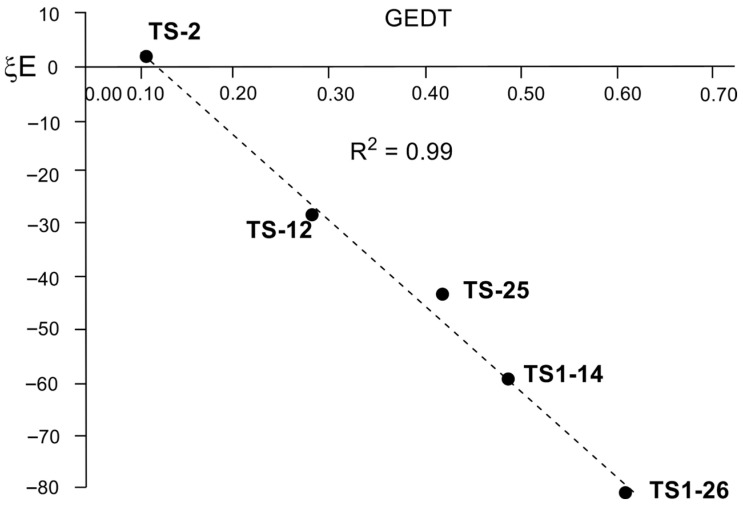 Figure 9
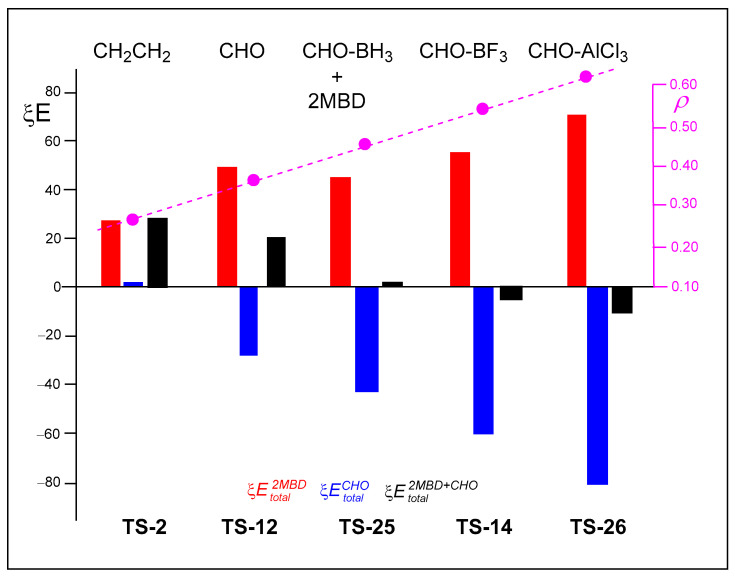 Figure 10
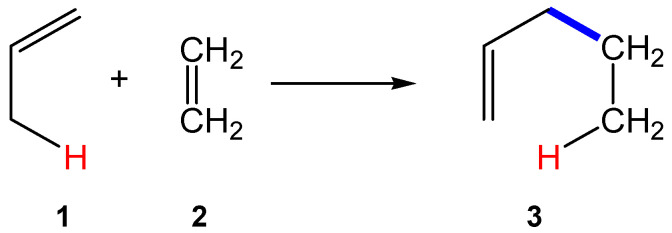 Figure 11
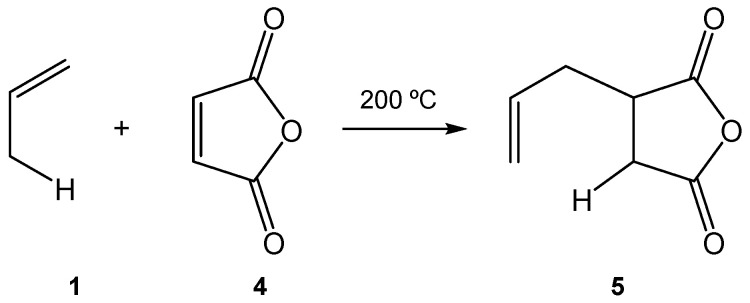 Figure 12
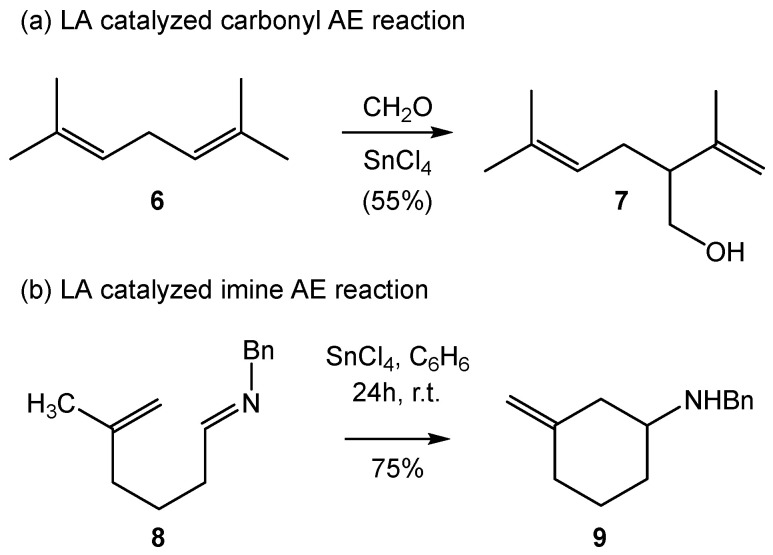 Figure 13
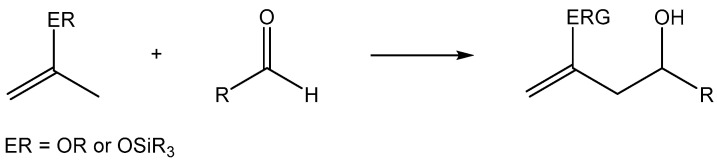 Figure 14
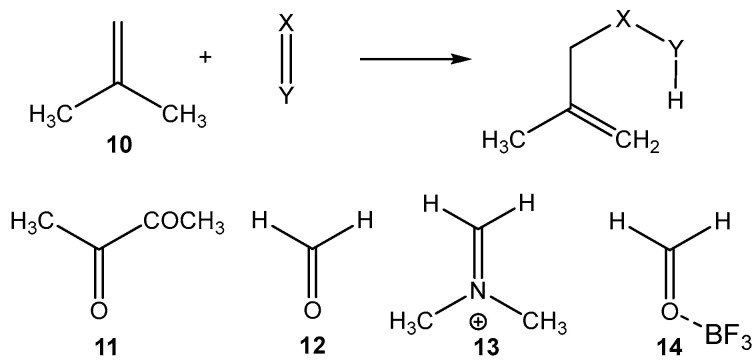 Figure 15
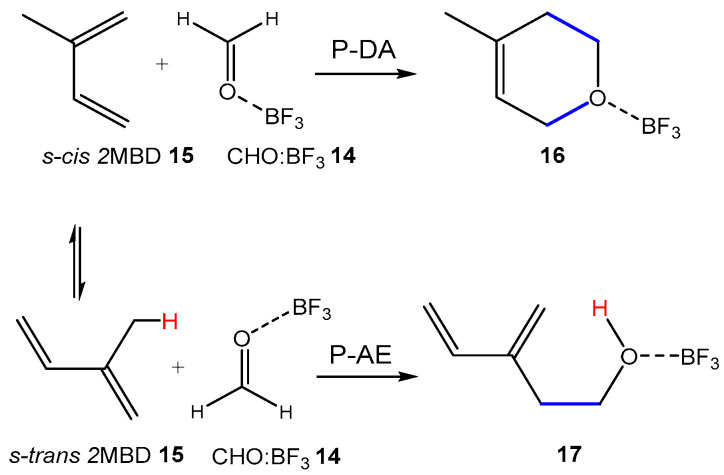 Figure 16
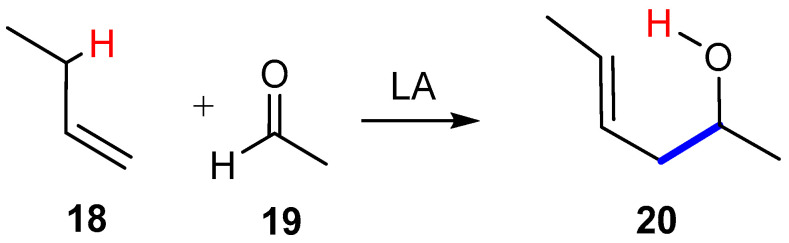 Figure 17
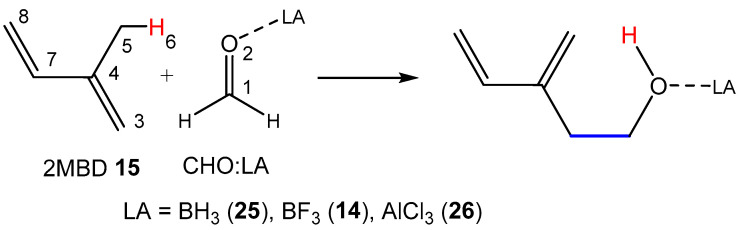 Figure 18
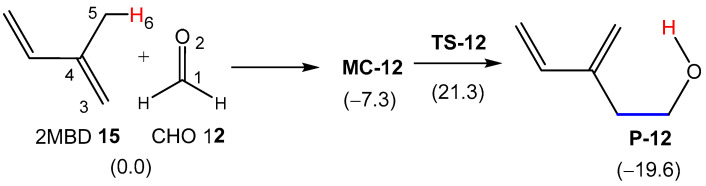 Figure 19
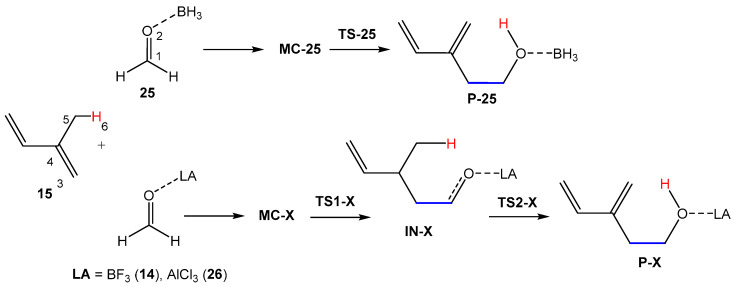 Figure 20
Peer Reviews
No public reviews on file for this paper yet. If you reviewed it on a platform where reviews are public (OpenReview, ICLR, NeurIPS, ICML), you can paste yours below so the community can read it here.
Videos
No videos yet. Explain this paper in a talk, walkthrough, or lecture? Add one.
Taxonomy
TopicsOrganic Chemistry Cycloaddition Reactions · Advanced Chemical Physics Studies · Free Radicals and Antioxidants