Drowsiness Classification in Young Drivers Based on Facial Near-Infrared Images Using a Convolutional Neural Network: A Pilot Study
Ayaka Nomura, Atsushi Yoshida, Takumi Torii, Kent Nagumo, Kosuke Oiwa, Akio Nozawa

TL;DR
This pilot study explores using near-infrared facial images and a neural network to detect drowsiness in young drivers with high accuracy.
Contribution
The study introduces a novel approach using 940 nm near-infrared imaging and CNNs for drowsiness classification in young drivers.
Findings
Binary classification of drowsiness using 940 nm NIR images achieved approximately 90% accuracy.
Grad-CAM identified the nasal dorsum as a key region for drowsiness detection, aligning with physiological indicators.
Abstract
Drowsy driving is a major cause of traffic accidents worldwide, and its early detection remains essential for road safety. Conventional driver monitoring systems (DMS) primarily rely on behavioral indicators such as eye closure, gaze, or head pose, which typically appear only after a significant decline in alertness. This study explores the potential of facial near-infrared (NIR) imaging as a hypothetical physiological indicator of drowsiness. Because NIR light penetrates more deeply into biological tissue than visible light, it may capture subtle variations in blood flow and oxygenation near superficial vessels. Based on this hypothesis, we conducted a pilot feasibility study involving young adult participants to investigate whether drowsiness levels could be estimated from single-frame NIR facial images acquired at 940 nm—a wavelength already used in commercial DMS and suitable for…
Genes, proteins, chemicals, diseases, species, mutations and cell lines named across the full text — each resolved to its canonical identifier and authoritative record.
Click any figure to enlarge with its caption.
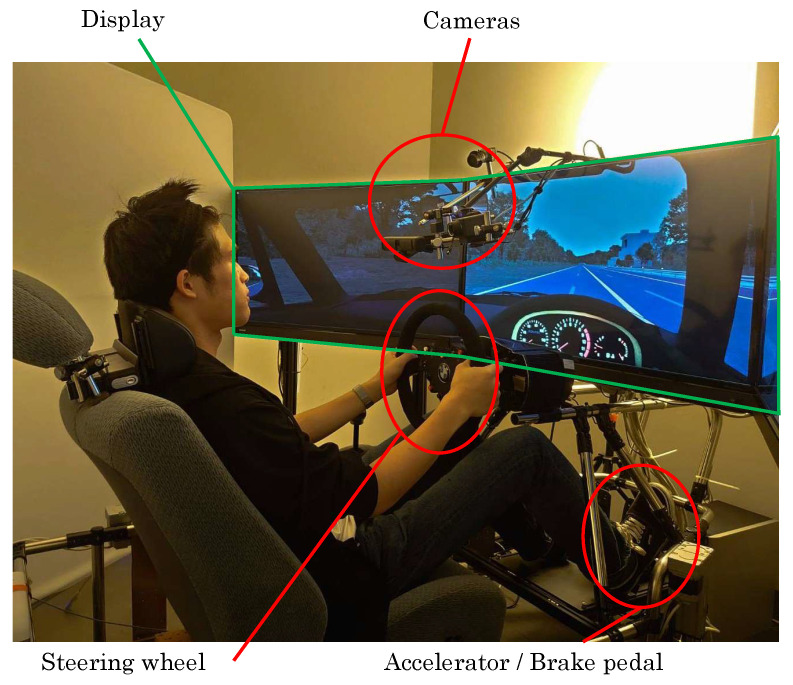 Figure 1
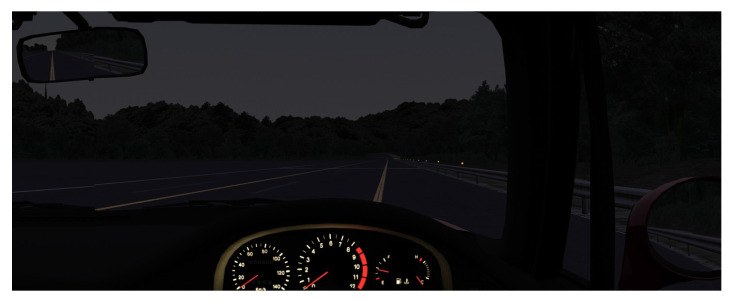 Figure 2
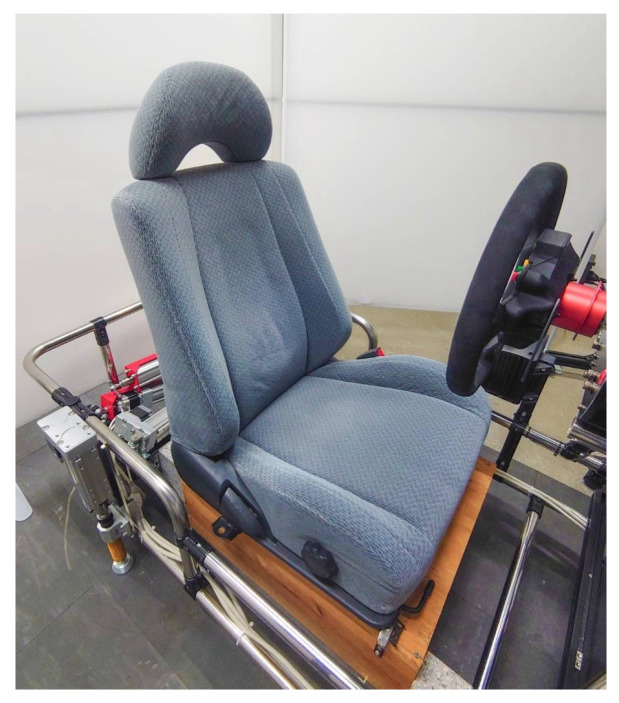 Figure 3
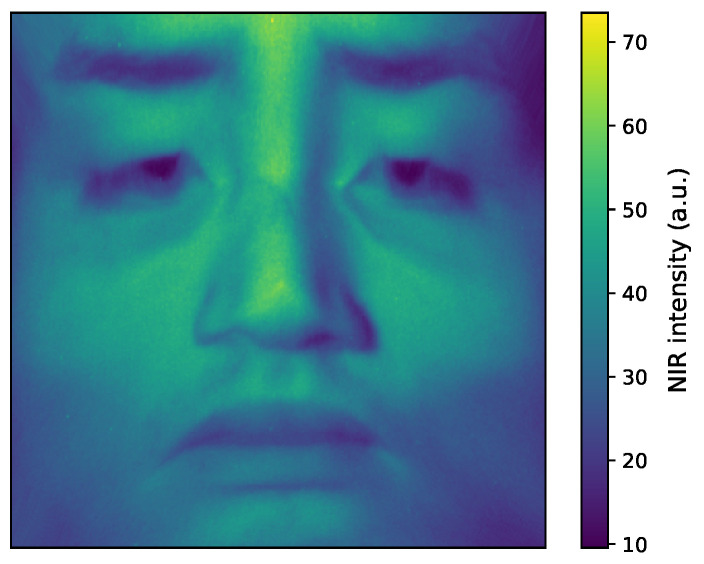 Figure 4
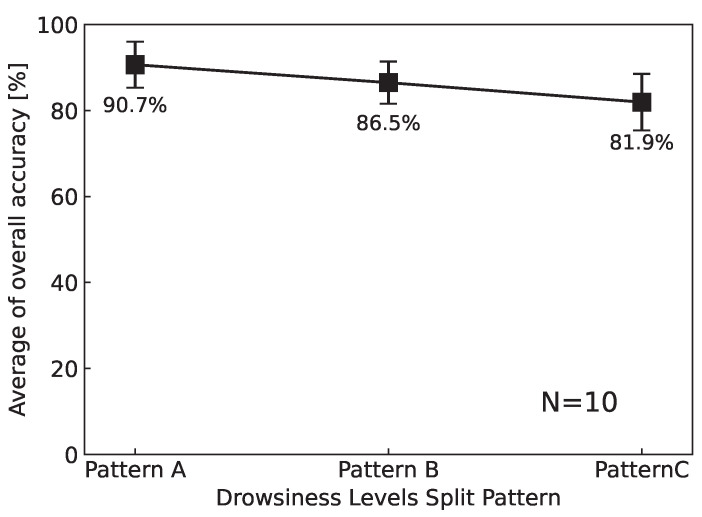 Figure 5
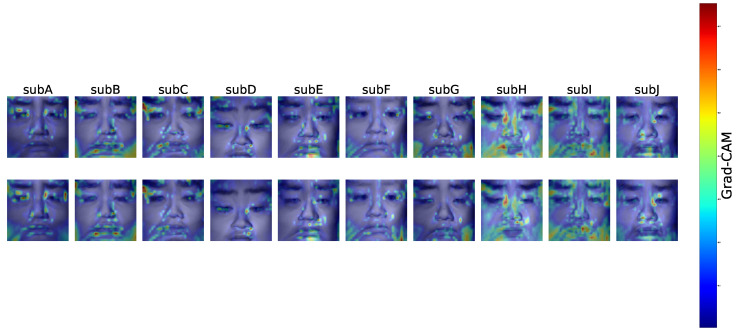 Figure 6
Peer Reviews
No public reviews on file for this paper yet. If you reviewed it on a platform where reviews are public (OpenReview, ICLR, NeurIPS, ICML), you can paste yours below so the community can read it here.
Videos
No videos yet. Explain this paper in a talk, walkthrough, or lecture? Add one.
Taxonomy
TopicsSleep and Work-Related Fatigue · Non-Invasive Vital Sign Monitoring · Gaze Tracking and Assistive Technology