Pharmacokinetics and Pharmacodynamics of Perfluorooctane Sulfonate (PFOS) and Its Role in the Development and Progression of Prostate, Ovarian and Breast Cancers
Uche Okuu Arunsi, Daniel Chukwuebuka Ezirim, Chinonye Courage Arunsi, Ahmad Altayyar, Eke Godswill Uche, Favour Chidera Jonathan, Aluba Kalu Opieh, Ifeoma Vivian Anadi, Clinton Ositadinma Ofoegbu, Victor Chukwubuike Nwankwo, Eziuche Amadike Ugbogu, Paschal Emeka Etusim

TL;DR
This paper reviews how PFOS, a persistent chemical, may contribute to prostate, breast, and ovarian cancers by disrupting hormones and causing cellular damage.
Contribution
The paper synthesizes recent findings on PFOS's toxic mechanisms and cancer links, emphasizing the need for stricter regulations.
Findings
PFOS disrupts lipid metabolism and cellular signaling, leading to oxidative stress and mitochondrial dysfunction.
Elevated PFOS levels are associated with increased cancer risk, especially in exposed populations.
PFOS contributes to cancer progression through hormonal interference and chronic inflammation.
Abstract
Perfluorooctane sulfonate (PFOS) is a synthetic chemical found in products like firefighting foams, stain-resistant fabrics, and food packaging. Due to its extreme stability, PFOS persists in the environment and accumulates in living organisms, including humans. PFOS can enter the ecosystems and human bodies, where it has been linked to hormone disruption, DNA damage, and immune and metabolic disturbances. Most concerning is PFOS’s potential to cause cancers of the prostate, breast, and ovary. This review highlights the need for urgent global measures to limit PFOS exposure and safeguard public health. Environmental pollution, driven by industrialization, urbanization, and agricultural practices, has intensified global ecological degradation. Among the most concerning pollutants is PFOS, a synthetic compound known for its chemical stability, environmental persistence, and…
Genes, proteins, chemicals, diseases, species, mutations and cell lines named across the full text — each resolved to its canonical identifier and authoritative record.
Click any figure to enlarge with its caption.
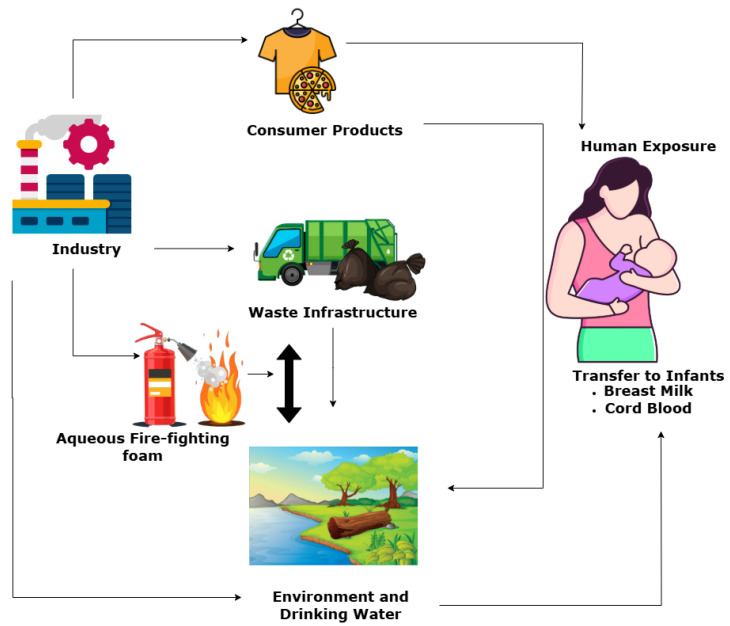 Figure 1
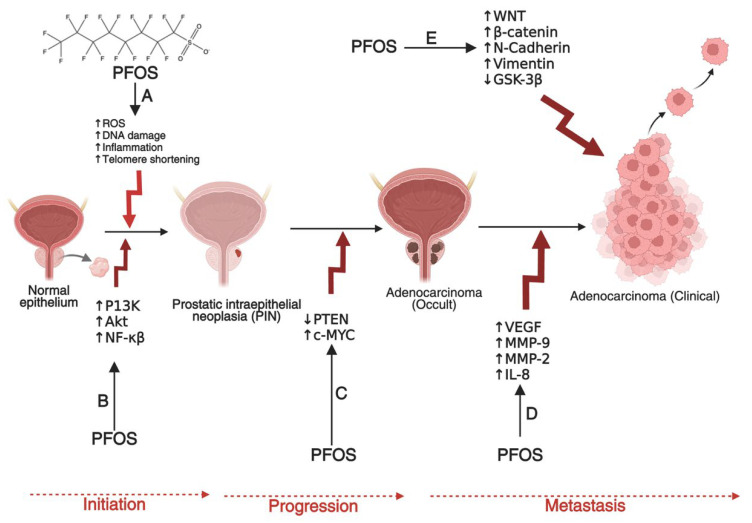 Figure 2
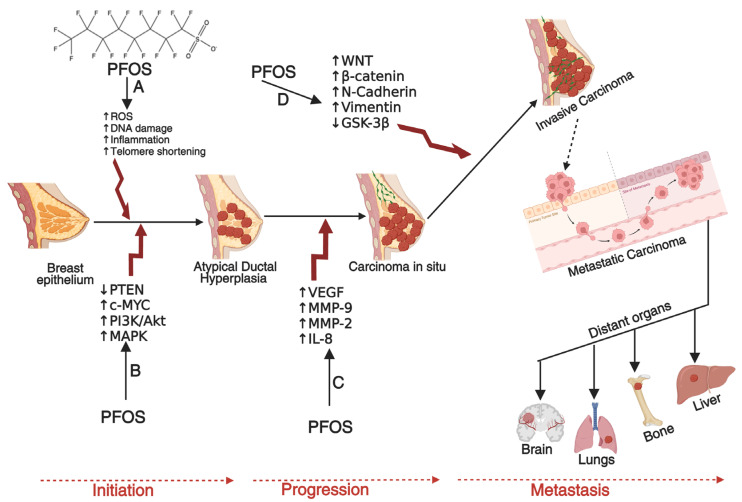 Figure 3
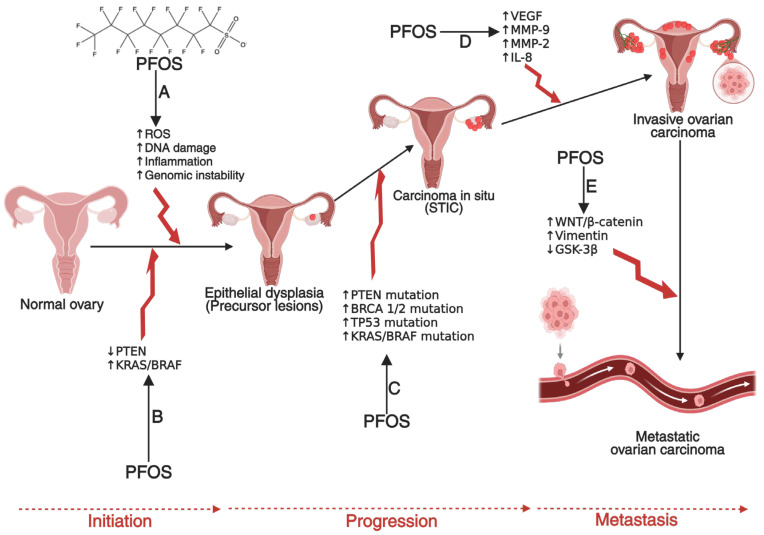 Figure 4
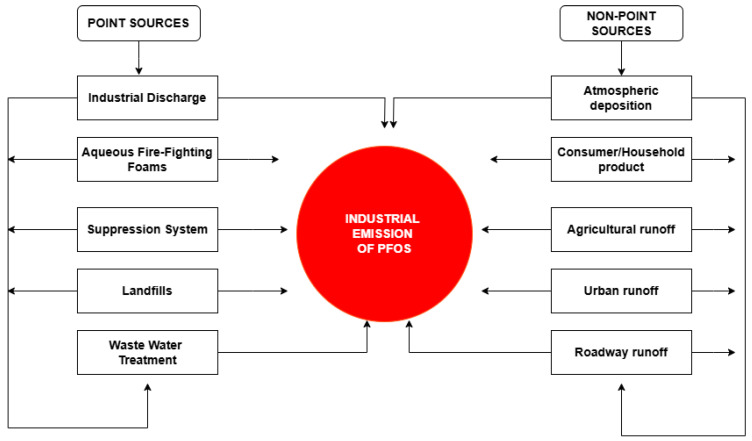 Figure 5
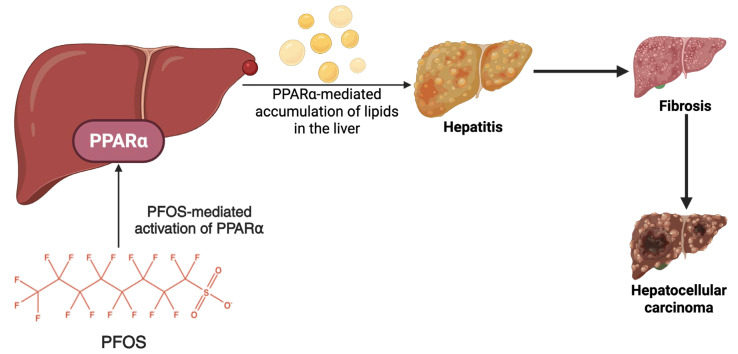 Figure 6
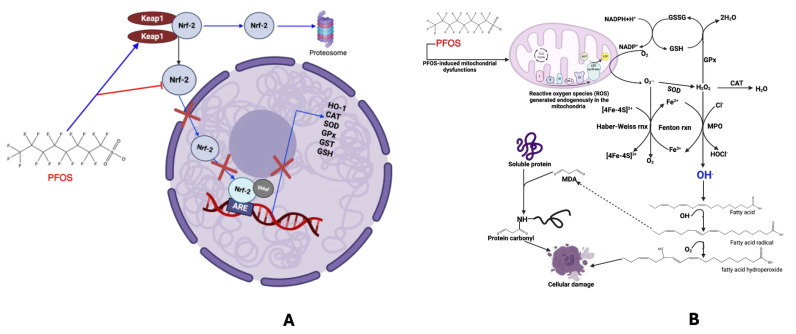 Figure 7
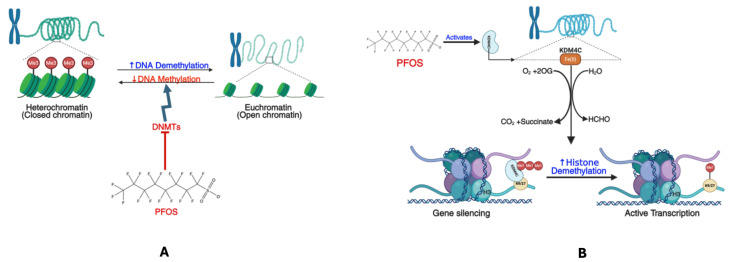 Figure 8
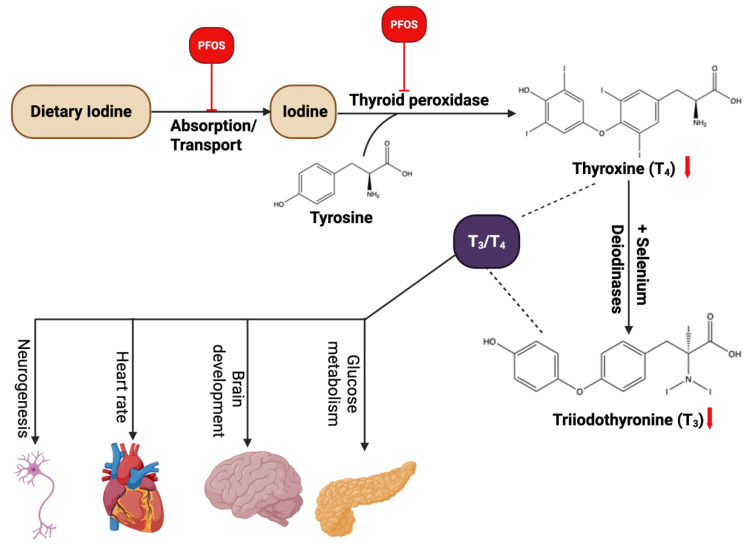 Figure 9
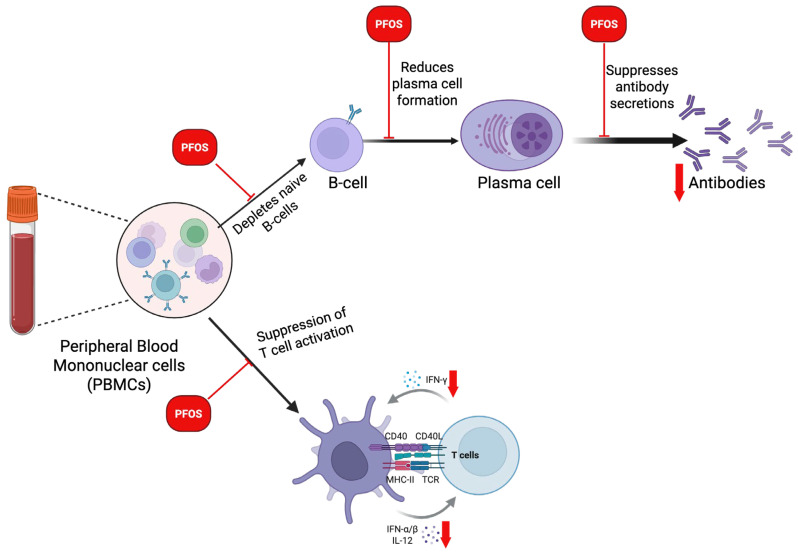 Figure 10
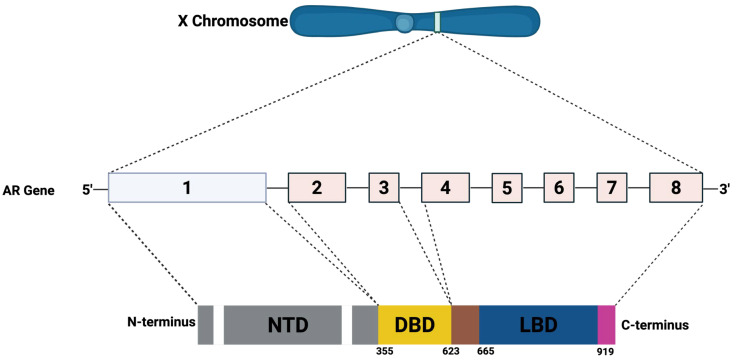 Figure 11
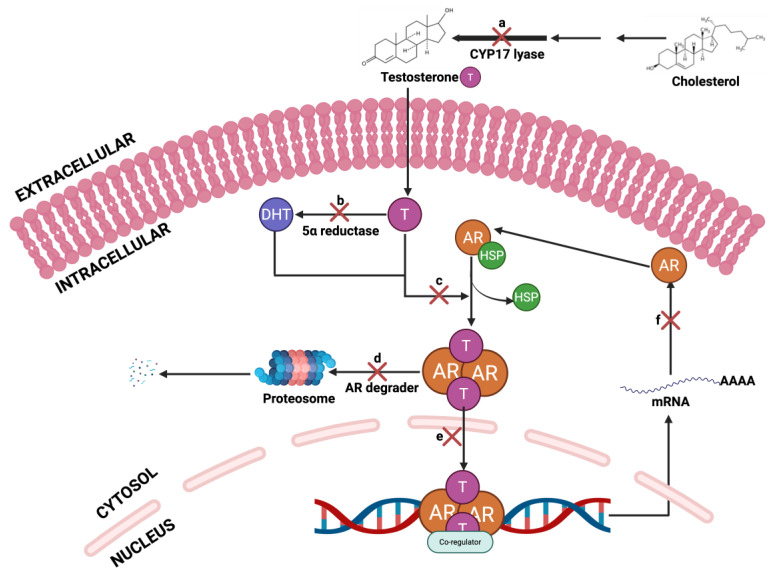 Figure 12
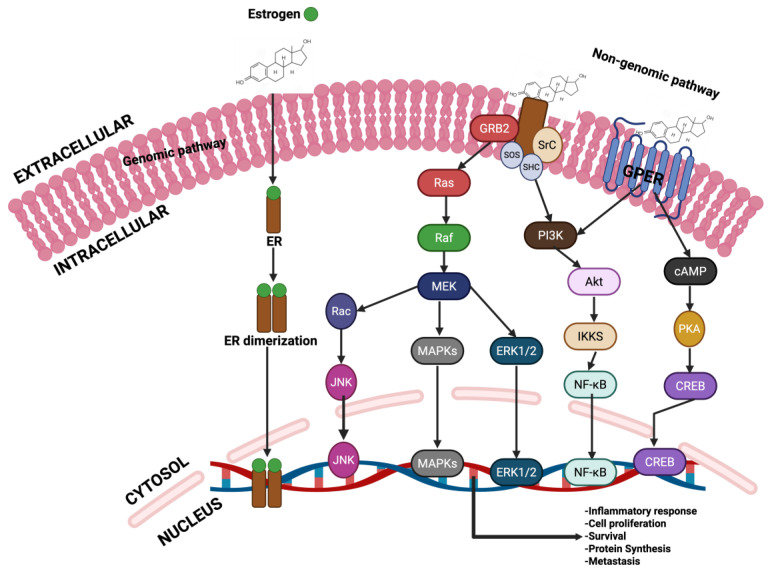 Figure 13
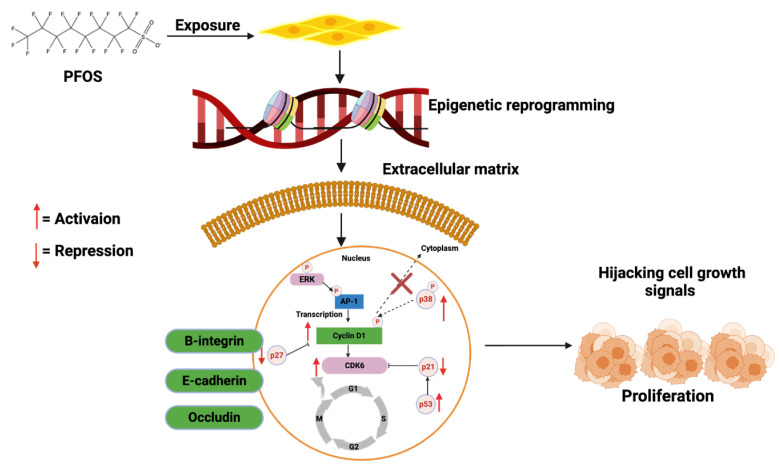 Figure 14
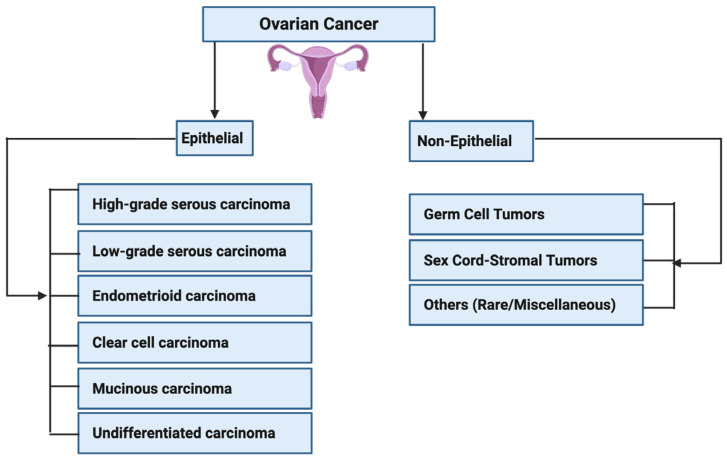 Figure 15
Peer Reviews
No public reviews on file for this paper yet. If you reviewed it on a platform where reviews are public (OpenReview, ICLR, NeurIPS, ICML), you can paste yours below so the community can read it here.
Videos
No videos yet. Explain this paper in a talk, walkthrough, or lecture? Add one.
Taxonomy
TopicsPer- and polyfluoroalkyl substances research · Fluoride Effects and Removal · Effects and risks of endocrine disrupting chemicals