Crosstalk Between Glycinergic and N-Methyl-D-Aspartate Receptor-Mediated Glutamatergic Transmission in Behaviours Associated with Opioid Use Disorder
Nariman Essmat, Imre Boldizsár, Yashar Chalabiani, Bence Tamás Varga, Sarah Kadhim Abbood, Judit Mária Kirchlechner-Farkas, Kornél Király, Ildikó Miklya, István Gyertyán, Tamás Tábi, Susanna Fürst, Laszlo G. Harsing, Ferenc Zádor, Mahmoud Al-Khrasani

TL;DR
This paper explores how interactions between glycine and glutamate signaling might help treat opioid addiction.
Contribution
The paper highlights glycine transporter 1 as a novel therapeutic target for opioid use disorder.
Findings
NMDAR antagonists like ketamine show potential for treating opioid addiction in preclinical studies.
Glycine transporter 1 regulates glycine levels, which modulate NMDAR and GPR158 function.
Dopaminergic and GABAergic systems are also reviewed for their roles in opioid addiction behaviors.
Abstract
The current pharmacological approach for the treatment of opioid use disorder (OUD), as a result of prescription misuse or illicit opioids, utilises opioid ligands that have either an agonist or antagonist profile. In this context, methadone and buprenorphine act as opioid agonists, whereas naltrexone functions as an opioid antagonist. To decrease the reinforcing effects of illicit opioids, higher doses of methadone and buprenorphine have been recommended, but this is associated with increased side effects. Therefore, several preclinical efforts have been carried out over the last decades to find drugs that act on receptors other than opioid receptors. A large body of preclinical evidence has shown the ability of N-methyl-D-aspartate receptor (NMDAR) antagonists like ketamine to treat opioid addiction behaviours in animals. Indeed, ketamine by itself is an addictive drug; thus, the…
Genes, proteins, chemicals, diseases, species, mutations and cell lines named across the full text — each resolved to its canonical identifier and authoritative record.
Click any figure to enlarge with its caption.
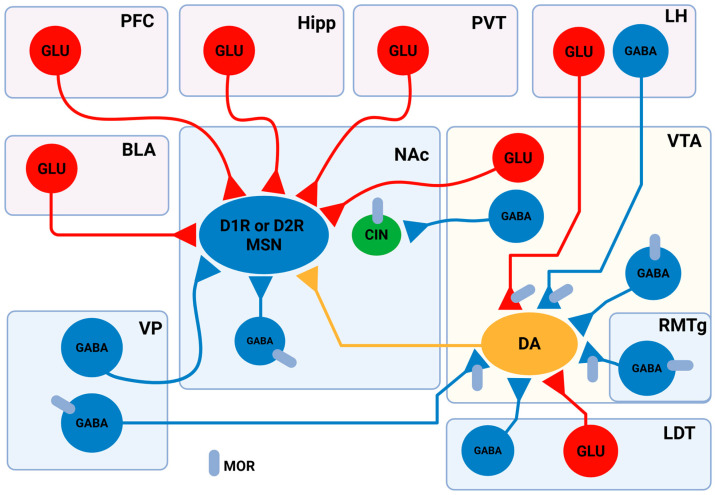 Figure 1
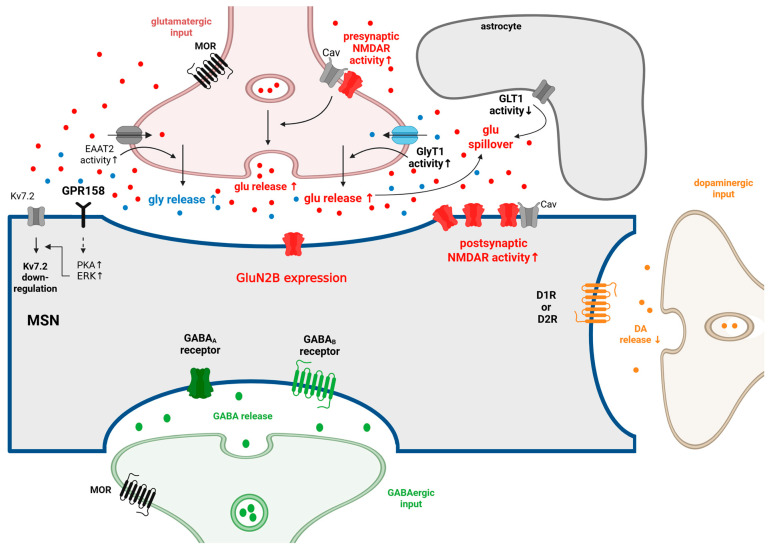 Figure 2
Peer Reviews
No public reviews on file for this paper yet. If you reviewed it on a platform where reviews are public (OpenReview, ICLR, NeurIPS, ICML), you can paste yours below so the community can read it here.
Videos
No videos yet. Explain this paper in a talk, walkthrough, or lecture? Add one.
Taxonomy
TopicsNeurotransmitter Receptor Influence on Behavior · Forensic Toxicology and Drug Analysis · Amino Acid Enzymes and Metabolism