The Relationship Between Attitude Toward Pain and the Effects of Foam Rolling on Biomechanical Parameters of Soft Tissues Measured with the MyotonPRO Device
Przemysław Dębski, Grzegorz Szlachta, Maciej Biały, Ewelina Białas, Kamil Kublin

TL;DR
This study shows that people's attitudes toward pain are linked to how foam rolling affects soft tissue biomechanics, suggesting that understanding these attitudes could improve foam rolling effectiveness.
Contribution
The study reveals a novel link between psychological pain attitudes and biomechanical changes from foam rolling, suggesting personalized approaches could enhance outcomes.
Findings
Pain-related attitudes correlate with foam rolling-induced biomechanical changes in soft tissues.
Fewer associations were found after longer foam rolling sessions, suggesting a time-dependent effect.
Significant correlations were observed between pain catastrophizing scores and specific myotonometric parameters.
Abstract
This study examined the relationship between pain-related attitudes and biomechanical changes in myofascial tissues following foam rolling. The results indicate that psychological factors, particularly pain catastrophizing, are correlated with FR-induced alterations. What are the main findings? Pain-related attitudes are correlated with FR-induced changesFewer associations were found after longer rolling, potentially indicating a time-dependent effect Pain-related attitudes are correlated with FR-induced changes Fewer associations were found after longer rolling, potentially indicating a time-dependent effect What is the implication of the main findings? Identifying negative pain attitudes may improve pain management and enhance FR effectivenessScreening for pain beliefs may help tailor FR strategies Identifying negative pain attitudes may improve pain management and enhance FR…
Genes, proteins, chemicals, diseases, species, mutations and cell lines named across the full text — each resolved to its canonical identifier and authoritative record.
Click any figure to enlarge with its caption.
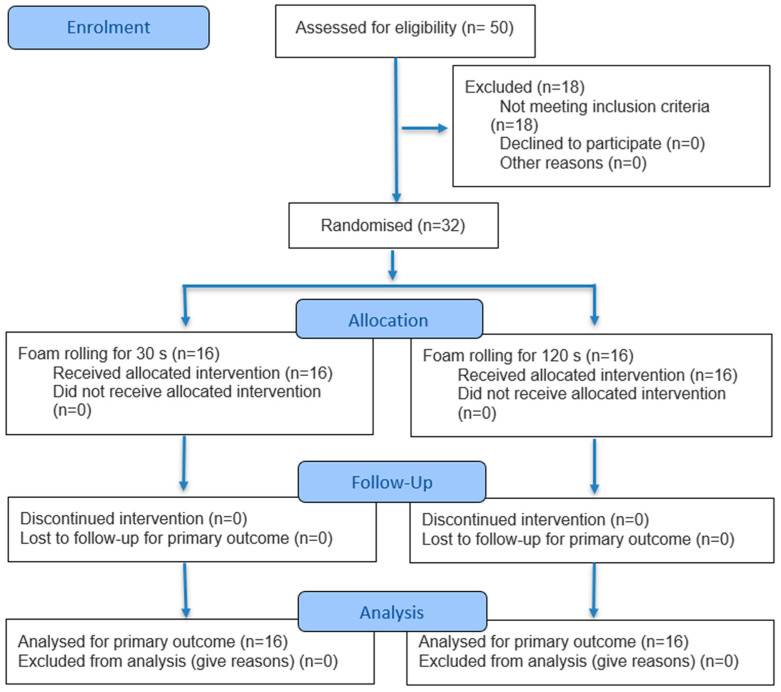 Figure 1
Peer Reviews
No public reviews on file for this paper yet. If you reviewed it on a platform where reviews are public (OpenReview, ICLR, NeurIPS, ICML), you can paste yours below so the community can read it here.
Videos
No videos yet. Explain this paper in a talk, walkthrough, or lecture? Add one.
Taxonomy
TopicsSports injuries and prevention · Myofascial pain diagnosis and treatment · Musculoskeletal pain and rehabilitation