Adaptive Channel Estimation for Semi-Passive IRS with Optimized Sensor Deployment
Zhiyu Han, Hanning Wang, Yafeng Wang, Zhuo Fan

TL;DR
This paper introduces a new method for estimating wireless channel information using semi-passive IRS with optimized sensor placement.
Contribution
A novel compressed sensing channel estimation algorithm and a PSO-based sensor deployment scheme for semi-passive IRS.
Findings
The proposed algorithm improves channel estimation accuracy without knowing the channel path number.
PSO-based sensor deployment reduces NMSE and estimation overhead with fewer pilot symbols.
Abstract
To achieve optimal passive beamforming gains from Intelligent Reflective Surfaces (IRS), accurate Channel State Information (CSI) acquisition is required. However, the IRS, with numerous passive devices, lacks the ability to process signals, resulting in considerable challenges in obtaining accurate CSI. Based on the semi-passive IRS, this paper proposes a compressed sensing channel estimation algorithm without knowing the path number of channel, which improves the accuracy of channel estimation. Furthermore, a particle swarm optimization (PSO)-based deployment scheme for active sensors in the semi-passive IRS is developed. Numerical simulations confirm the effectiveness, demonstrating a reduction in Normalized Mean Square Error (NMSE) and improved channel estimation with fewer pilot symbols, thereby minimizing estimation overhead.
Genes, proteins, chemicals, diseases, species, mutations and cell lines named across the full text — each resolved to its canonical identifier and authoritative record.
Click any figure to enlarge with its caption.
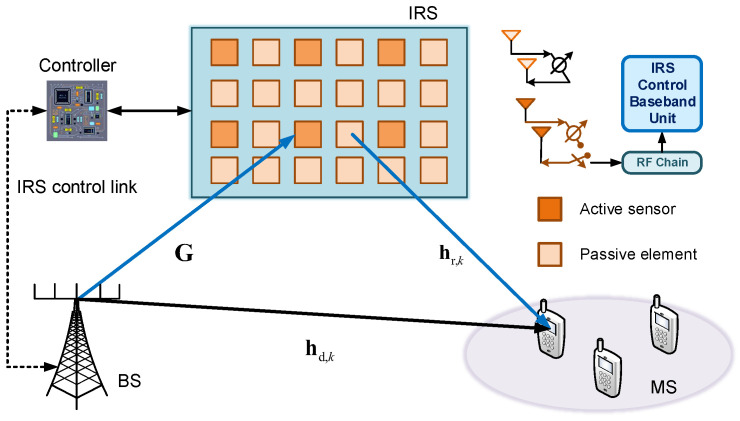 Figure 1
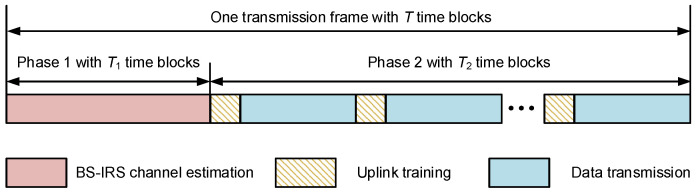 Figure 2
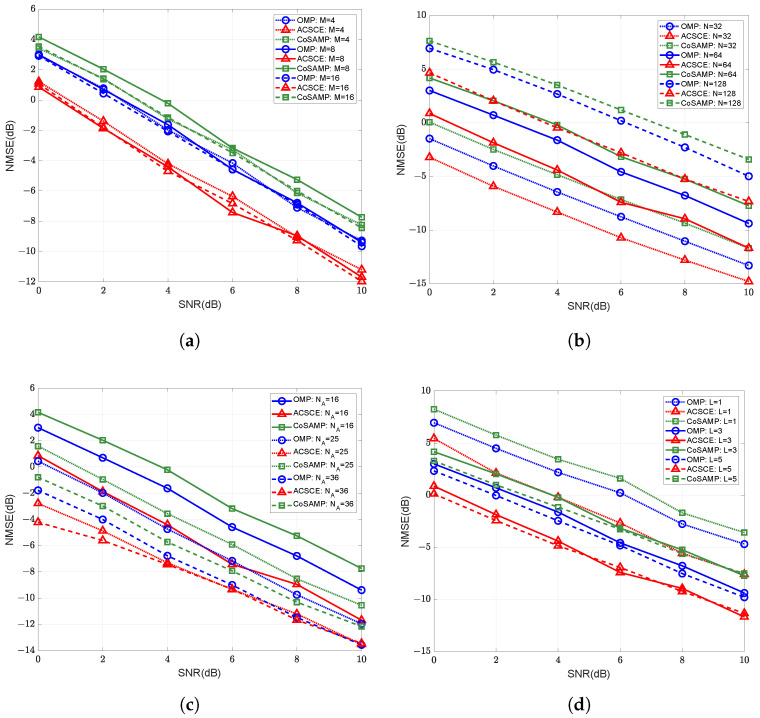 Figure 3
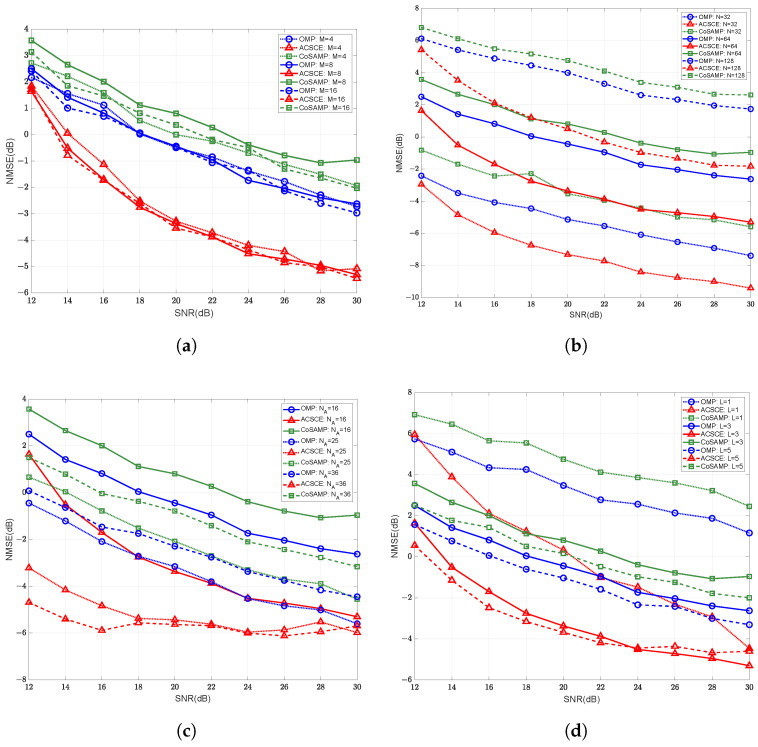 Figure 4
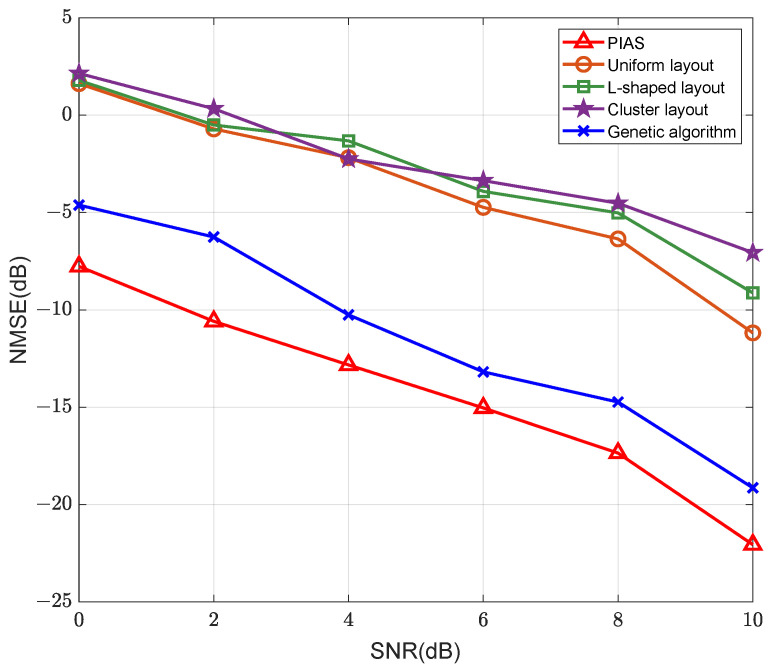 Figure 5
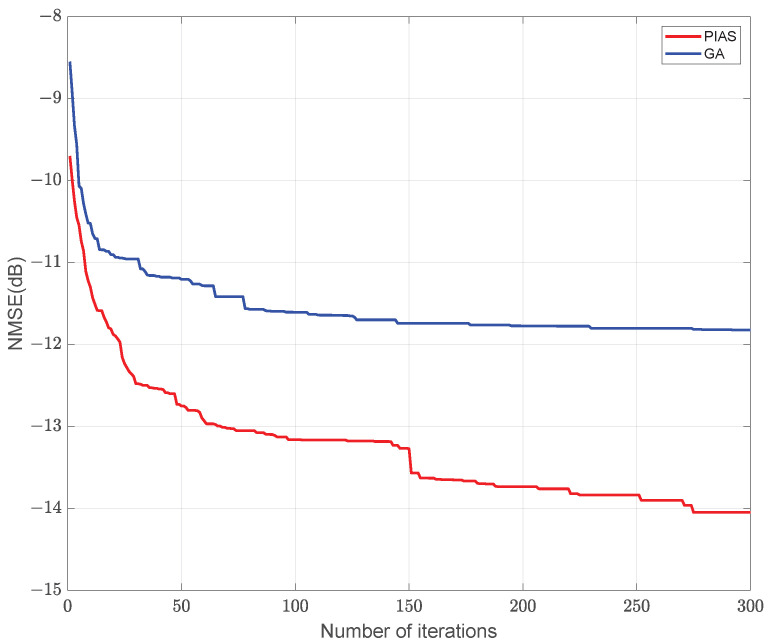 Figure 6
Peer Reviews
No public reviews on file for this paper yet. If you reviewed it on a platform where reviews are public (OpenReview, ICLR, NeurIPS, ICML), you can paste yours below so the community can read it here.
Videos
No videos yet. Explain this paper in a talk, walkthrough, or lecture? Add one.
Taxonomy
TopicsAdvanced Wireless Communication Technologies · Underwater Vehicles and Communication Systems · Sparse and Compressive Sensing Techniques