Equilibrium-Based Finite Element Analysis of the Reissner–Mindlin Plate Bending Problem
Zdzisław Więckowski, Paulina Świątkiewicz

TL;DR
This paper introduces a stress-based finite element method for solving plate bending problems using specific elements and boundary conditions.
Contribution
The novelty lies in applying specific finite elements to the stress function for Reissner–Mindlin plates with a focus on boundary conditions.
Findings
The study uses Bogner–Fox–Schmit and Hsieh–Clough–Tocher elements for stress approximation.
Displacement-based elements with 12 and 22 degrees of freedom are used for comparison.
The 2D boundary condition variant is analyzed for its impact on numerical results.
Abstract
A stress-based finite element approach to the Reissner–Mindlin plate bending problem is proposed. The rectangular Bogner–Fox–Schmit and triangular Hsieh–Clough–Tocher elements are applied to approximate the Southwell stress function describing the statically admissible stress field in a plate. To have some reference for the numerical results and estimate errors of the approximate solutions, two displacement-based elements with 12 and 22 degrees of freedom are also utilised. The variant of boundary conditions—known in the literature as 2D or hard BC—is analysed in the present study.
Genes, proteins, chemicals, diseases, species, mutations and cell lines named across the full text — each resolved to its canonical identifier and authoritative record.
Click any figure to enlarge with its caption.
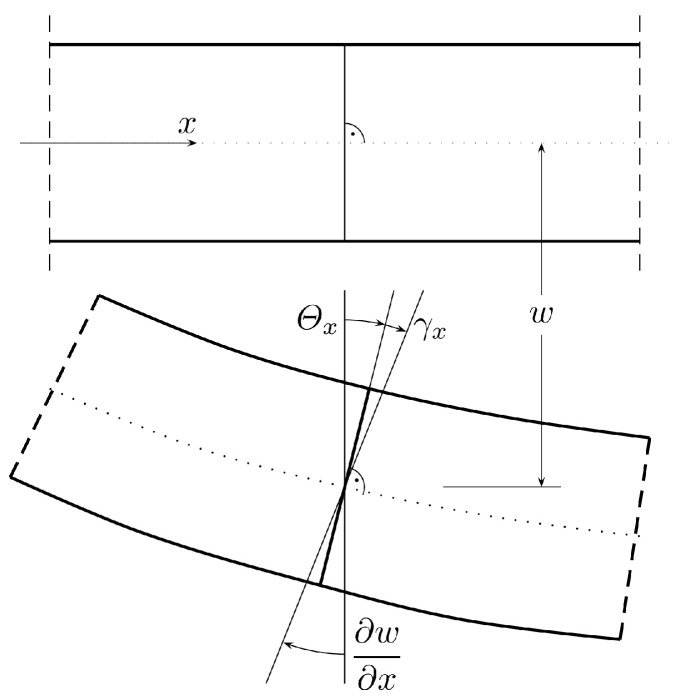 Figure 1
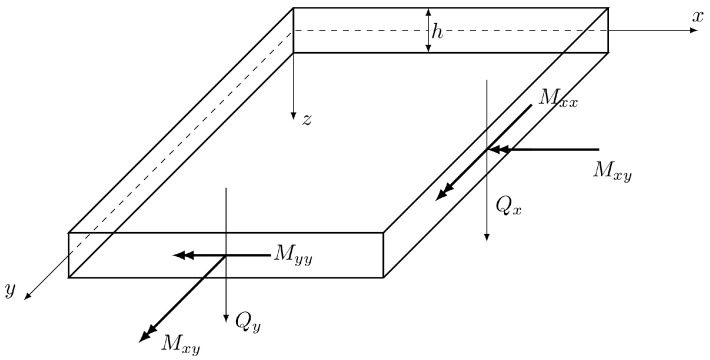 Figure 2
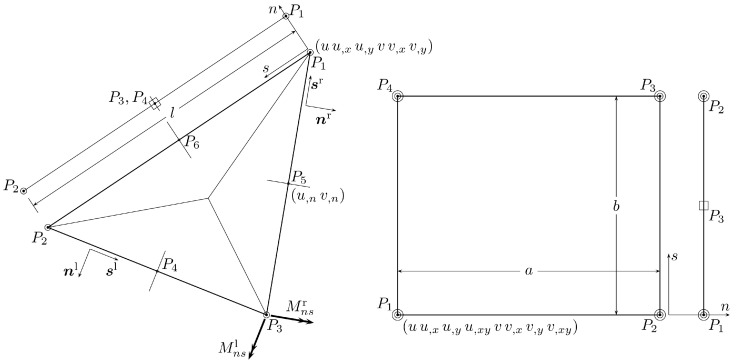 Figure 3
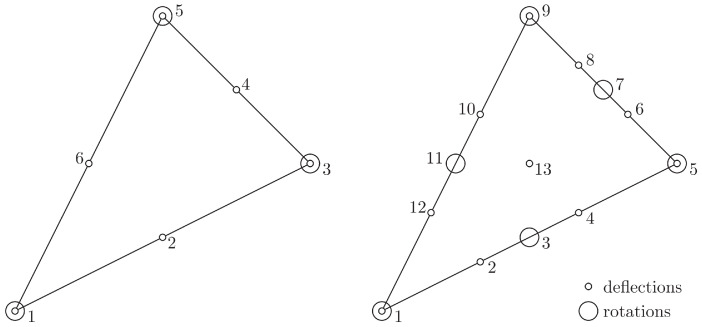 Figure 4
 Figure 5
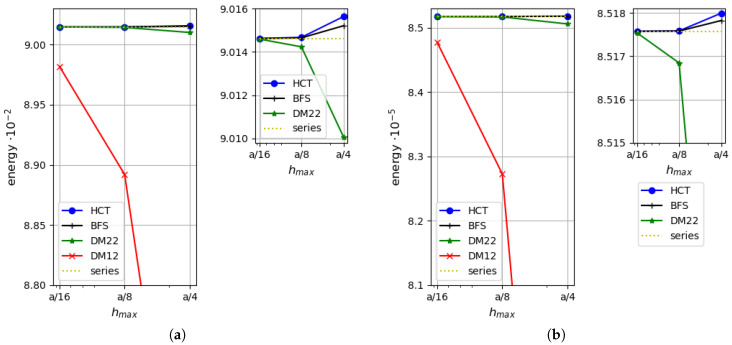 Figure 6
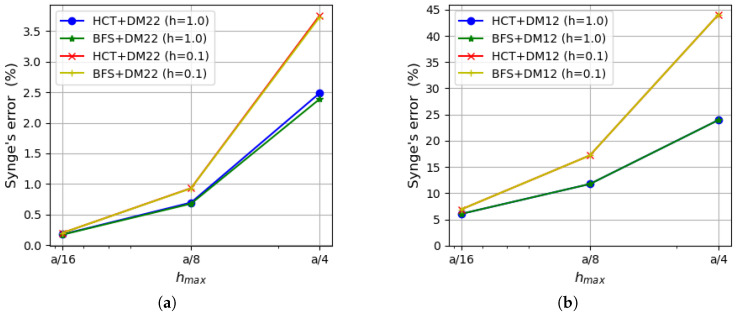 Figure 7
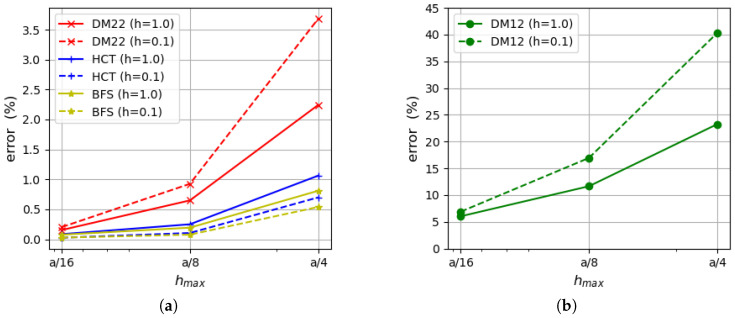 Figure 8
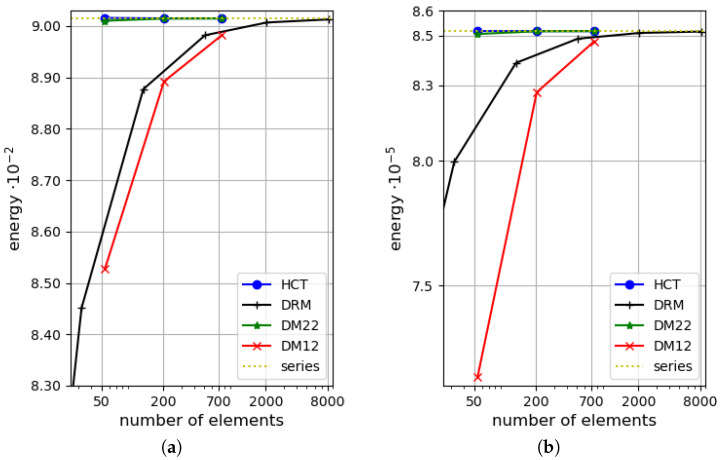 Figure 9
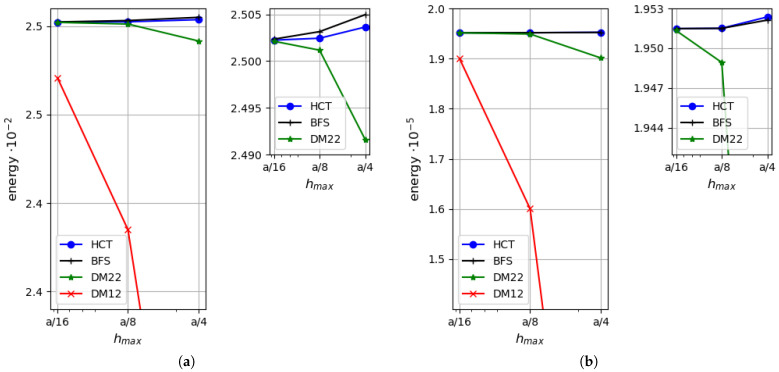 Figure 10
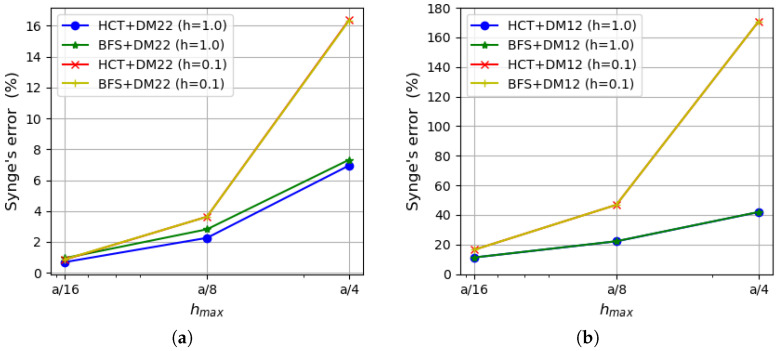 Figure 11
 Figure 12
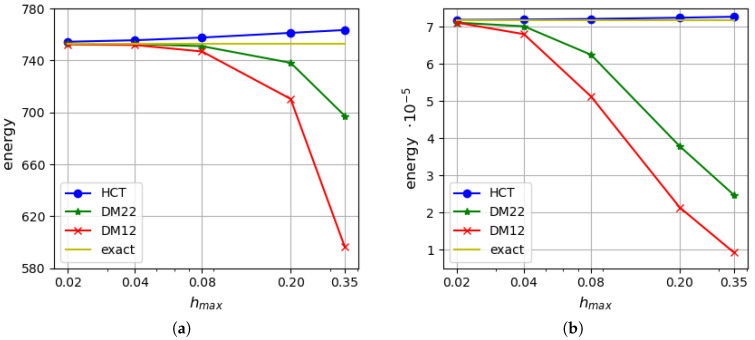 Figure 13
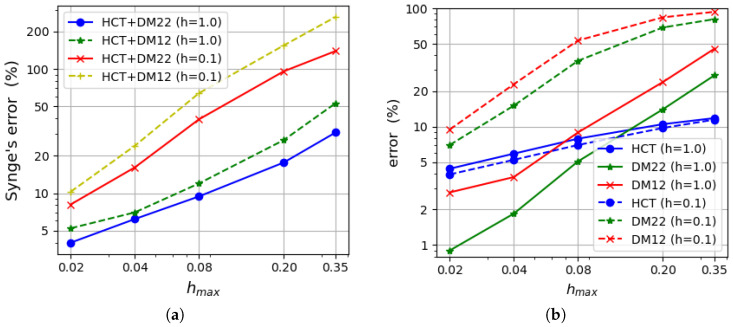 Figure 14
 Figure 15
 Figure 16
 Figure 17
 Figure 18
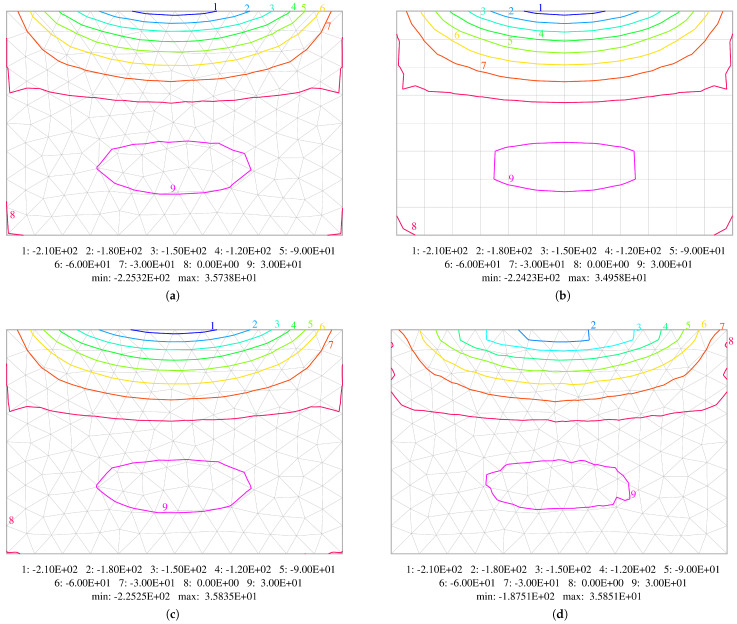 Figure 19
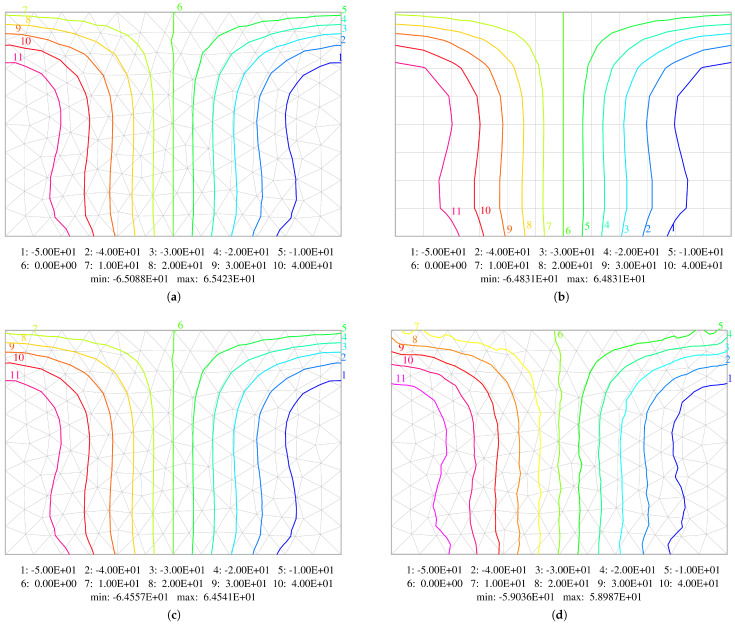 Figure 20
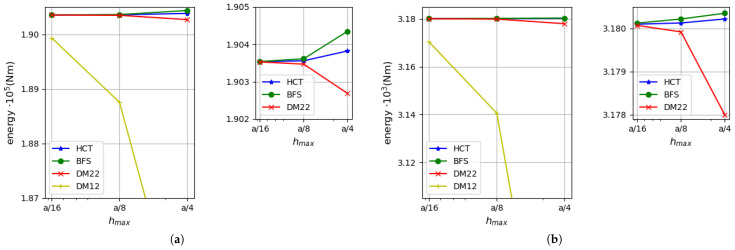 Figure 21
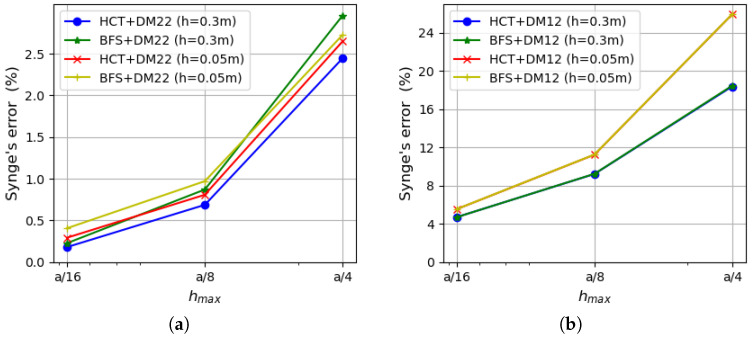 Figure 22
Peer Reviews
No public reviews on file for this paper yet. If you reviewed it on a platform where reviews are public (OpenReview, ICLR, NeurIPS, ICML), you can paste yours below so the community can read it here.
Videos
No videos yet. Explain this paper in a talk, walkthrough, or lecture? Add one.
Taxonomy
TopicsComposite Structure Analysis and Optimization · Numerical methods in engineering · Contact Mechanics and Variational Inequalities