Enhanced Muscle Flavor in Male Chinese Mitten Crab (Eriocheir sinensis) Driven by Feed-Induced Reconfiguration of Intestinal Volatile Compounds
Jin Cen, Bo Liu, Qunlan Zhou, Xiaochuan Zheng, Gangchun Xu, Hongyan Tian, Linghong Miao, Huiming Ding, Yongfeng Zhao, Cunxin Sun

TL;DR
This study shows that formulated feed can replace unsustainable trash fish in crab farming while improving the crabs' muscle flavor through changes in intestinal volatile compounds.
Contribution
The study reveals that formulated feed alters intestinal volatiles, which transfer to muscle tissue and enhance flavor, offering a sustainable aquaculture strategy.
Findings
Formulated feed increased sensory scores for sweetness and elevated levels of key aromatic and sweet volatile compounds in crab muscle.
Intestinal volatile profiles strongly correlated with muscle flavor, indicating a transfer or transformation mechanism.
Forty-eight volatiles were identified in intestinal chyme, with propanal and ethyl 2-methylpropanoate being major contributors to odor.
Abstract
The aquaculture industry faces a critical challenge: replacing unsustainable iced trash fish (IF) with formulated feed (FF) without compromising the prized flavor of the Chinese mitten crab (Eriocheir sinensis). While the muscle flavor is paramount, its formation mechanism, particularly the potential transfer and deposition of volatile compounds from the intestinal chyme—a crucial flavor reservoir influenced by diet—remains poorly understood. This study investigated the dual impact of FF replacement on both the intestinal and muscle volatile profiles. Using advanced flavoromics (E-nose and GC–IMS), we discovered that FF significantly altered the intestinal volatile landscape, which in turn promoted the deposition of key sweet and aromatic compounds in the muscle, ultimately enhancing the overall sensory perception. Our findings reveal the gut’s role as a flavor modulation hub and…
Genes, proteins, chemicals, diseases, species, mutations and cell lines named across the full text — each resolved to its canonical identifier and authoritative record.
Click any figure to enlarge with its caption.
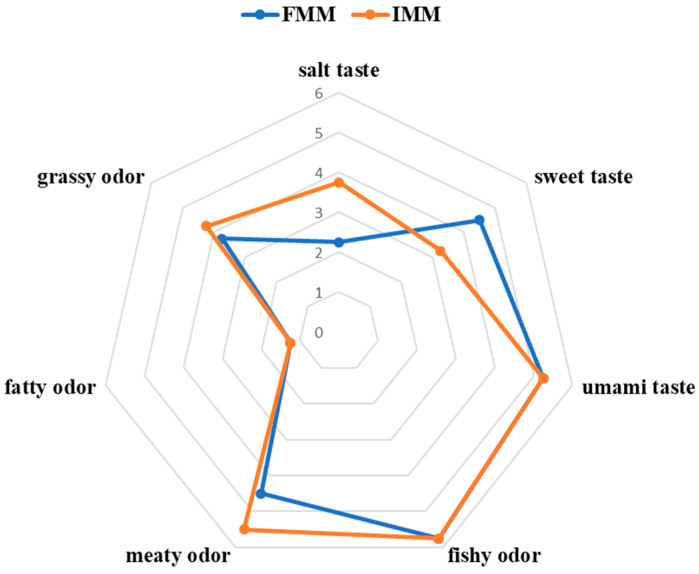 Figure 1
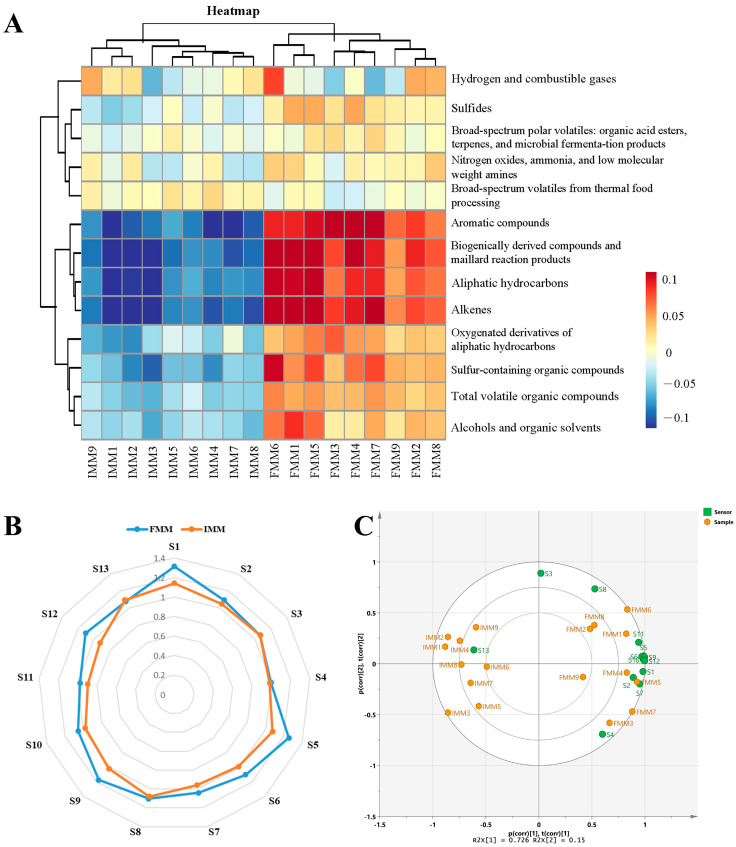 Figure 2
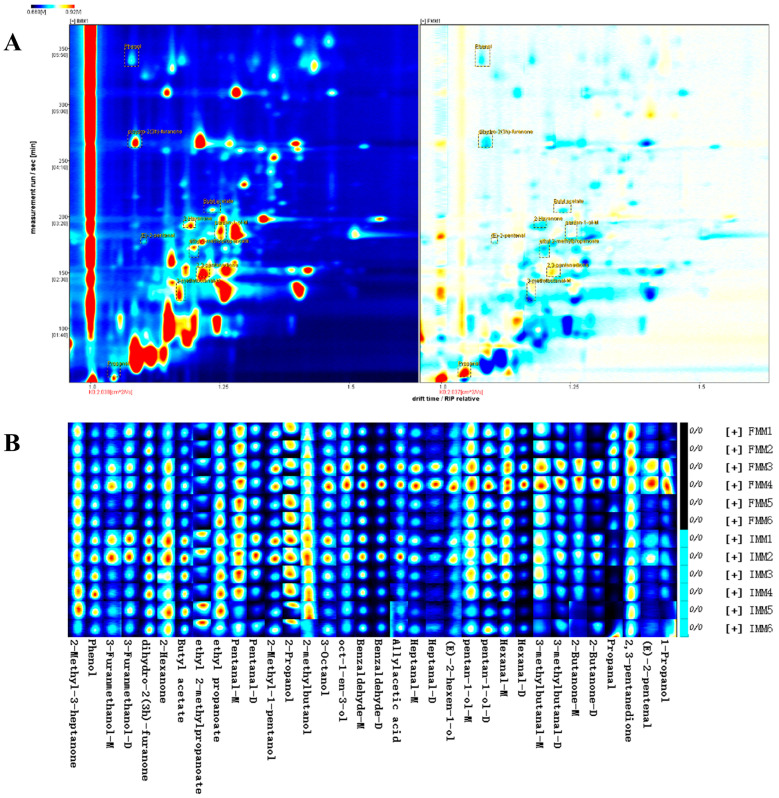 Figure 3
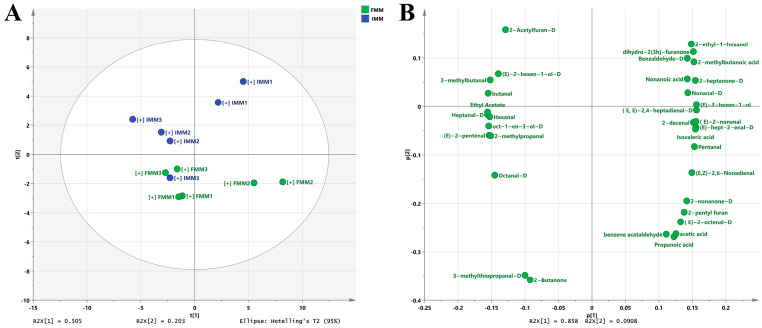 Figure 4
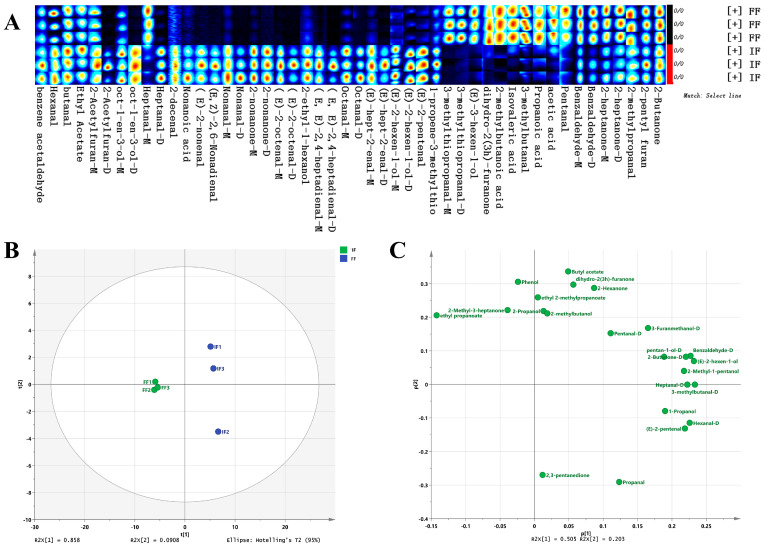 Figure 5
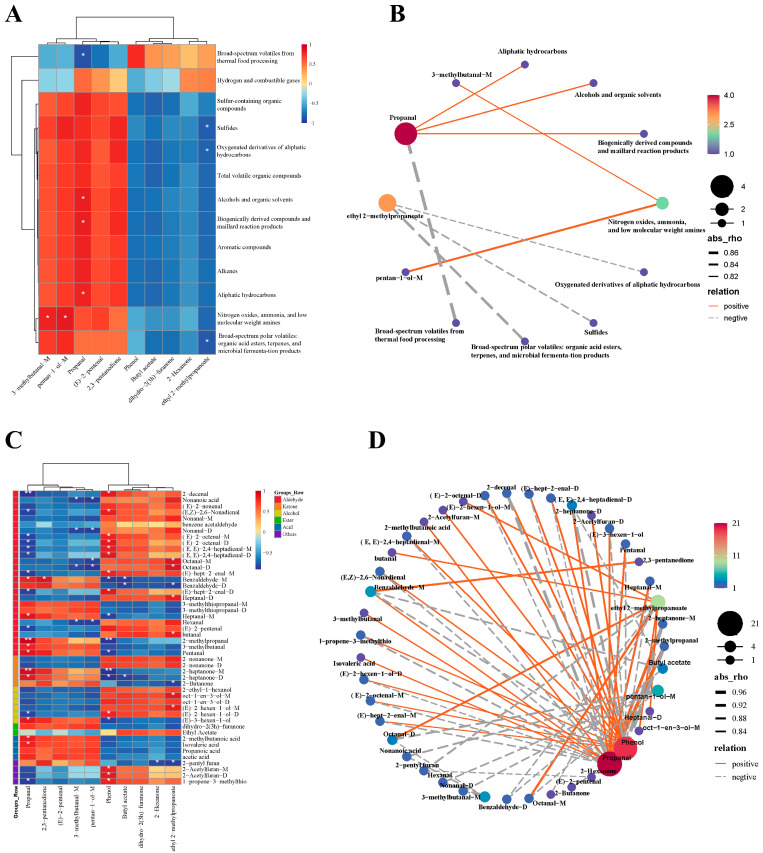 Figure 6
Peer Reviews
No public reviews on file for this paper yet. If you reviewed it on a platform where reviews are public (OpenReview, ICLR, NeurIPS, ICML), you can paste yours below so the community can read it here.
Videos
No videos yet. Explain this paper in a talk, walkthrough, or lecture? Add one.
Taxonomy
TopicsNeurobiology and Insect Physiology Research · Advanced Chemical Sensor Technologies · Insect and Arachnid Ecology and Behavior