A Wavelet-Based Bilateral Segmentation Study for Nanowires
Yuting Hou, Yu Zhang, Fengfeng Liang, Guangjie Liu

TL;DR
This paper introduces a new deep learning model for accurately segmenting complex 1D nanowires in images.
Contribution
The novel WaveBiSeNet model with Dual Wavelet Convolution and Flexible Upsampling modules improves nanowire segmentation.
Findings
WaveBiSeNet achieved an mIoU of 77.59% on a peptide nanowire image dataset.
The model outperformed ten other segmentation models in accuracy and F1 score.
Results show WaveBiSeNet effectively handles entangled and blurred nanowire structures.
Abstract
One-dimensional (1D) nanowires represent a critical class of nanomaterials with extensive applications in biosensing, biomedicine, bioelectronics, and energy harvesting. In materials science, accurately extracting their morphological and structural features is essential for effective image segmentation. However, 1D nanowires frequently appear in dispersed or entangled configurations, often with blurred backgrounds and indistinct boundaries, which significantly complicates the segmentation process. Traditional threshold-based methods struggle to segment these structurally complex nanowires with high precision. To address this challenge, we propose a wavelet-based Bilateral Segmentation Network named WaveBiSeNet, to which a Dual Wavelet Convolution Module (DWCM) and a Flexible Upsampling Module (FUM) are introduced to enhance feature representation and improve segmentation accuracy. In…
Genes, proteins, chemicals, diseases, species, mutations and cell lines named across the full text — each resolved to its canonical identifier and authoritative record.
Click any figure to enlarge with its caption.
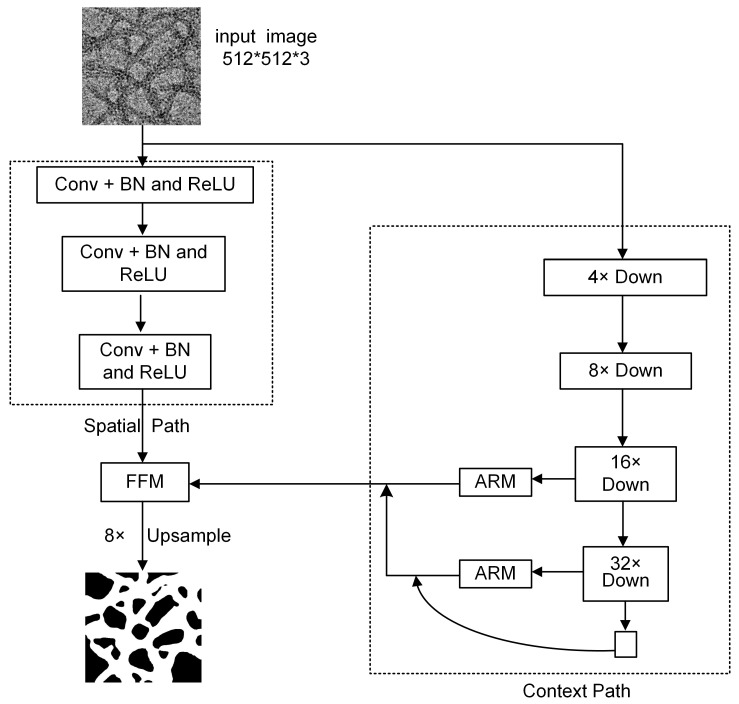 Figure 1
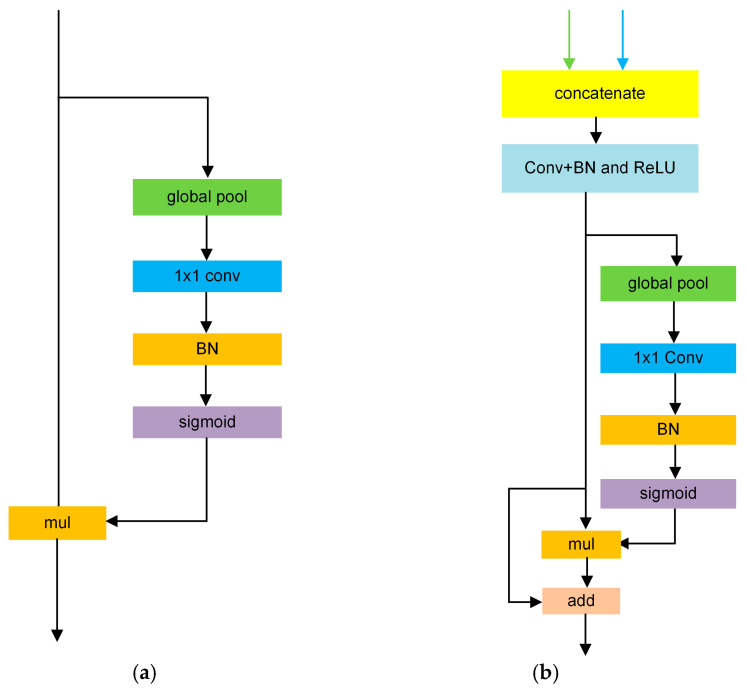 Figure 2
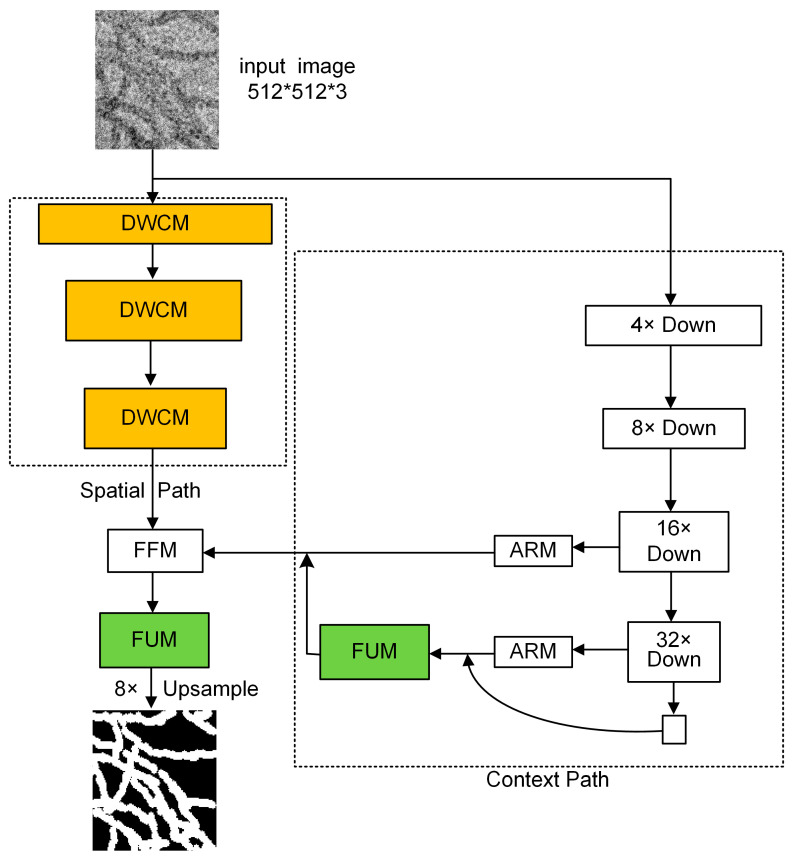 Figure 3
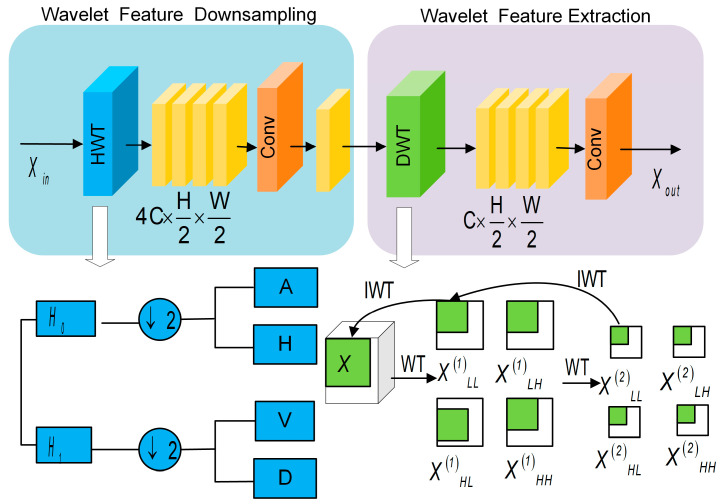 Figure 4
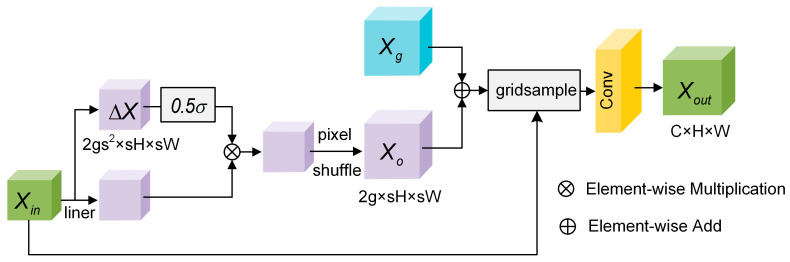 Figure 5
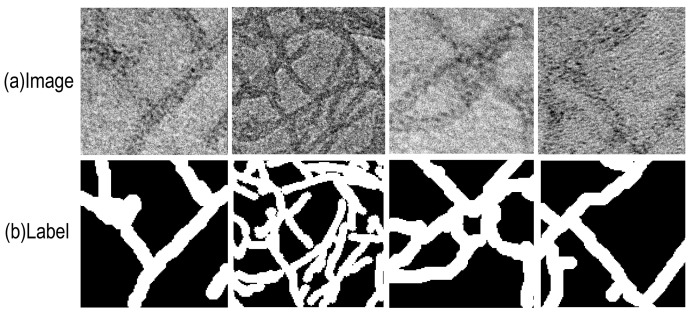 Figure 6
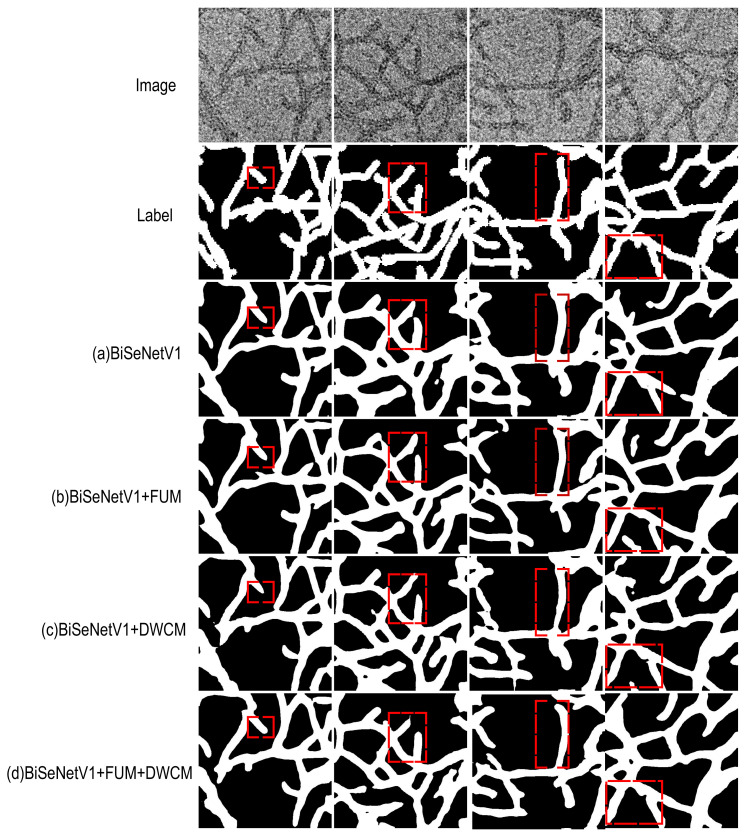 Figure 7
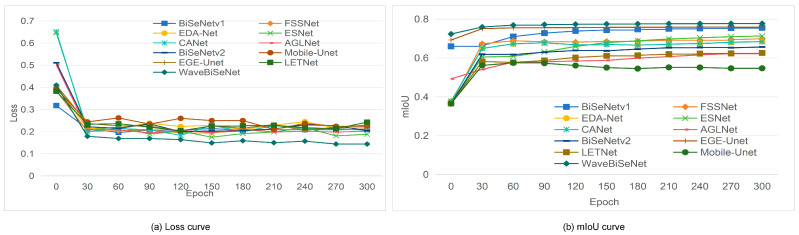 Figure 8
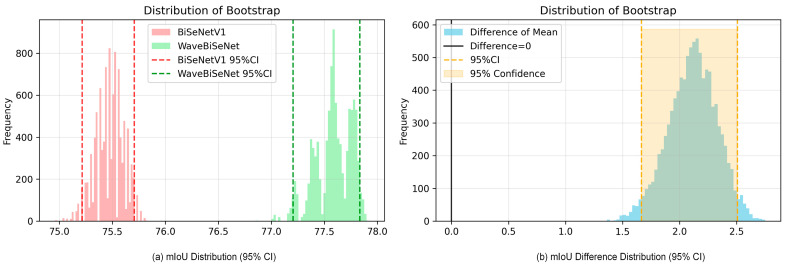 Figure 9
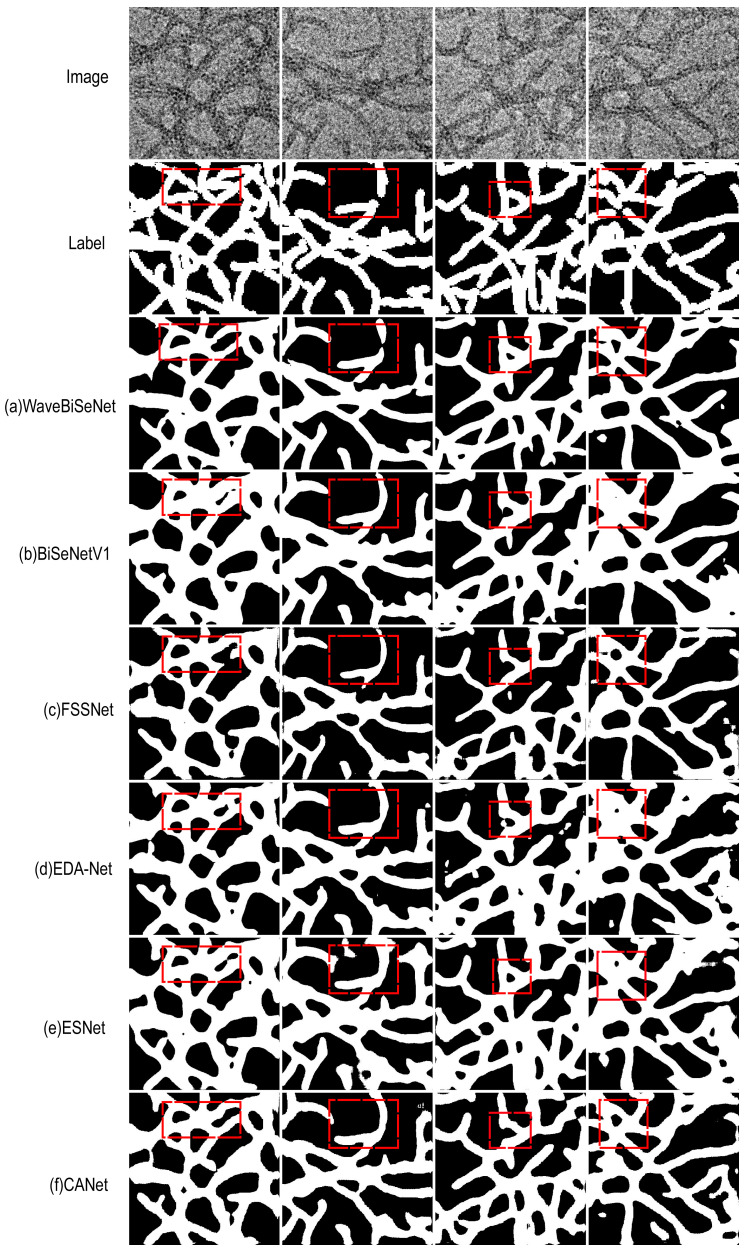 Figure 10
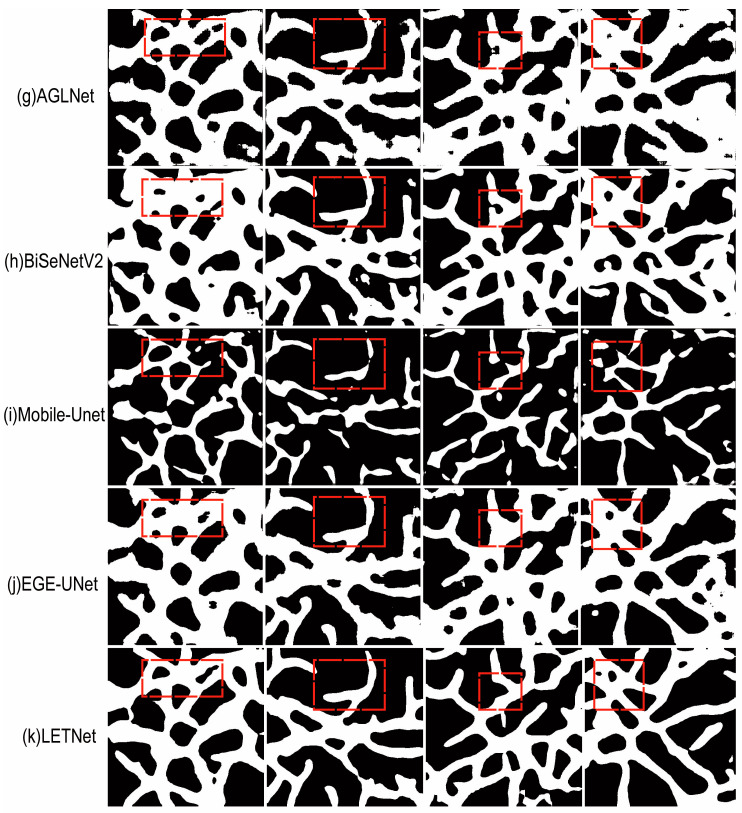 Figure 11
Peer Reviews
No public reviews on file for this paper yet. If you reviewed it on a platform where reviews are public (OpenReview, ICLR, NeurIPS, ICML), you can paste yours below so the community can read it here.
Videos
No videos yet. Explain this paper in a talk, walkthrough, or lecture? Add one.
Taxonomy
TopicsMachine Learning in Materials Science · Machine Learning and ELM · Industrial Vision Systems and Defect Detection