Prediction of Fracture Loads in 3D-Printed ASA and Carbon-Fiber Reinforced ASA Notched Specimens Using the Calibrated ASED Criterion
Sergio Arrieta, Sergio Cicero, José A. Álvarez

TL;DR
This paper introduces a calibrated method to predict fracture loads in 3D-printed polymers and carbon-fiber composites using the ASED criterion, improving accuracy for non-linear materials.
Contribution
A calibrated ASED criterion is proposed to predict fracture loads in non-linear 3D-printed materials, extending its traditional linear-elastic use.
Findings
The calibrated ASED criterion accurately predicts failure loads in 3D-printed ASA and carbon-fiber reinforced ASA.
The method was validated using SENB specimens with varying raster orientations and U-notch radii.
The approach provides a reliable tool for structural integrity assessment of additively manufactured components.
Abstract
This paper presents an adapted methodology for the prediction of fracture loads in additively manufactured (fused filament fabrication) polymers that exhibit non-linear behavior. The approach is based on the Average Strain Energy Density (ASED) criterion, which is typically limited to materials which develop fully linear-elastic behavior. Thus, in those cases where the material has a certain (non-negligible) amount of non-linear behavior, the ASED criterion needs to be corrected. To extend its applicability, this work proposes a thorough calibration of the ASED characteristic parameters: the critical value of the strain energy and the volume of the corresponding control volume. This enables the extrapolation of the linear-elastic formulation to non-linear situations. The approach is validated using acrylonitrile-styrene-acrylate (ASA) and 10 wt.% carbon-fiber reinforced ASA specimens.…
Genes, proteins, chemicals, diseases, species, mutations and cell lines named across the full text — each resolved to its canonical identifier and authoritative record.
Click any figure to enlarge with its caption.
 Figure 1
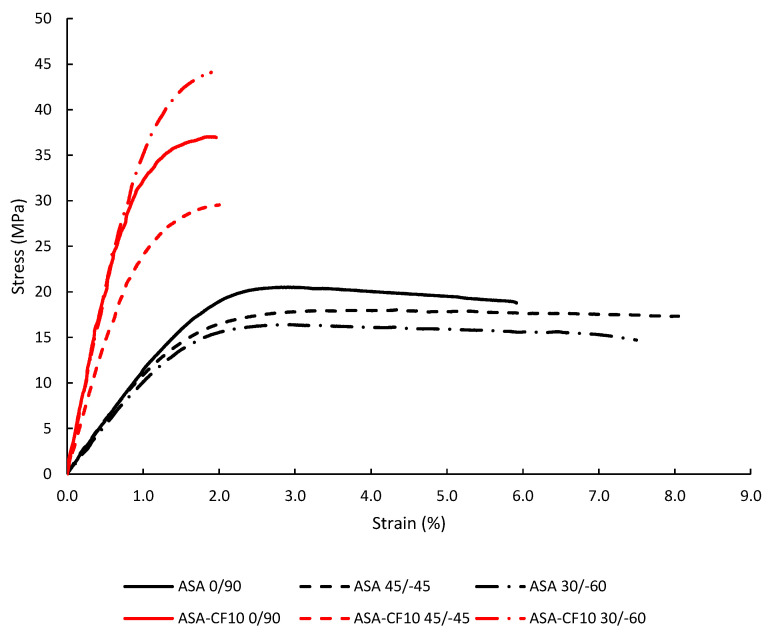 Figure 2
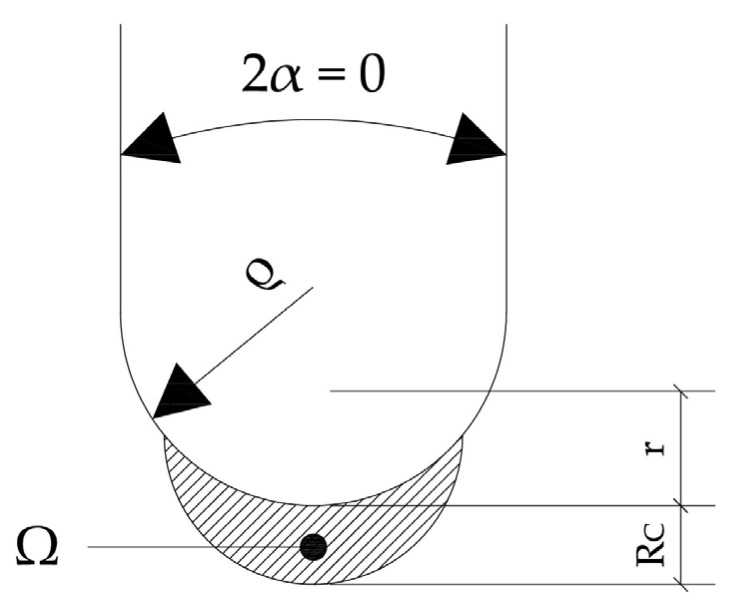 Figure 3
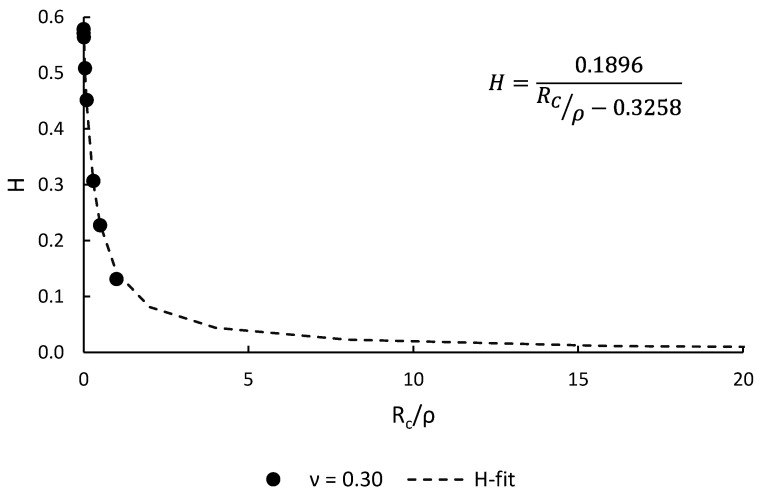 Figure 4
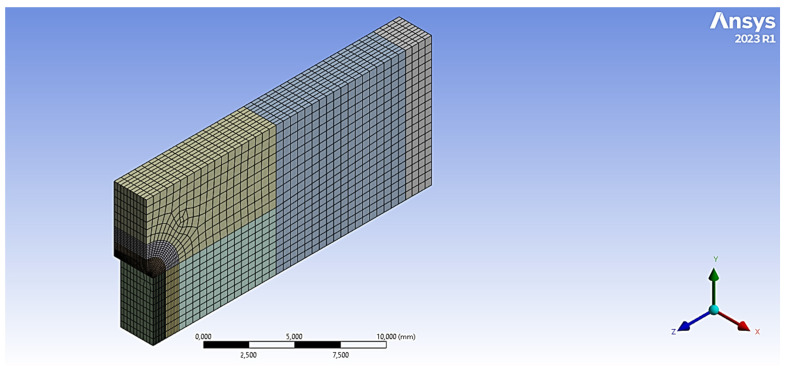 Figure 5
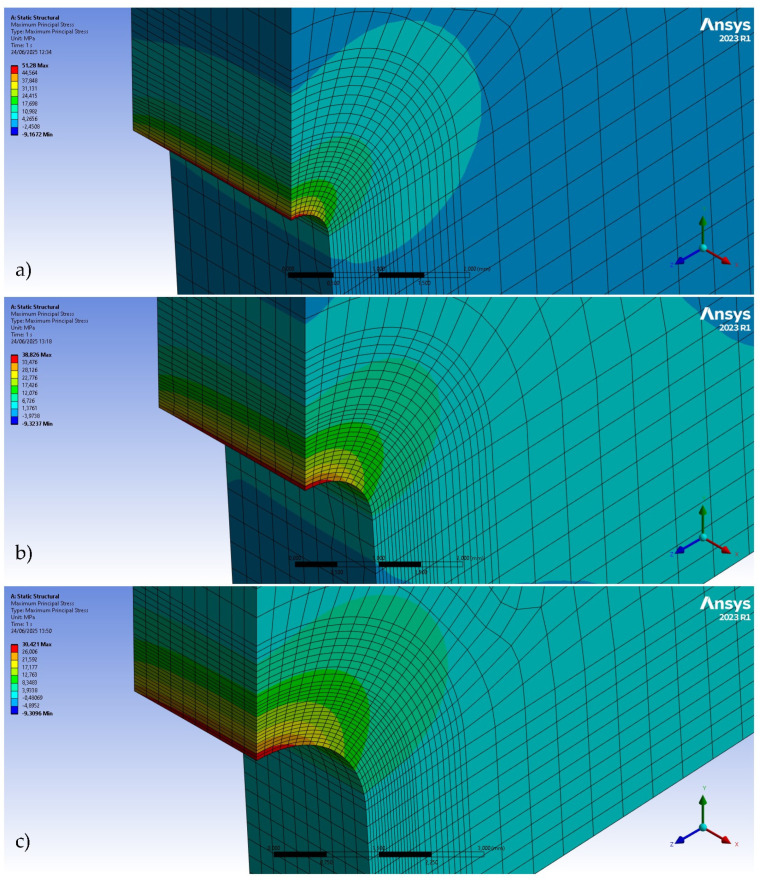 Figure 6
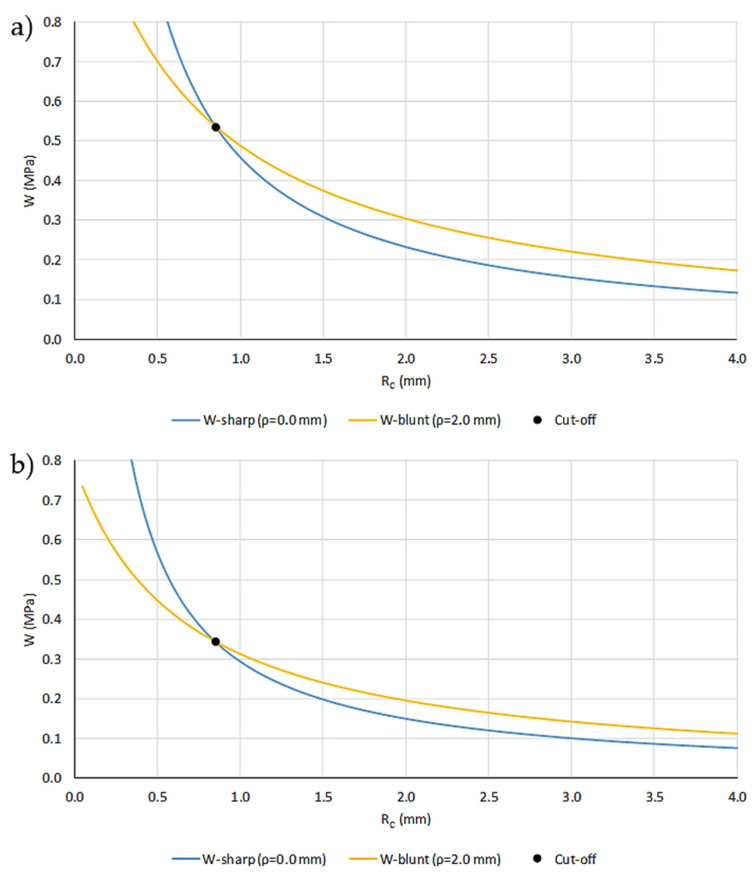 Figure 7
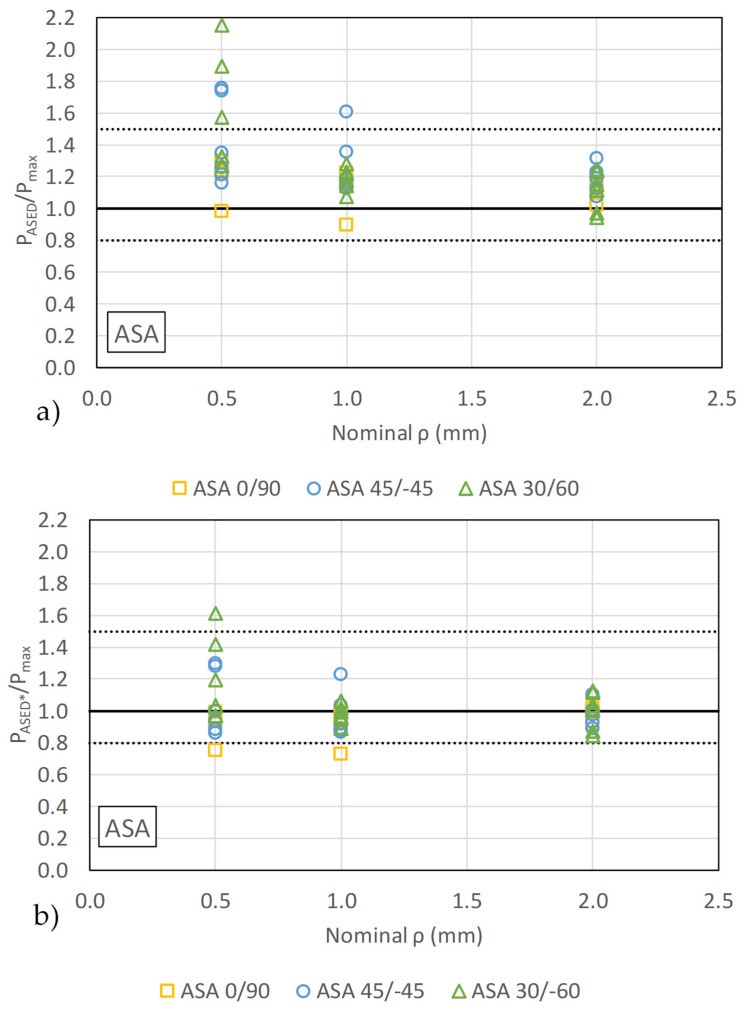 Figure 8
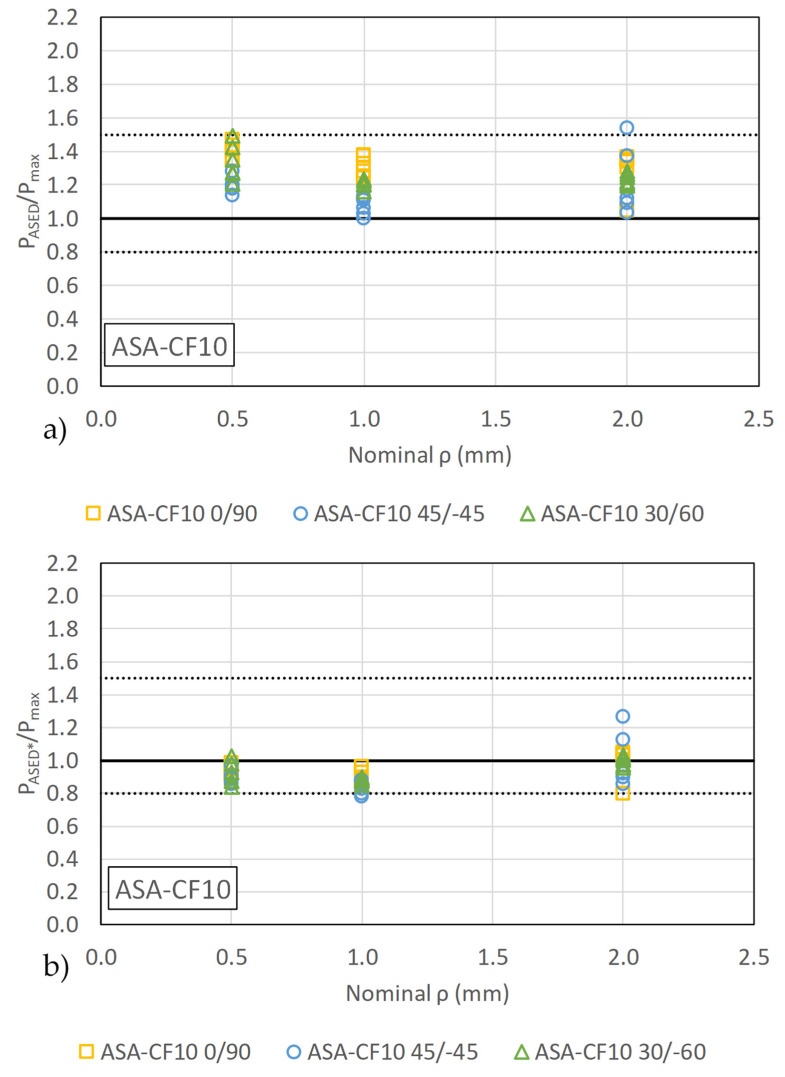 Figure 9
Peer Reviews
No public reviews on file for this paper yet. If you reviewed it on a platform where reviews are public (OpenReview, ICLR, NeurIPS, ICML), you can paste yours below so the community can read it here.
Videos
No videos yet. Explain this paper in a talk, walkthrough, or lecture? Add one.
Taxonomy
TopicsAdditive Manufacturing and 3D Printing Technologies · Additive Manufacturing Materials and Processes · Mechanical Behavior of Composites