Machine Learning-Based Image Reconstruction in Wearable CC-EIT of the Thorax: Robustness to Electrode Displacement
Jan Jeschke, Mikhail Ivanenko, Waldemar T. Smolik, Damian Wanta, Mateusz Midura, Przemysław Wróblewski

TL;DR
This study shows that training a neural network with data including electrode displacement improves image quality in wearable CC-EIT of the thorax.
Contribution
A new algorithm for simulating electrode displacement and training a neural network to improve CC-EIT robustness.
Findings
Electrode displacement significantly reduces image quality when not included in training data.
Training with displaced electrode samples improves reconstruction quality and robustness.
Pixel-to-pixel metrics confirmed the effectiveness of the displacement-aware training approach.
Abstract
This study investigates the influence of variable electrode positions on image reconstruction in capacitively coupled electrical impedance tomography (CC-EIT) of the human thorax. Images were reconstructed by an adversarial neural network trained on a synthetic dataset generated using a tomographic model that included a wearable elastic band with 32 electrodes attached. Dataset generation was conducted using a previously developed numerical phantom of the thorax, combined with a newly developed algorithm for random selection of electrode positions based on physical limitations resulting from the elasticity of the band and possible position inaccuracies while putting the band on the patient’s chest. The thorax phantom included the heart, lungs, aorta, and spine. Four training and four testing datasets were generated using four different levels of electrode displacement. Reconstruction…
Genes, proteins, chemicals, diseases, species, mutations and cell lines named across the full text — each resolved to its canonical identifier and authoritative record.
Click any figure to enlarge with its caption.
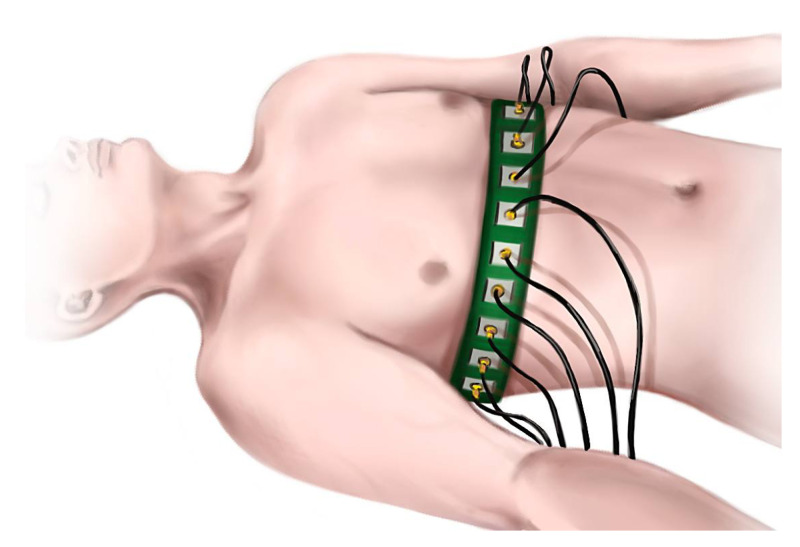 Figure 1
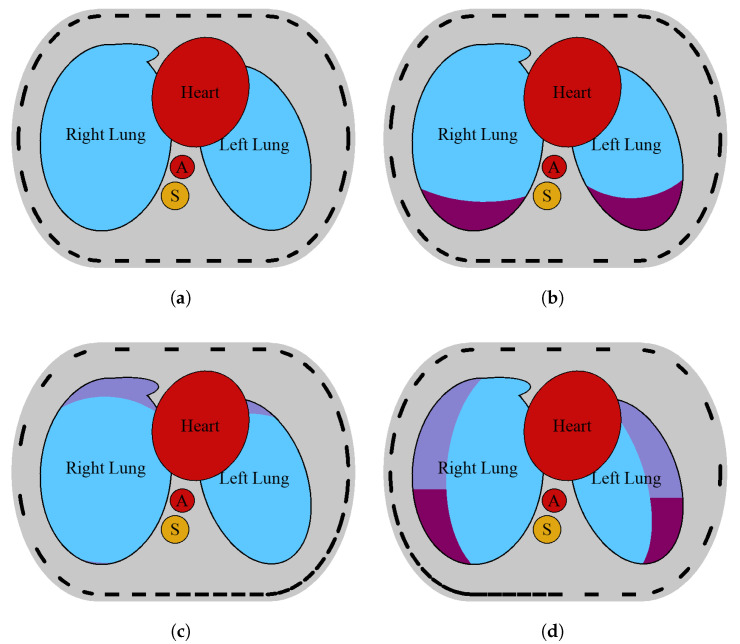 Figure 2
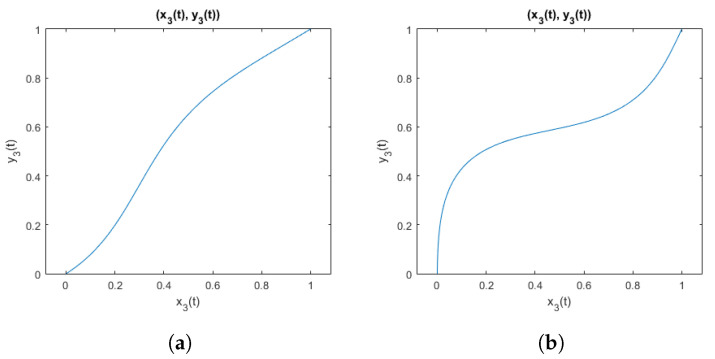 Figure 3
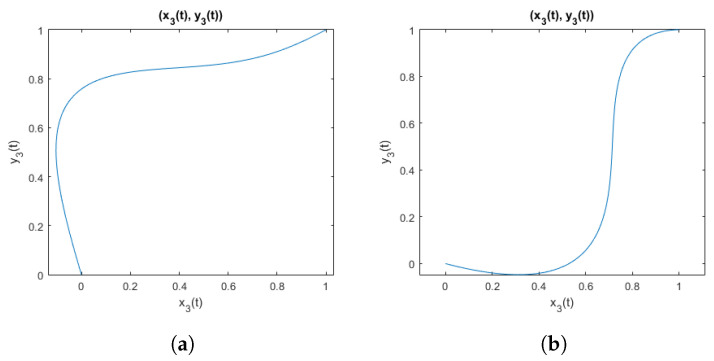 Figure 4
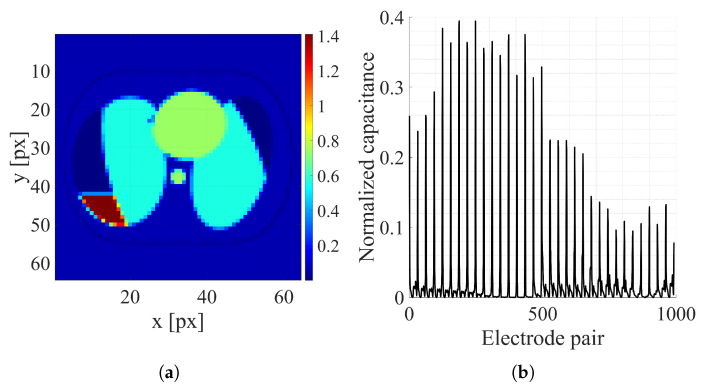 Figure 5
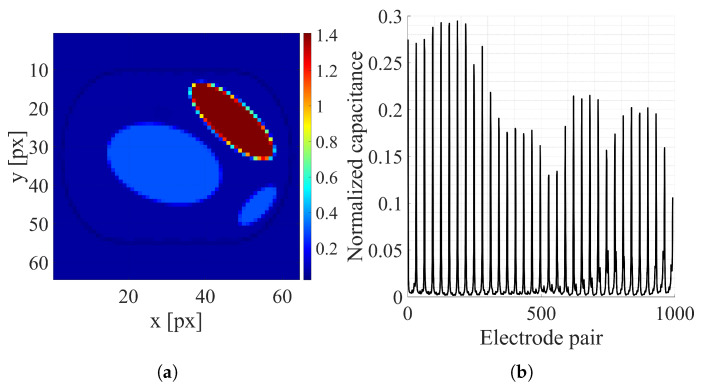 Figure 6
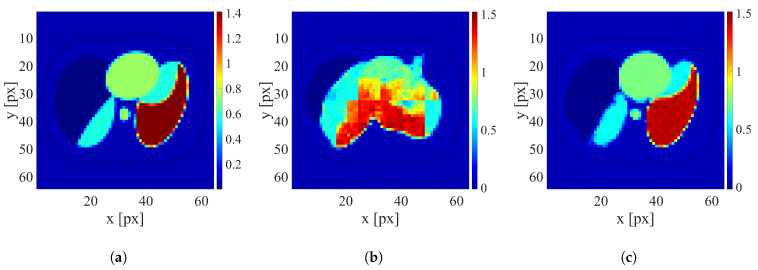 Figure 7
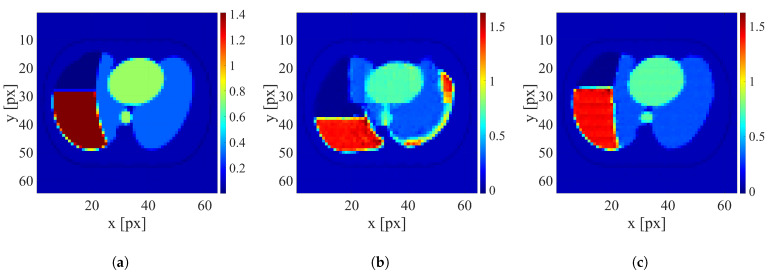 Figure 8
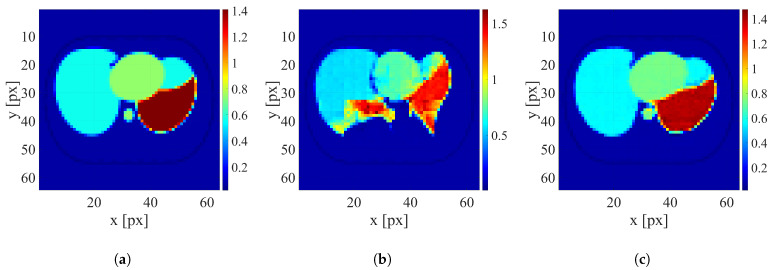 Figure 9
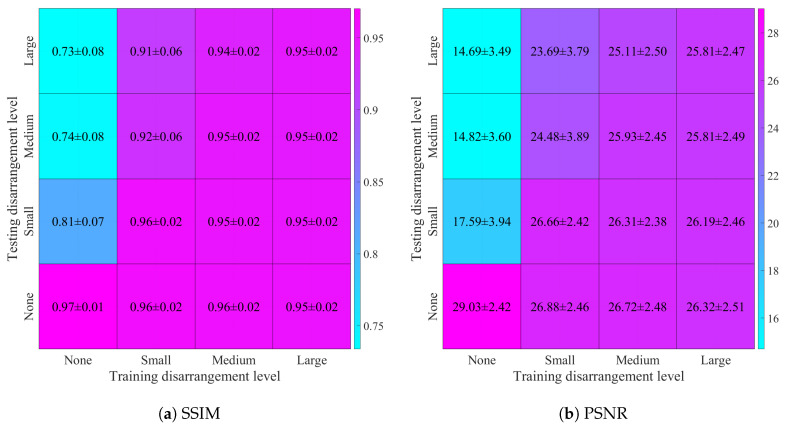 Figure 10
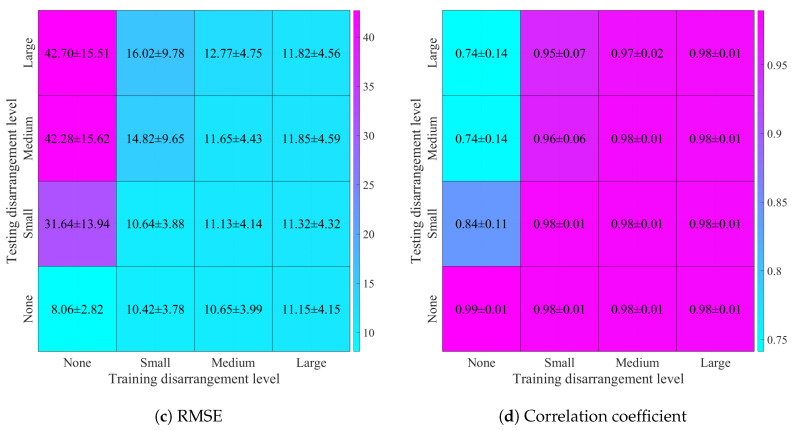 Figure 11
Peer Reviews
No public reviews on file for this paper yet. If you reviewed it on a platform where reviews are public (OpenReview, ICLR, NeurIPS, ICML), you can paste yours below so the community can read it here.
Videos
No videos yet. Explain this paper in a talk, walkthrough, or lecture? Add one.
Taxonomy
TopicsPhotoacoustic and Ultrasonic Imaging · Electrical and Bioimpedance Tomography · Analytical Chemistry and Sensors