Cutting Risk, Not Just Skin—An International Survey on the Role of Preoperative Lab Values in Risk Stratification for Plastic and Reconstructive Surgery
Michael Alfertshofer, Joanna Kempa-Timler, Nicholas Moellhoff, Samuel Knoedler, Sinan Mert, Leonard Knoedler, Hans-Günther Machens, P. Niclas Broer, Robin Hartmann, Anna Kasielska-Trojan, Max Heiland, Steffen Koerdt, Philipp Moog

TL;DR
This study surveyed plastic surgeons worldwide to understand how preoperative lab tests are used to assess surgical risk, finding widespread use and a desire for standardized tools.
Contribution
The study identifies current practices and consensus on the importance of preoperative lab values in plastic surgery risk stratification.
Findings
Clinical evaluation and lab testing are the most common risk assessment methods in plastic surgery.
Hemoglobin, hematocrit, platelets, creatinine, and white blood cell count are the most frequently ordered lab tests.
Hospital-based surgeons order more labs and rate albumin as more important compared to private practice surgeons.
Abstract
Background/Objectives: Plastic and reconstructive surgery (PRS) is characterized by its wide range of techniques and procedures, aiming to address the need for individualized treatment approaches. As PRS is predominantly performed in an elective and non-emergency setting, a thorough preoperative risk assessment through standardized diagnostics remains essential. Lab testing is often routinely performed, yet its overall role and how specific parameters are currently used to stratify risk in PRS is poorly understood. We herein aim to explore the role of preoperative lab value testing and characterize current practices, perceived importance, and variability in their use for risk stratification. Methods: We conducted an anonymous, web-based cross-sectional survey of international PRS surgeons. Survey items captured demographics, routine preoperative assessment methods, ordering frequency of…
Genes, proteins, chemicals, diseases, species, mutations and cell lines named across the full text — each resolved to its canonical identifier and authoritative record.
Click any figure to enlarge with its caption.
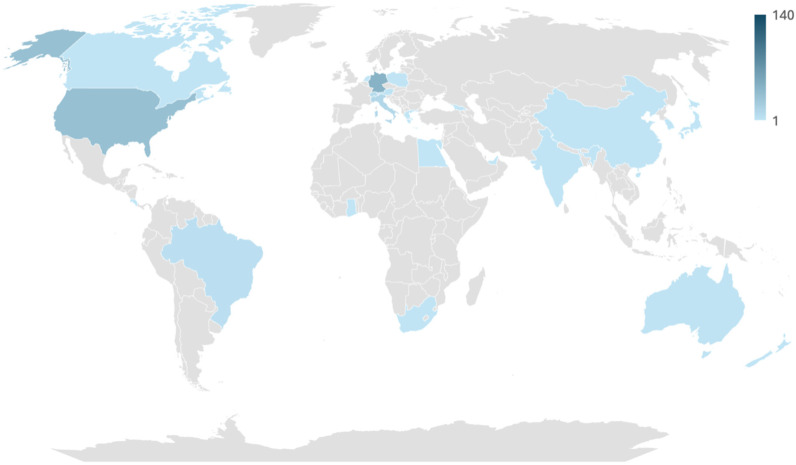 Figure 1
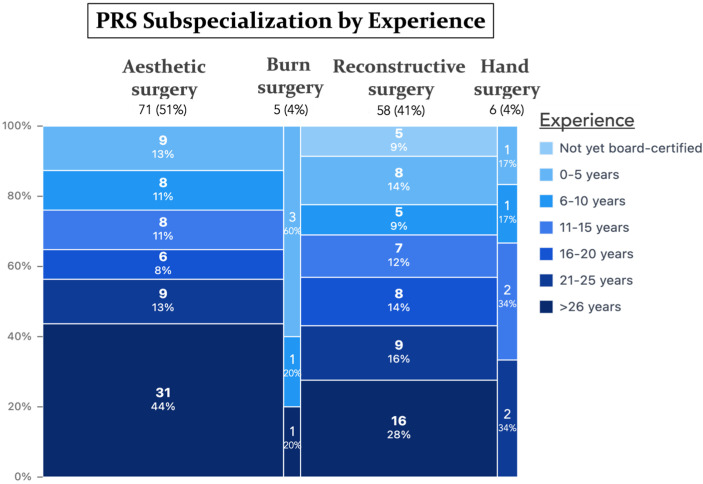 Figure 2
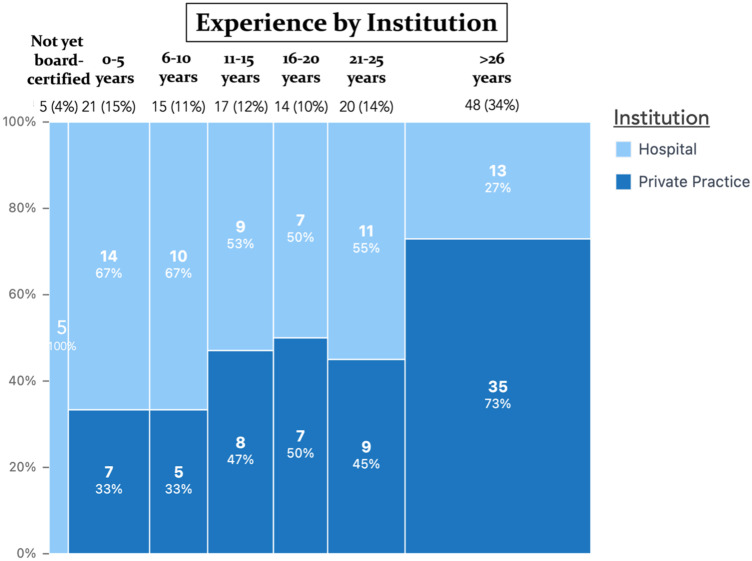 Figure 3
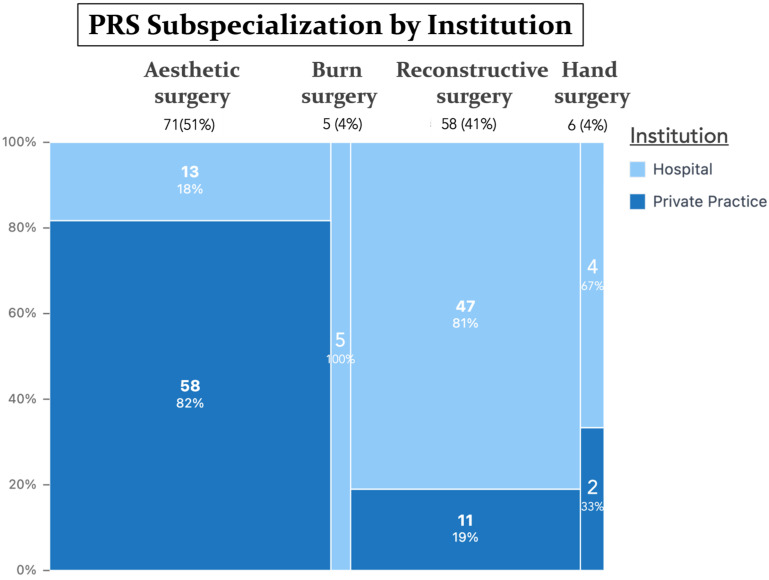 Figure 4
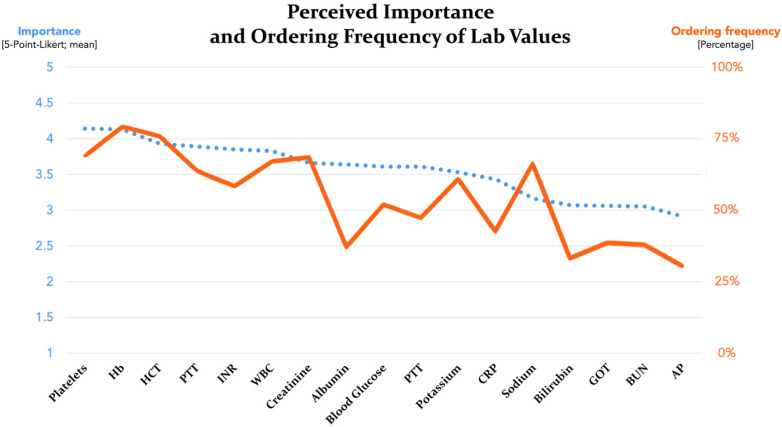 Figure 5
Peer Reviews
No public reviews on file for this paper yet. If you reviewed it on a platform where reviews are public (OpenReview, ICLR, NeurIPS, ICML), you can paste yours below so the community can read it here.
Videos
No videos yet. Explain this paper in a talk, walkthrough, or lecture? Add one.
Taxonomy
TopicsCardiac, Anesthesia and Surgical Outcomes · Body Contouring and Surgery · Surgical site infection prevention