Therapeutic Effect of a Recombinant Human Fibronectin Construct in Skeletal Muscle Repair and Oxidative Stress
Yuqi Chen, Yuxuan Fan, Yichao Dong, Xiaoqin Yu, Jianen Gao, Xu Ma

TL;DR
A new fibronectin-based treatment helps repair aging muscle and reduce oxidative stress in mice.
Contribution
A recombinant fibronectin construct, rhFN-NM, was designed and shown to enhance muscle repair and combat oxidative stress.
Findings
rhFN-NM promotes skeletal muscle repair in aging and IL-10 knockout mice.
The construct improves the immune microenvironment and reduces oxidative stress.
rhFN-NM supports cell adhesion and anti-aging effects at the cellular level.
Abstract
Aging mice experience a depletion of muscle extracellular matrix fibronectin (FN). Therefore, enhancing FN expression in the aging tissue microenvironment may be able to maintain satellite cell function and facilitate the repair of damaged skeletal muscle. Herein, we have used molecular dynamics (MD) simulations to select FN functional domains, which were combined into a single construct, rhFN-NM (recombinant human Fibronectin-N-terminal module). The antioxidant properties of this construct were tested at the cellular level and included effects on cell adhesion, anti-aging, apoptosis and expression of aging-related proteins. When used in an animal skeletal muscle injury model, naturally aging mice, or in IL-10(−/−) gene knockout mice, this construct promoted skeletal muscle repair and improved the immune microenvironment of the tissue. Overall, we show that the construct rhFN-NM…
Genes, proteins, chemicals, diseases, species, mutations and cell lines named across the full text — each resolved to its canonical identifier and authoritative record.
Click any figure to enlarge with its caption.
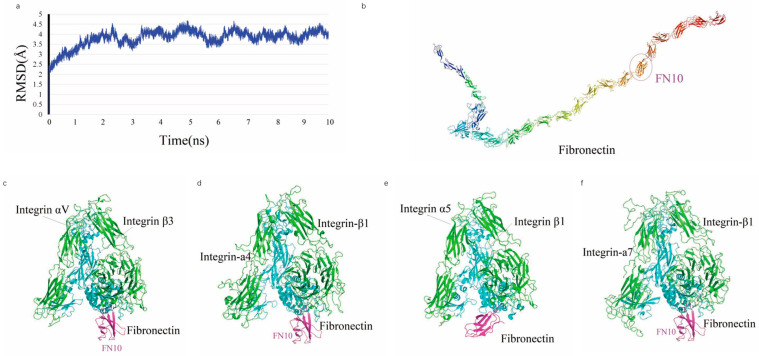 Figure 1
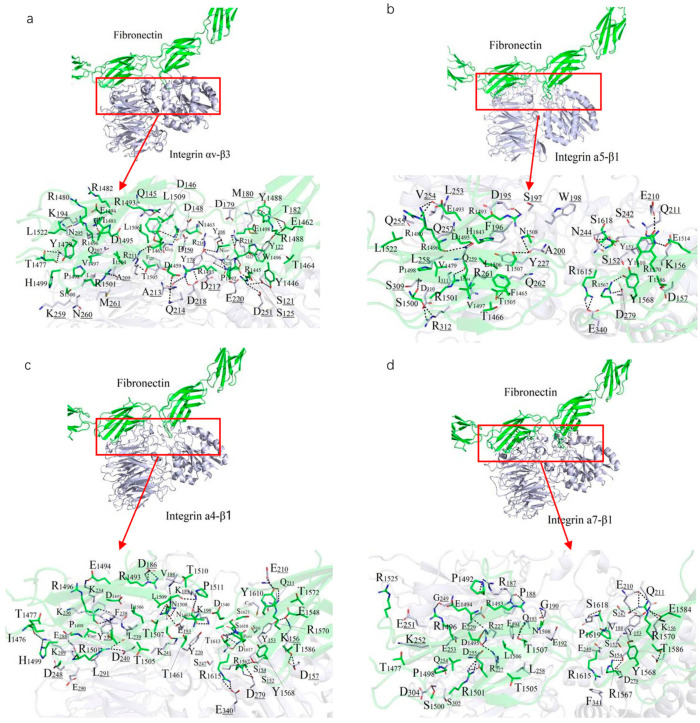 Figure 2
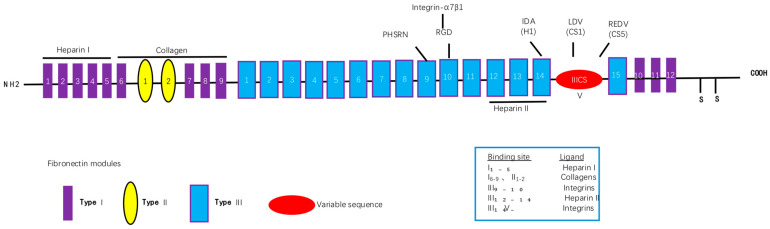 Figure 3
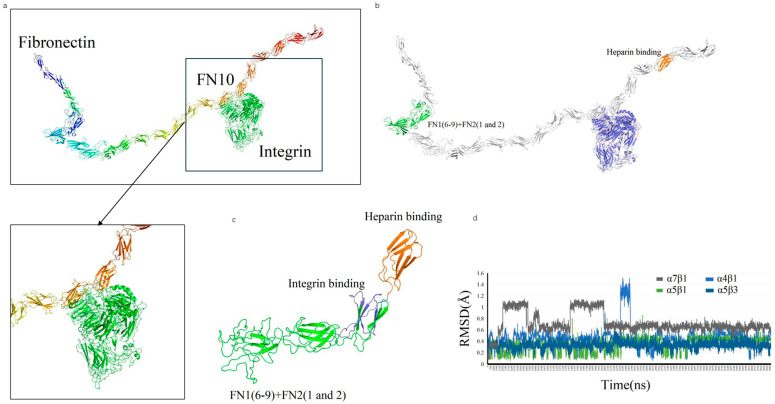 Figure 4
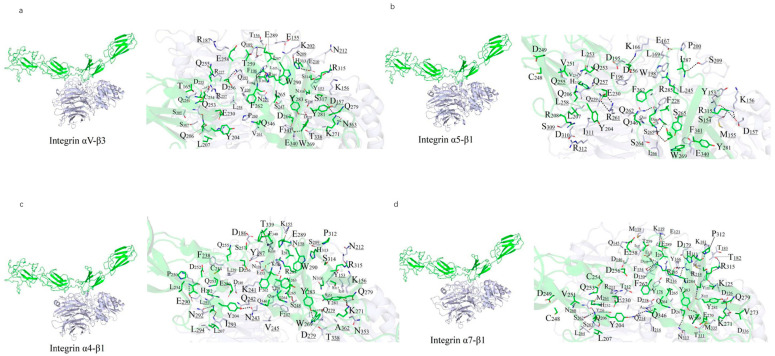 Figure 5
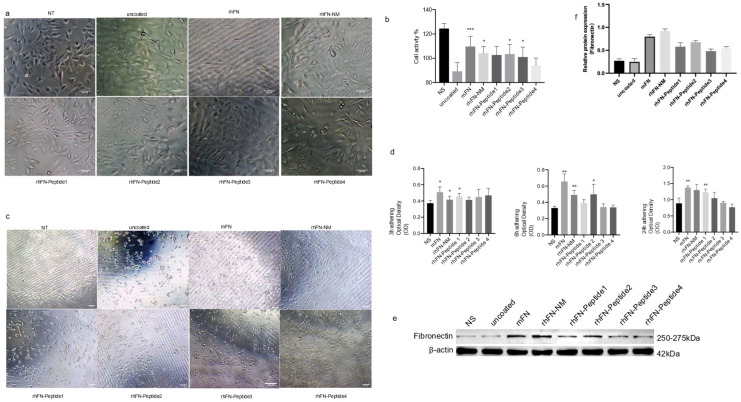 Figure 6
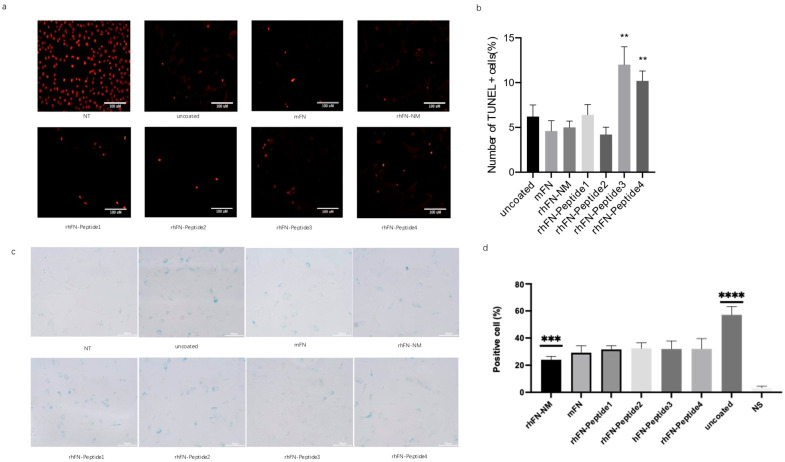 Figure 7
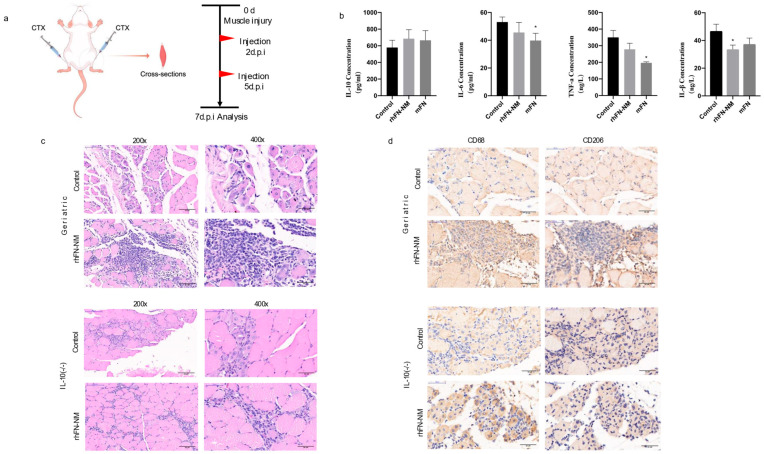 Figure 8
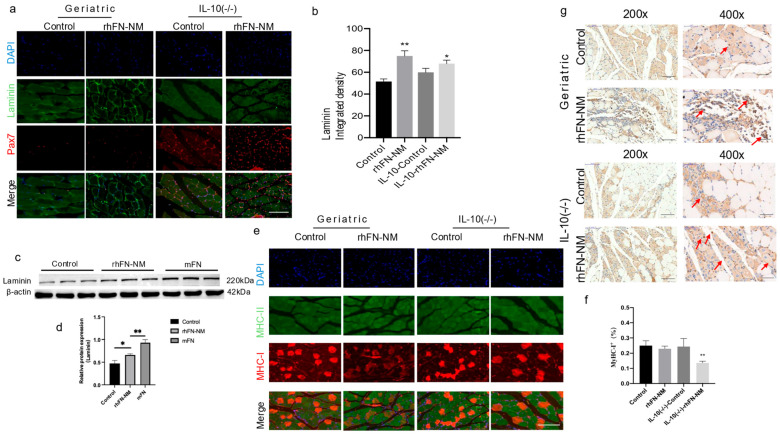 Figure 9
Peer Reviews
No public reviews on file for this paper yet. If you reviewed it on a platform where reviews are public (OpenReview, ICLR, NeurIPS, ICML), you can paste yours below so the community can read it here.
Videos
No videos yet. Explain this paper in a talk, walkthrough, or lecture? Add one.
Taxonomy
TopicsMuscle Physiology and Disorders · Cell Adhesion Molecules Research · Exercise and Physiological Responses