Streptozotocin Causes Blood–Brain Barrier and Astrocytic Dysfunction In Vitro
Sarah A. Habib, Mohamed M. Kamal, Mohamed H. Aly, Heba R. Ghaiad, Sherine M. Rizk, William A. Banks, Michelle A. Erickson

TL;DR
Streptozotocin (STZ) can damage the blood-brain barrier and astrocytes in lab models, which may explain some of its neurotoxic effects.
Contribution
This study is the first to show that STZ directly affects brain endothelial cells and astrocytes, leading to blood-brain barrier dysfunction.
Findings
STZ reduces transendothelial electrical resistance and increases albumin leakage in brain endothelial-like cells.
STZ decreases tight junction proteins and GLUT-1 in brain endothelial-like cells.
STZ reduces GFAP and cell numbers in astrocytes, indicating toxicity.
Abstract
Streptozotocin (STZ) is an alkylating agent that has neurotoxic effects when injected into the cerebral ventricles (ICV) and also models many other features of Alzheimer’s disease. However, the mechanisms of STZ neurotoxicity are not well understood. In this study, we hypothesized that some of the neurotoxic effects of STZ could be due to direct activities on brain endothelial cells and astrocytes, which are key in forming and supporting the functions of the blood–brain barrier (BBB), respectively. To test this hypothesis, we characterized the changes induced by STZ either in cultures of human-induced pluripotent stem cell (iPSC)-derived brain endothelial-like cells (iBECs), which form an in vitro BBB model, or in primary human astrocytes. We found that STZ at a dosage of 5 mM caused a delayed reduction in the transendothelial electrical resistance (TEER) of iBECs at 7–11 days…
Genes, proteins, chemicals, diseases, species, mutations and cell lines named across the full text — each resolved to its canonical identifier and authoritative record.
Click any figure to enlarge with its caption.
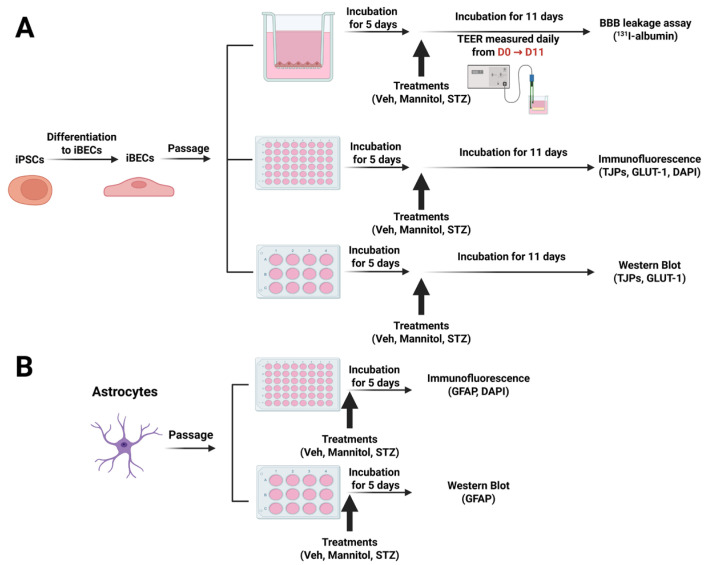 Figure 1
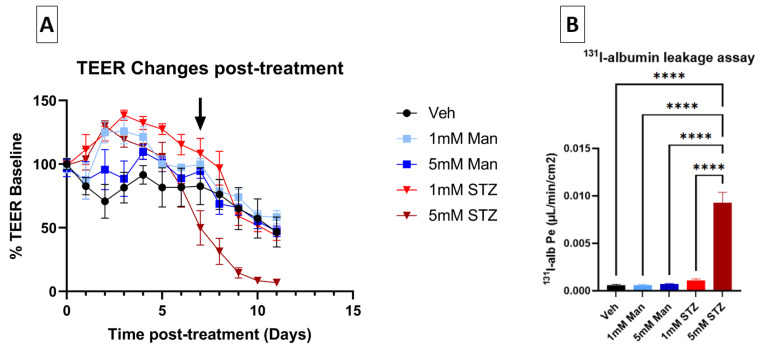 Figure 2
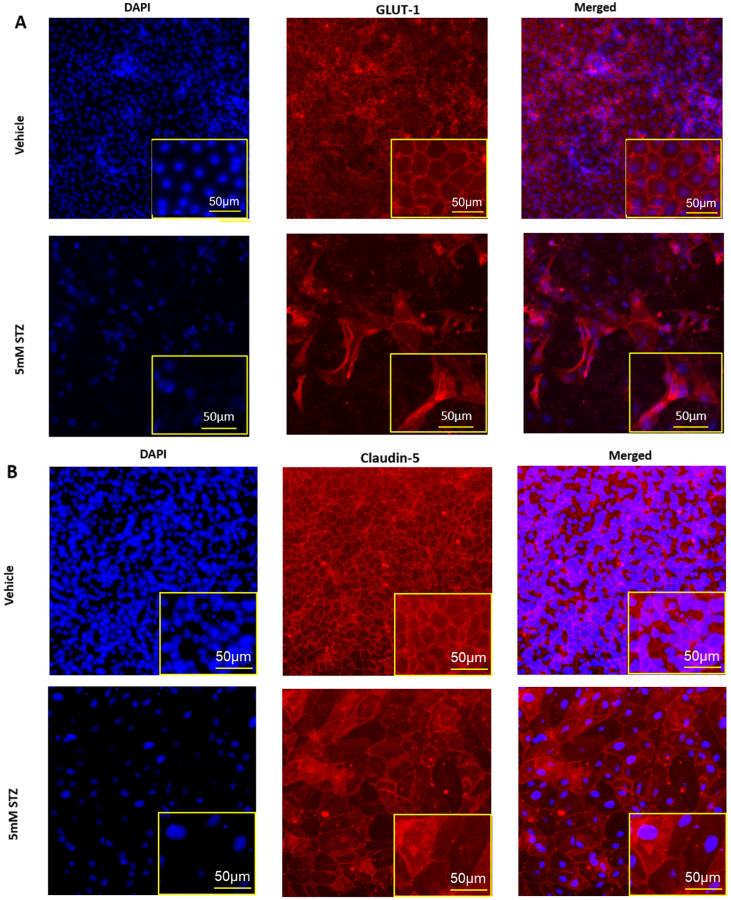 Figure 3
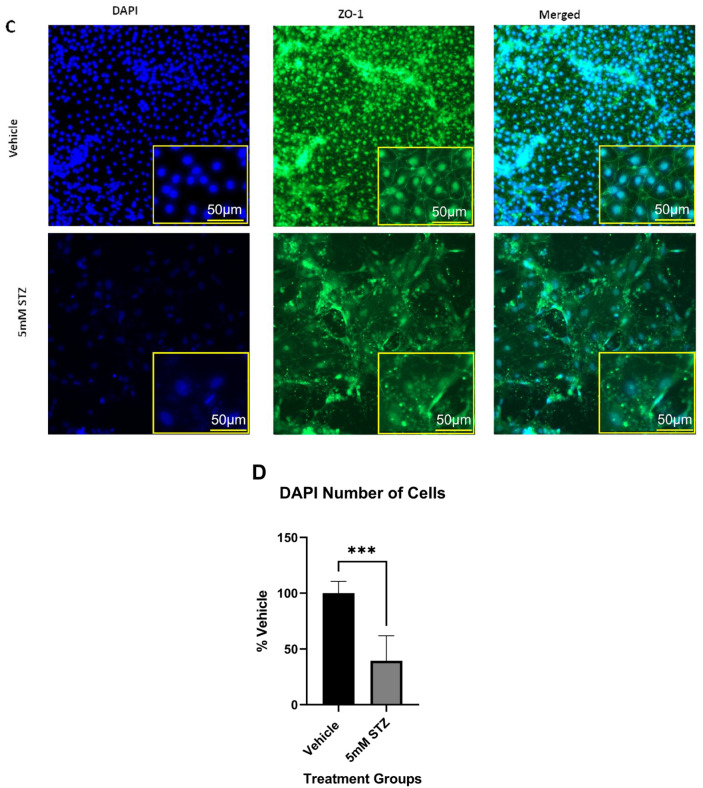 Figure 4
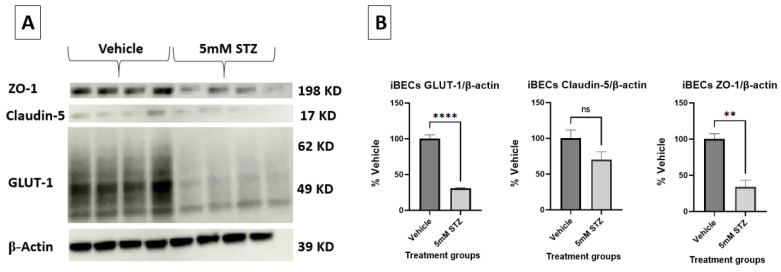 Figure 5
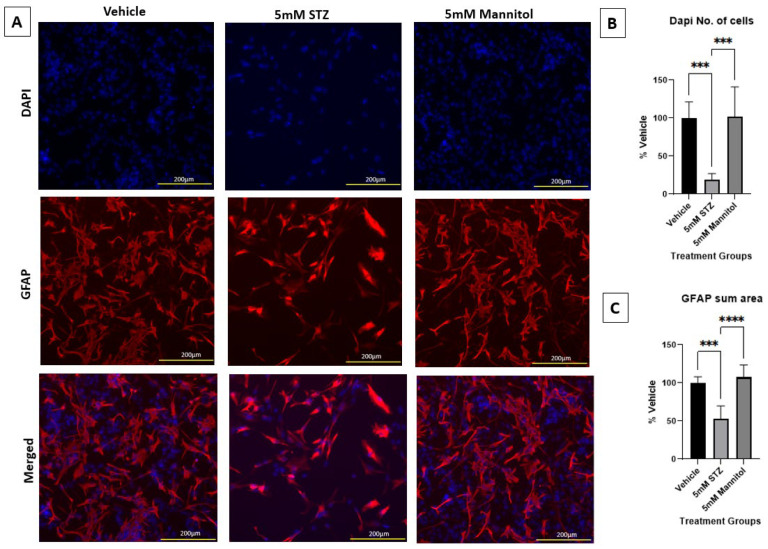 Figure 6
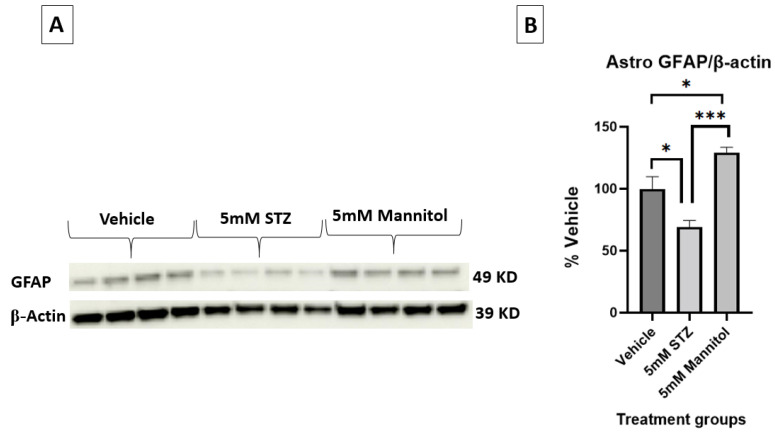 Figure 7
Peer Reviews
No public reviews on file for this paper yet. If you reviewed it on a platform where reviews are public (OpenReview, ICLR, NeurIPS, ICML), you can paste yours below so the community can read it here.
Videos
No videos yet. Explain this paper in a talk, walkthrough, or lecture? Add one.
Taxonomy
TopicsBarrier Structure and Function Studies · Ginkgo biloba and Cashew Applications · Alzheimer's disease research and treatments