Comparative Effectiveness of Interventions to Treat Cancer Treatment-Related Cognitive Impairment in Adult Cancer Survivors Following Systemic Therapy: A Systematic Review with Network Meta-Analyses
Dianna M. Wolfe, Candyce Hamel, Jason Berard, Areti Angeliki Veroniki, Becky Skidmore, Salmaan Kanji, Kiran Rabheru, Sharon F. McGee, Leta Forbes, Igor de Lima Machado, Michelle Liu, Deanna Saunders, Lisa Vandermeer, Mark Clemons, Brian Hutton

TL;DR
This study reviews treatments for cognitive issues in cancer survivors and finds that group therapy combining education and cognitive rehab is most promising, while drugs like donepezil are ineffective.
Contribution
The study provides a systematic review and network meta-analysis comparing the effectiveness of various interventions for cancer treatment-related cognitive impairment.
Findings
Therapist-led group programs combining education and cognitive rehabilitation improved multiple cognitive domains.
Mindfulness-based interventions showed some benefits for processing speed.
Pharmacological treatments like donepezil showed no significant benefit.
Abstract
Many cancer survivors experience lasting problems with memory, attention, and other aspects of cognitive functioning after chemotherapy or other systemic treatments—often referred to as cancer treatment-related cognitive impairment (CTRCI). To better understand which treatments may help, we reviewed evidence from randomized controlled trials testing psychological, pharmacological, and other interventions for adults with established CTRCI. Across 18 studies, a structured, therapist-led group program that combined patient education with cognitive rehabilitation showed the most consistent benefits, improving several areas of thinking and memory, while mindfulness-based interventions also showed some positive effects. In contrast, medications such as donepezil did not show benefit. Although the evidence remains limited and of low certainty, these findings suggest that group-based…
Genes, proteins, chemicals, diseases, species, mutations and cell lines named across the full text — each resolved to its canonical identifier and authoritative record.
Click any figure to enlarge with its caption.
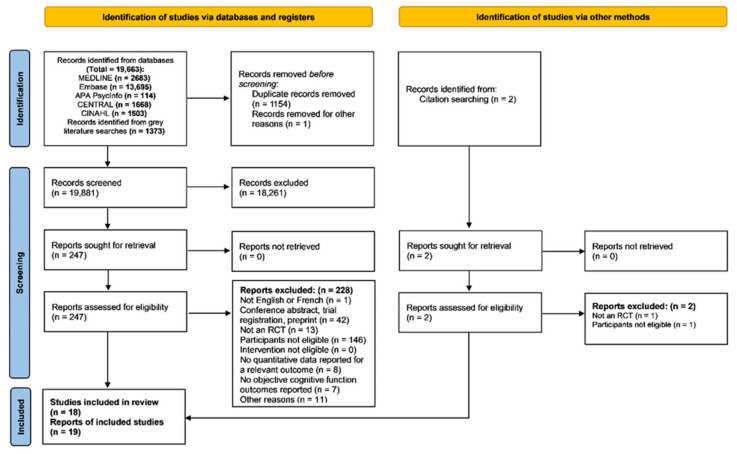 Figure 1
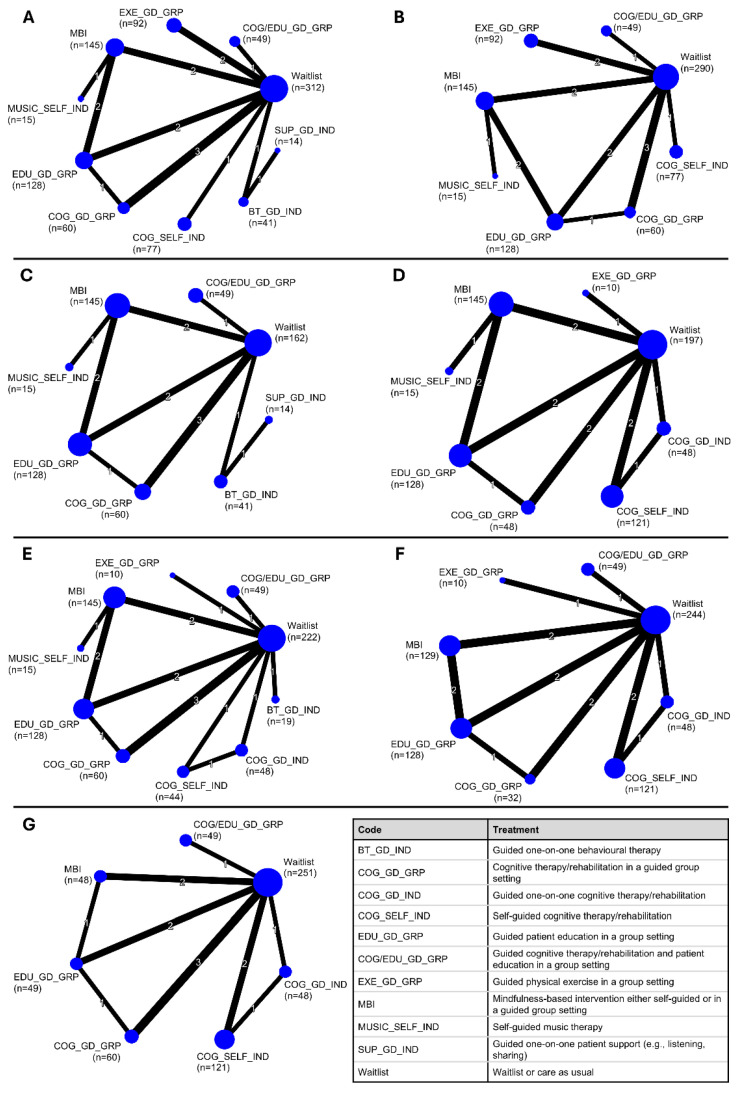 Figure 2
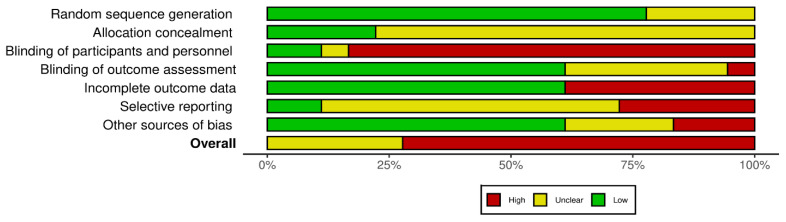 Figure 3
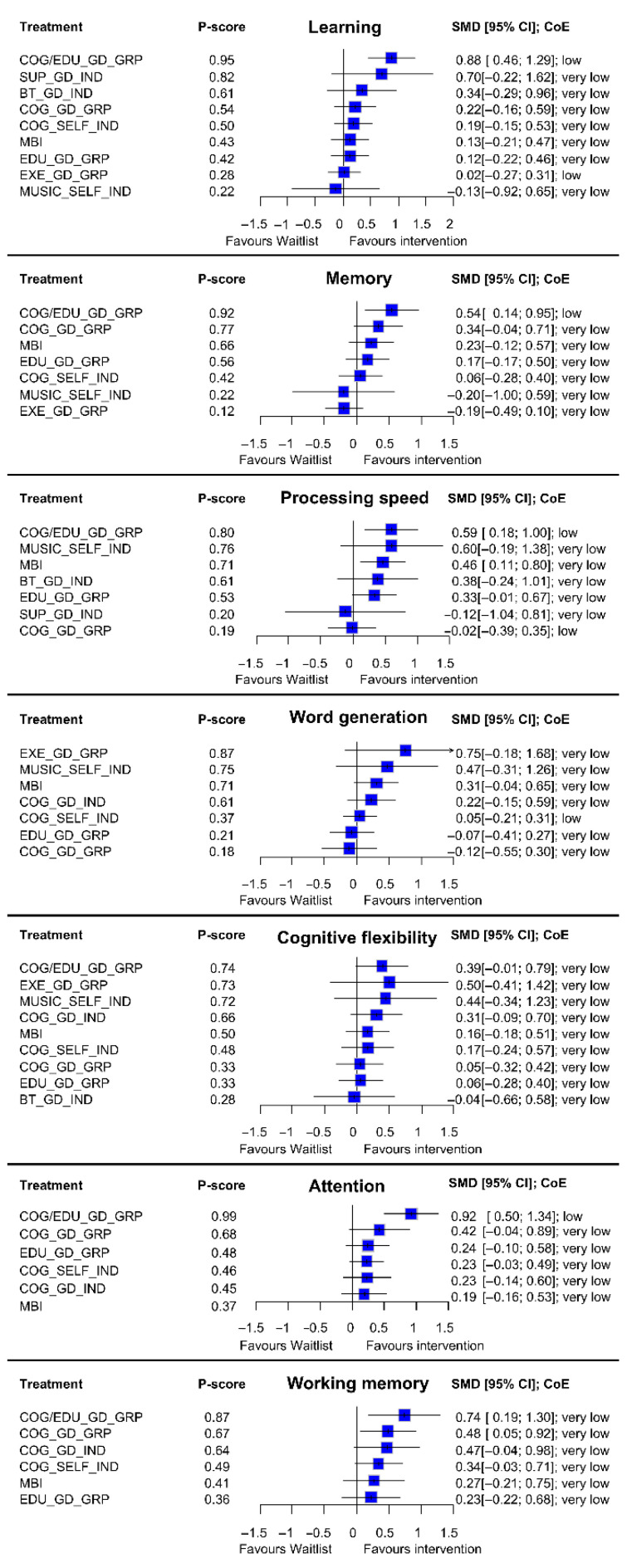 Figure 4
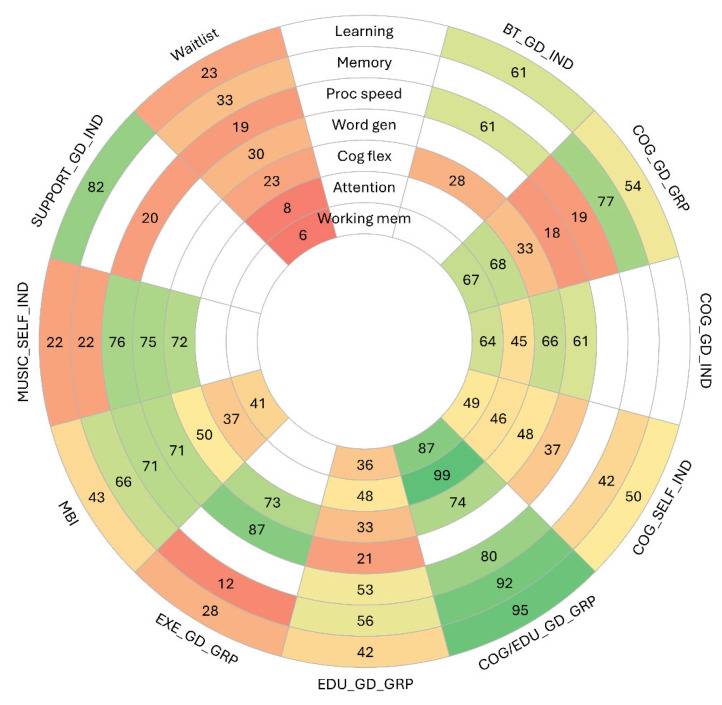 Figure 5
Peer Reviews
No public reviews on file for this paper yet. If you reviewed it on a platform where reviews are public (OpenReview, ICLR, NeurIPS, ICML), you can paste yours below so the community can read it here.
Videos
No videos yet. Explain this paper in a talk, walkthrough, or lecture? Add one.
Taxonomy
TopicsCancer-related cognitive impairment studies · Cancer survivorship and care · Brain Metastases and Treatment