Application of a Novel Solid Silver Microelectrode Array for Anodic Stripping Voltammetric Determination of Thallium(I)
Mieczyslaw Korolczuk, Mateusz Ochab, Iwona Gęca

TL;DR
A new eco-friendly sensor using silver microelectrodes was developed to detect thallium(I) ions in water with high accuracy.
Contribution
The first use of a solid silver microelectrode array for thallium(I) detection without electrode modification.
Findings
The sensor detected thallium(I) in the range of 5 × 10⁻¹⁰ to 1 × 10⁻⁷ mol·L−1 with a detection limit of 1.35 × 10⁻¹⁰ mol·L−1.
The procedure showed good repeatability with an RSD% of 3.6% for Tl(I) measurements.
The method was successfully applied to certified reference materials and environmental water samples.
Abstract
The article reports for the first time the application of a solid silver microelectrode array for the anodic stripping voltammetric determination of thallium(I) ions (Tl(I)). The microelectrode properties of the presented sensor were tested. The proposed solid metal microelectrode array is characterized by its eco-friendly nature due to the use of non-toxic electrode material. The advantage of this procedure is that no surface modification of the microelectrode was required. The optimization of the procedure for determining Tl(I) was performed. The experimental parameters (e.g., pH of supporting electrolyte, conditions of activation step, potential and time of deposition, effects of possible interferences) were investigated. The dependence of the thallium peak current on its concentration was linear in the range from 5 × 10⁻¹⁰ to 1 × 10⁻⁷ mol·L−1 (deposition time of 120 s). The…
Genes, proteins, chemicals, diseases, species, mutations and cell lines named across the full text — each resolved to its canonical identifier and authoritative record.
Click any figure to enlarge with its caption.
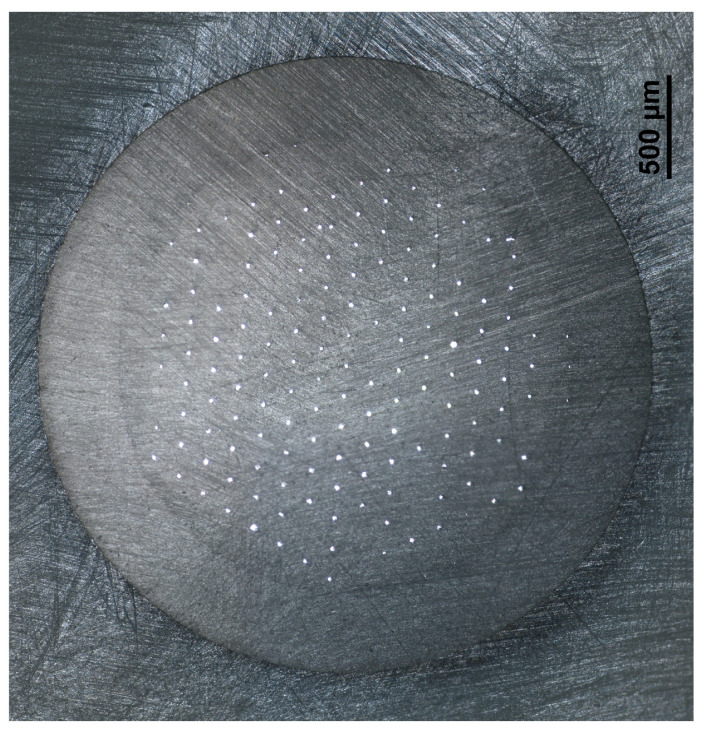 Figure 1
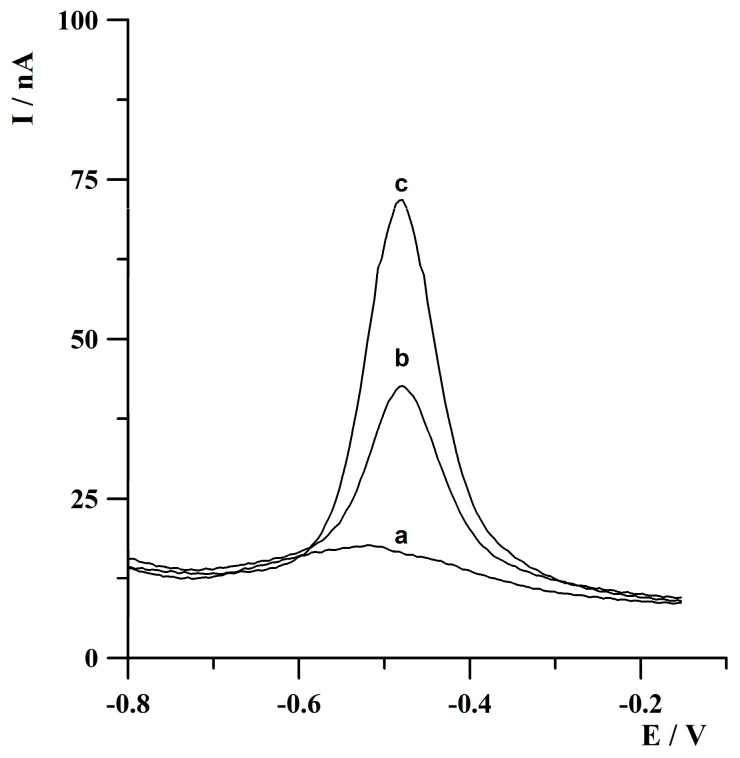 Figure 2
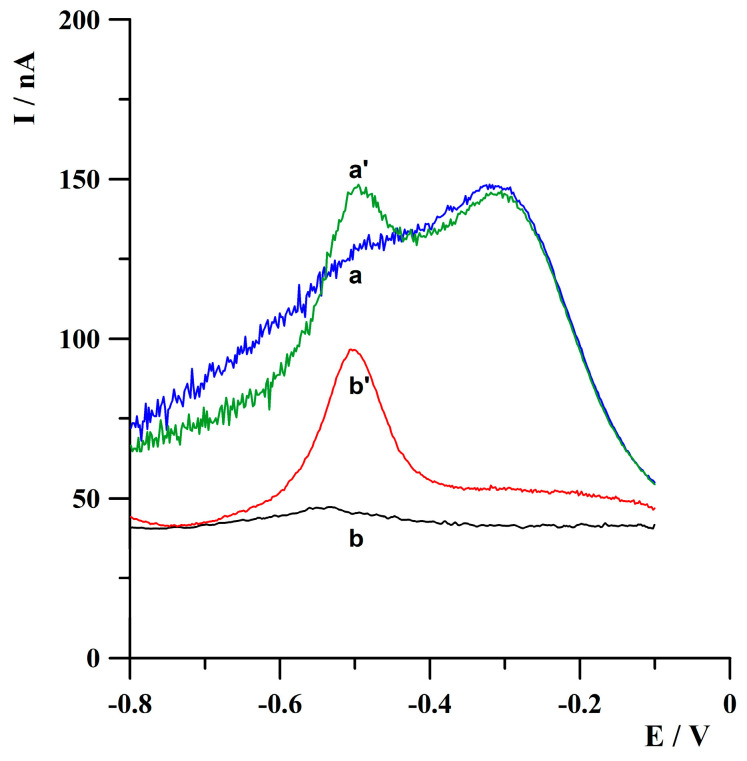 Figure 3
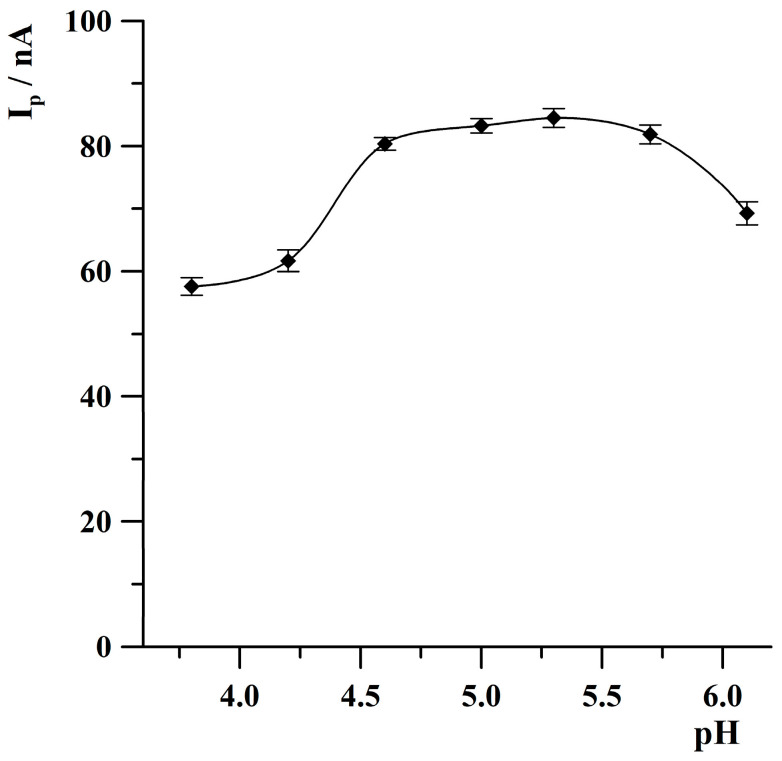 Figure 4
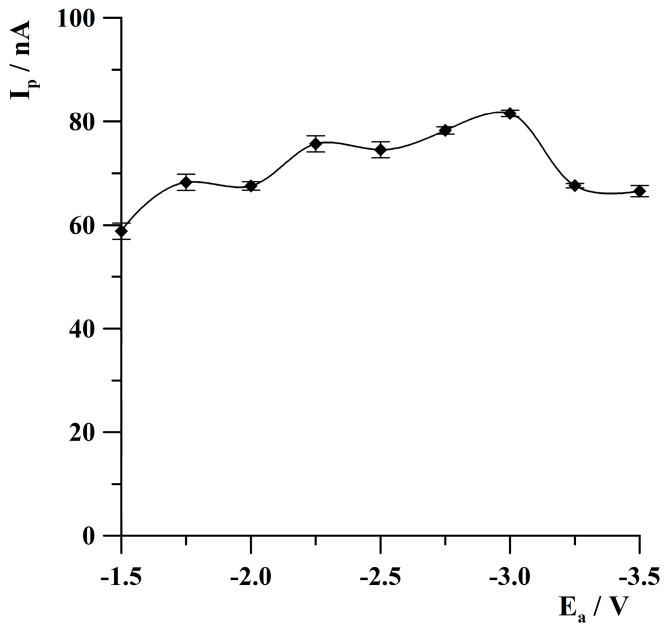 Figure 5
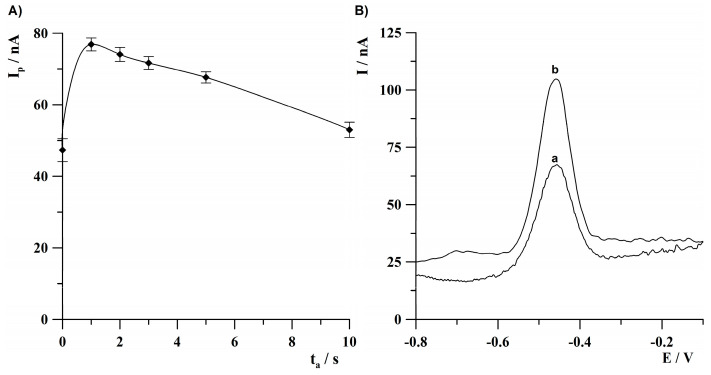 Figure 6
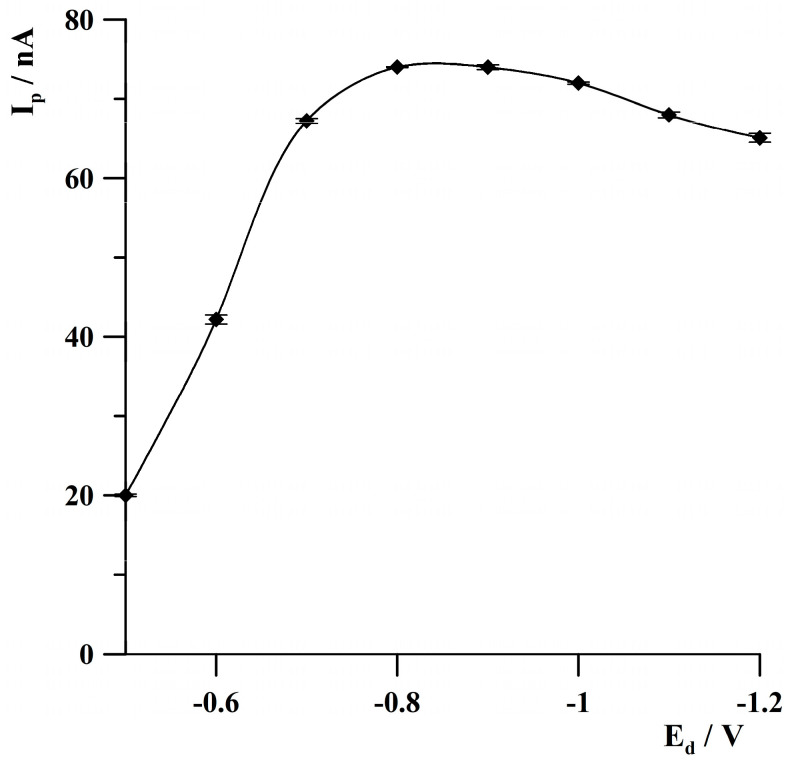 Figure 7
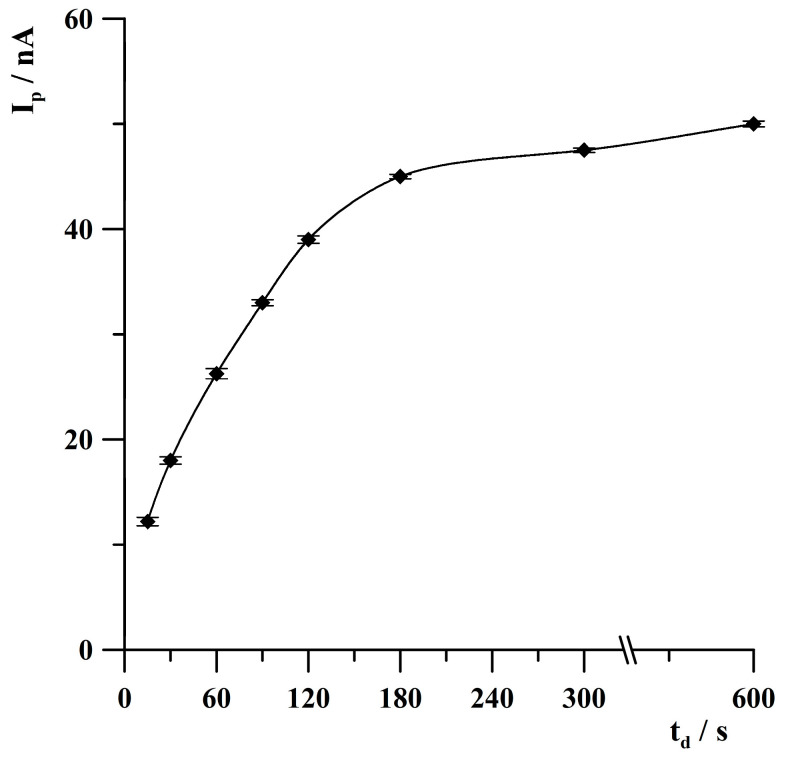 Figure 8
 Figure 9
 Figure 10
 Figure 11
 Figure 12
Peer Reviews
No public reviews on file for this paper yet. If you reviewed it on a platform where reviews are public (OpenReview, ICLR, NeurIPS, ICML), you can paste yours below so the community can read it here.
Videos
No videos yet. Explain this paper in a talk, walkthrough, or lecture? Add one.
Taxonomy
TopicsElectrochemical Analysis and Applications · Analytical Chemistry and Sensors · Analytical chemistry methods development