Pathological and Functional Brain Amyloids: A New Concept Explaining the Differences
Alexey P. Galkin, Vladimir A. Mitkevich, Alexander A. Makarov, Anna A. Valina, Evgeniy I. Sysoev

TL;DR
The paper explains how some brain amyloids are harmful while others are not, based on their interactions with specific targets.
Contribution
The paper introduces the concept of 'available targets' to explain amyloid toxicity, contrasting with previous assumptions about amino acid composition.
Findings
Pathological and functional amyloids do not differ in amino acid composition.
Amyloid toxicity is determined by interactions with specific targets like PrPC or mitochondrial membranes.
Functional amyloids avoid harmful targets due to localized translation or interactions with physiological partners.
Abstract
In recent years, amyloid proteins that perform vital functions in the brain have been characterized. The question of why some amyloids are neurotoxic while others are harmless remains open. Here, we provide a brief overview of pathological and functional brain amyloids and present a comparative analysis of their amino acid sequences based on the percentage of hydrophobic and charged residues, as well as their enrichment in glutamine, asparagine, serine, and glycine. We demonstrate that pathological and functional brain amyloid proteins, along with their amyloidogenic fragments, do not differ in amino acid composition, contrary to previous assumptions. The ability of an amyloid to cause toxicity can instead be explained by the concept of “available targets”. Evidence from studies of pathological amyloids demonstrate that their toxicity is determined not only by a loss of function but…
Genes, proteins, chemicals, diseases, species, mutations and cell lines named across the full text — each resolved to its canonical identifier and authoritative record.
Click any figure to enlarge with its caption.
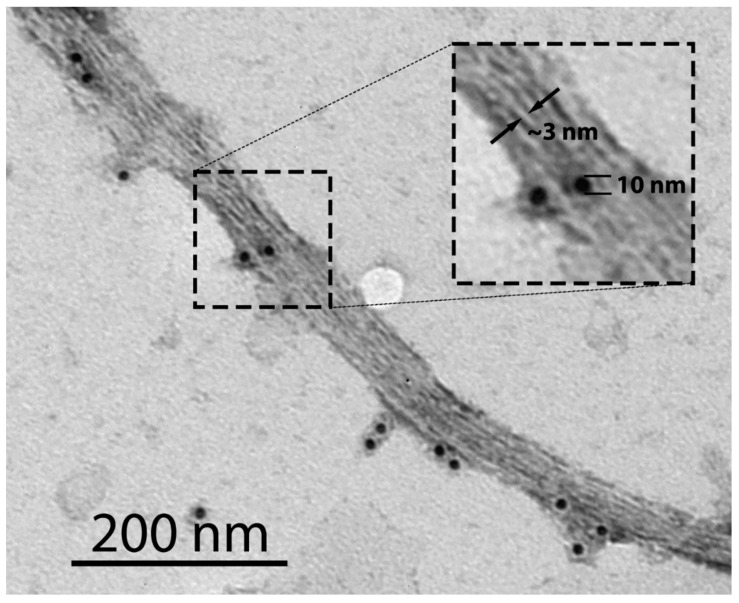 Figure 1
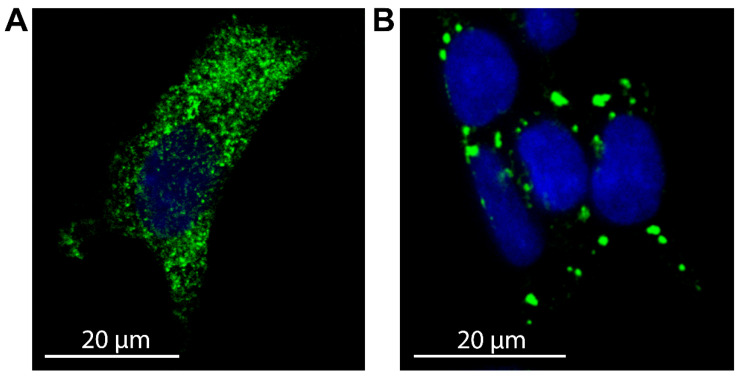 Figure 2
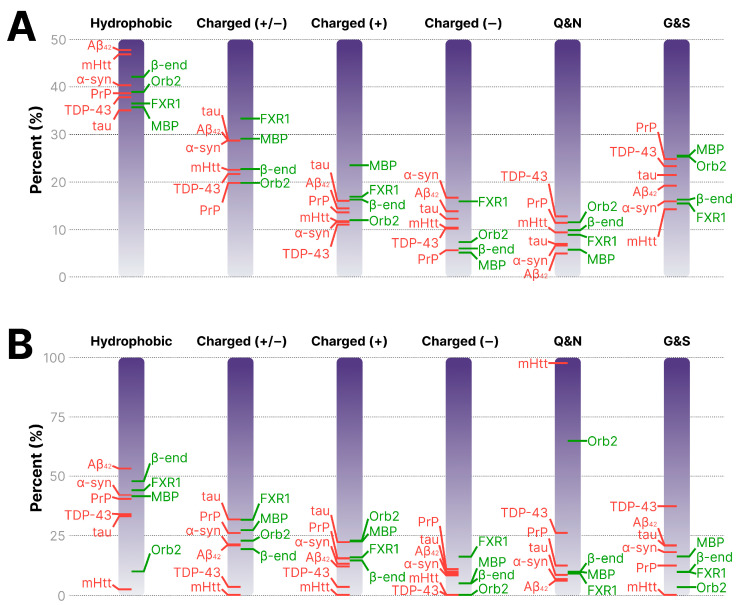 Figure 3
Peer Reviews
No public reviews on file for this paper yet. If you reviewed it on a platform where reviews are public (OpenReview, ICLR, NeurIPS, ICML), you can paste yours below so the community can read it here.
Videos
No videos yet. Explain this paper in a talk, walkthrough, or lecture? Add one.
Taxonomy
TopicsAlzheimer's disease research and treatments · Amyloidosis: Diagnosis, Treatment, Outcomes · Intracerebral and Subarachnoid Hemorrhage Research