Neonatal Febrile Seizures in Rats Induce Long-Term Region-Specific Alterations in the Glutamatergic System of Hippocampal–Prefrontal Circuits and Lead to Behavioral Deficits
Alexandra V. Griflyuk, Olga E. Zubareva, Anna A. Kovalenko, Maria V. Zakharova, Aleksey V. Zaitsev

TL;DR
Neonatal febrile seizures in rats cause long-term changes in brain regions linked to anxiety and emotional regulation, leading to behavioral issues in adulthood.
Contribution
This study is the first to show region-specific, long-term glutamatergic system alterations and behavioral deficits following neonatal febrile seizures.
Findings
Neonatal febrile seizures cause region-specific molecular changes in the glutamatergic system in the ventral hippocampus and medial prefrontal cortex.
Behavioral outcomes include hyperanxiety and locomotor deficits, but working memory and sociability remain unaffected.
The findings suggest a neurobiological mechanism linking early-life febrile seizures to increased anxiety risk.
Abstract
This study provides the first comprehensive analysis of long-term, region-specific changes in the entire glutamatergic system (iGluRs, mGluRs, EAATs) after neonatal febrile seizures. The most severe and persistent molecular alterations occur in the ventral hippocampus and medial prefrontal cortex, key nodes for emotional regulation and cognition. The behavioral outcome is characterized by a hyperanxious phenotype with locomotor and habituation deficits, but with working memory and sociability remaining unaffected. The findings reveal a precise neurobiological mechanism that could underlie the increased risk of anxiety-related disorders following early-life febrile seizures. Febrile seizures (FS) are a common childhood neurological event associated with an increased risk of long-term cognitive and emotional deficits, though the precise mechanisms remain elusive. Using a rat model, we…
Genes, proteins, chemicals, diseases, species, mutations and cell lines named across the full text — each resolved to its canonical identifier and authoritative record.
Click any figure to enlarge with its caption.
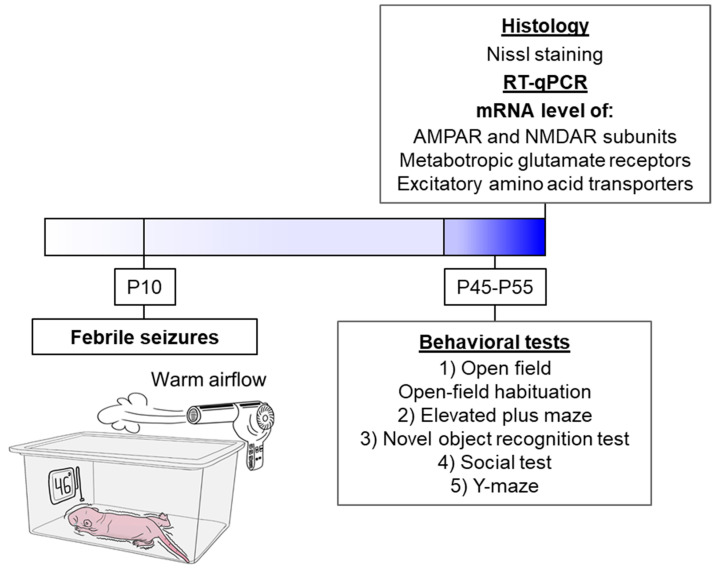 Figure 1
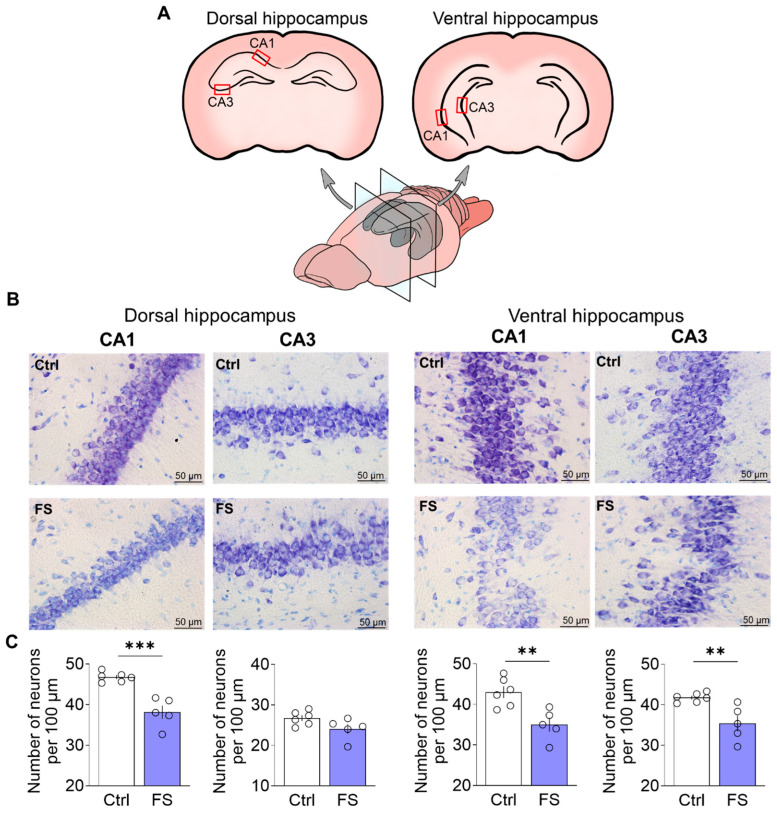 Figure 2
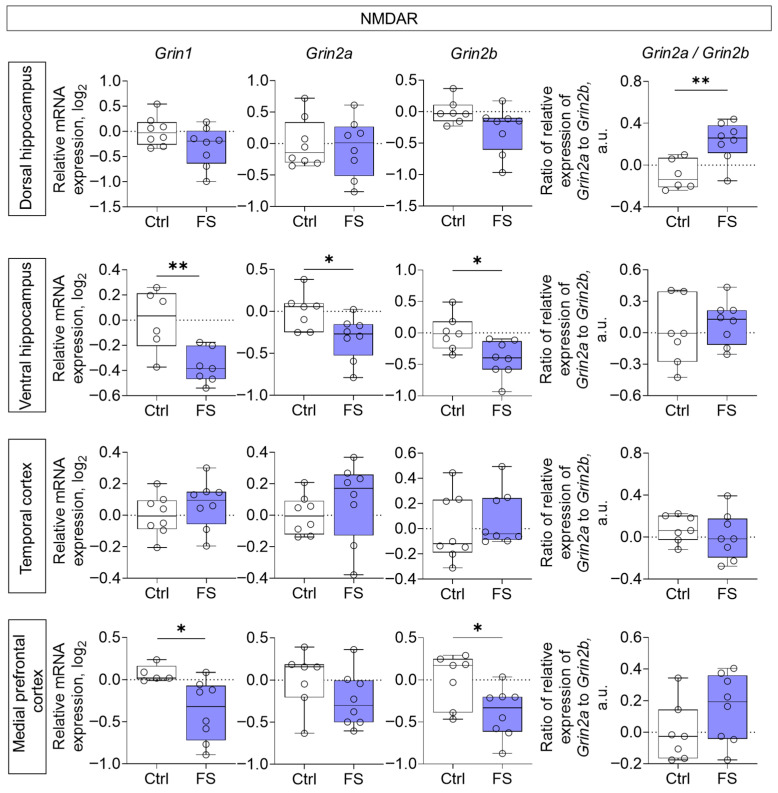 Figure 3
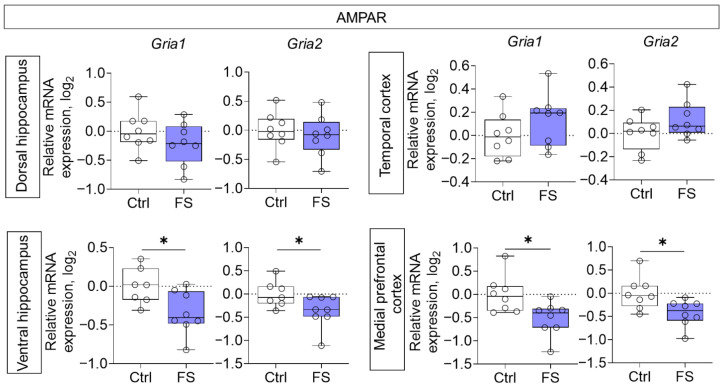 Figure 4
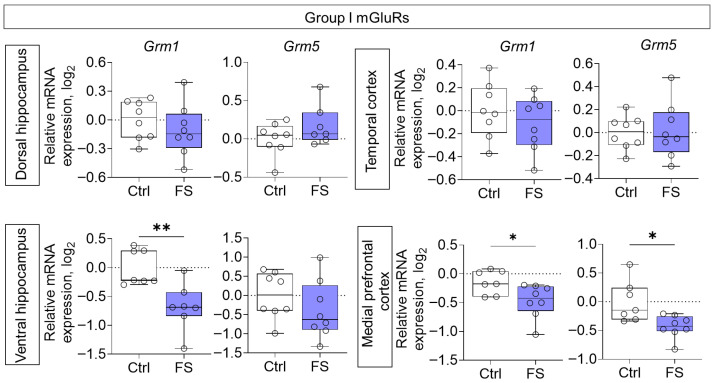 Figure 5
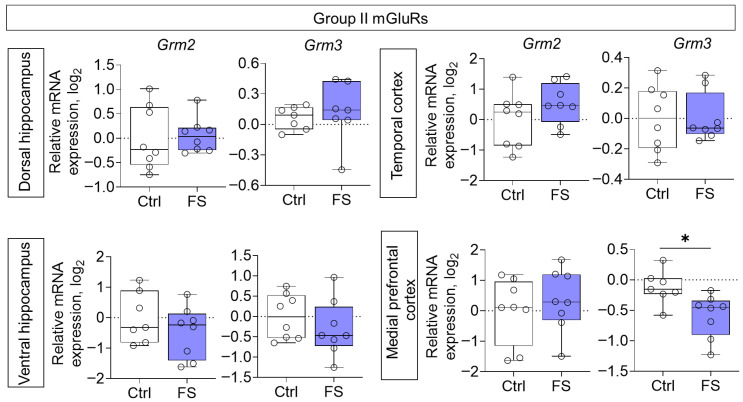 Figure 6
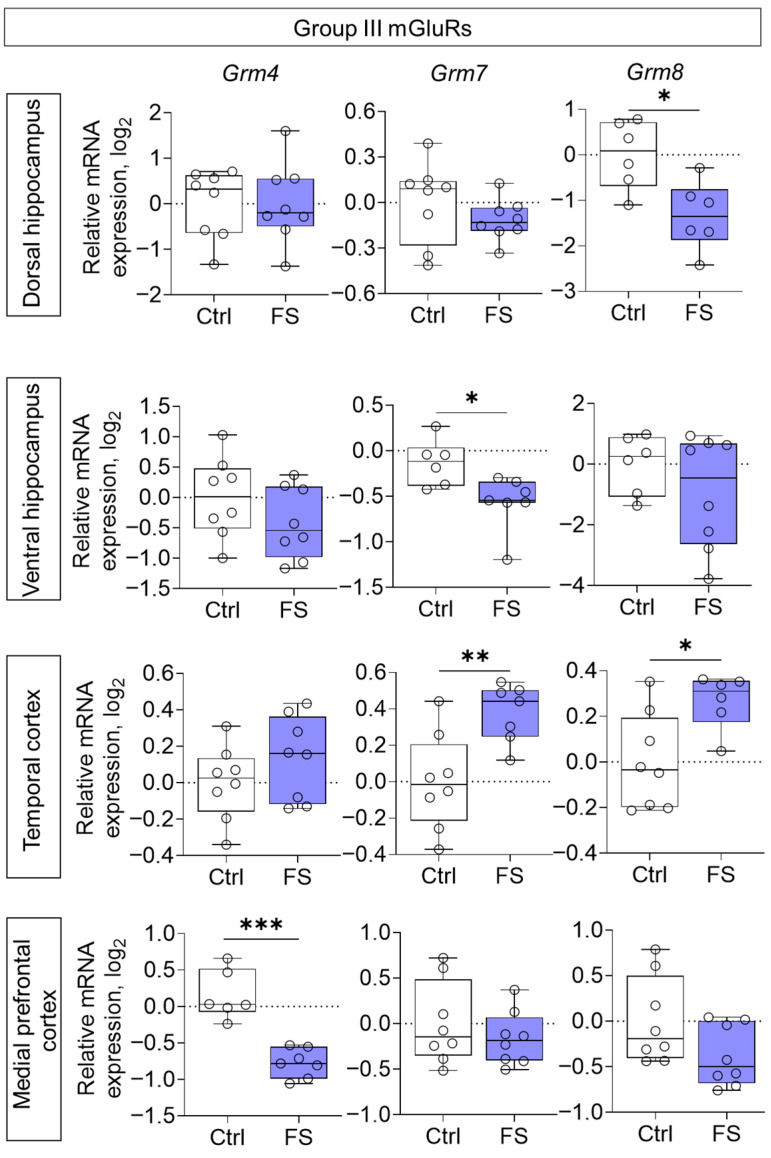 Figure 7
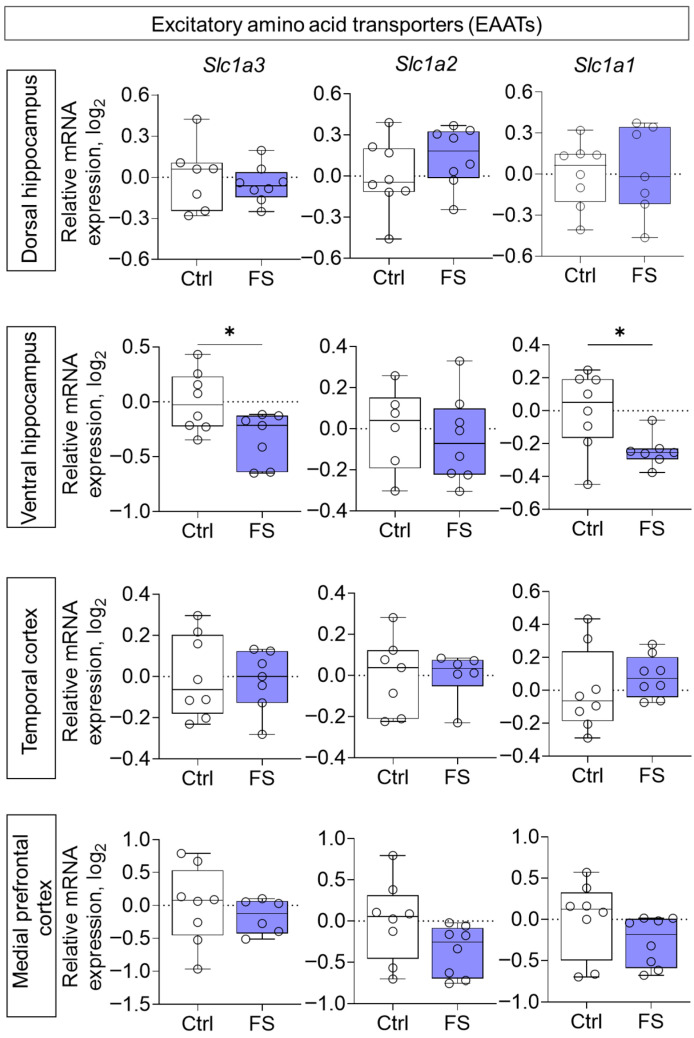 Figure 8
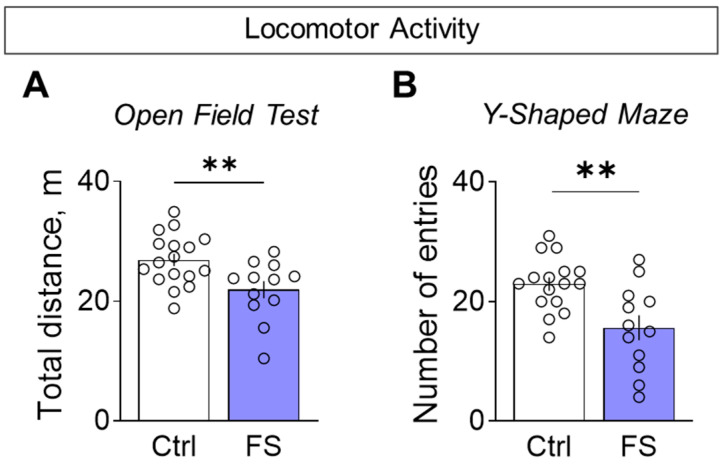 Figure 9
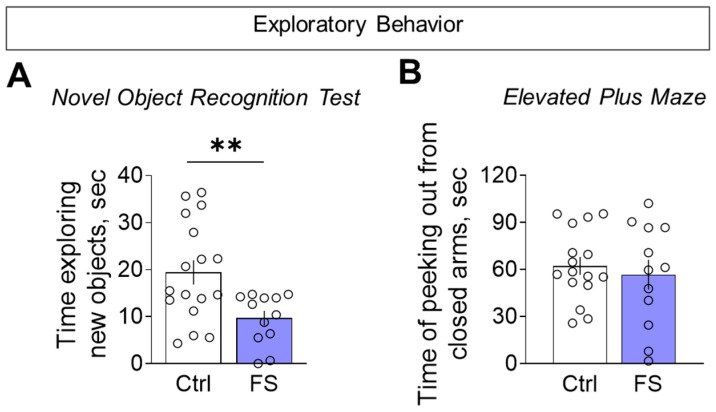 Figure 10
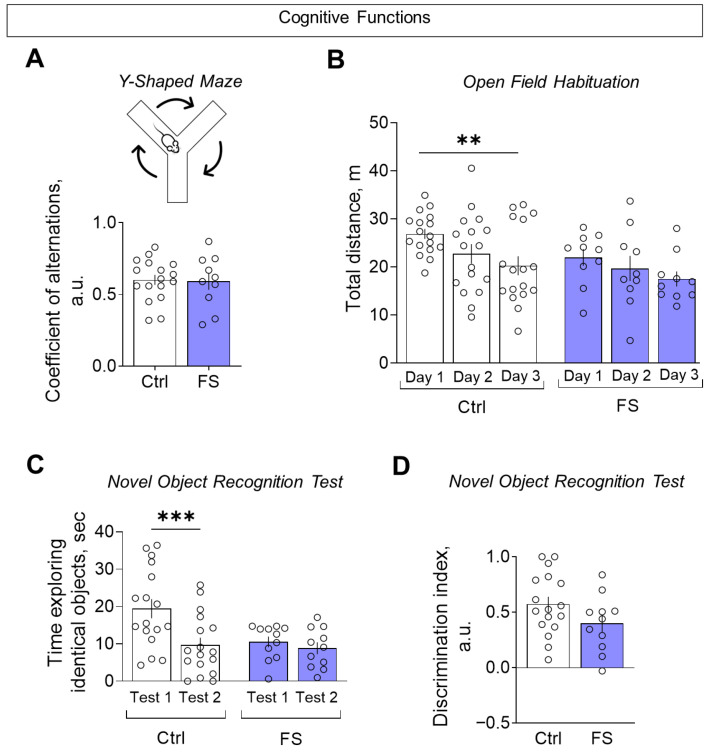 Figure 11
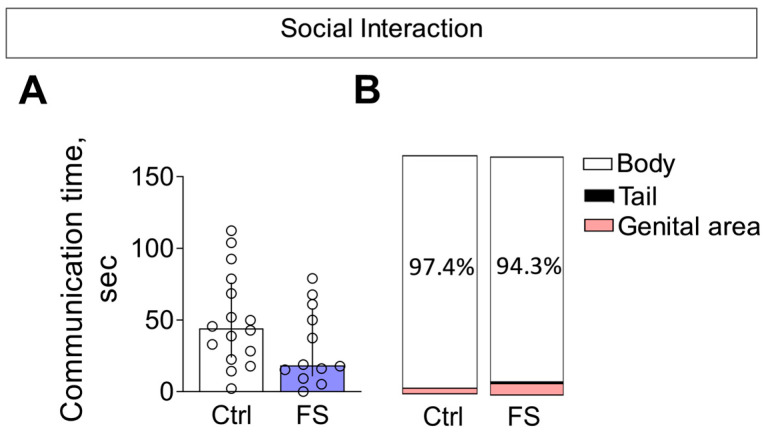 Figure 12
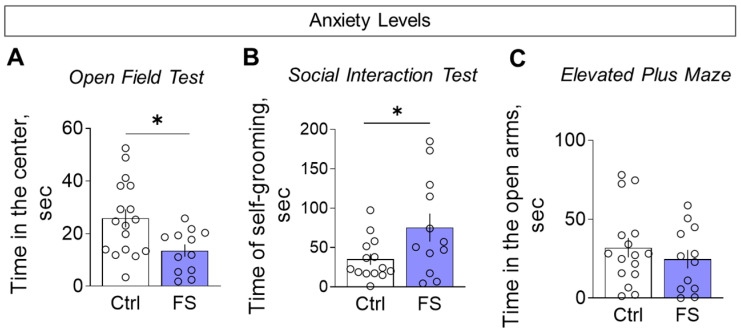 Figure 13
Peer Reviews
No public reviews on file for this paper yet. If you reviewed it on a platform where reviews are public (OpenReview, ICLR, NeurIPS, ICML), you can paste yours below so the community can read it here.
Videos
No videos yet. Explain this paper in a talk, walkthrough, or lecture? Add one.
Taxonomy
TopicsNeuroscience and Neuropharmacology Research · Memory and Neural Mechanisms · Neonatal and fetal brain pathology