Qualitative Characteristics of Semolina–Pulse Flour Mixes and Related Breads
Michele Canale, Rosalia Sanfilippo, Salvatore Moscaritolo, Maria Carola Fiore, Maria Concetta Strano, Maria Allegra, Giancarlo Fascella, Giovanni Gugliuzza, Alfio Spina

TL;DR
This study explores how adding different pulse flours to semolina affects the properties of dough and bread, finding that while some qualities change, the mix offers potential for healthier baked goods.
Contribution
The study introduces a novel evaluation of semolina-pulse flour blends, focusing on technological, physical, and rheological properties for improved baked goods.
Findings
Adding pulse flours increased water absorption but reduced dough strength and extensibility.
Bread volume and crumb porosity decreased with higher pulse flour content, especially with common bean flour.
Texture analysis showed harder, gum-like breads with increased chew resistance when using higher pulse flour levels.
Abstract
In recent years, pulse flours have gained attention in baked goods for their nutritional value. This study evaluated the effects of incorporating common bean, yellow pea, and grass pea flours (20%, 30%, 40%) into durum wheat semolina on the technological, physical, and rheological properties of flours, doughs, and breads. Combining pulse flours with durum wheat semolina allows for improved dough handling and processing performance, leveraging the functional properties of both ingredients. Water absorption increased with pulse flour addition (average 1.90 g H2O/g dry matter), though higher levels of yellow pea and grass pea reduced it. Color changes were most evident with common bean flour. Leavening rates varied, reaching 144% after 60 min with 30% yellow pea and 68.75% after 40 min with 30% common bean. Rheological results indicated longer dough development and stability times but…
Genes, proteins, chemicals, diseases, species, mutations and cell lines named across the full text — each resolved to its canonical identifier and authoritative record.
Click any figure to enlarge with its caption.
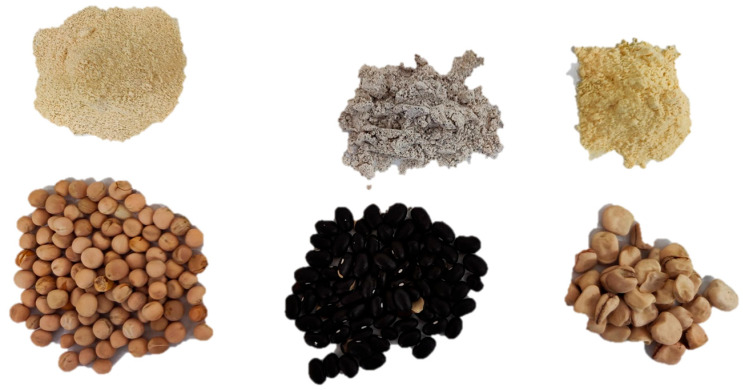 Figure 1
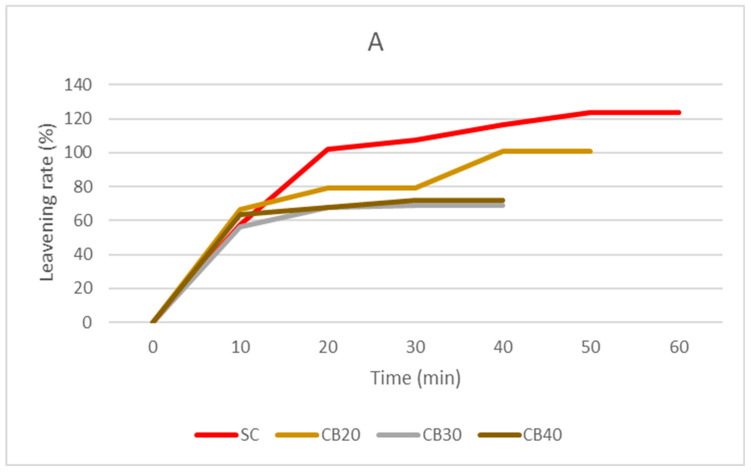 Figure 2
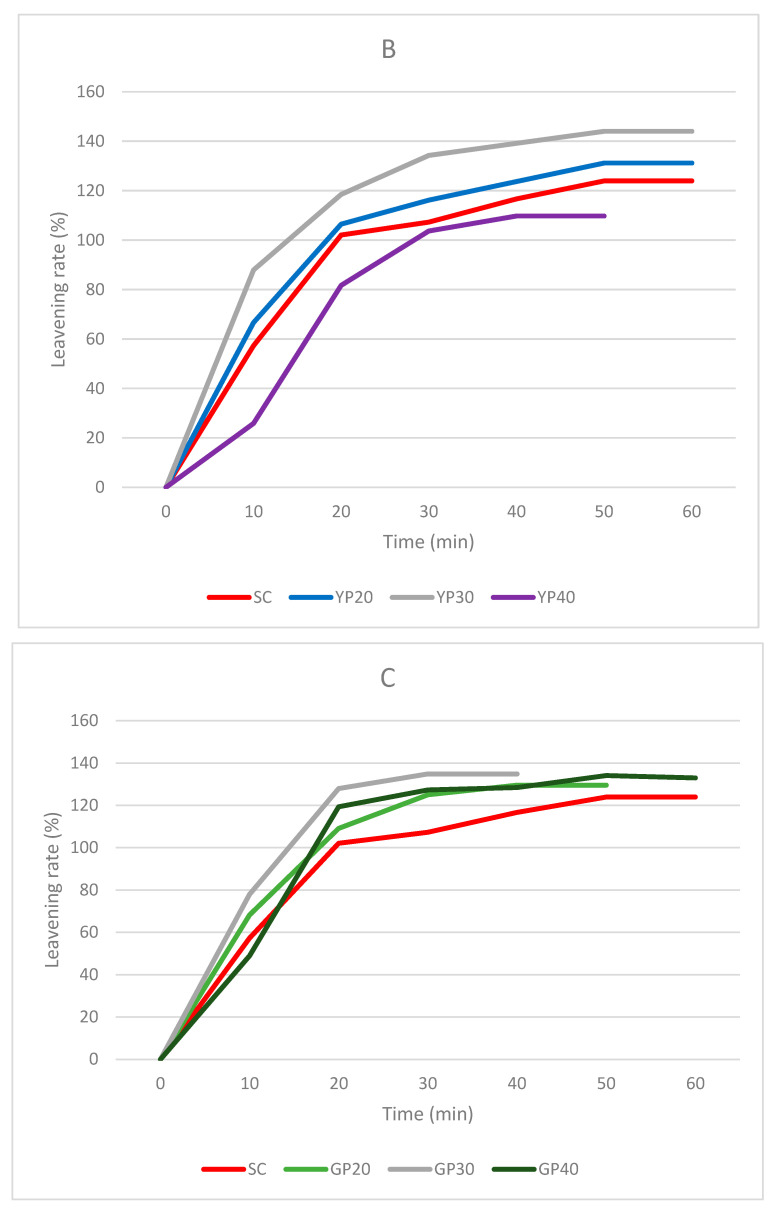 Figure 3
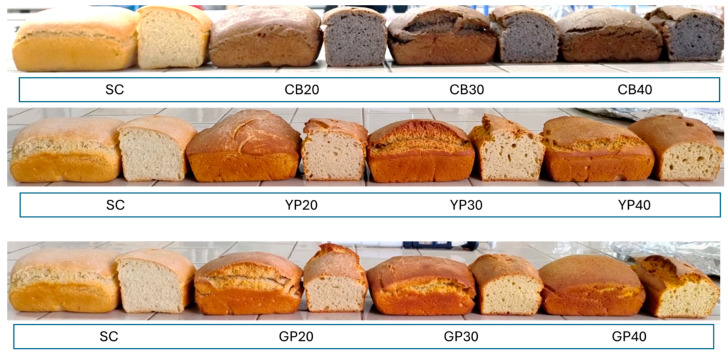 Figure 4
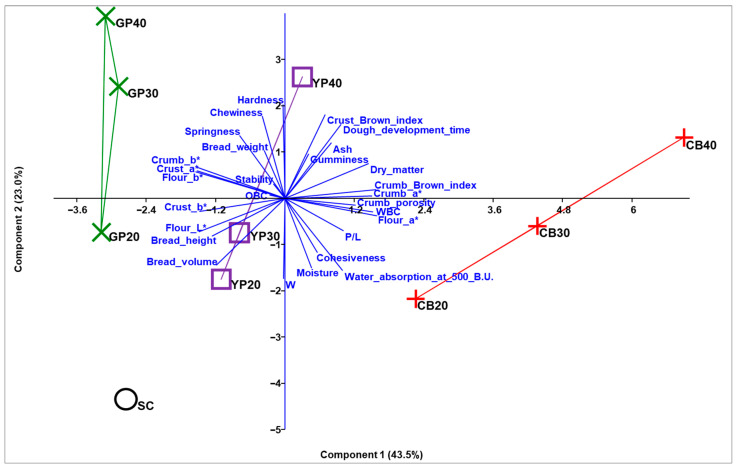 Figure 5
Peer Reviews
No public reviews on file for this paper yet. If you reviewed it on a platform where reviews are public (OpenReview, ICLR, NeurIPS, ICML), you can paste yours below so the community can read it here.
Videos
No videos yet. Explain this paper in a talk, walkthrough, or lecture? Add one.
Taxonomy
TopicsFood composition and properties · Nuts composition and effects · Polysaccharides Composition and Applications