Cellular and Molecular Effects of Targeting the CBP/β-Catenin Interaction with PRI-724 in Melanoma Cells, Drug-Naïve and Resistant to Inhibitors of BRAFV600 and MEK1/2
Anna Gajos-Michniewicz, Michal Wozniak, Katarzyna Anna Kluszczynska, Malgorzata Czyz

TL;DR
This study explores the potential of PRI-724, a CBP/β-catenin inhibitor, to treat melanoma, including drug-resistant forms, by reducing cell survival and invasiveness.
Contribution
The study is the first to assess PRI-724's effects in melanoma, identifying CBP/β-catenin as a new therapeutic target.
Findings
PRI-724 reduced survivin and other CBP/β-catenin target proteins, inducing apoptosis in drug-naïve and resistant melanoma cells.
Trametinib-resistant cells showed the highest sensitivity to PRI-724, suggesting a new therapeutic vulnerability.
High survivin levels in vemurafenib-resistant cells correlated with reduced PRI-724 responsiveness and poor prognosis.
Abstract
Targeted therapies, including treatment with inhibitors of BRAFV600 and MEK kinases, have improved outcomes in advanced melanoma. However, most patients relapse due to acquired resistance, underscoring the need for new drug targets. This study evaluated PRI-724, a CBP/β-catenin inhibitor, in patient-derived drug-naïve melanoma cells and their trametinib- or vemurafenib-resistant counterparts. While PRI-724 has demonstrated efficacy in preclinical models and clinical trials in different cancer types, its potential in melanoma has not been previously assessed. We found that treatment with PRI-724 downregulated survivin and other CBP/β-catenin target proteins, reduced invasiveness, and induced apoptosis in drug-naïve and trametinib- and vemurafenib-resistant cells. Trametinib-resistant melanoma cells showed the greatest sensitivity to PRI-724, indicating that CBP/β-catenin transcriptional…
Genes, proteins, chemicals, diseases, species, mutations and cell lines named across the full text — each resolved to its canonical identifier and authoritative record.
Click any figure to enlarge with its caption.
 Figure 1
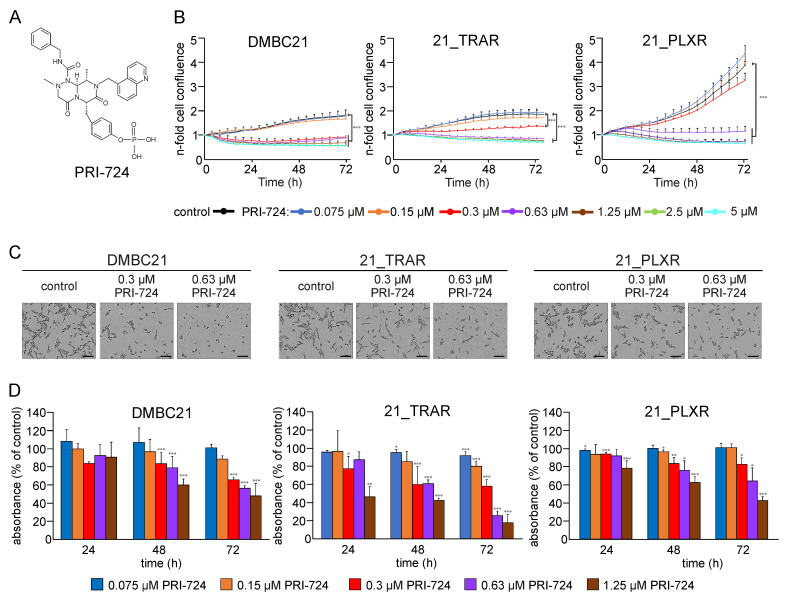 Figure 2
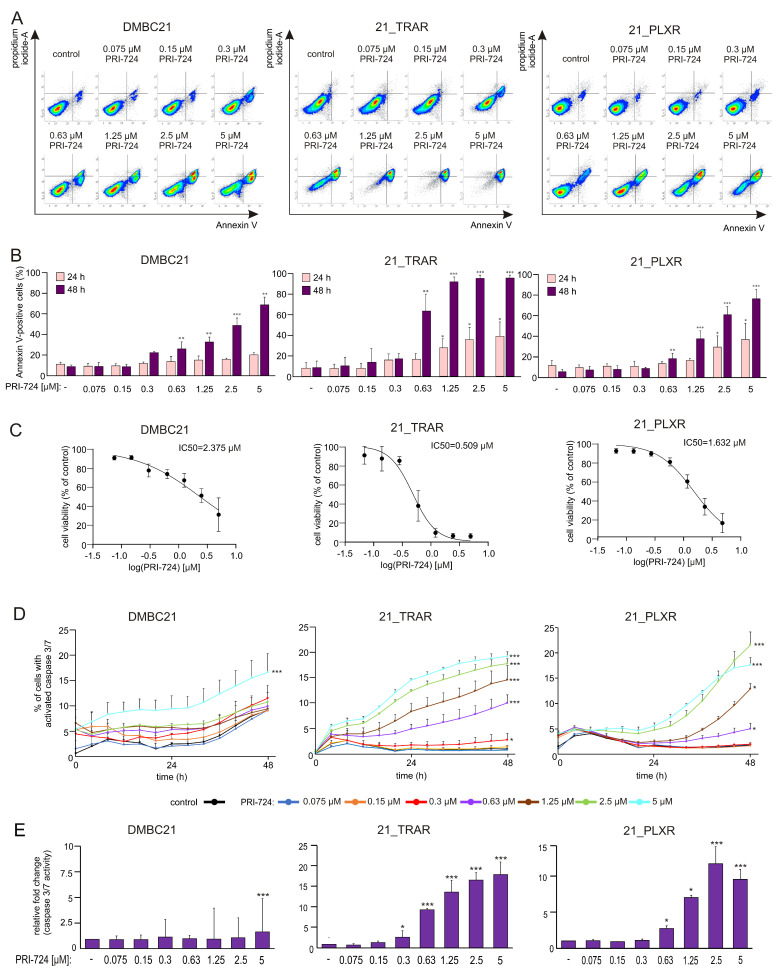 Figure 3
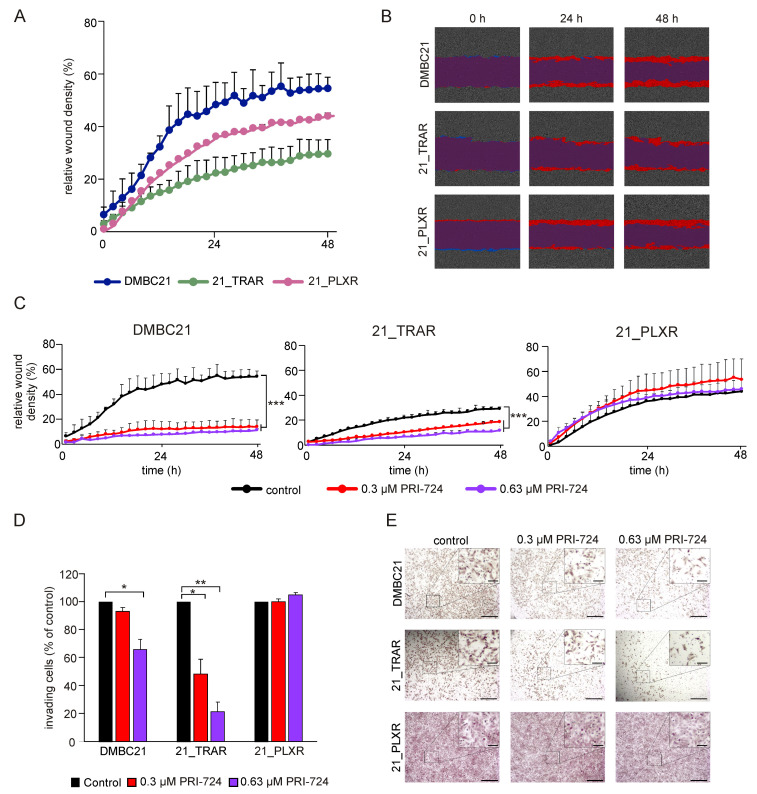 Figure 4
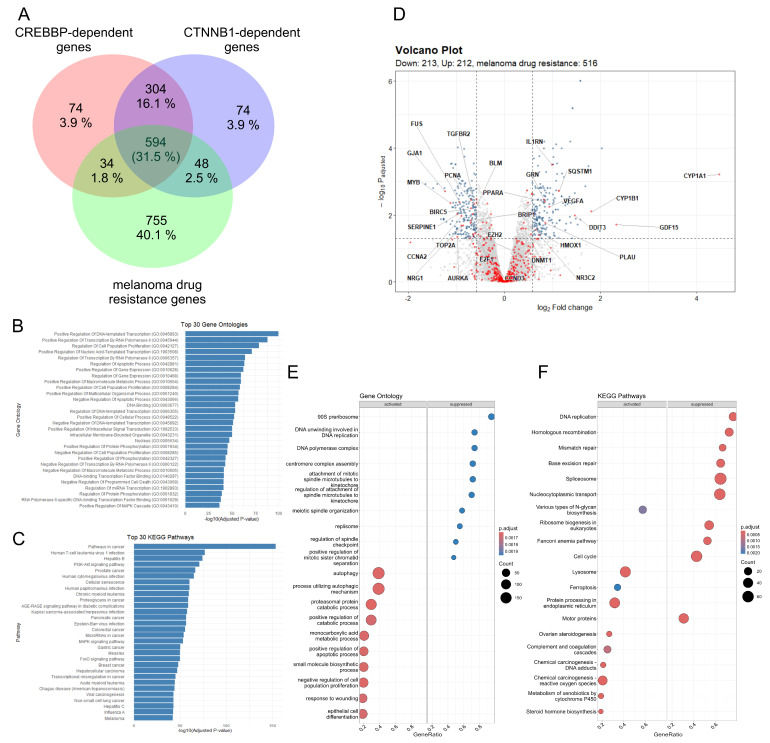 Figure 5
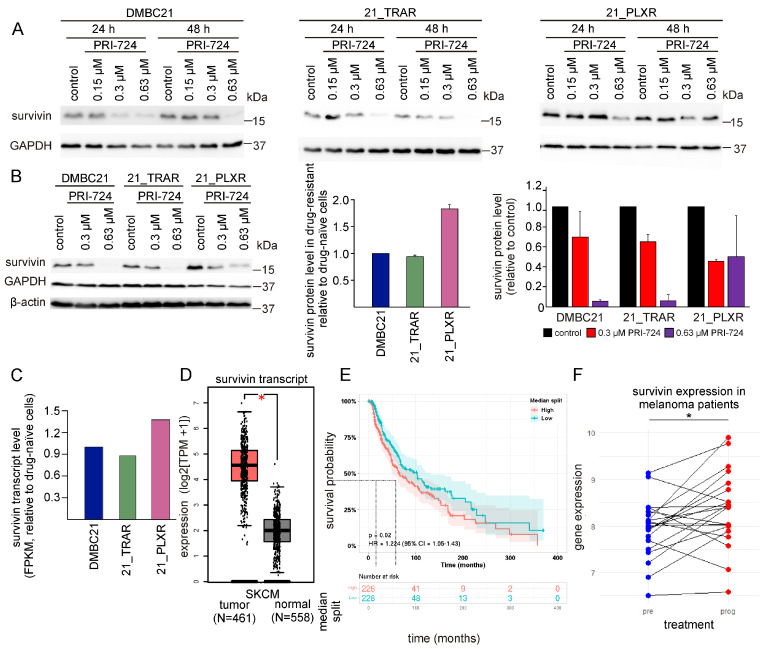 Figure 6
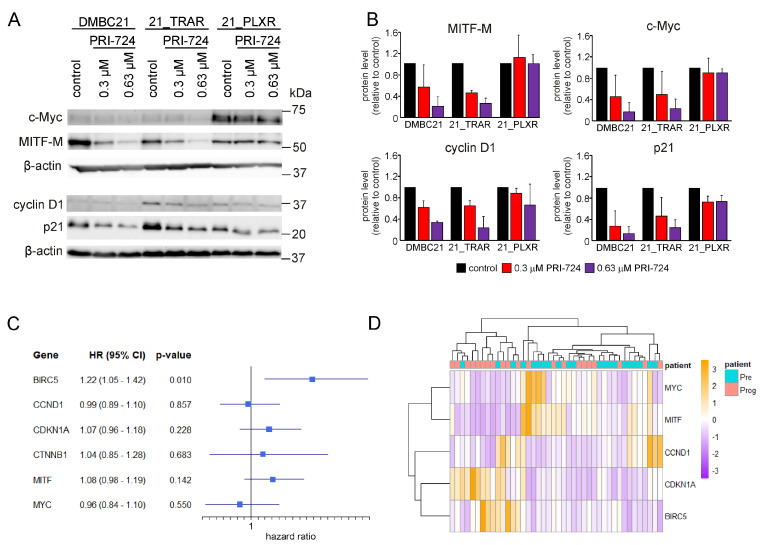 Figure 7
Peer Reviews
No public reviews on file for this paper yet. If you reviewed it on a platform where reviews are public (OpenReview, ICLR, NeurIPS, ICML), you can paste yours below so the community can read it here.
Videos
No videos yet. Explain this paper in a talk, walkthrough, or lecture? Add one.
Taxonomy
TopicsMelanoma and MAPK Pathways · Wnt/β-catenin signaling in development and cancer · Cutaneous Melanoma Detection and Management