Evaluation of 2,7-Naphthyridines as Targeted Anti-Staphylococcal Candidates with Microbiota-Sparing Properties
Anna Wójcicka, Maciej Spiegel, Bartłomiej Dudek, Malwina Brożyna, Adam Junka, Marcin Mączyński

TL;DR
Researchers tested new 2,7-naphthyridine compounds that selectively kill Staphylococcus aureus without harming beneficial bacteria, showing promise for targeted treatments.
Contribution
The study identifies 2,7-naphthyridine derivatives as selective anti-Staphylococcal agents with low toxicity and microbiota-sparing properties.
Findings
Compound 10j showed the highest activity against Staphylococcus aureus with an MIC of 8 mg/L.
Both 10f and 10j exhibited low cytotoxicity in vitro and in vivo.
Molecular dynamics simulations suggested stable binding of the compounds to gyrase/DNA complexes, with 10j showing better energetics.
Abstract
The rising resistance of bacterial and fungal strains, particularly in biofilm form, is diminishing the efficacy of available therapies and poses a major threat to human health. This highlights the need for new antimicrobial agents. A review of biological studies has shown that 2,7-naphthyridine derivatives exhibit a wide spectrum of pharmacological properties, including antimicrobial activity, which has contributed to the development of new compounds containing this scaffold. In this work, the obtained compounds were tested to assess their ability to eradicate biofilm formed by selected reference strains of opportunistic pathogens: Staphylococcus aureus, Pseudomonas aeruginosa and Candida albicans as well as towards normal microbiota representative, referred to as the Lactobacillus crispatus. The tested 2,7-naphthyridine derivatives showed selective antimicrobial activity, exclusively…
Genes, proteins, chemicals, diseases, species, mutations and cell lines named across the full text — each resolved to its canonical identifier and authoritative record.
Click any figure to enlarge with its caption.
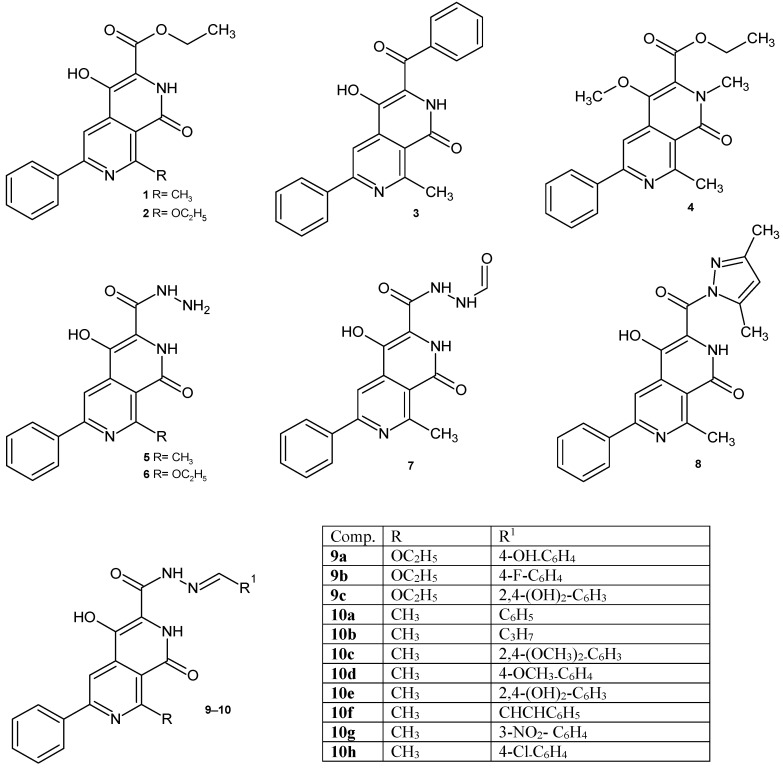 Figure 1
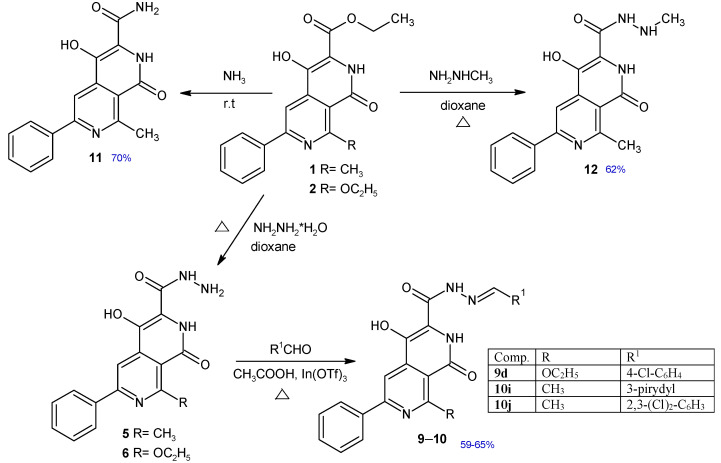 Figure 2
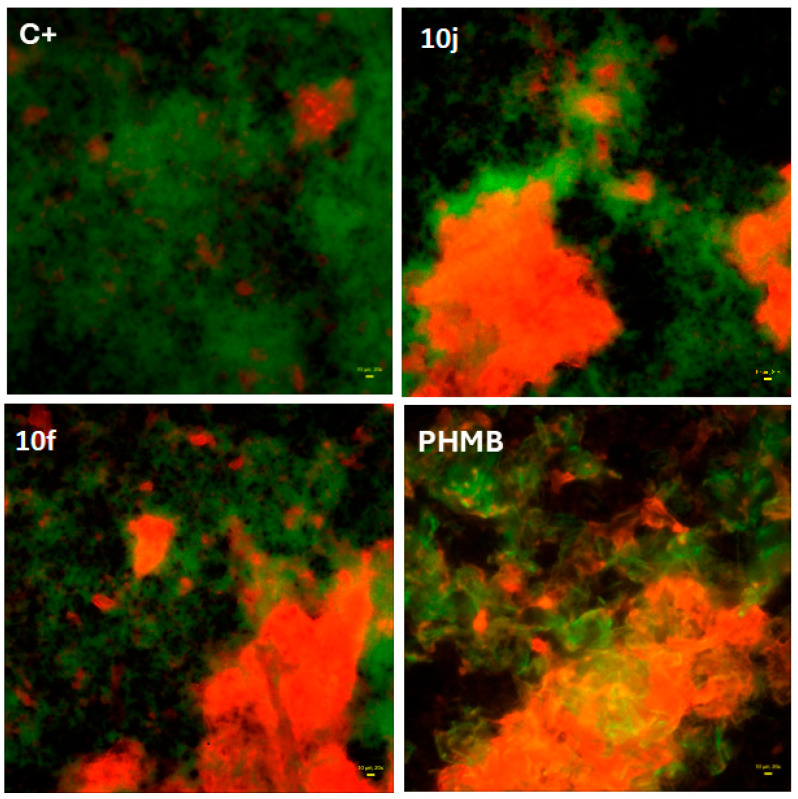 Figure 3
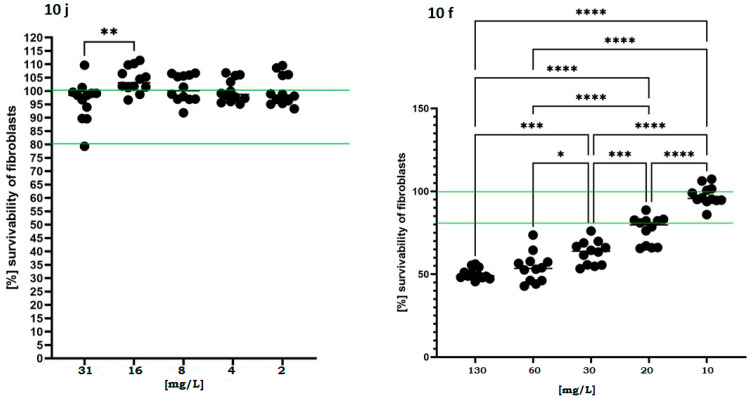 Figure 4
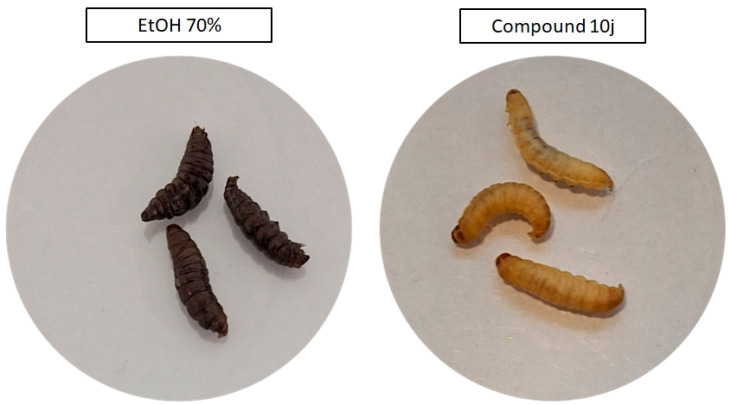 Figure 5
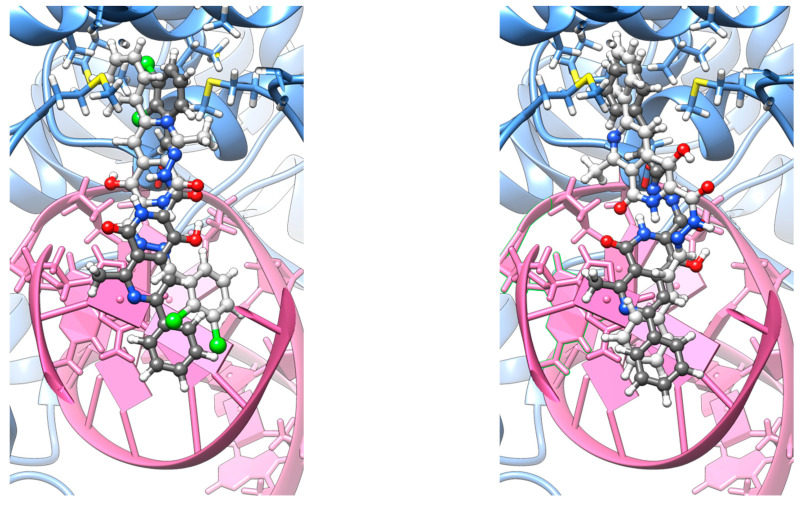 Figure 6
Peer Reviews
No public reviews on file for this paper yet. If you reviewed it on a platform where reviews are public (OpenReview, ICLR, NeurIPS, ICML), you can paste yours below so the community can read it here.
Videos
No videos yet. Explain this paper in a talk, walkthrough, or lecture? Add one.
Taxonomy
TopicsCancer therapeutics and mechanisms · Phenothiazines and Benzothiazines Synthesis and Activities · Synthesis and biological activity