Exploration of the Chloride Binding Behavior of Anhydrous Calcium Sulfoaluminate Under Dual Chloride Ingress Modes
Zirui Cheng, Luyan Ji, Zhen Wang, Linlin Gu, Wenbin Tang

TL;DR
This study examines how anhydrous calcium sulfoaluminate binds chloride under two different exposure conditions and how gypsum affects this process.
Contribution
The study reveals the dual mechanisms of chloride binding and the critical role of gypsum in regulating chloride binding efficiency in SAC.
Findings
External chloride binding increases with solution concentration and immersion time due to ion exchange and physical adsorption.
Internal chloride binding increases with curing age and involves direct Cl− participation in hydration reactions.
Gypsum dosage significantly affects chloride binding efficiency, with lower gypsum ratios leading to higher chloride binding.
Abstract
This study explored the chloride binding characteristics and mechanisms of sulphoaluminate cement (SAC) by isolating its principal mineral component, anhydrous calcium sulphoaluminate (C4A3S-), as the research object. Chloride ingress was investigated under external penetration and internal incorporation conditions, with gypsum dosage varied at molar ratios of 1:0, 1:1, and 1:2 relative to C4A3S-. Through chloride binding experiments and hydration product analysis performed by XRD and TG, the following findings were obtained: under external chloride exposure, the binding capacity increased with rising solution concentration and immersion time. External chloride binding was attributed to SO42−/Cl− ion exchange in AFm to generate Friedel’s salt and was complemented by physical adsorption of chloride in AH3 gel. Under internal chloride incorporation, binding capacity increased…
Genes, proteins, chemicals, diseases, species, mutations and cell lines named across the full text — each resolved to its canonical identifier and authoritative record.
Click any figure to enlarge with its caption.
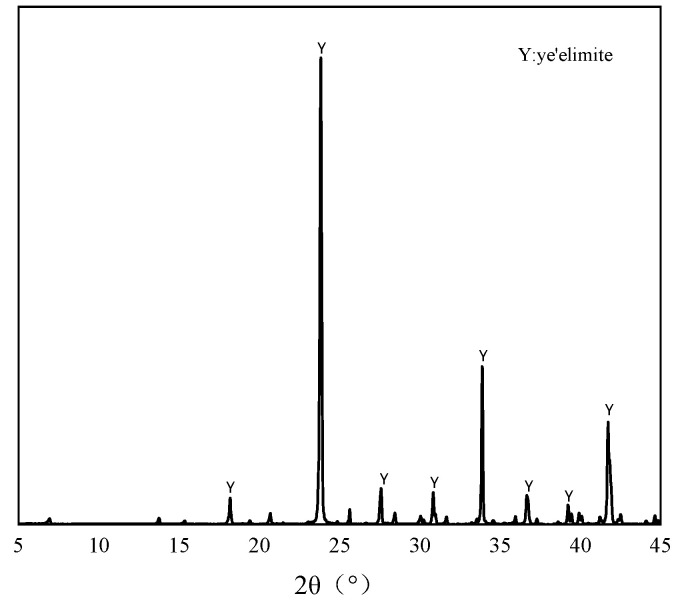 Figure 1
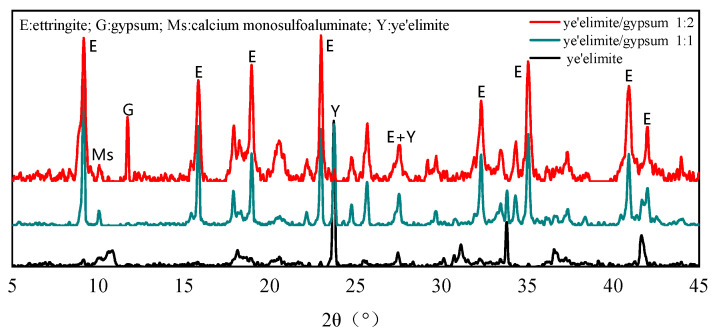 Figure 2
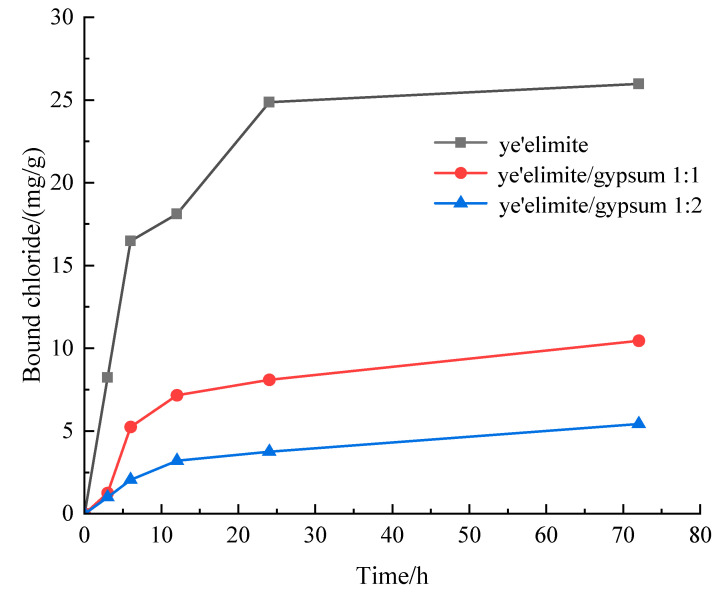 Figure 3
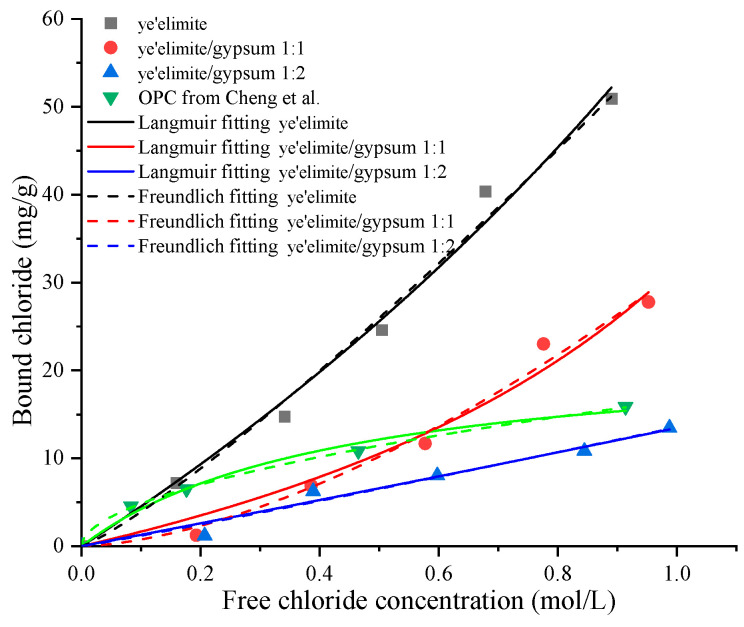 Figure 4
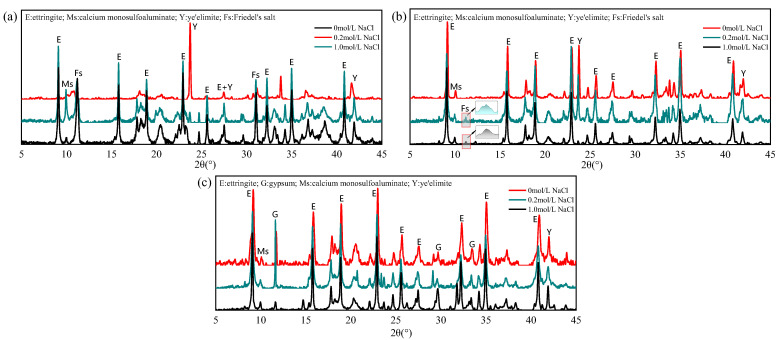 Figure 5
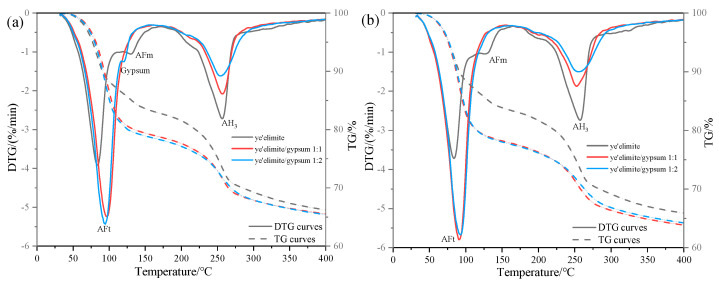 Figure 6
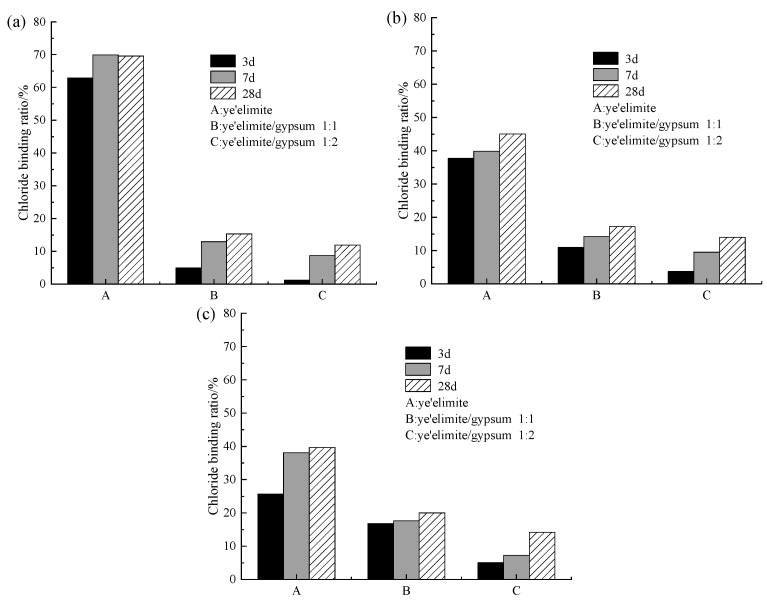 Figure 7
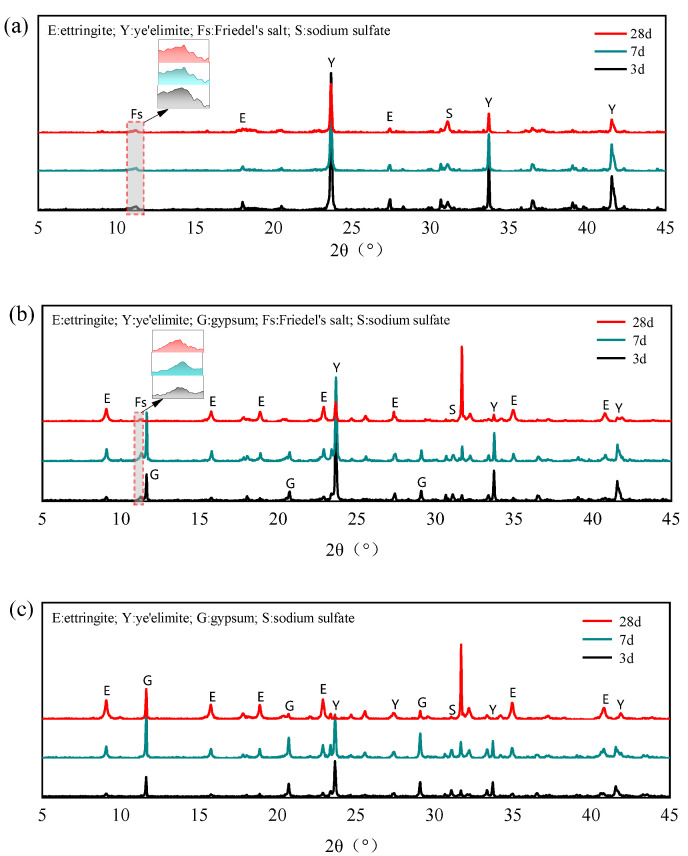 Figure 8
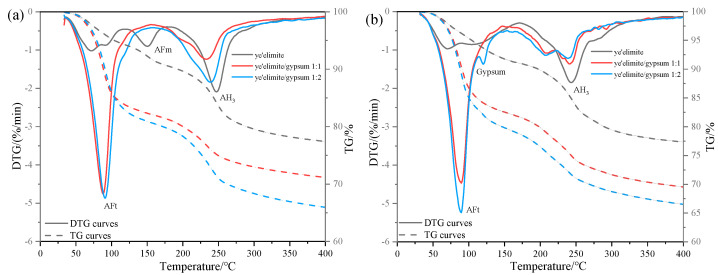 Figure 9
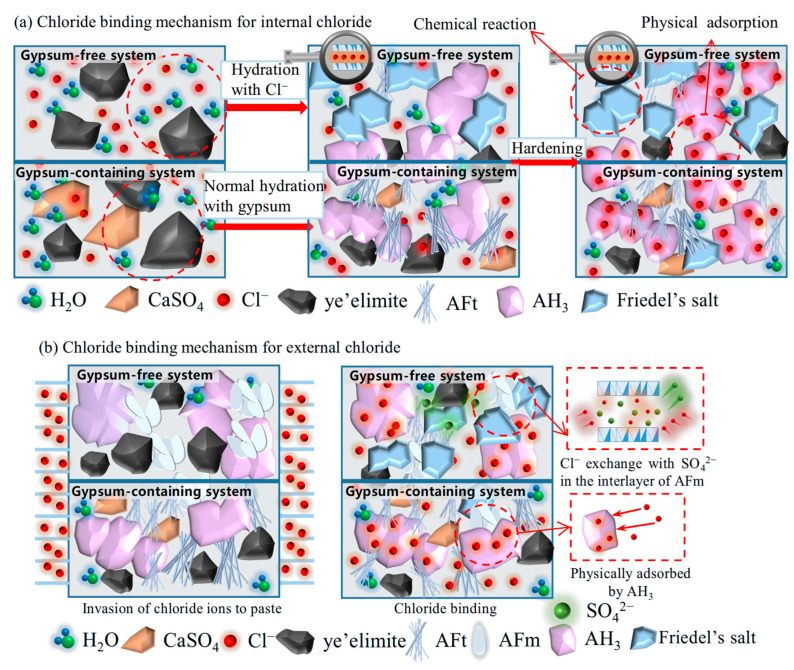 Figure 10
Peer Reviews
No public reviews on file for this paper yet. If you reviewed it on a platform where reviews are public (OpenReview, ICLR, NeurIPS, ICML), you can paste yours below so the community can read it here.
Videos
No videos yet. Explain this paper in a talk, walkthrough, or lecture? Add one.
Taxonomy
TopicsConcrete and Cement Materials Research · Microbial Applications in Construction Materials · Concrete Corrosion and Durability