Electro-Oculography and Proprioceptive Calibration Enable Horizontal and Vertical Gaze Estimation, Even with Eyes Closed
Xin Wei, Felix Dollack, Kiyoshi Kiyokawa, Monica Perusquía-Hernández

TL;DR
This study shows that eye movement can be estimated using EOG even with closed eyes, opening new possibilities for assistive technology and medical research.
Contribution
The novel use of EOG and proprioceptive calibration enables reliable gaze estimation with closed eyes.
Findings
EOG tracking was statistically equivalent to camera-based eye tracking when eyes were open.
EOG signals with closed eyes followed instructed paths more accurately than chance-level performance.
Proprioceptive calibration enabled reliable gaze estimation even when eyes were not visible.
Abstract
Eye movement is an important tool used to investigate cognition. It also serves as input in human–computer interfaces for assistive technology. It can be measured with camera-based eye tracking and electro-oculography (EOG). EOG does not rely on eye visibility and can be measured even when the eyes are closed. We investigated the feasibility of detecting the gaze direction using EOG while having the eyes closed. A total of 15 participants performed a proprioceptive calibration task with open and closed eyes, while their eye movement was recorded with a camera-based eye tracker and with EOG. The calibration was guided by the participants’ hand motions following a pattern of felt dots on cardboard. Our cross-correlation analysis revealed reliable temporal synchronization between gaze-related signals and the instructed trajectory across all conditions. Statistical comparison tests and…
Genes, proteins, chemicals, diseases, species, mutations and cell lines named across the full text — each resolved to its canonical identifier and authoritative record.
Click any figure to enlarge with its caption.
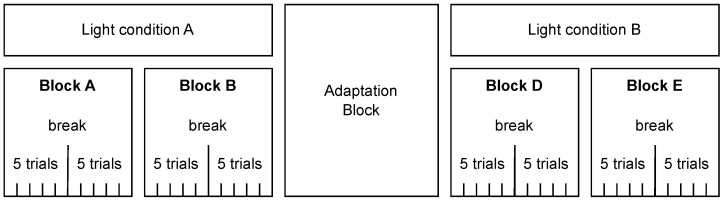 Figure 1
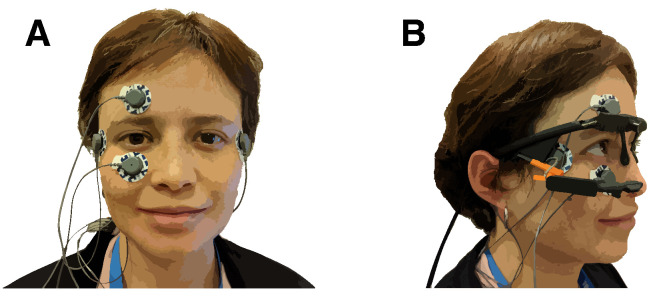 Figure 2
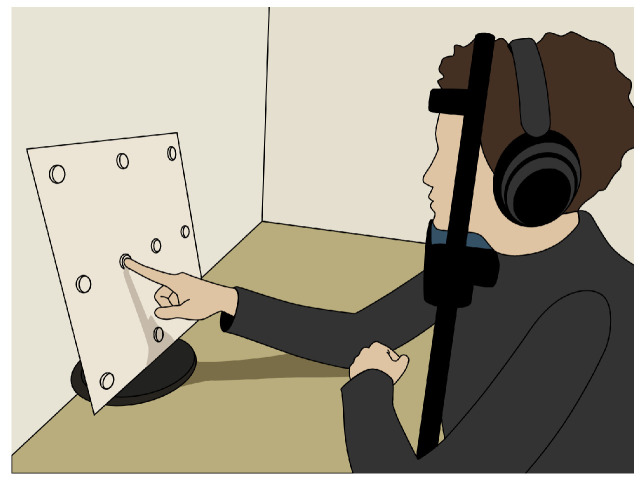 Figure 3
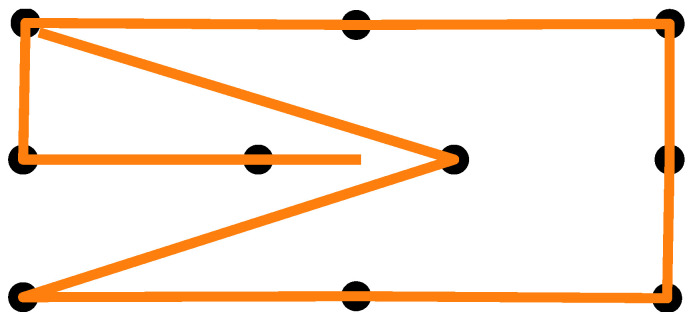 Figure 4
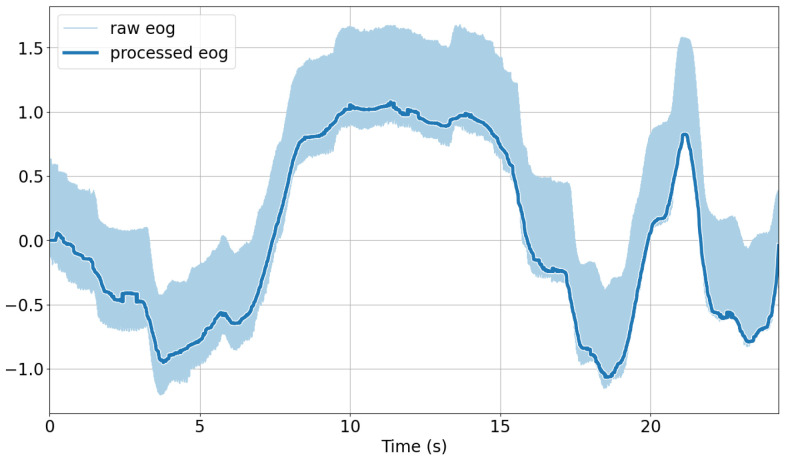 Figure 5
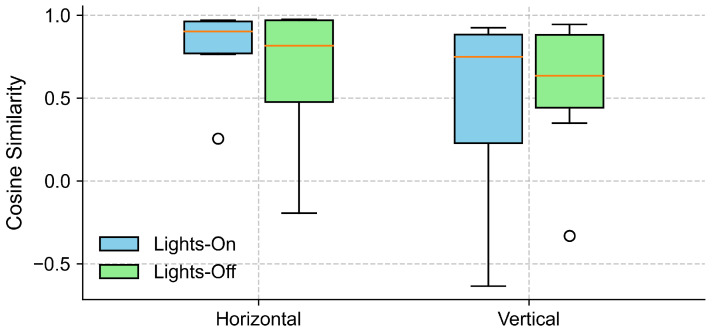 Figure 6
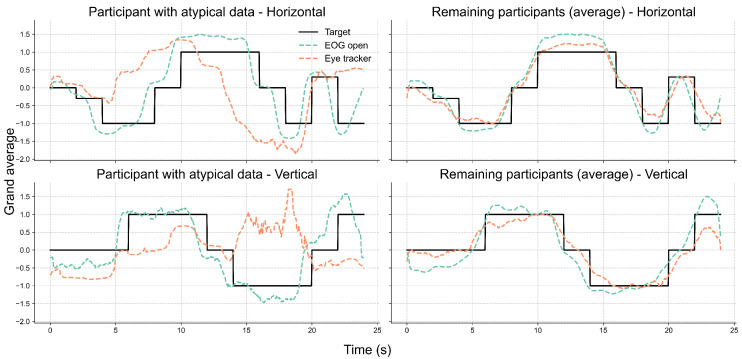 Figure 7
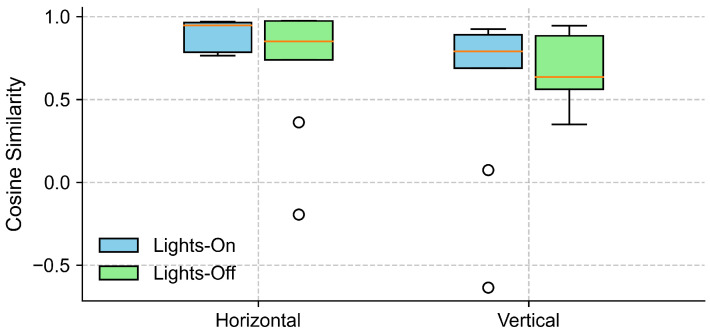 Figure 8
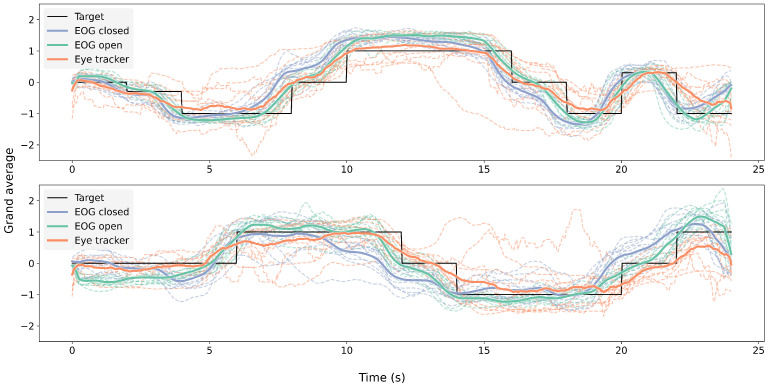 Figure 9
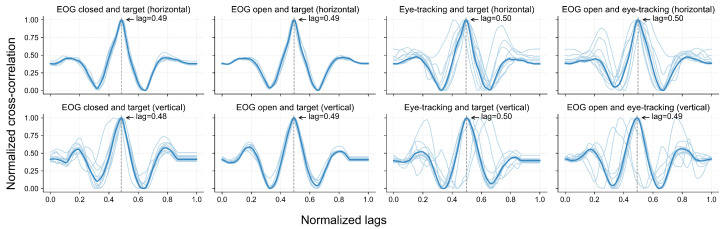 Figure 10
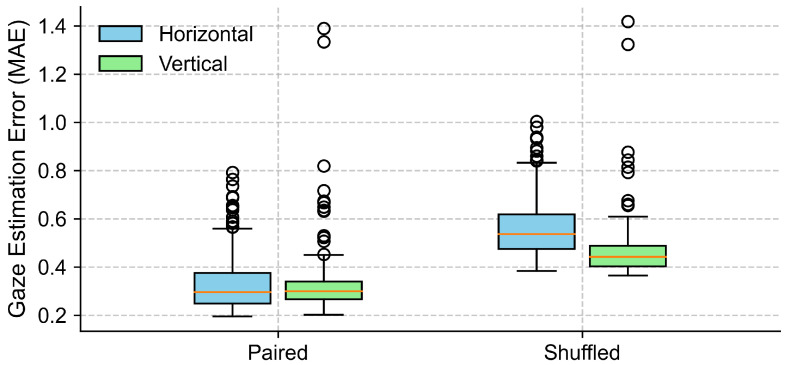 Figure 11
Peer Reviews
No public reviews on file for this paper yet. If you reviewed it on a platform where reviews are public (OpenReview, ICLR, NeurIPS, ICML), you can paste yours below so the community can read it here.
Videos
No videos yet. Explain this paper in a talk, walkthrough, or lecture? Add one.
Taxonomy
TopicsGaze Tracking and Assistive Technology · EEG and Brain-Computer Interfaces · Vestibular and auditory disorders