Lipoxygenase Inhibitory Activity and Prostate Cancer Cytotoxicity of In Situ- and In Vitro-Cultivated Balkan Endemic Sideritis scardica Griseb
Kalina Danova, Jasmina Petreska Stanoeva, Elena Stoyanova, Kalina Alipieva, Marina Stefova, Ina Aneva

TL;DR
This study explores a Balkan plant's ability to inhibit a key enzyme and show cancer cell toxicity, linking its chemical composition to these effects.
Contribution
First report linking Sideritis scardica's phenylethanoid/flavone glycoside profiles to dual lipoxygenase inhibition and anti-prostate cancer activity.
Findings
Higher phenylethanoid/flavone glycoside ratio correlates with increased lipoxygenase inhibition.
Flavone glycoside domination is associated with prostate cancer cytotoxicity.
In vitro preparations show marked selectivity in cytotoxic effects on different prostate cell lines.
Abstract
Sideritis scardica Griseb., a Balkan endemic species traditionally used for respiratory conditions and wound-healing, was investigated for its 15-lipoxygenase (15-LOX) inhibitory and cytotoxic activities in relation to its phenolic composition. Aerial parts from the wild-collected and in vitro-cultivated plant were successively extracted with hexane, chloroform, and methanol and the methanol extract was further fractionated into ethyl acetate, butanol, and water fractions. This study presents the first combined evaluation of LOX inhibition and cytotoxicity against prostate cell lines WPMY-1 (normal epithelial fibroblast/myofibroblast), PC-3 (epithelial adenocarcinoma, Grade IV), and LNCaP (epithelial carcinoma) and detailed phytochemical profiles of wild-collected and in vitro-cultivated S. scardica. The phytochemical analysis revealed distinct profiles: increased LOX-inhibition…
Genes, proteins, chemicals, diseases, species, mutations and cell lines named across the full text — each resolved to its canonical identifier and authoritative record.
Click any figure to enlarge with its caption.
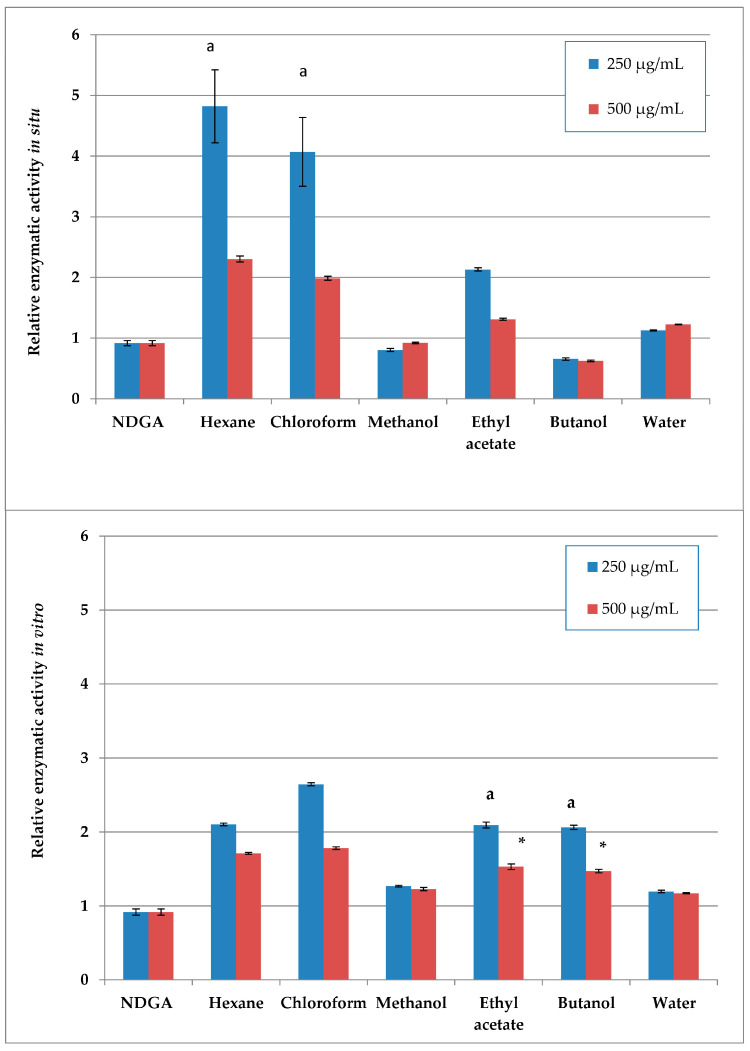 Figure 1
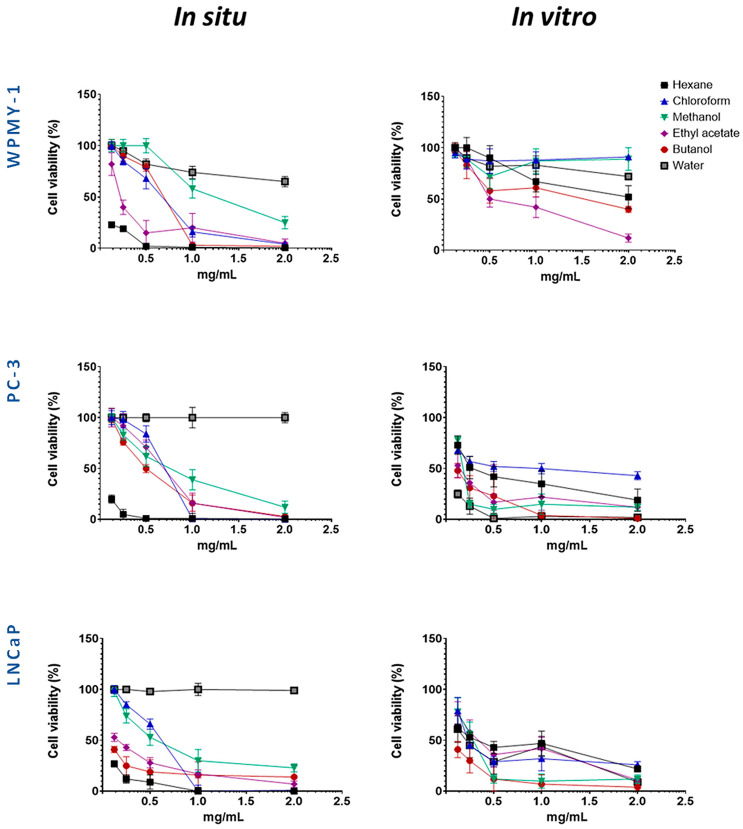 Figure 2
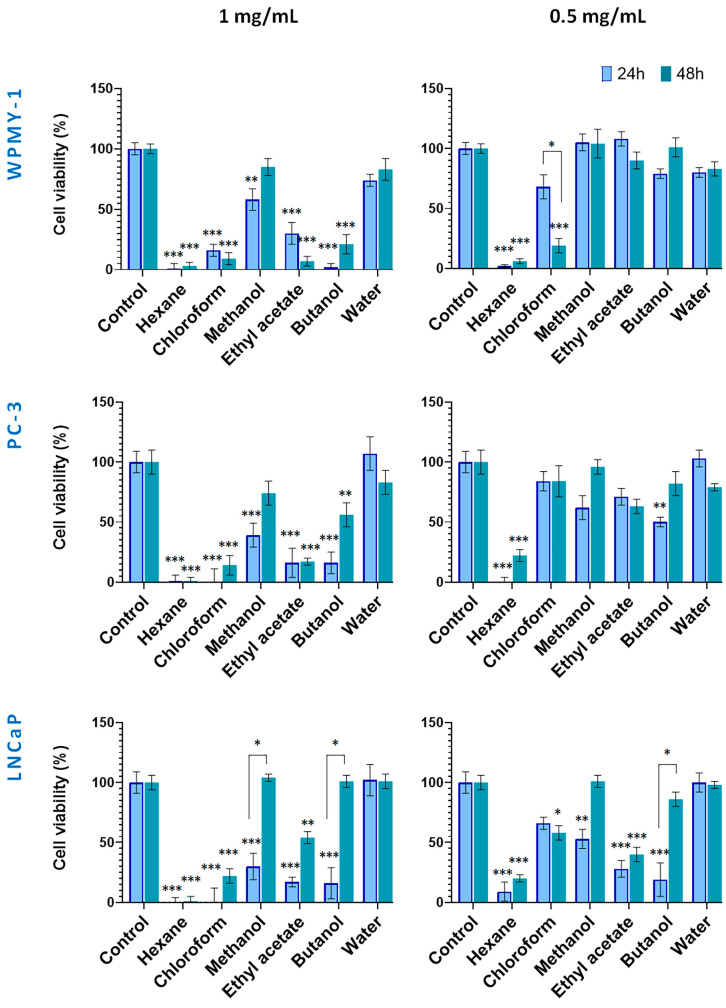 Figure 3
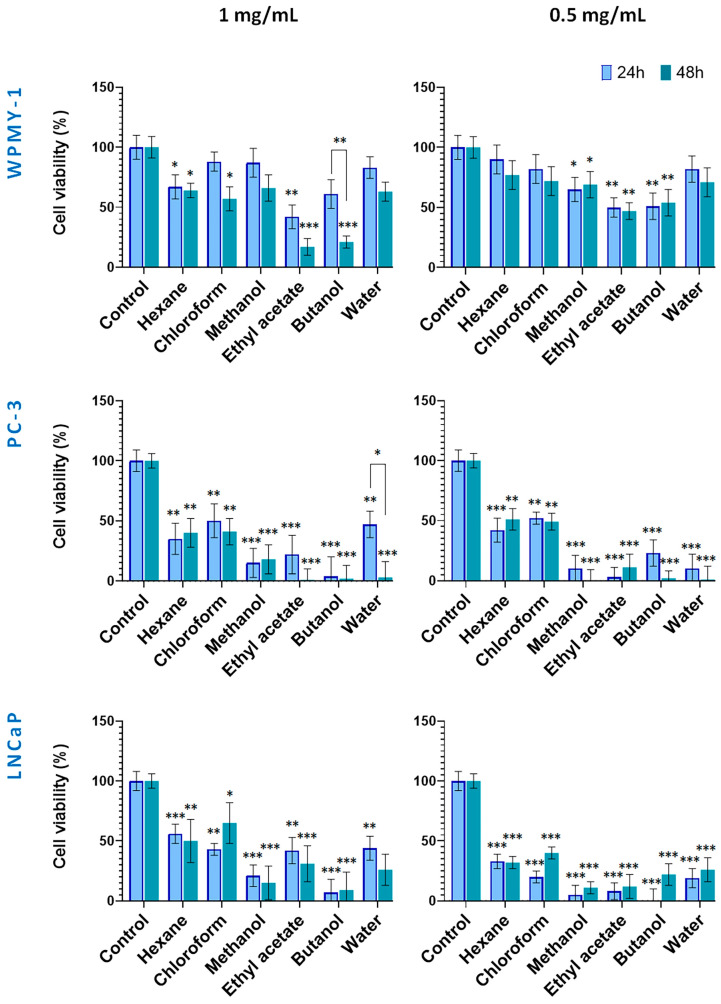 Figure 4
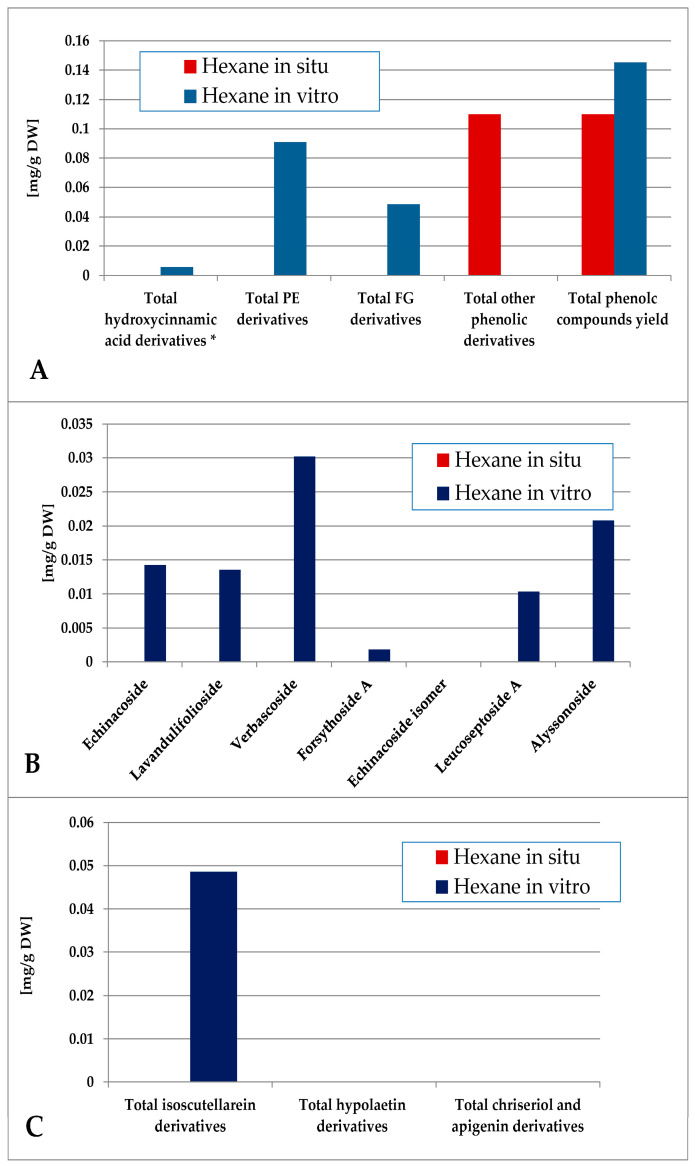 Figure 5
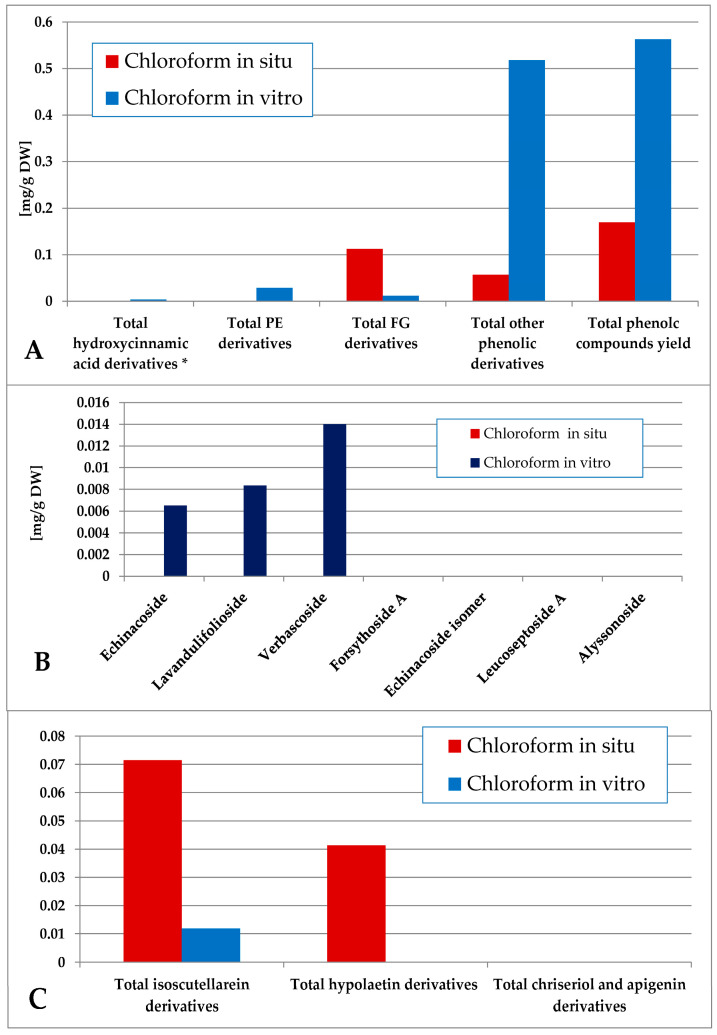 Figure 6
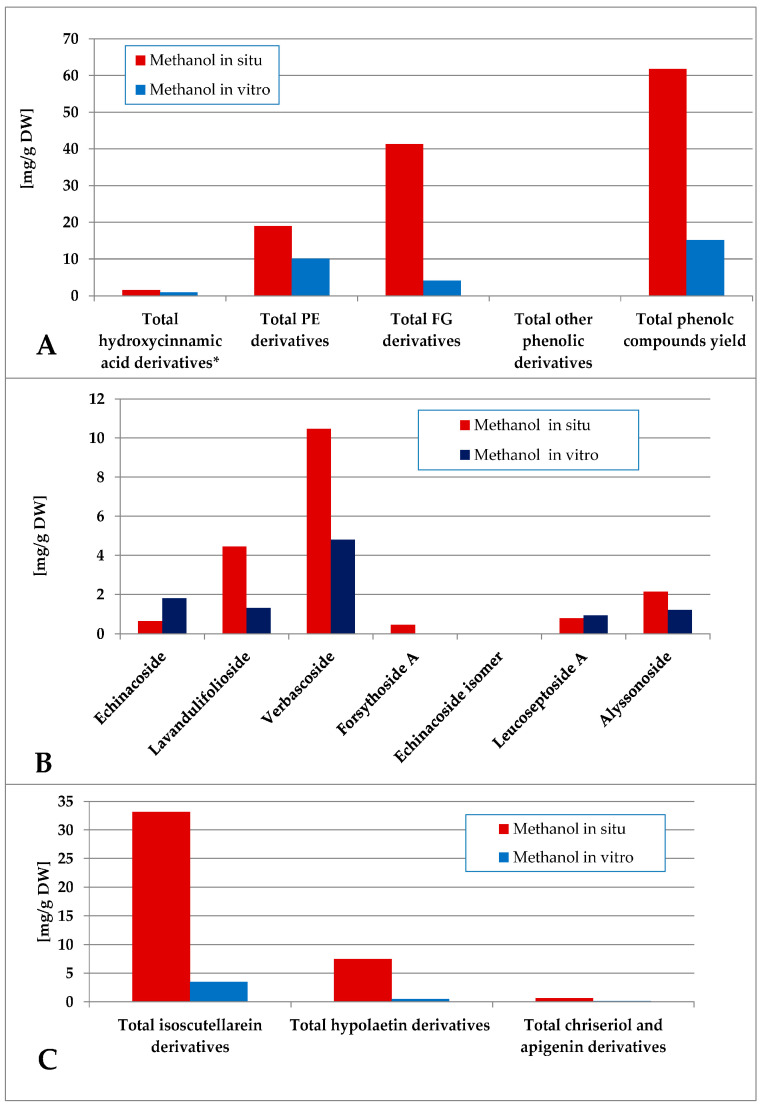 Figure 7
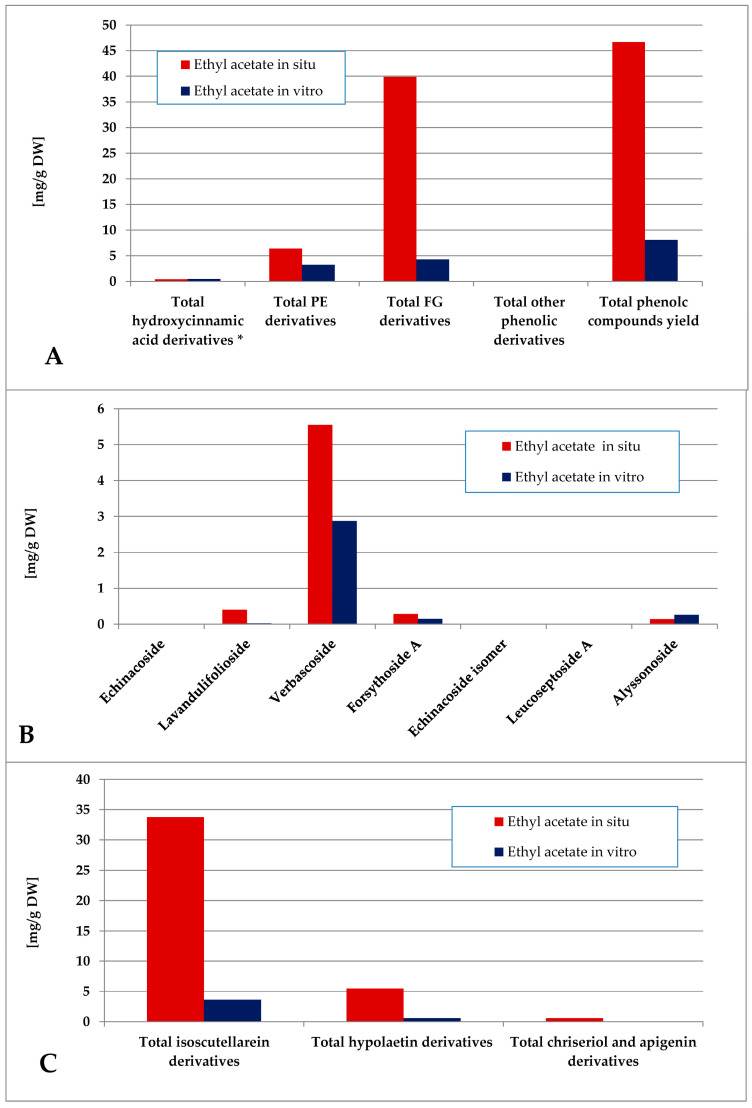 Figure 8
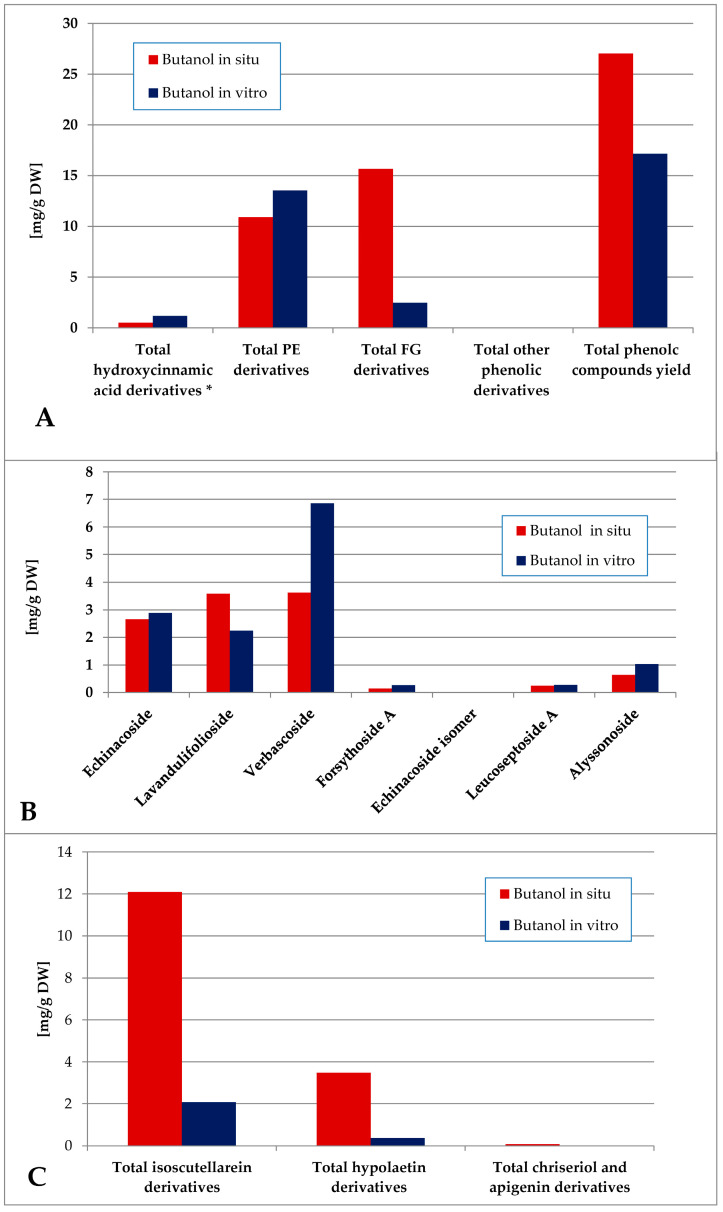 Figure 9
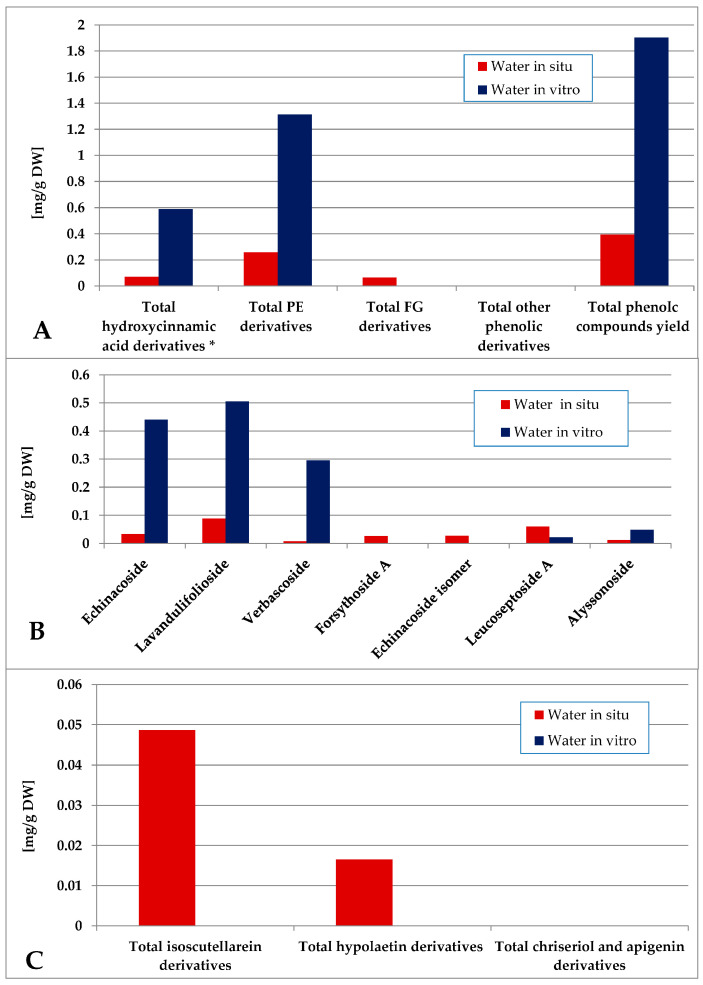 Figure 10
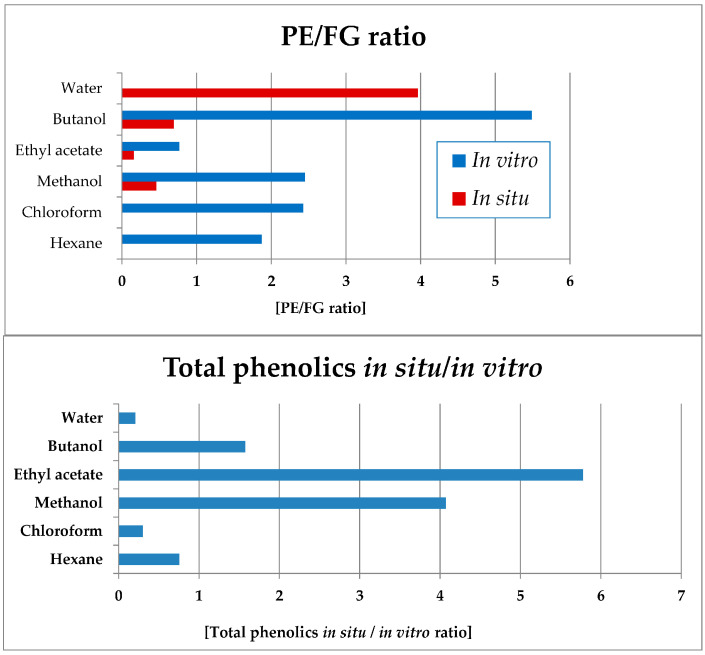 Figure 11
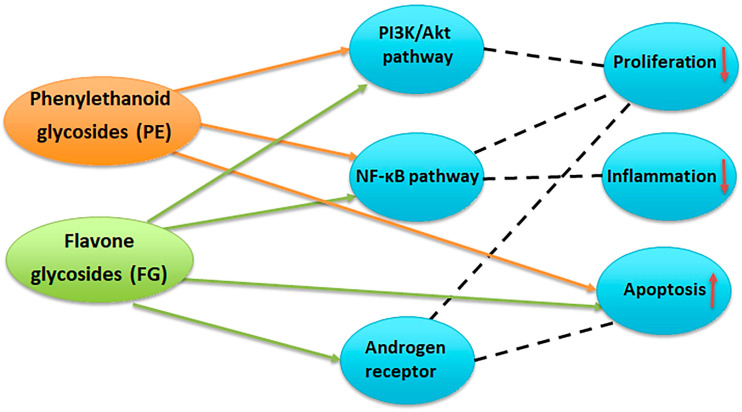 Figure 12
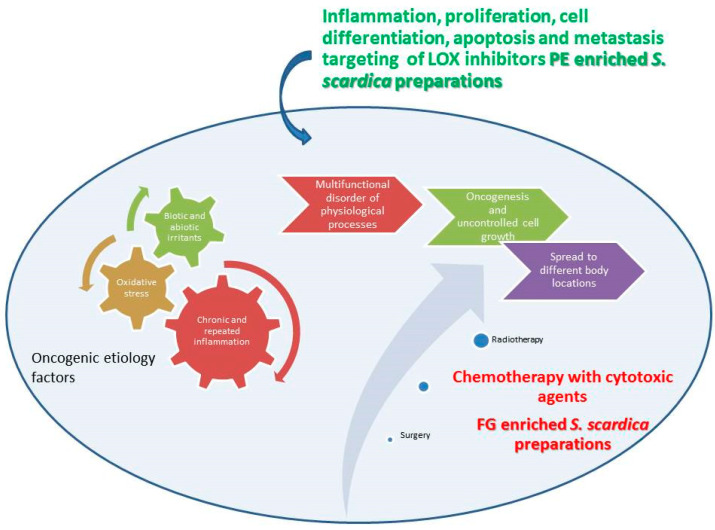 Figure 13
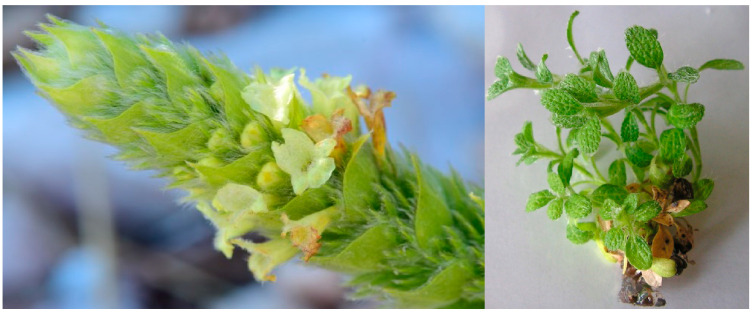 Figure 14
Peer Reviews
No public reviews on file for this paper yet. If you reviewed it on a platform where reviews are public (OpenReview, ICLR, NeurIPS, ICML), you can paste yours below so the community can read it here.
Videos
No videos yet. Explain this paper in a talk, walkthrough, or lecture? Add one.
Taxonomy
TopicsNephrotoxicity and Medicinal Plants · Phytochemistry and Biological Activities · Garlic and Onion Studies