Gut Microbiome of Two Rodent Species (Niviventer confucianus and Apodemus agrarius) from Two Regions Exhibit Different Structures and Assembly Mechanisms
Haotian Li, Qian Gao, Jiawen Han, Qiuyue Song, Fangheng Yan, Yunzhao Xu, Chuansheng Zhang, Xin Wang, Yuchun Li

TL;DR
This study shows that the gut microbiomes of two rodent species differ between two Chinese regions due to geographic influences on their microbial communities.
Contribution
The study reveals how geographic regions shape gut microbiome structure and assembly mechanisms in conspecific rodent hosts.
Findings
Geographic region significantly influences gut microbiome alpha diversity and co-occurrence networks in rodents.
The Anhui region's rodent gut microbiome shows 'small world' network characteristics, facilitating rapid microbial interaction.
Dispersal limitations and heterogeneous selection dominate microbiome assembly in Anhui and Hubei regions, respectively.
Abstract
The influence of different regions on the structure and assembly mechanisms of the animal gut microbiome has long been of interest to scientists. This study investigated the gut microbiome of Niviventer confucianus and Apodemus agrarius collected from Anhui and Hubei provinces. We aimed to characterize the bacterial co-occurrence networks and elucidate the assembly mechanisms of the gut microbiota in conspecific hosts across different geographical regions. We found that the geographic region shaped the gut microbiome of conspecific rodents by altering the alpha diversity, co-occurrence networks, and assembly processes. However, further analysis is needed to determine which factor of the two geographical regions is the main factor affecting the gut microbiota of the two rodent species. The structure and assembly mechanism of wild animal gut microbiota represent persistent research…
Genes, proteins, chemicals, diseases, species, mutations and cell lines named across the full text — each resolved to its canonical identifier and authoritative record.
Click any figure to enlarge with its caption.
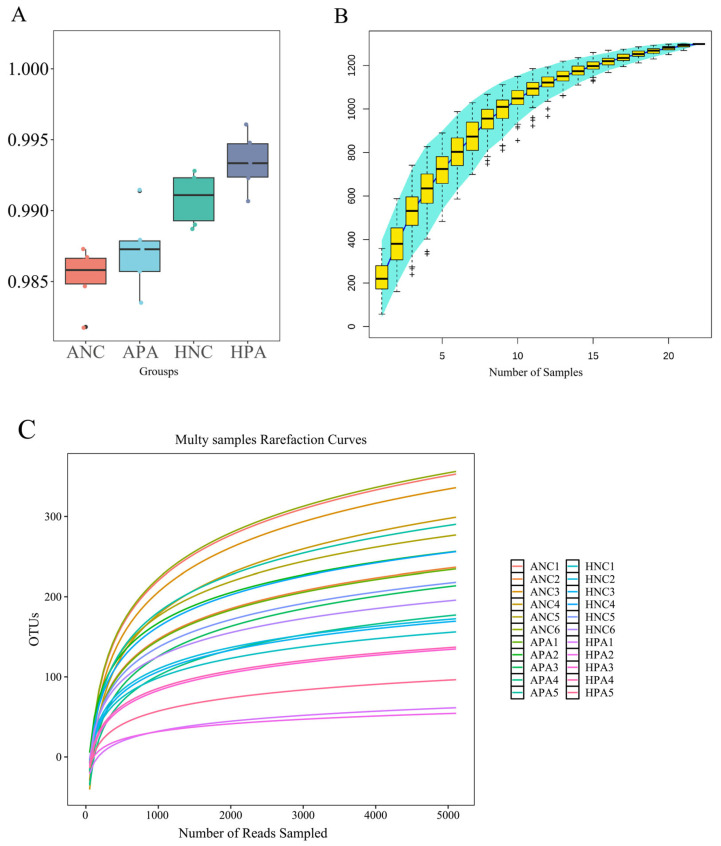 Figure 1
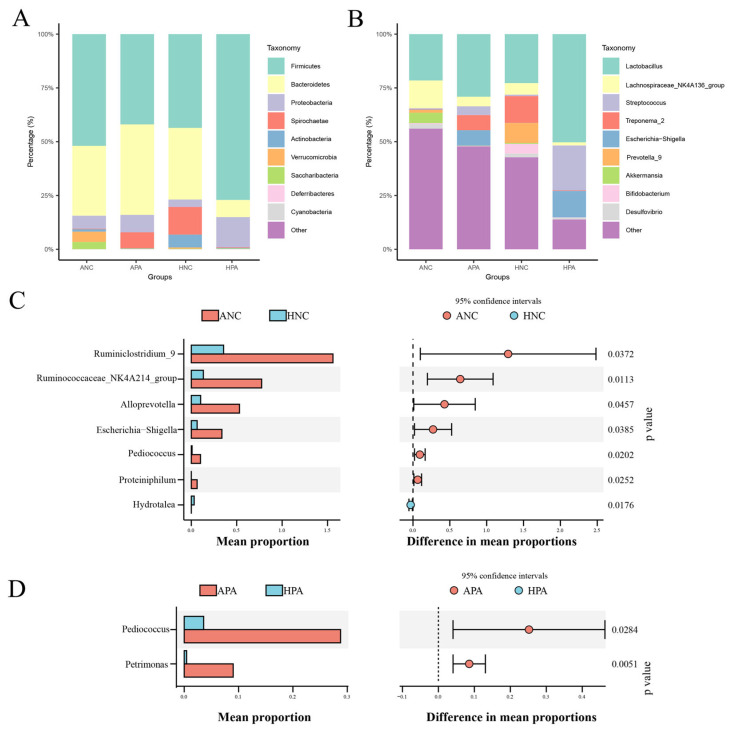 Figure 2
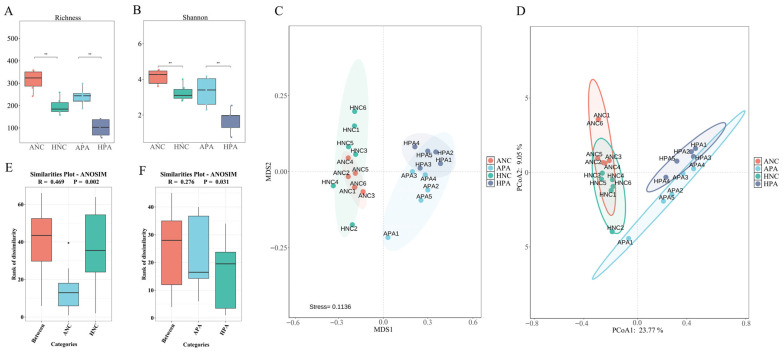 Figure 3
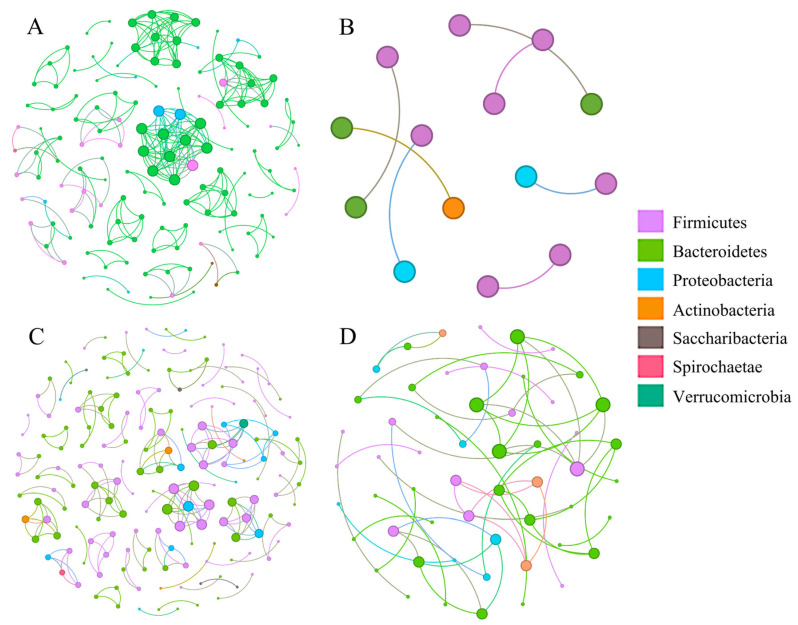 Figure 4
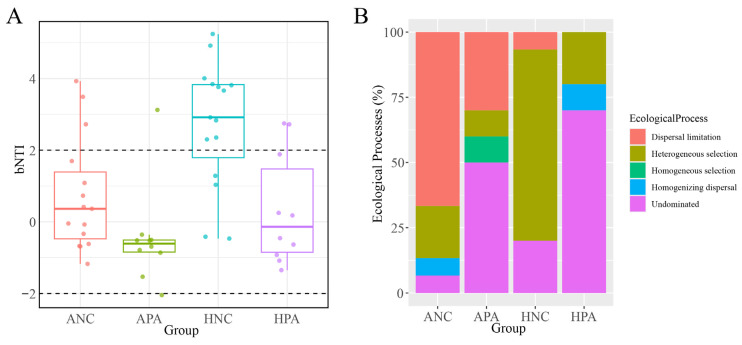 Figure 5
Peer Reviews
No public reviews on file for this paper yet. If you reviewed it on a platform where reviews are public (OpenReview, ICLR, NeurIPS, ICML), you can paste yours below so the community can read it here.
Videos
No videos yet. Explain this paper in a talk, walkthrough, or lecture? Add one.
Taxonomy
TopicsGut microbiota and health · Clostridium difficile and Clostridium perfringens research · Animal Nutrition and Physiology