Clinical Theileriosis in an Endangered Malayan Tapir Diagnosed Using a Molecular Technique with Successful Treatment and Recovery
Pornsuda Khotapat, Umaporn Maikaew, Wanlaya Tipkantha, Erngsiri Kaewkhunjob, Piyaporn Kongmakee, Arpussara Saedan, Pannarai Mahadthai, Manakorn Sukmak, Supaphen Sripiboon

TL;DR
A Malayan tapir in Thailand was diagnosed with Theileria orientalis using molecular techniques and successfully treated with drugs and blood transfusion.
Contribution
This is the first confirmed case of clinical theileriosis in a Malayan tapir, demonstrating successful treatment and highlighting the need for wildlife surveillance.
Findings
Theileria orientalis was confirmed in a Malayan tapir via PCR and sequencing of the 18S rRNA gene.
Treatment with diminazene aceturate and blood transfusion led to full recovery within 42 days.
An 80% apparent prevalence of Theileria infection was found in sampled tapirs, with only one showing clinical signs.
Abstract
This report describes the first confirmed case of clinical theileriosis (Theileria orientalis) in a captive Malayan tapir in Thailand. Although this pathogen is typically endemic in cattle in Asia, where it often causes asymptomatic infection, it can lead to severe clinical signs in immunocompromised animals. The affected tapir was successfully treated with an anti-protozoal drug and blood transfusion. This case highlights the importance of long-term management, routine monitoring, and effective tick control for vulnerable wildlife species. A 12-year-old female captive Malayan tapir (Tapirus indicus) in Thailand presented with clinical signs including depression, anorexia, pale mucous membrane, dark-brown urine, dry feces, and tick infestation. Hematological analysis revealed severe anemia (packed cell volume, PCV = 9%), and blood smear examination suggested blood parasite infection,…
Genes, proteins, chemicals, diseases, species, mutations and cell lines named across the full text — each resolved to its canonical identifier and authoritative record.
Click any figure to enlarge with its caption.
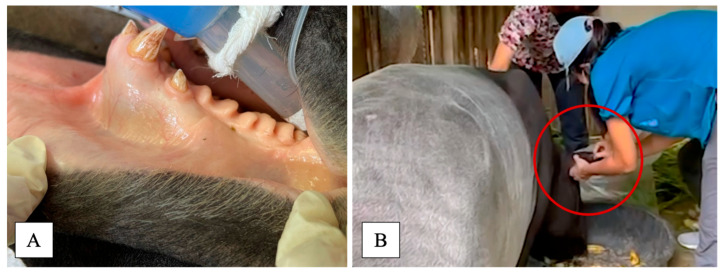 Figure 1
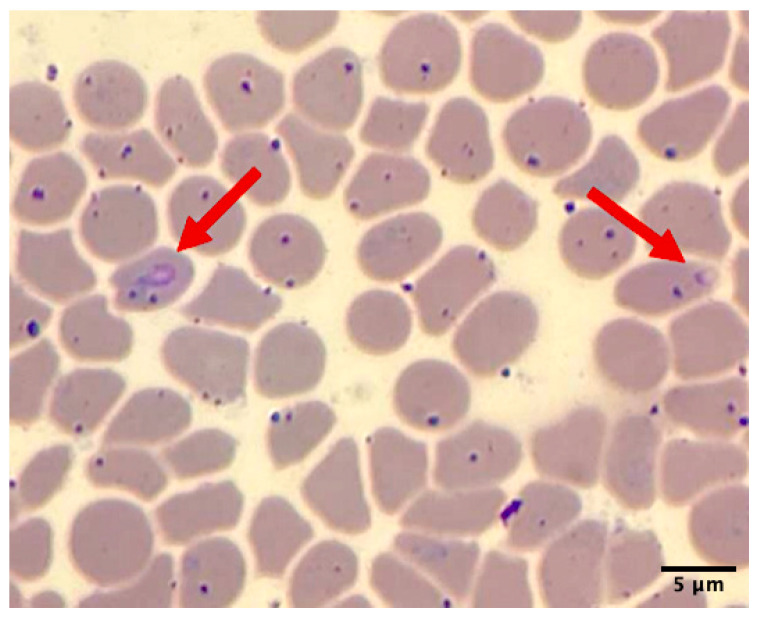 Figure 2
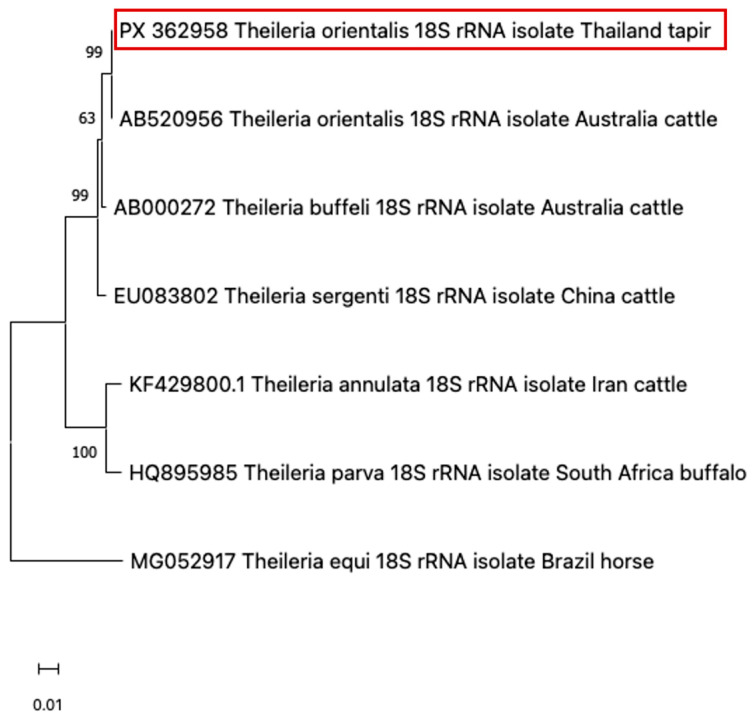 Figure 3
Peer Reviews
No public reviews on file for this paper yet. If you reviewed it on a platform where reviews are public (OpenReview, ICLR, NeurIPS, ICML), you can paste yours below so the community can read it here.
Videos
No videos yet. Explain this paper in a talk, walkthrough, or lecture? Add one.
Taxonomy
TopicsVector-borne infectious diseases · Zoonotic diseases and public health · Bird parasitology and diseases