Implications of Podoplanin Overexpression in the Malignant Transformation of Oral Potentially Malignant Disorders: A Systematic Review and Meta-Analysis
Marcela Correa-Fernández, Pablo Ramos-García, Noor Mjouel-Boutaleb, Hajar Boujemaoui-Boulaghmoudi, Miguel Ángel González-Moles

TL;DR
This study finds that high levels of a protein called podoplanin are linked to a higher risk of oral pre-cancerous conditions turning into cancer, especially in a condition called oral leukoplakia.
Contribution
The study is the first systematic review and meta-analysis to evaluate podoplanin's role in predicting malignant transformation of oral potentially malignant disorders.
Findings
Podoplanin overexpression significantly increases the risk of malignant transformation in oral potentially malignant disorders (RR = 3.64).
Podoplanin is a strong predictor for malignant transformation in oral leukoplakia and other OPMDs like erythroplakia and oral lichen planus.
Immunohistochemical evaluation of podoplanin is recommended for assessing cancer risk in OPMD patients.
Abstract
Oral cancer represents a global health problem, with an estimated annual incidence of 377,713 new cases and 177,757 deaths. Despite advances in oral oncology, its prognosis has remained largely unchanged over the past 40 years, with a 5-year survival rate close to 50%. Oral cancer is often preceded by oral potentially malignant disorders (OPMDs), which are defined by the WHO Collaborating Centre for Oral Cancer as mucosal alterations associated with an elevated risk of progression to oral cancer. At present, no reliable method exists to accurately determine which individuals with OPMDs will undergo malignant progression. Consequently, ongoing research is exploring molecular biomarkers as potential predictive tools for assessing the risk of OPMDs malignant transformation. Among these biomarkers, podoplanin emerges as a promising biomarker with potential predictive value of malignant…
Genes, proteins, chemicals, diseases, species, mutations and cell lines named across the full text — each resolved to its canonical identifier and authoritative record.
Click any figure to enlarge with its caption.
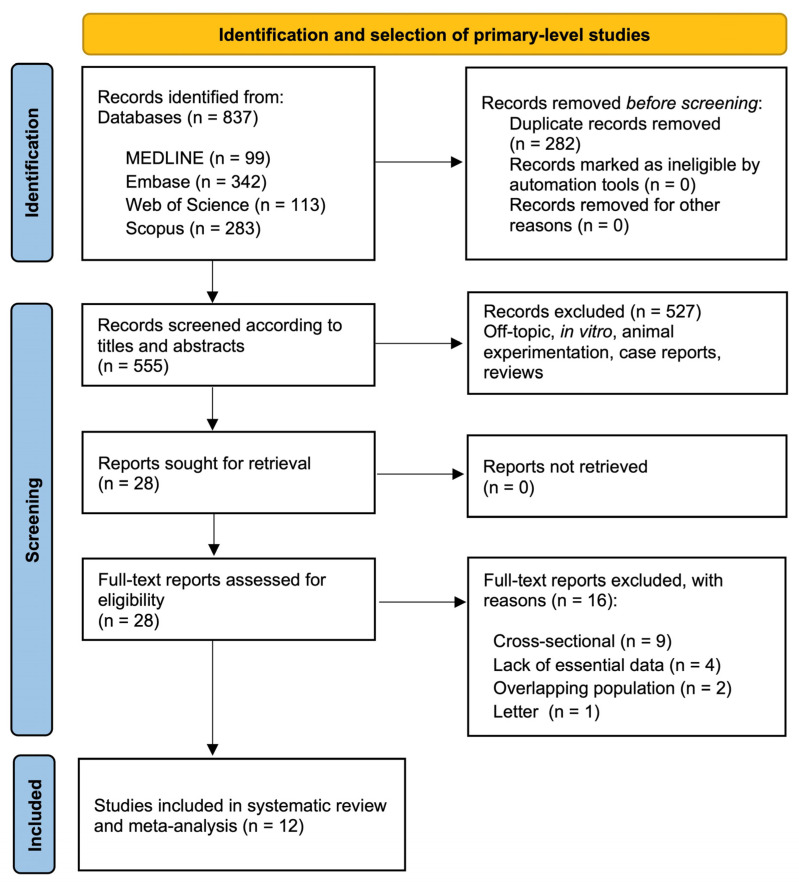 Figure 1
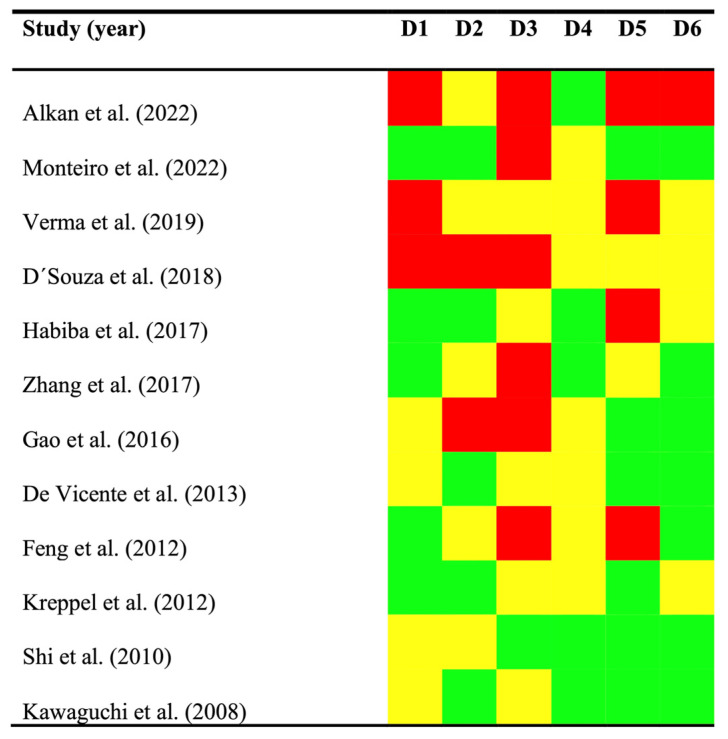 Figure 2
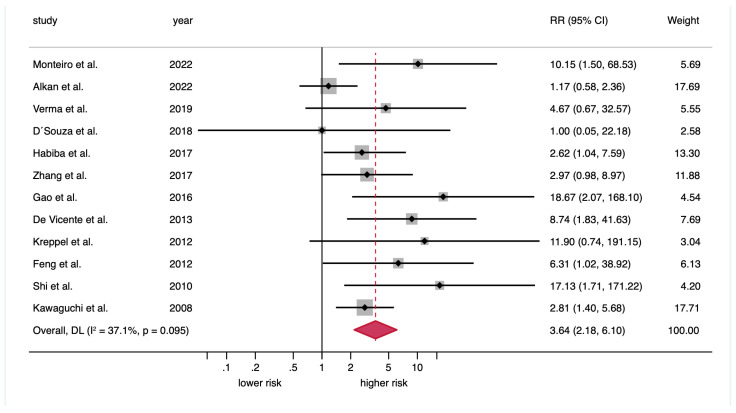 Figure 3
Peer Reviews
No public reviews on file for this paper yet. If you reviewed it on a platform where reviews are public (OpenReview, ICLR, NeurIPS, ICML), you can paste yours below so the community can read it here.
Videos
No videos yet. Explain this paper in a talk, walkthrough, or lecture? Add one.
Taxonomy
TopicsLymphatic System and Diseases · Oral Health Pathology and Treatment · Salivary Gland Disorders and Functions