The Water Extract of Sweet Tea Alleviates LPS-Induced Acute Lung Injury Through Anti-Inflammatory and Antioxidant Effects
Haorui Zheng, Taoyu Wang, Hairui Xue, Zihan Zhang, Hengyang Zhang, Yang Cao, Lin Tang

TL;DR
Sweet tea extract reduces lung injury in mice by fighting inflammation and oxidative stress, suggesting potential health benefits.
Contribution
Identifies sweet tea extract as a novel therapeutic for acute lung injury through anti-inflammatory and antioxidant mechanisms.
Findings
Sweet tea extract reduced lung injury severity and oxidative stress in LPS-induced mouse models.
WEL inhibited NLRP3, Caspase-1, and GSDMD-NT expression, mitigating cell pyroptosis.
Phlorizin and trilobatin are potential key active ingredients in sweet tea extract.
Abstract
Background/Objectives: Lithocarpus litseifolius (Hance) Chun, also known as sweet tea, is a traditional Chinese tea-making plant. Acute lung injury (ALI), a life-threatening syndrome with symptoms like hypoxemia and dyspnea, can be triggered by infection or trauma, with high morbidity and mortality. Whether the water extract of Lithocarpus litseifolius (WEL) has therapeutic effects on ALI remains unclear. This study aimed to analyze WEL’s components, establish in vitro cellular inflammation and mouse ALI models, and investigate WEL’s protective effects against LPS-induced ALI. Methods: LC-MS analysis identified 42 compounds in WEL and quantified three key ones. In an LPS-induced mouse ALI model, WEL significantly reduced lung injury severity, lung wet-to-dry ratio, pulmonary edema, and levels of NO, ROS, IL-1β, TNF-α, and MPO in lung tissues and bronchial alveolar lavage fluid.…
Genes, proteins, chemicals, diseases, species, mutations and cell lines named across the full text — each resolved to its canonical identifier and authoritative record.
Click any figure to enlarge with its caption.
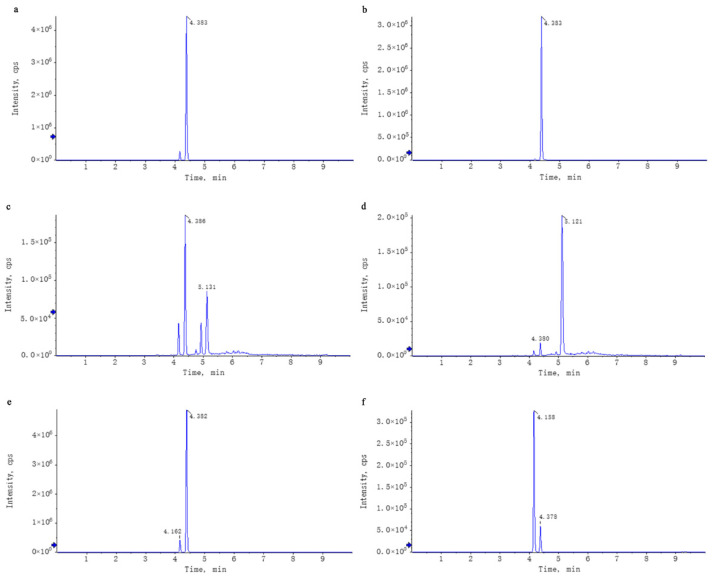 Figure 1
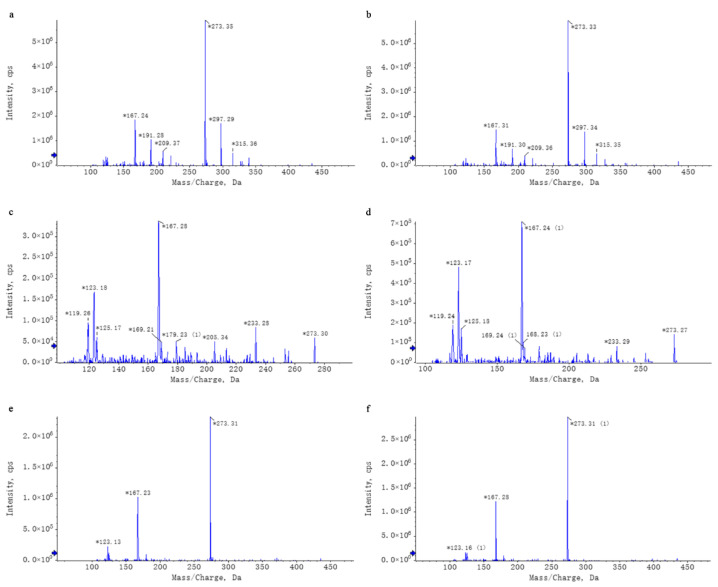 Figure 2
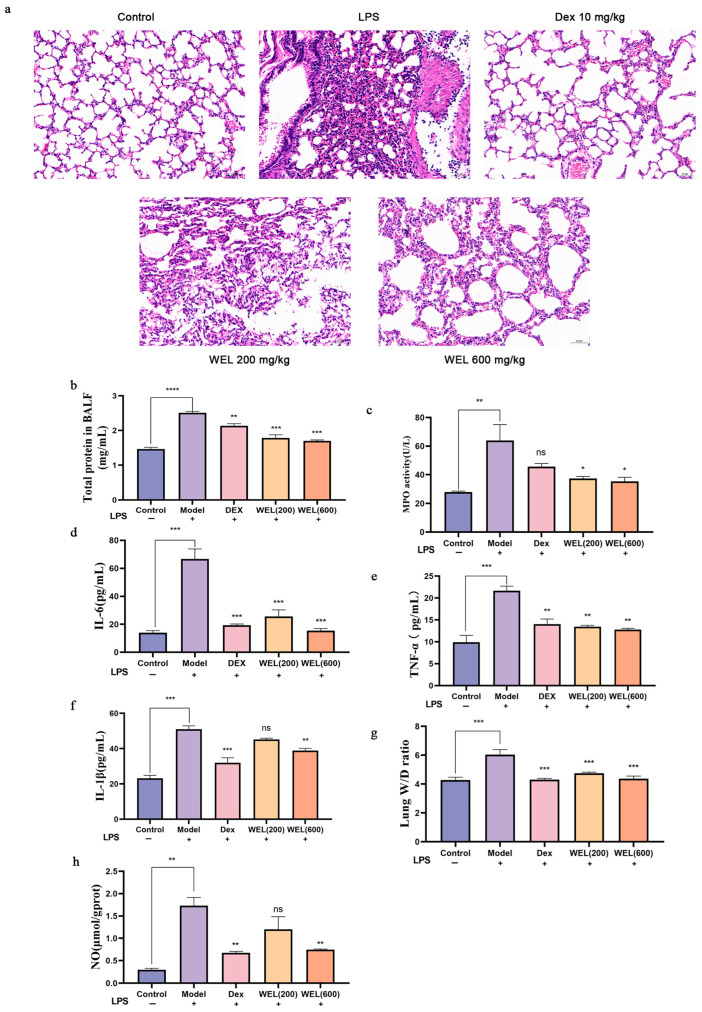 Figure 3
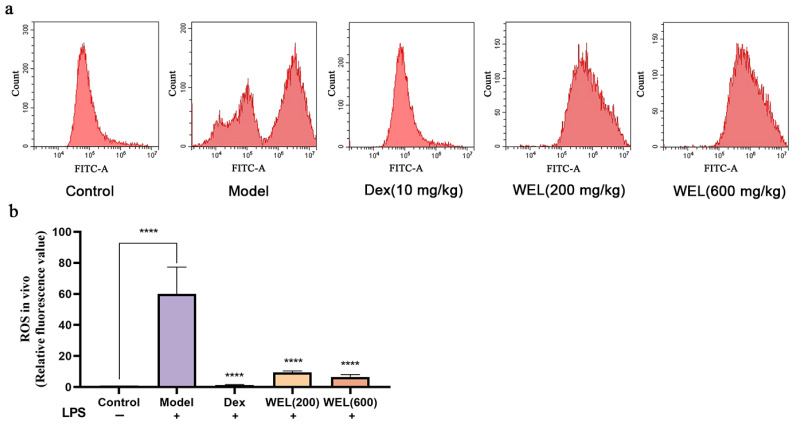 Figure 4
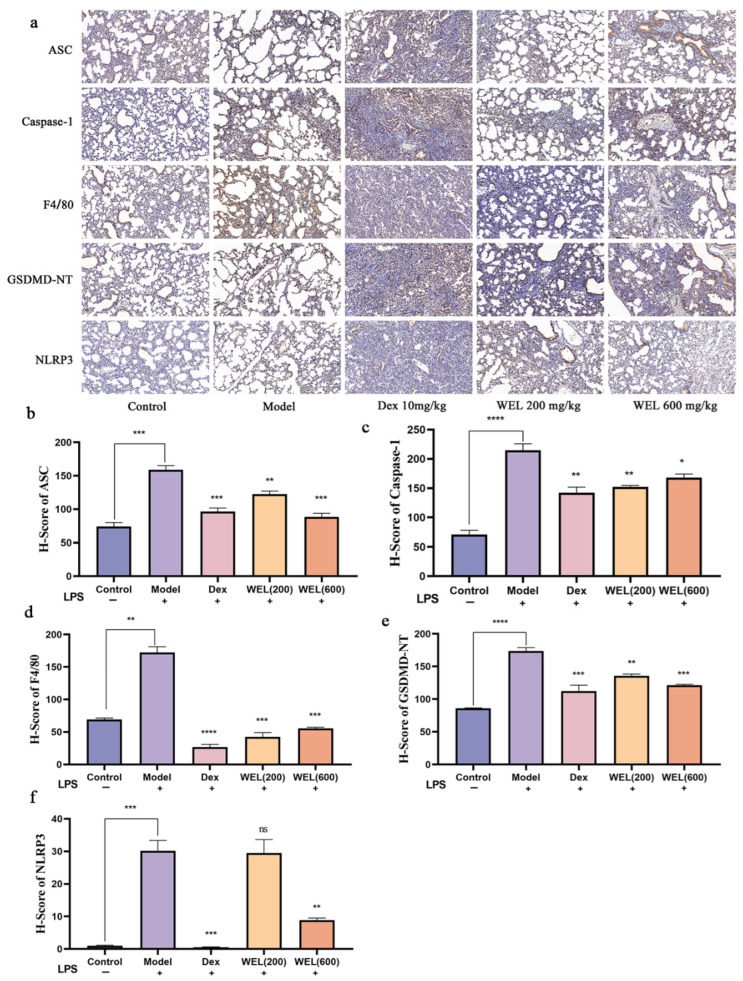 Figure 5
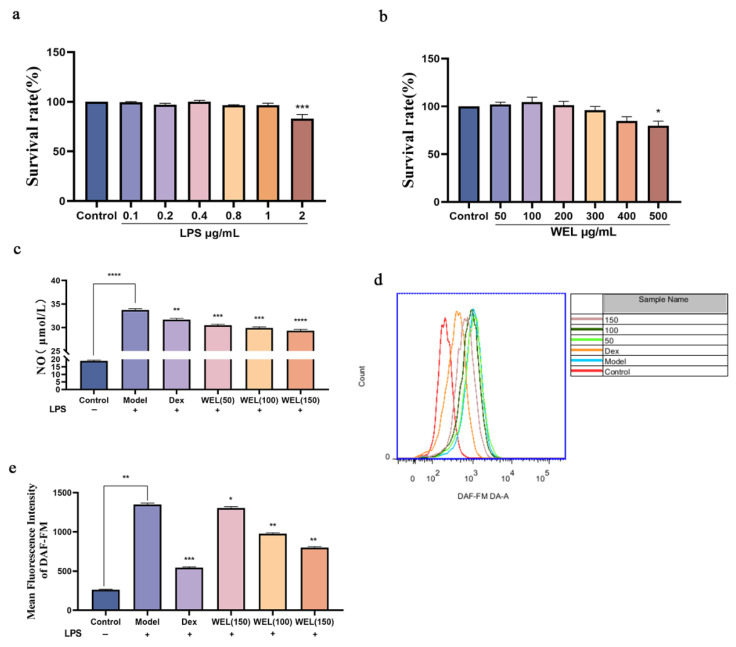 Figure 6
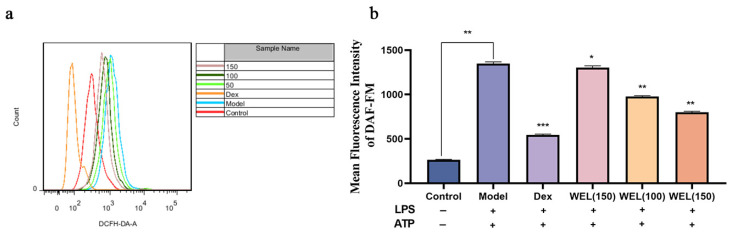 Figure 7
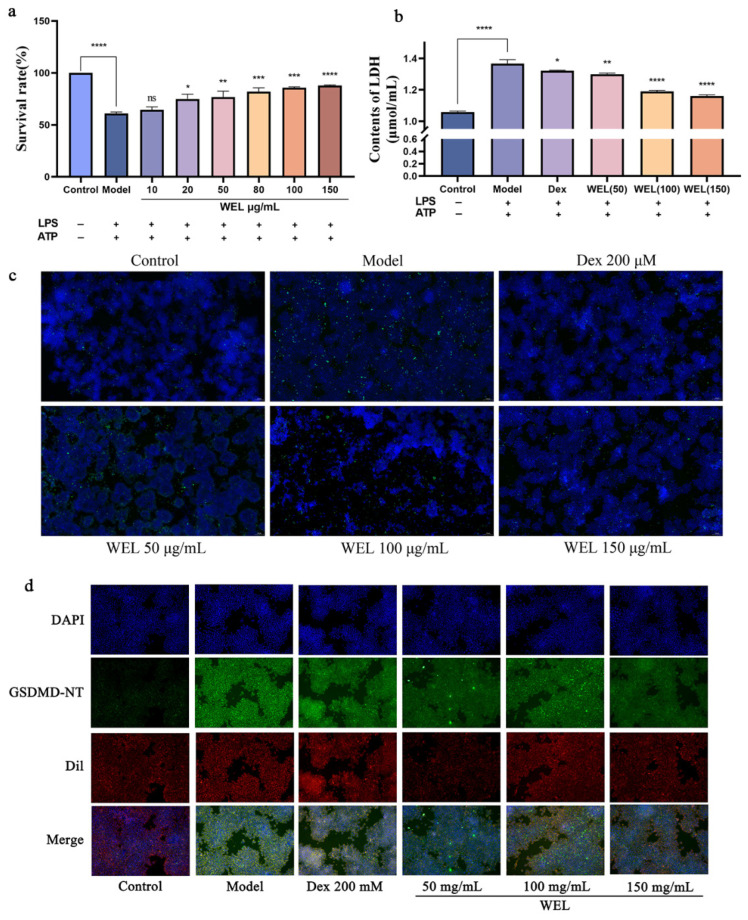 Figure 8
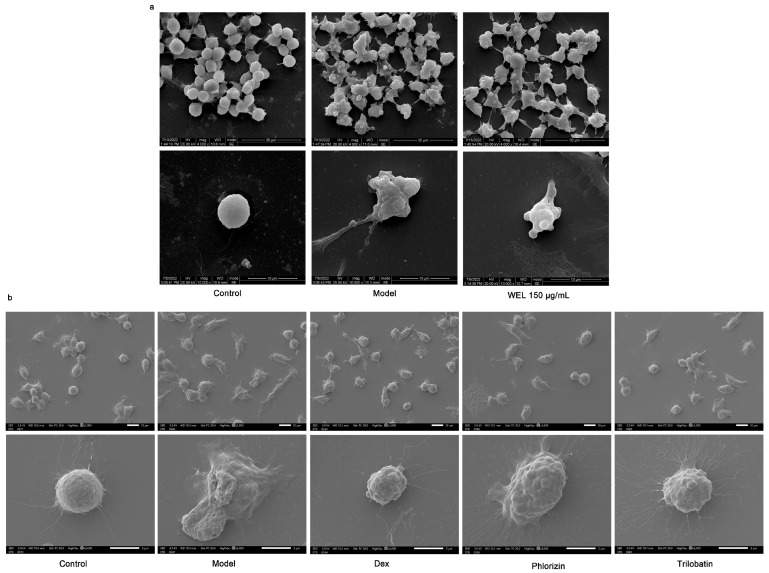 Figure 9
Peer Reviews
No public reviews on file for this paper yet. If you reviewed it on a platform where reviews are public (OpenReview, ICLR, NeurIPS, ICML), you can paste yours below so the community can read it here.
Videos
No videos yet. Explain this paper in a talk, walkthrough, or lecture? Add one.
Taxonomy
TopicsInflammasome and immune disorders · Tea Polyphenols and Effects · Chronic Obstructive Pulmonary Disease (COPD) Research