Human Body Malodor and Deodorants: The Present and the Future
Hyun Tae Son, Hyo-Seung Choi, Seung-Sik Cho, Dae-Hun Park

TL;DR
Human underarm odor affects hygiene and confidence, and new deodorant strategies are needed to target odor formation steps more effectively.
Contribution
The paper proposes novel deodorant strategies targeting specific steps in malodor formation, such as pump inhibitors and enzyme blockers.
Findings
Malodor formation involves precursor vesiculation, bacterial conversion, and metabolite efflux.
Current deodorants have adverse effects and need improved strategies.
Targeting specific steps like ABCC11 pumps or AMREs could enhance odor suppression.
Abstract
Human axillary malodor negatively influences impression-related appearance, confidence, and hygiene, and ultimately decreases quality of life. Malodor formation involves three steps: vesiculation of odorless precursors within the human body, influx of these precursors into the intracellular space of bacteria, such as Corynebacterium striatum and Staphylococcus hominis, and efflux of malodorous metabolites into the axilla after conversion by axillary malodor-releasing enzymes (AMREs). Malodor deodorants are currently in use, and their formulation strategies, based on the ingredients, can be classified as follows: anti-sweating, antiproliferation of malodor-forming bacteria, masking (neutralizing) effects against malodor, and deodorization. However, current deodorants have several adverse effects. To reduce such effects while enhancing malodor suppression, a strategy targeting the…
Genes, proteins, chemicals, diseases, species, mutations and cell lines named across the full text — each resolved to its canonical identifier and authoritative record.
Click any figure to enlarge with its caption.
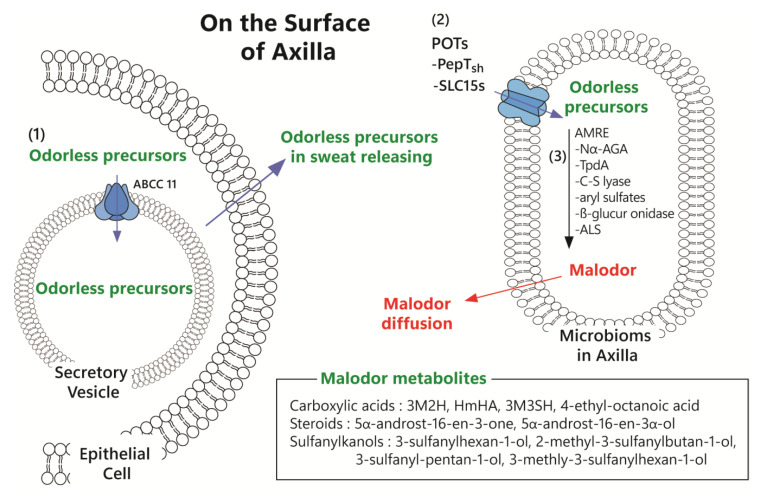 Figure 1
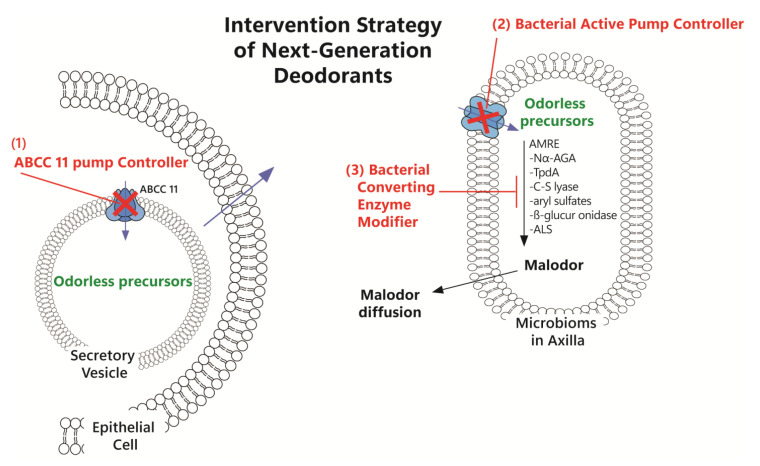 Figure 2
 Figure 3
 Figure 4
 Figure 5
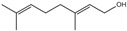 Figure 6
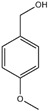 Figure 7
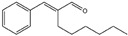 Figure 8
 Figure 9
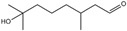 Figure 10
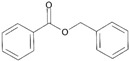 Figure 11
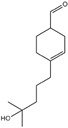 Figure 12
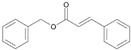 Figure 13
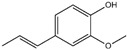 Figure 14
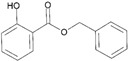 Figure 15
 Figure 16
 Figure 17
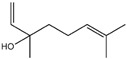 Figure 18
 Figure 19
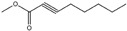 Figure 20
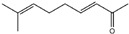 Figure 21
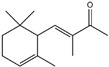 Figure 22
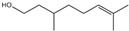 Figure 23
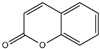 Figure 24
 Figure 25
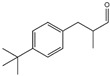 Figure 26
Peer Reviews
No public reviews on file for this paper yet. If you reviewed it on a platform where reviews are public (OpenReview, ICLR, NeurIPS, ICML), you can paste yours below so the community can read it here.
Videos
No videos yet. Explain this paper in a talk, walkthrough, or lecture? Add one.
Taxonomy
TopicsOlfactory and Sensory Function Studies · Fermentation and Sensory Analysis · Biochemical Analysis and Sensing Techniques