Metabolic Characterization of Two Flor Yeasts During Second Fermentation in the Bottle for Sparkling Wine Production
Juan Carlos García-García, María Trinidad Alcalá-Jiménez, Juan Carlos Mauricio, Cristina Campos-Vázquez, Inés M. Santos-Dueñas, Juan Moreno, Teresa García-Martínez

TL;DR
This study compares two flor yeast strains during sparkling wine fermentation, showing they produce distinct flavors and could improve wine diversity.
Contribution
The study provides new insights into the metabolic profiles of two flor yeast strains in sparkling wine production.
Findings
Strain N62 fermented faster and reached 3 bar pressure in 27 days, while G1 took 52 days.
G1 produced higher levels of 3-methyl-1-butanol and acetaldehyde, while N62 generated more glycerol and amino acids.
Both strains produced distinct volatile and nitrogen compound profiles, suggesting unique sensory impacts.
Abstract
The global sparkling wine market continues to grow steadily, reaching approximately 24 million hectoliters in 2023, with an annual increase of around 4% despite a general decline in overall alcoholic beverage consumption. This growth highlights the importance of employing diverse yeast strains to improve product variety and quality. Flor yeasts are specialized strains of Saccharomyces cerevisiae that develop a biofilm on the surface of certain wines during biological ageing. They possess unique physiological properties, including high ethanol tolerance and the capacity to adhere, which supports wine clarification. They also have the ability to contribute unique volatile compounds and aroma profiles, making them promising candidates for sparkling wine production. This study evaluated two flor yeast strains (G1 and N62), which were isolated from the Pérez Barquero winery during the second…
Genes, proteins, chemicals, diseases, species, mutations and cell lines named across the full text — each resolved to its canonical identifier and authoritative record.
Click any figure to enlarge with its caption.
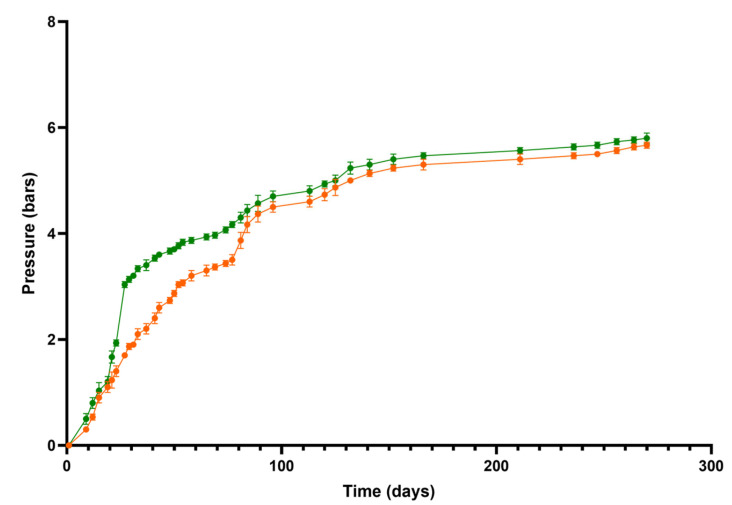 Figure 1
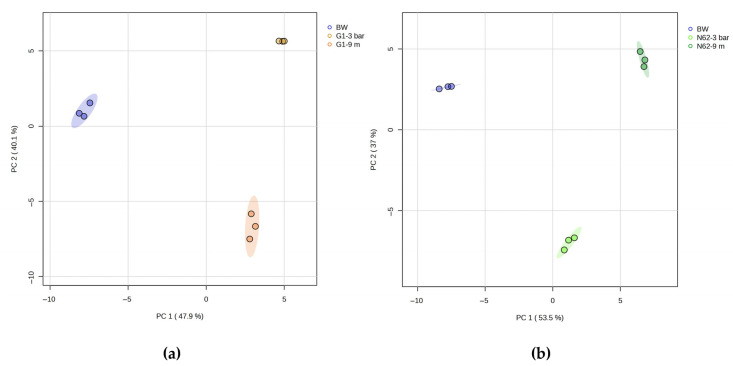 Figure 2
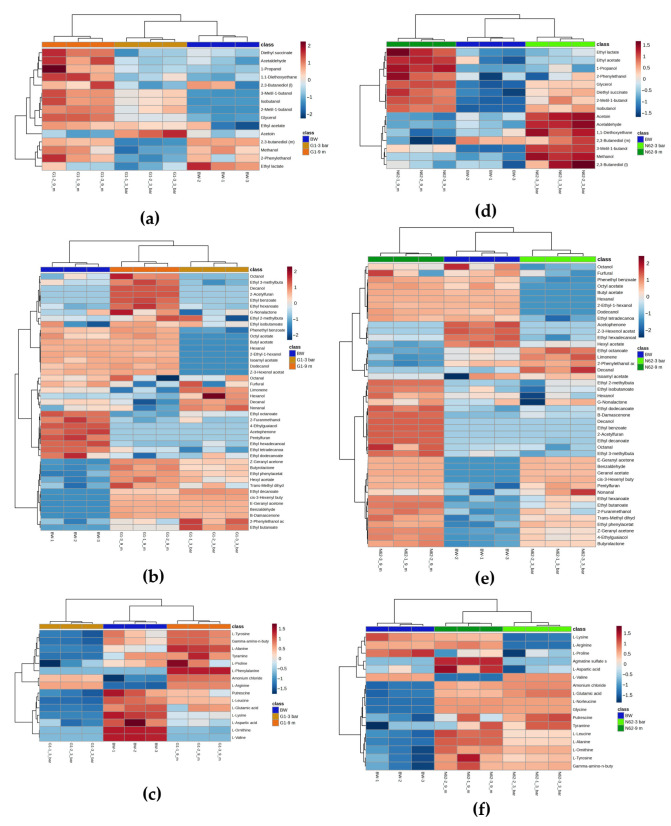 Figure 3
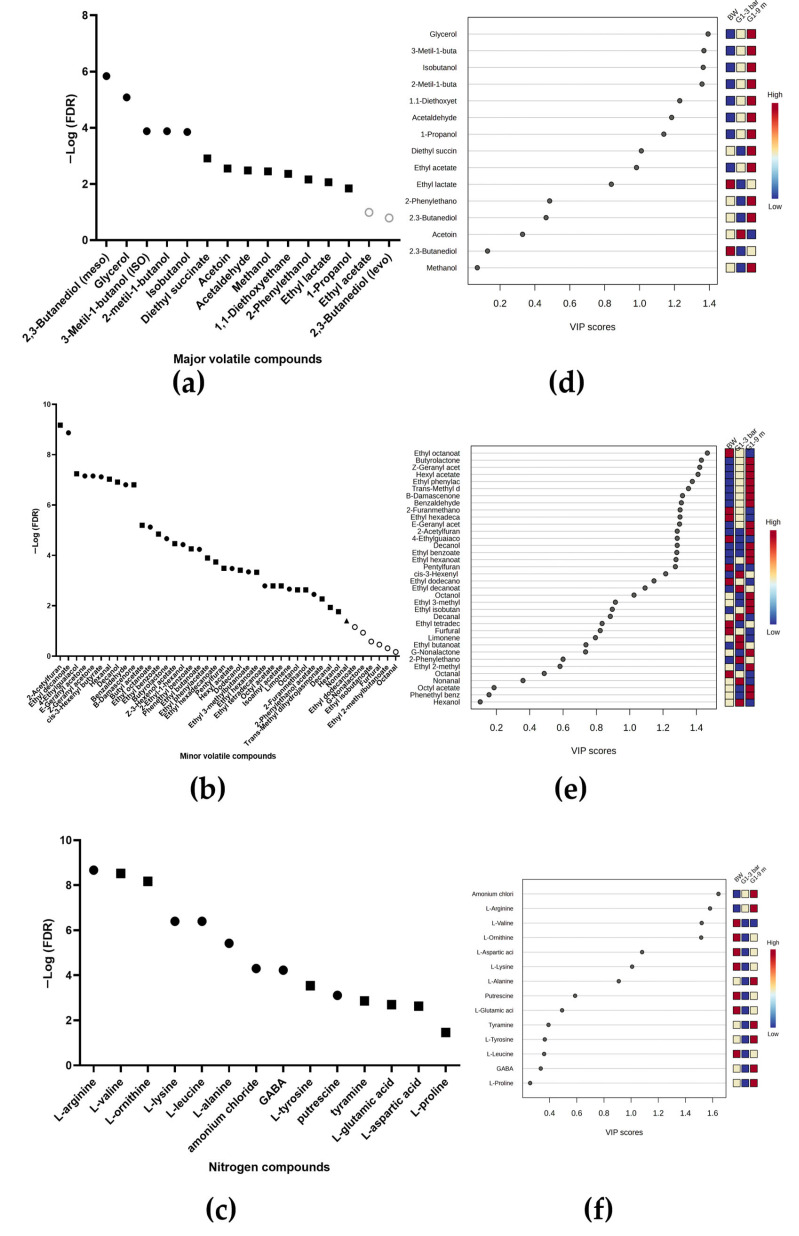 Figure 4
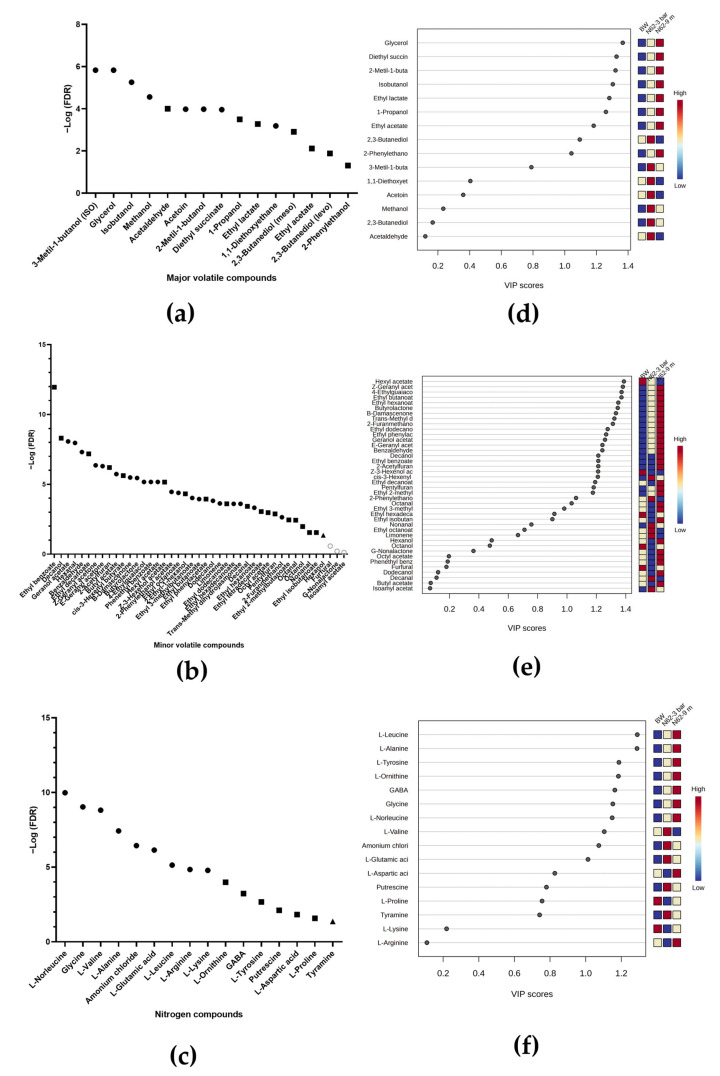 Figure 5
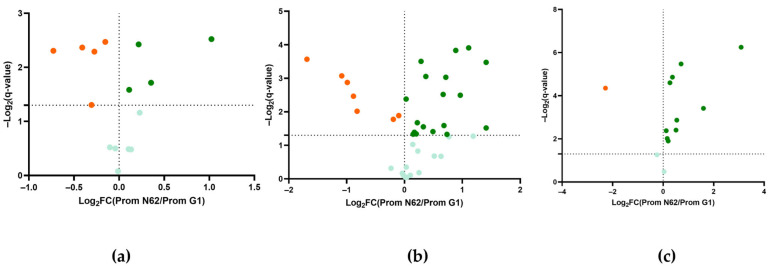 Figure 6
Peer Reviews
No public reviews on file for this paper yet. If you reviewed it on a platform where reviews are public (OpenReview, ICLR, NeurIPS, ICML), you can paste yours below so the community can read it here.
Videos
No videos yet. Explain this paper in a talk, walkthrough, or lecture? Add one.
Taxonomy
TopicsFermentation and Sensory Analysis · Fungal and yeast genetics research · Wine Industry and Tourism