Geometry and Material Criteria for Low-Carbon Design of I/H-Beams in Sustainable Steel Structures Considering Both Mechanical Properties and Carbon Emissions
Jitao Bai, Keyong Yang, Zhonghao Chen, Jiahe Liang, Simiao Zhang, Yu Diao

TL;DR
This paper introduces a new method for designing steel beams that reduces carbon emissions while maintaining structural strength.
Contribution
The novel carbon-capacity ratio (CCR) index combines mechanical performance and carbon emissions for sustainable steel beam design.
Findings
For double-symmetric beams under flexure, larger flange width and beam height are optimal for low-carbon design.
High-strength steel and recycled materials are recommended to reduce emissions in beam fabrication.
Geometry criteria vary based on load types, with beam height being the most effective variable for sustainability.
Abstract
Construction steel is responsible for considerable amounts of carbon emissions in building sectors, and promoting the low-carbon design of steel components is conducive to the sustainable development of the industry. As one of the most typical components, I/H-beams are widely used in steel structures. In this paper, a new comprehensive index named carbon-capacity ratio (CCR) was proposed considering both mechanical properties and carbon emissions of I/H-beams, based on which the geometry coefficient and material coefficient were derived. Quantitative investigation was then conducted on the geometry coefficient to figure out the effects of different geometry variables, and the geometry criteria for low-carbon design of steel beams were concluded considering different load conditions. Results show that for double-symmetric cross-sections bearing flexural loads, larger flange width and…
Genes, proteins, chemicals, diseases, species, mutations and cell lines named across the full text — each resolved to its canonical identifier and authoritative record.
Click any figure to enlarge with its caption.
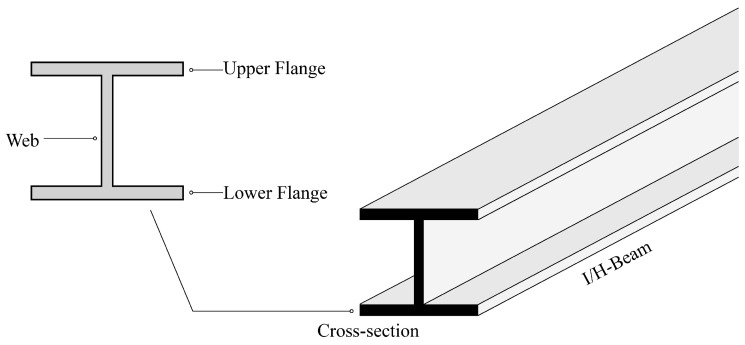 Figure 1
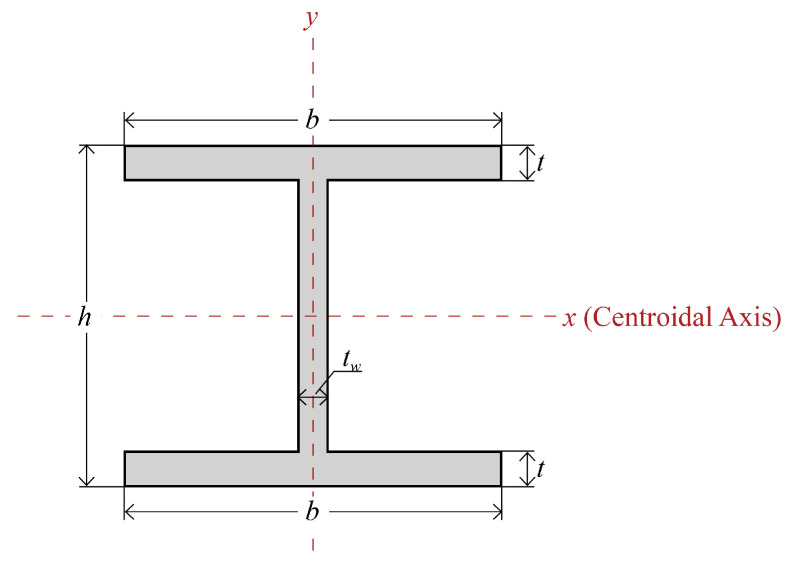 Figure 2
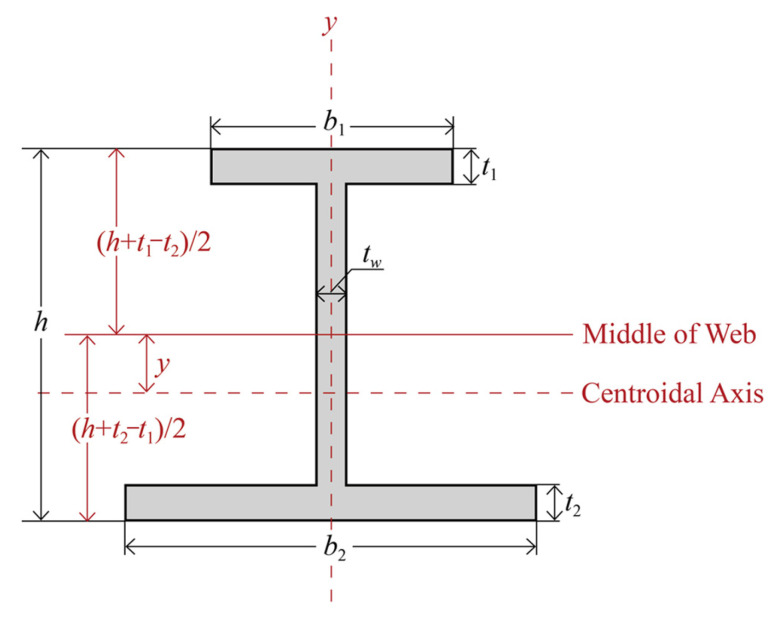 Figure 3
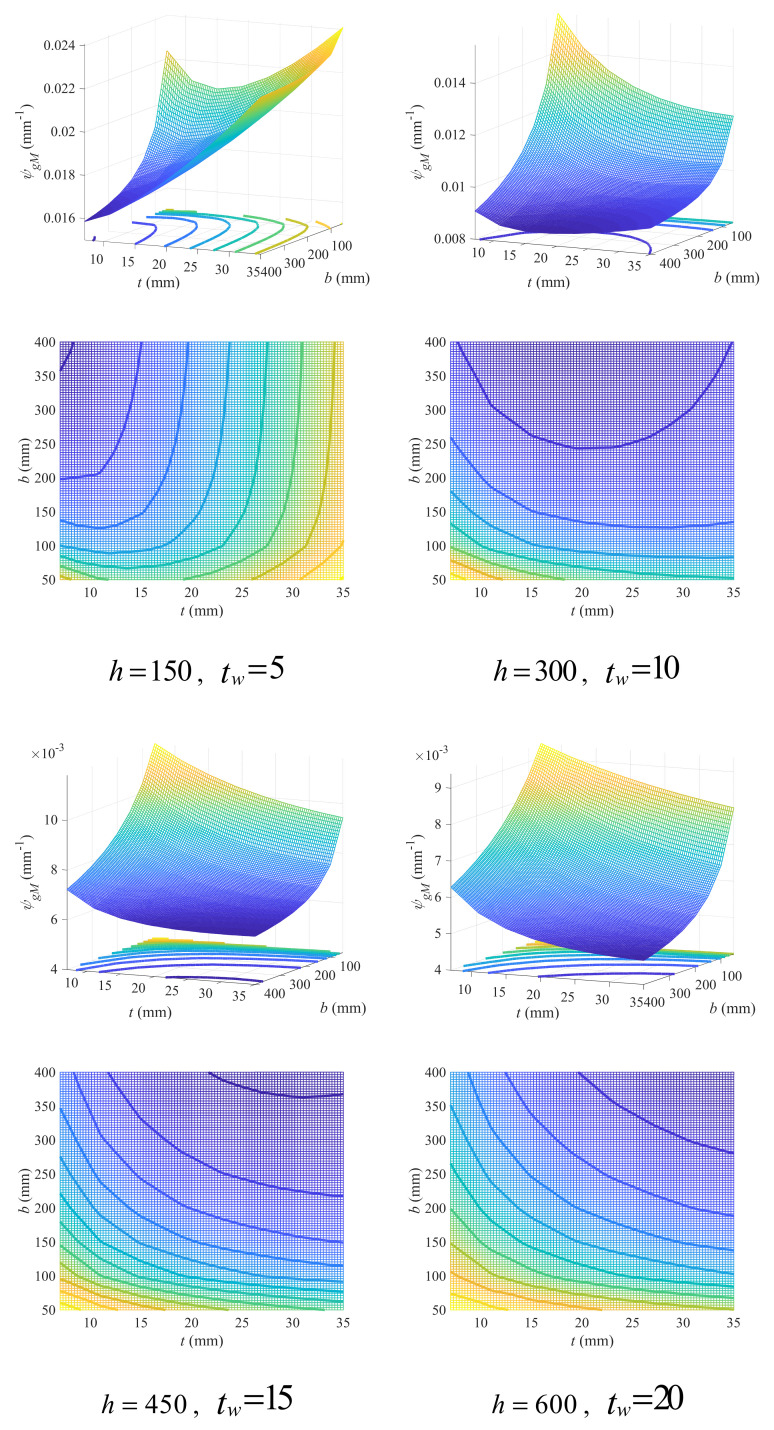 Figure 4
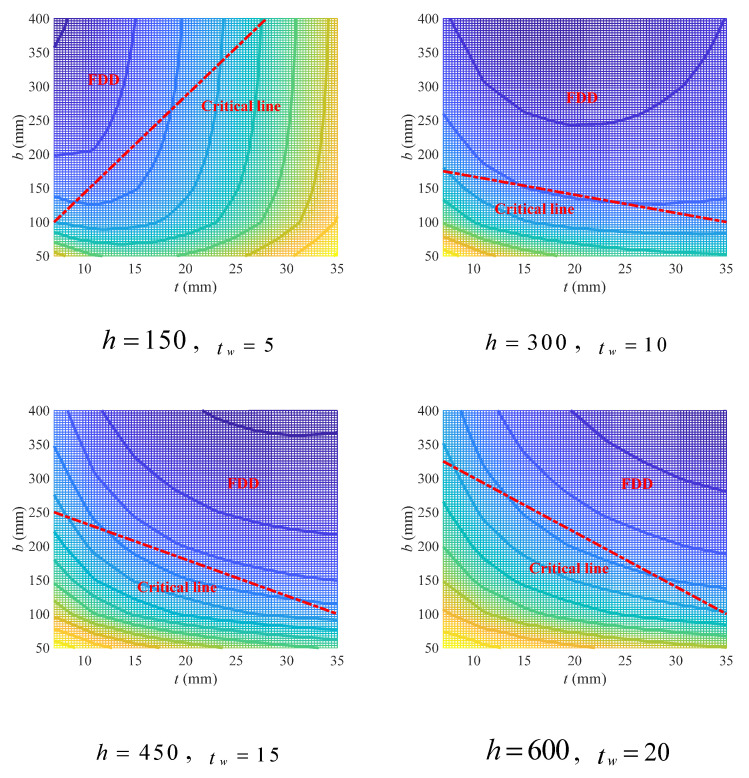 Figure 5
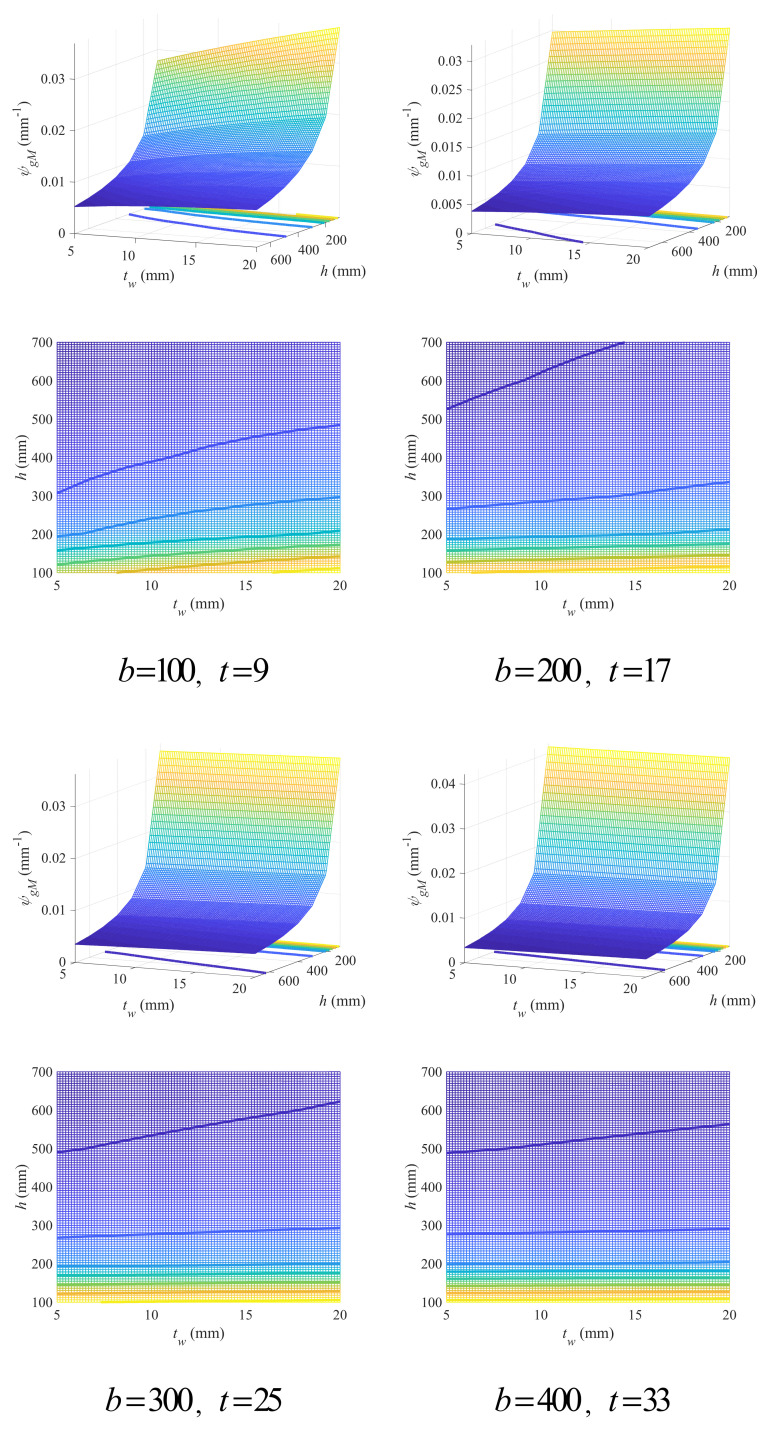 Figure 6
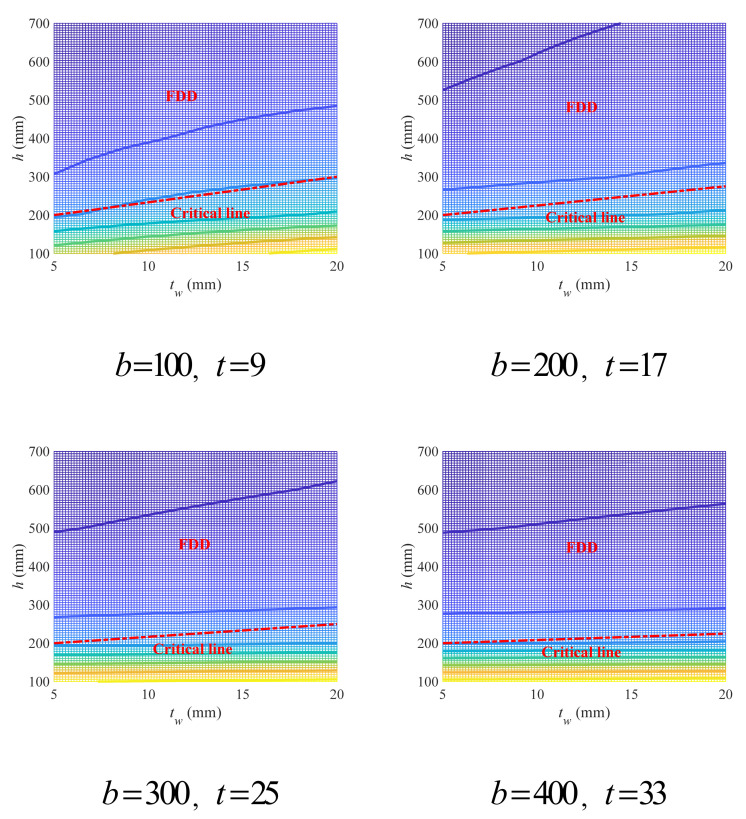 Figure 7
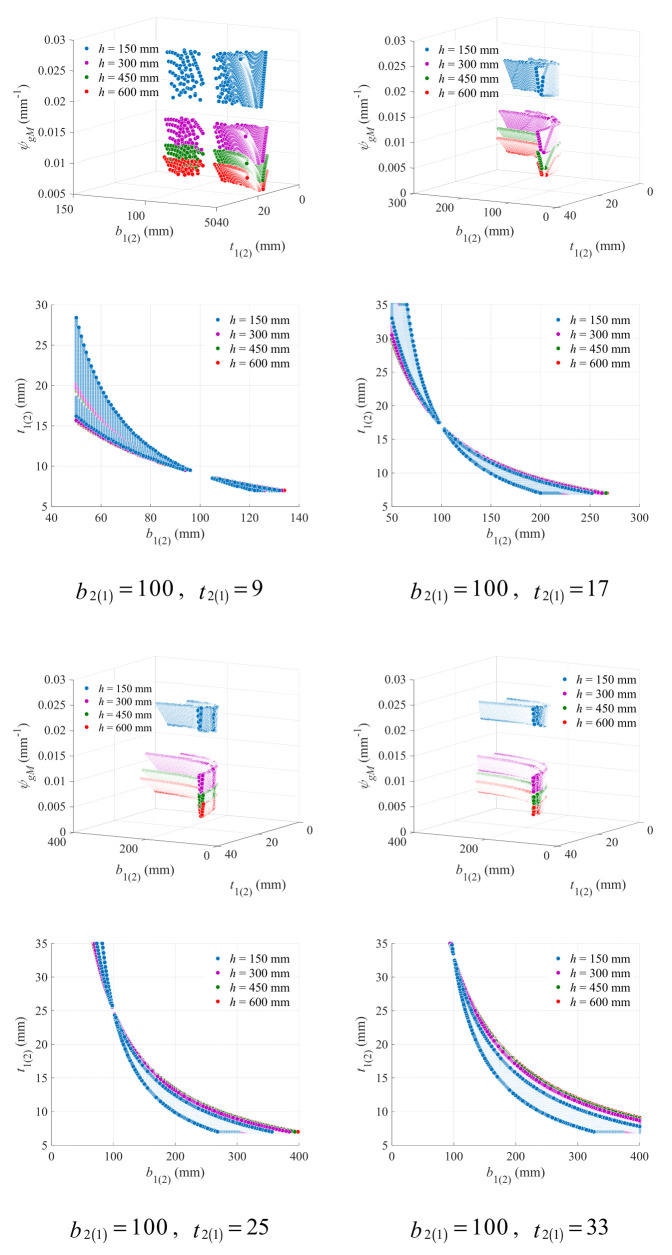 Figure 8
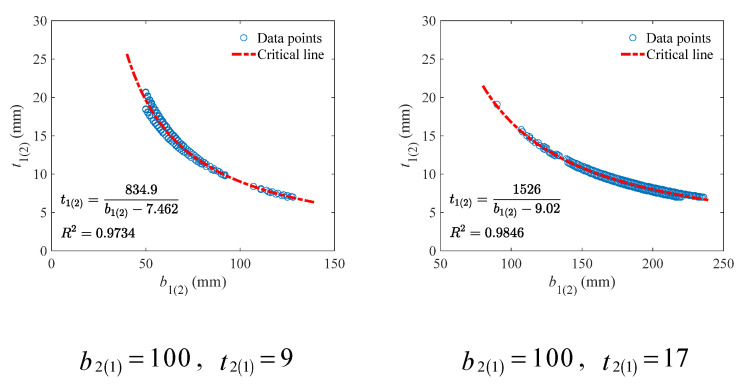 Figure 9
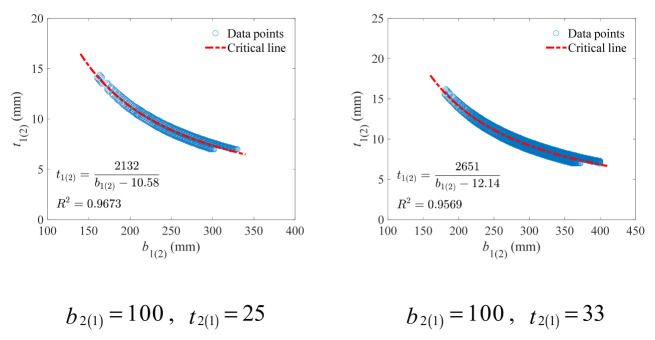 Figure 10
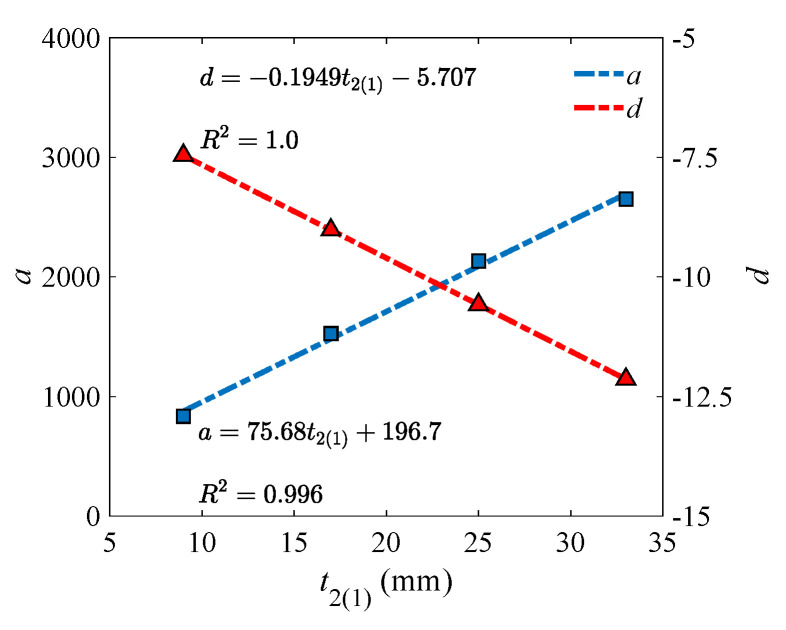 Figure 11
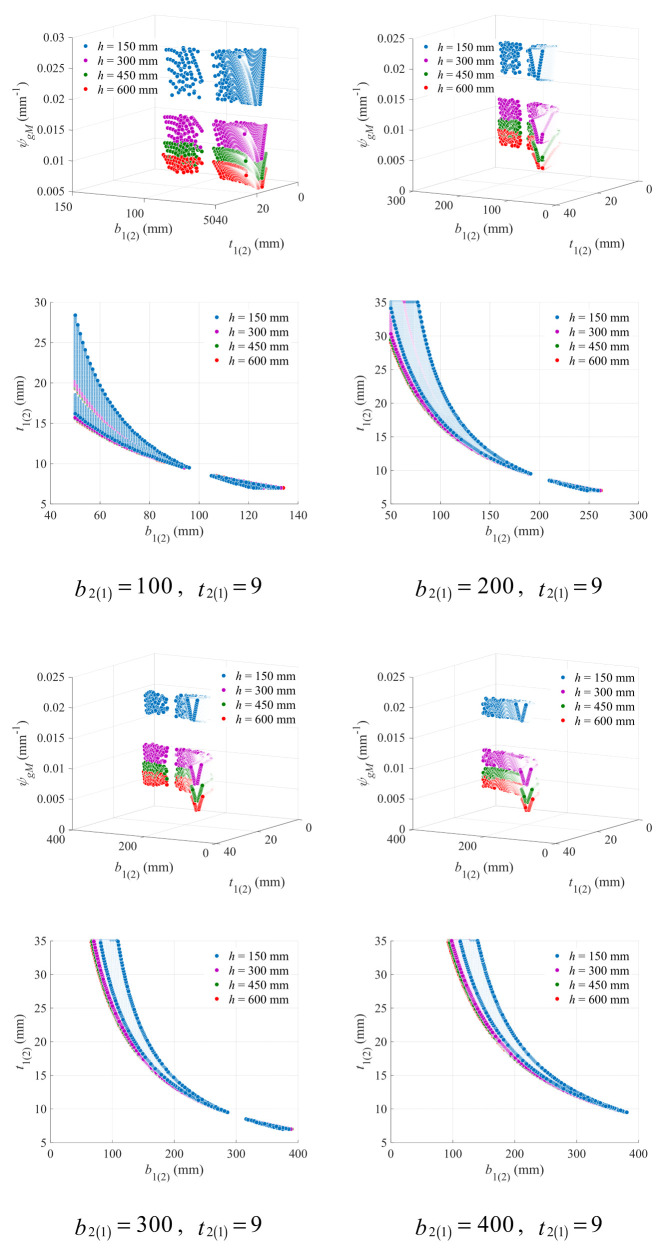 Figure 12
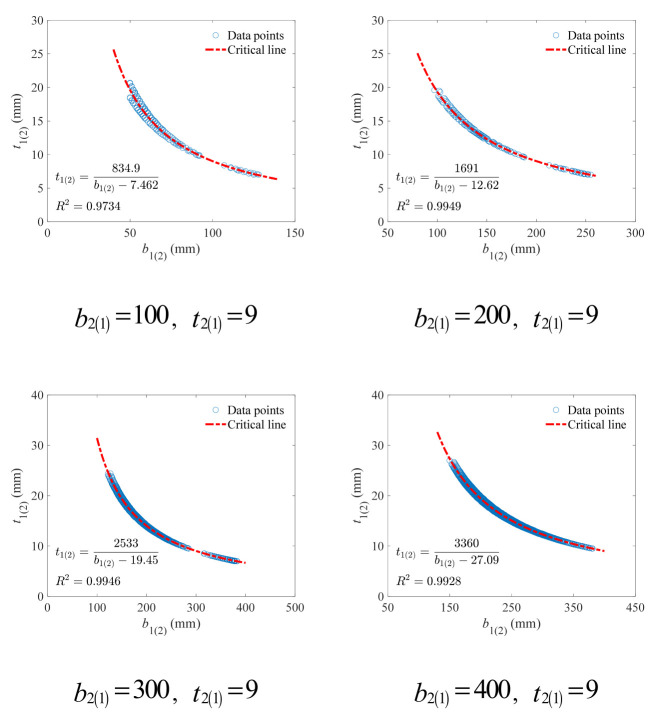 Figure 13
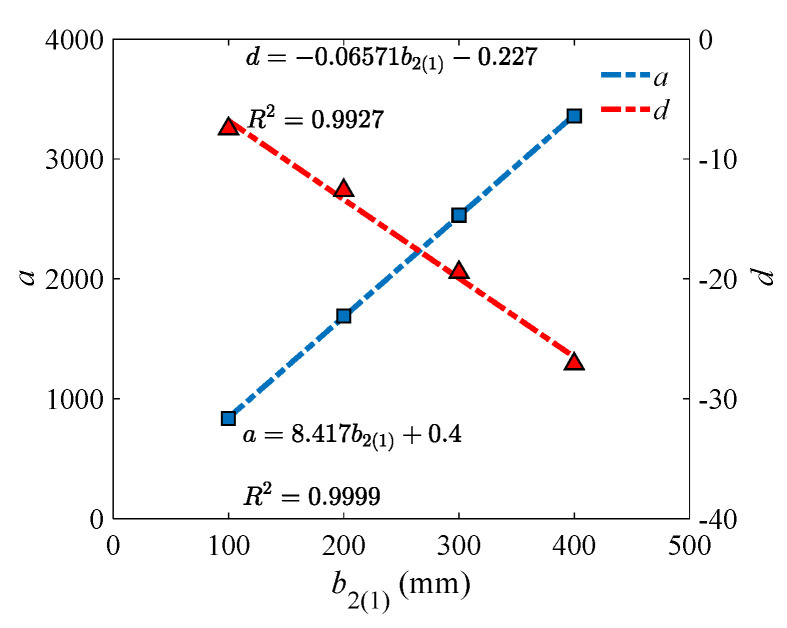 Figure 14
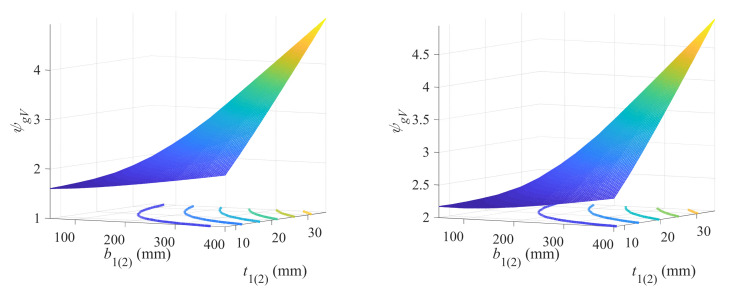 Figure 15
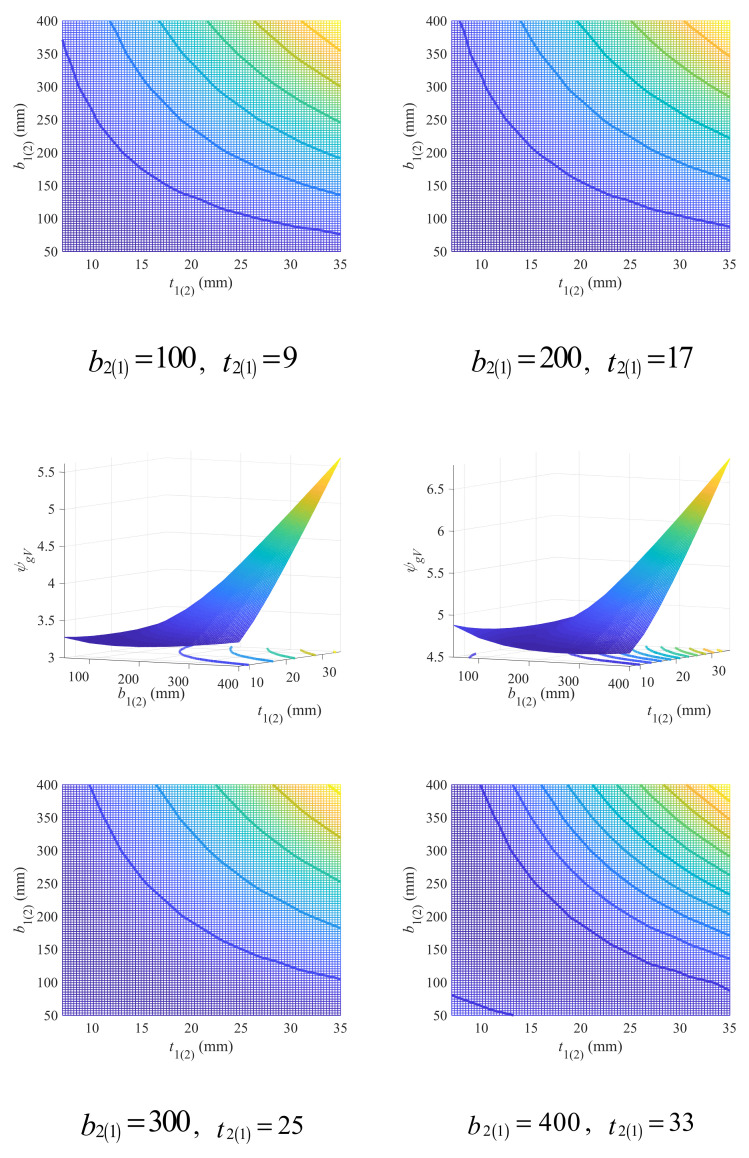 Figure 16
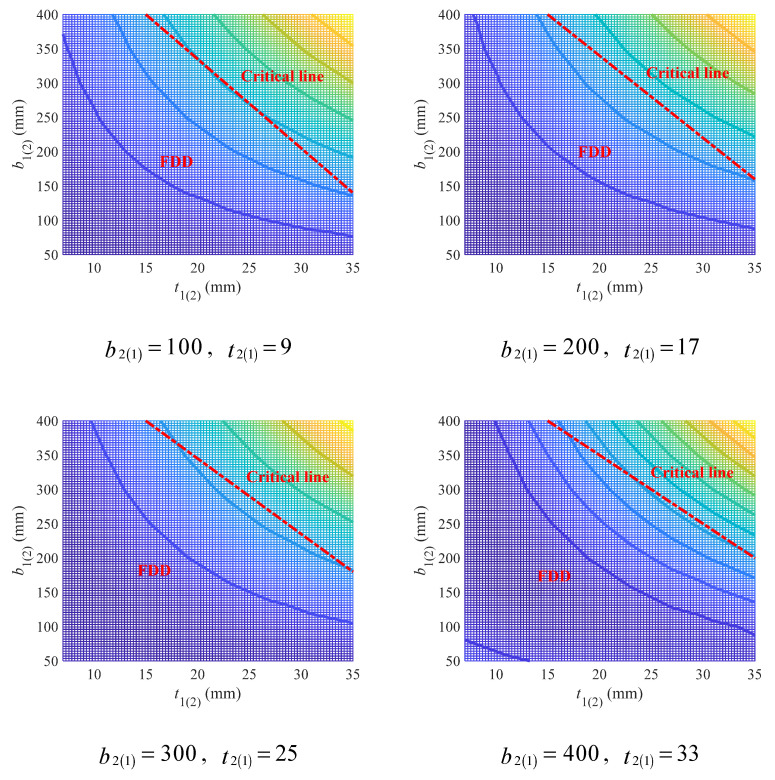 Figure 17
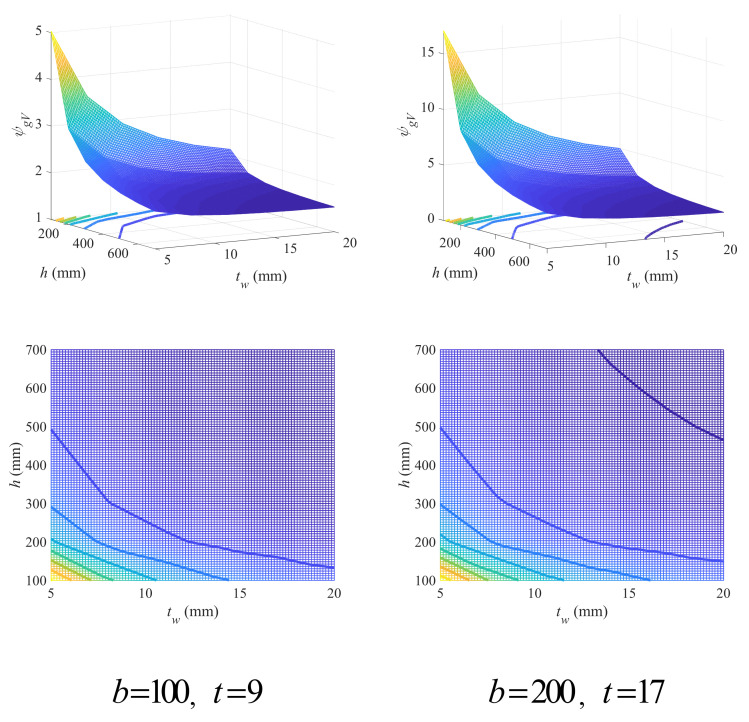 Figure 18
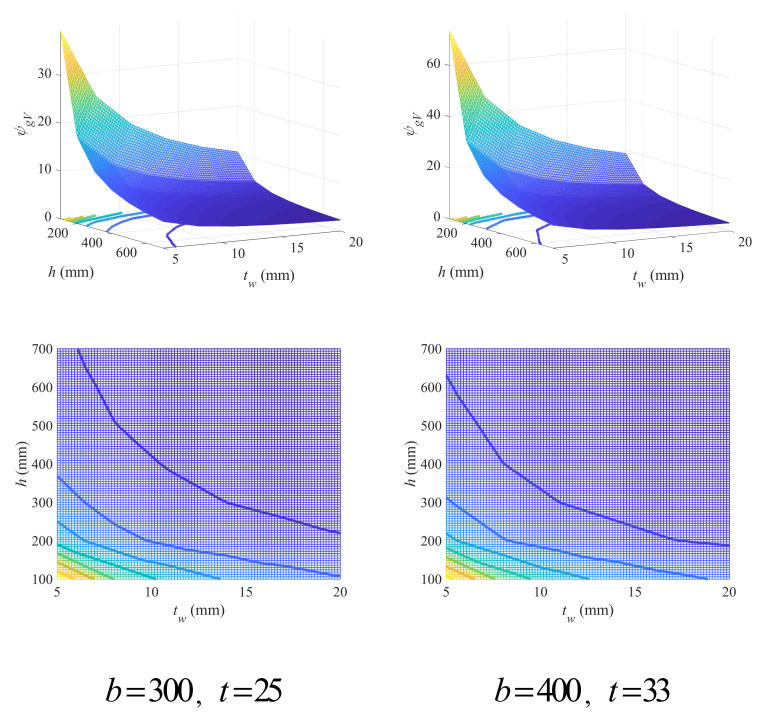 Figure 19
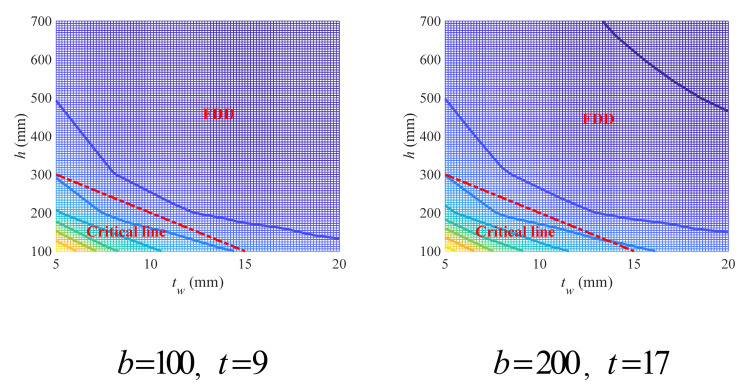 Figure 20
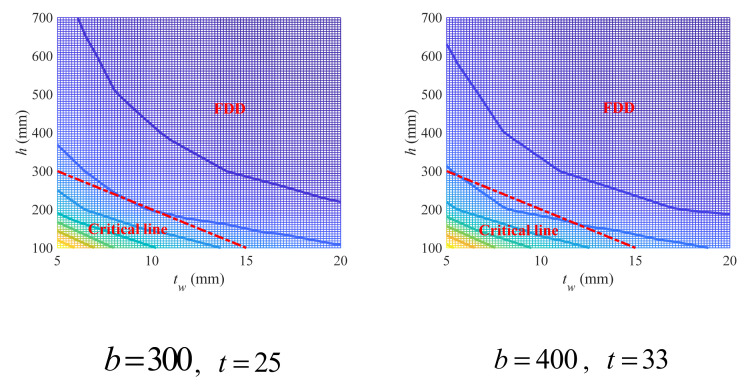 Figure 21
Peer Reviews
No public reviews on file for this paper yet. If you reviewed it on a platform where reviews are public (OpenReview, ICLR, NeurIPS, ICML), you can paste yours below so the community can read it here.
Videos
No videos yet. Explain this paper in a talk, walkthrough, or lecture? Add one.
Taxonomy
TopicsEnvironmental Impact and Sustainability · Structural Load-Bearing Analysis · Topology Optimization in Engineering