The Laser Welding Research of Dissimilar Materials Between AlCoCrFeNi2.1 Eutectic High-Entropy Alloy and GH3030 Nickel-Based Alloy
Anmin Liu, Ze An, Bin Wang, Hailin Qiao, Keming Chang, Yu Fan

TL;DR
This paper explores laser welding of two different alloys to improve joint strength and plasticity by reducing element segregation and intermetallic compound formation.
Contribution
The study demonstrates that using AlCoCrFeNi2.1 eutectic high-entropy alloy with GH3030 nickel-based alloy improves joint performance through reduced segregation and intermetallic formation.
Findings
The AlCoCrFeNi2.1/GH3030 joint has an average yield strength of 1.31 GPa, significantly higher than GH3030/GH3030 joints.
The joint shows a higher work-hardening exponent of 0.337, indicating improved plasticity.
The weld zone hardness increases stably from nickel-based to high-entropy alloy, with good plasticity and minimal brittle fracture.
Abstract
Dissimilar material welding enables the integration of the superior properties of different materials, thereby achieving optimal structural performance and economic efficiency while meeting specific service requirements. The presence of solid-solution strengthening elements such as Ti, Co, and Al, and trace elements such as P and S, in GH3030 nickel-based superalloy leads to their segregation and the formation of intermetallic compounds in the welded joint, resulting in deterioration of joint performance. High-entropy alloys (HEAs), with their high-entropy effect and delayed diffusion effect working synergistically, can effectively suppress compositional segregation caused by uneven elemental diffusion and the formation of intermetallic compounds at interfaces, thereby improving the quality of welded joints and demonstrating great potential for dissimilar material joining. Therefore, in…
Genes, proteins, chemicals, diseases, species, mutations and cell lines named across the full text — each resolved to its canonical identifier and authoritative record.
Click any figure to enlarge with its caption.
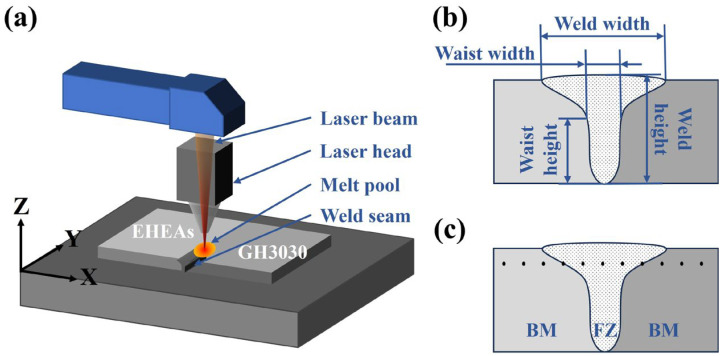 Figure 1
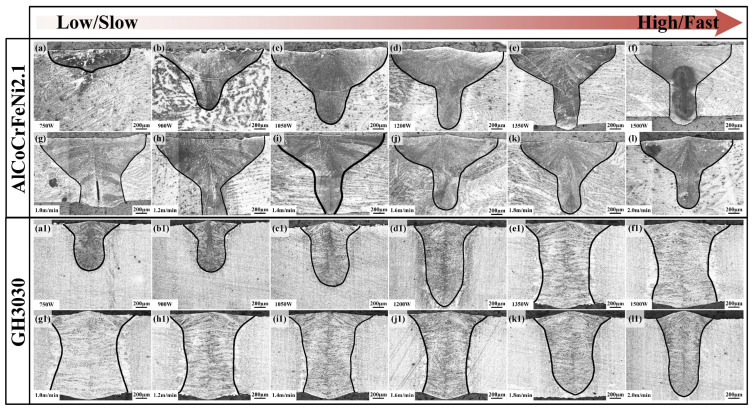 Figure 2
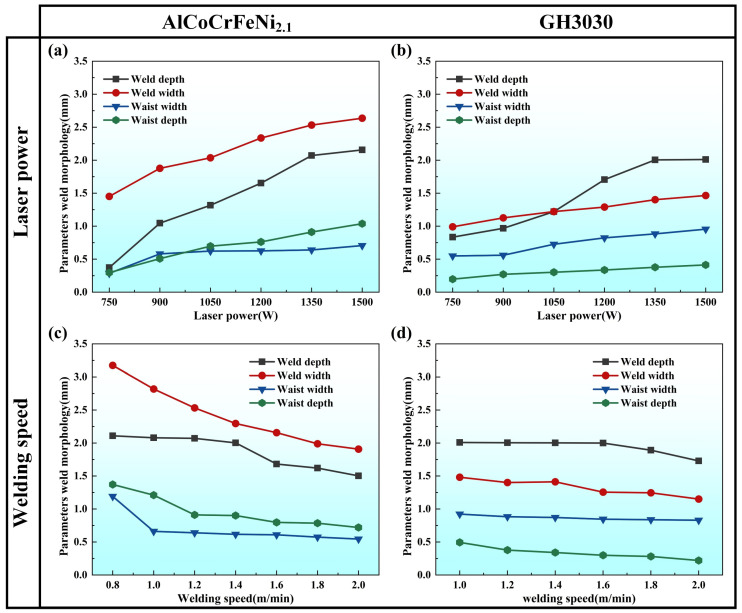 Figure 3
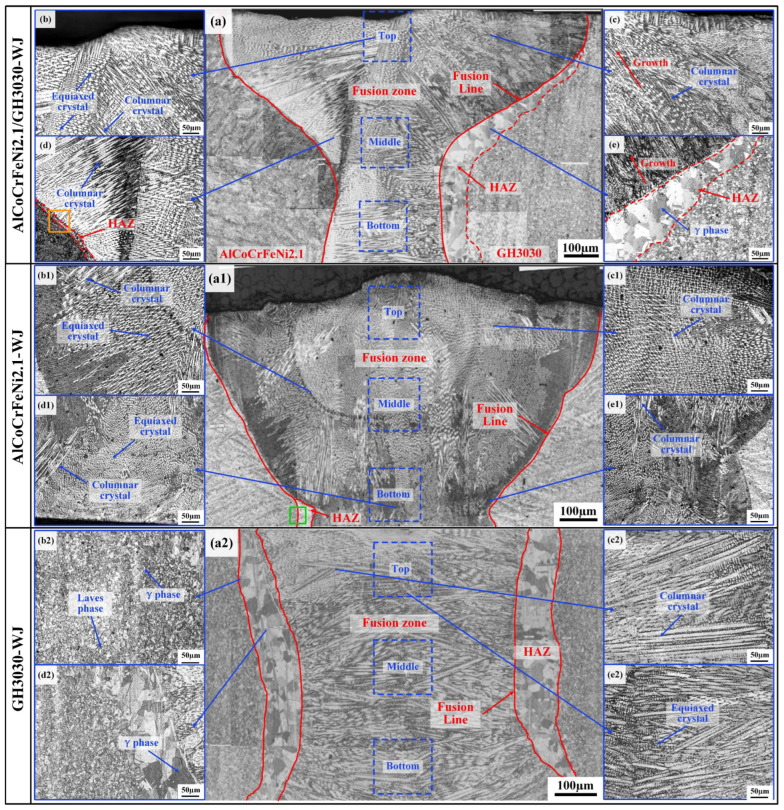 Figure 4
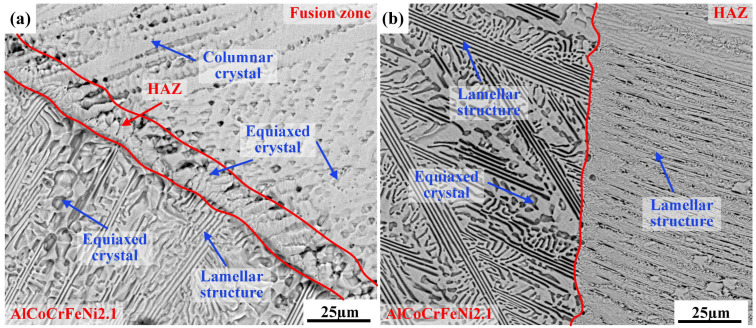 Figure 5
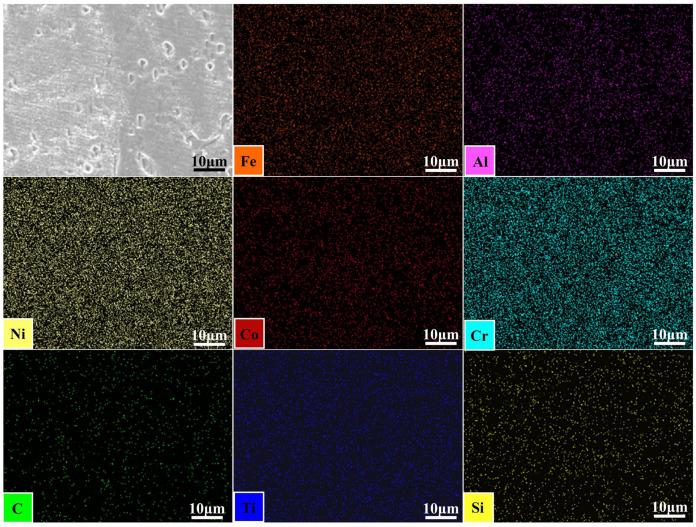 Figure 6
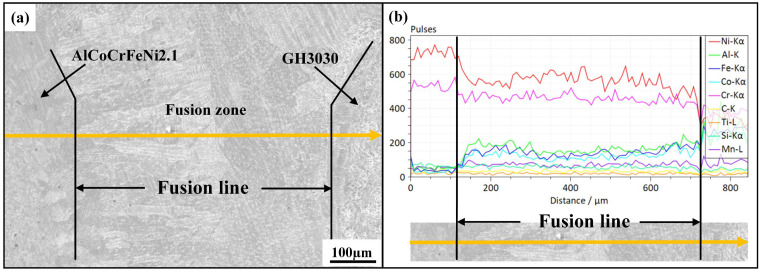 Figure 7
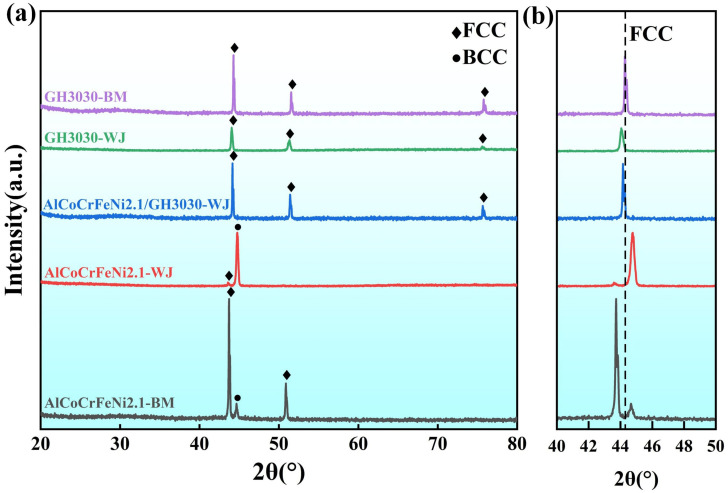 Figure 8
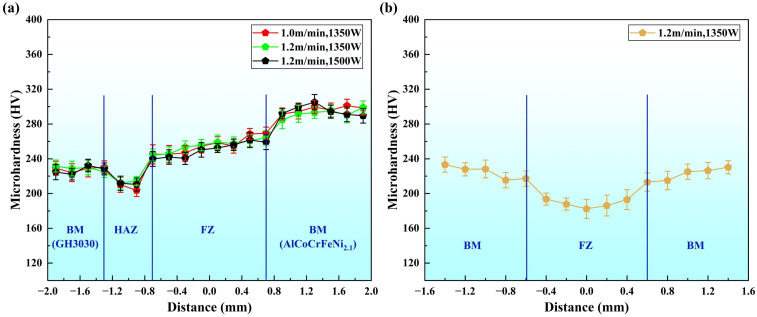 Figure 9
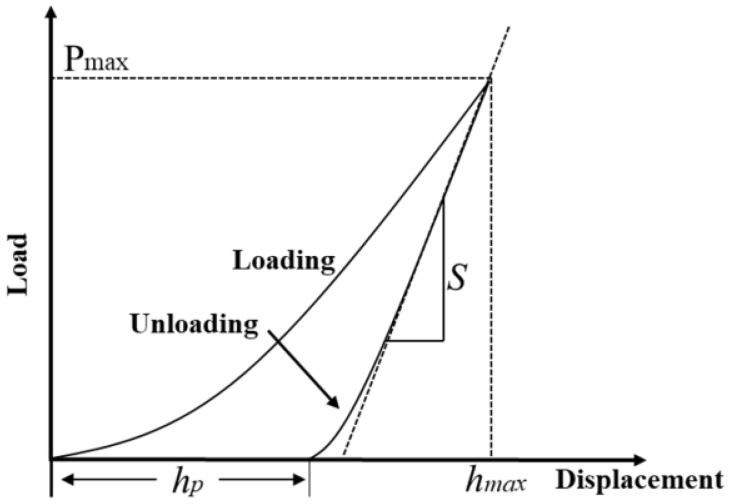 Figure 10
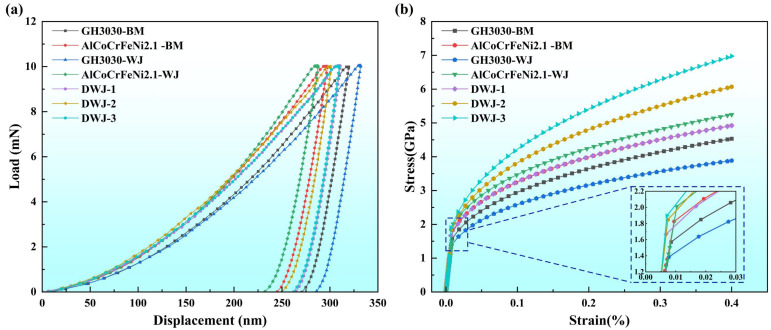 Figure 11
Peer Reviews
No public reviews on file for this paper yet. If you reviewed it on a platform where reviews are public (OpenReview, ICLR, NeurIPS, ICML), you can paste yours below so the community can read it here.
Videos
No videos yet. Explain this paper in a talk, walkthrough, or lecture? Add one.
Taxonomy
TopicsHigh Entropy Alloys Studies · Additive Manufacturing Materials and Processes · High Temperature Alloys and Creep