Maternal Genotype and Dietary Vitamin A Modify Aortic Arch Phenotypes in a Mouse Model of 22q11DS
Emilia Amengual-Cladera, Maria Victòria Llull-Alberti, Marc Ventayol-Guirado, Juan Antonio Jimenez-Barcelo, Jairo Enrique Rocha, Josep Muncunill, Jessica Hernandez-Rodriguez, Daniela Medina-Chávez, Elionor Lynton-Pons, Paula Sureda-Horrach, Victor Jose Asensio, Laura Ruiz-Guerra

TL;DR
This study shows that maternal vitamin A levels and genetic background influence aortic arch defects in a mouse model of 22q11.2 deletion syndrome.
Contribution
The study reveals a novel interaction between maternal genotype and vitamin A diet in affecting heart defects in a genetic disorder model.
Findings
High and low maternal vitamin A diets increased aortic arch defect rates in embryos depending on maternal genotype.
Transcriptomic analysis showed downregulation of genes related to energy metabolism in high-risk embryos.
Altered vitamin A exposure exacerbates heart defects in a maternal-genotype-dependent manner in 22q11.2DS.
Abstract
Congenital heart defects (CHDs) occur in 50–75% of patients with 22q11.2 deletion syndrome (22q11.2DS), ranging from mild to severe manifestations. The genetic and environmental factors contributing to variable CHD phenotypes in 22q11.2DS are largely unknown. In this study, we used a mouse model of 22q11.2DS, termed Df1/+, to evaluate the effect of maternal vitamin A (VitA) dietary imbalance (supplementation or deficiency) on the incidence of aortic arch defects (AADs), which is a common type of CHD observed in both 22q11.2DS patients and Df1/+ mouse embryos. While most groups showed a previously observed 30% AAD incidence, two groups exhibited significantly higher rates: (1) Df1/+ embryos from WT mothers on a VitA-Supl diet (51% AADs) and (2) Df1/+ embryos from Df1/+ mothers on a VitA-Def diet (45% AADs). Thus, a low or high maternal VitA diet can increase the frequency of AADs in…
Genes, proteins, chemicals, diseases, species, mutations and cell lines named across the full text — each resolved to its canonical identifier and authoritative record.
Click any figure to enlarge with its caption.
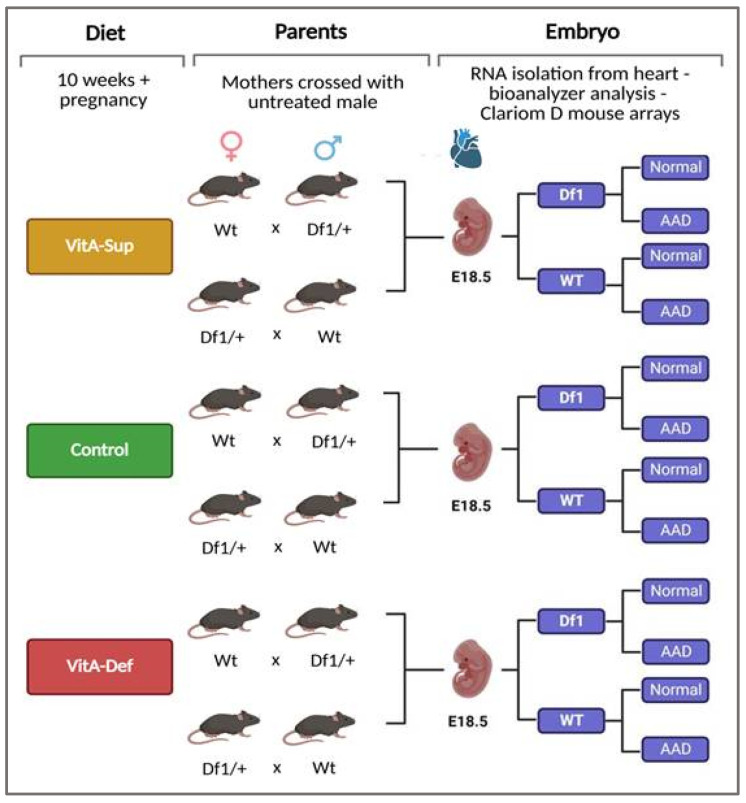 Figure 1
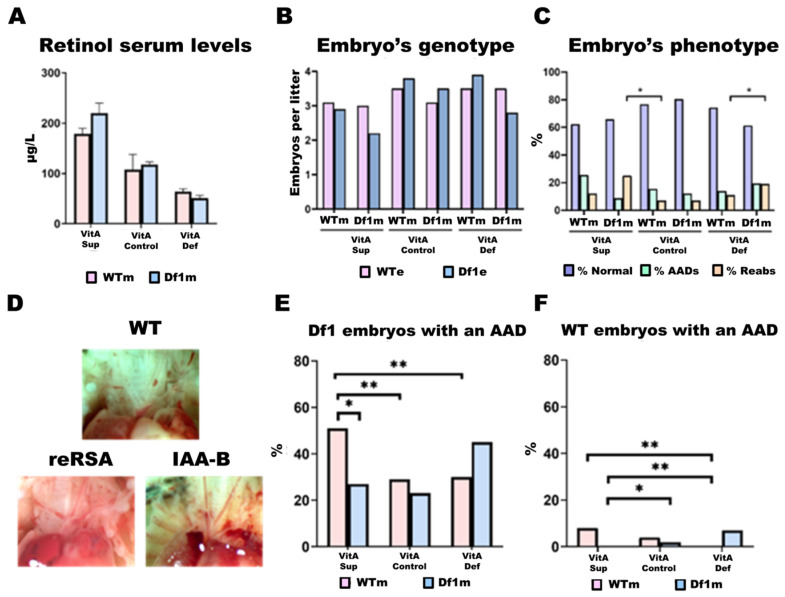 Figure 2
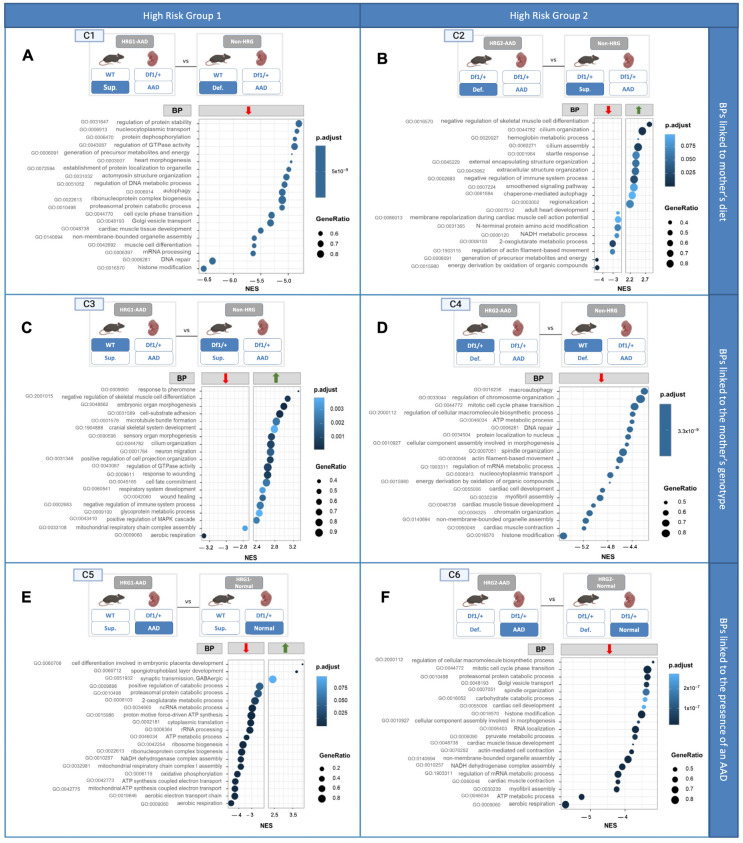 Figure 3
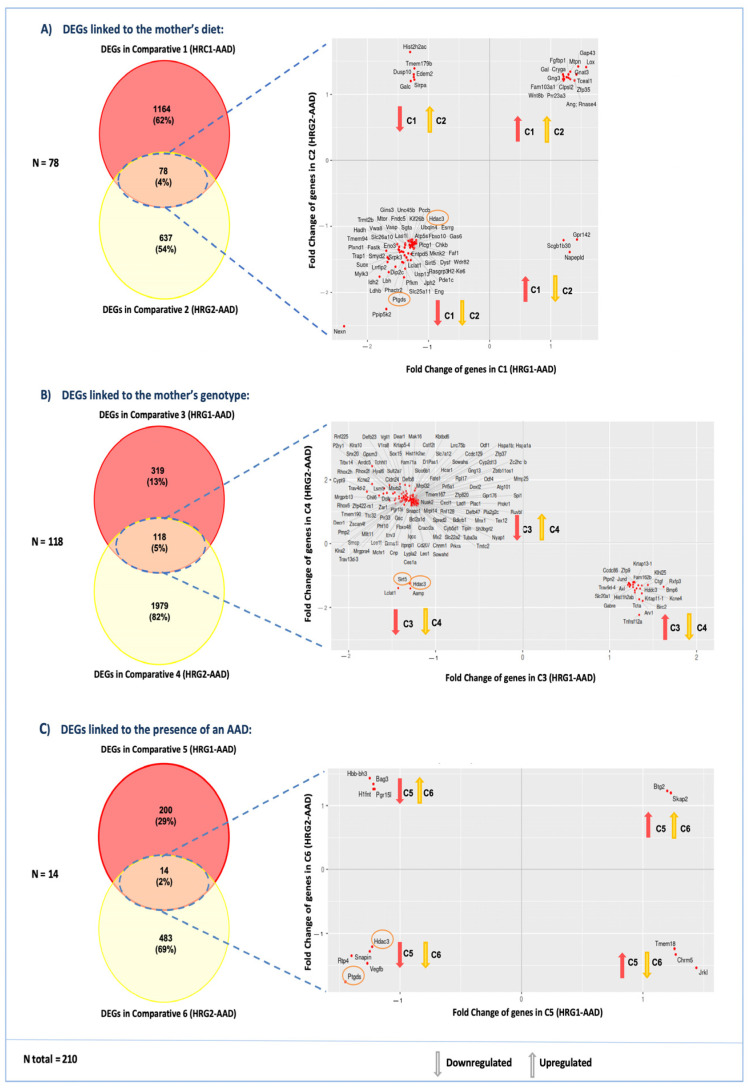 Figure 4
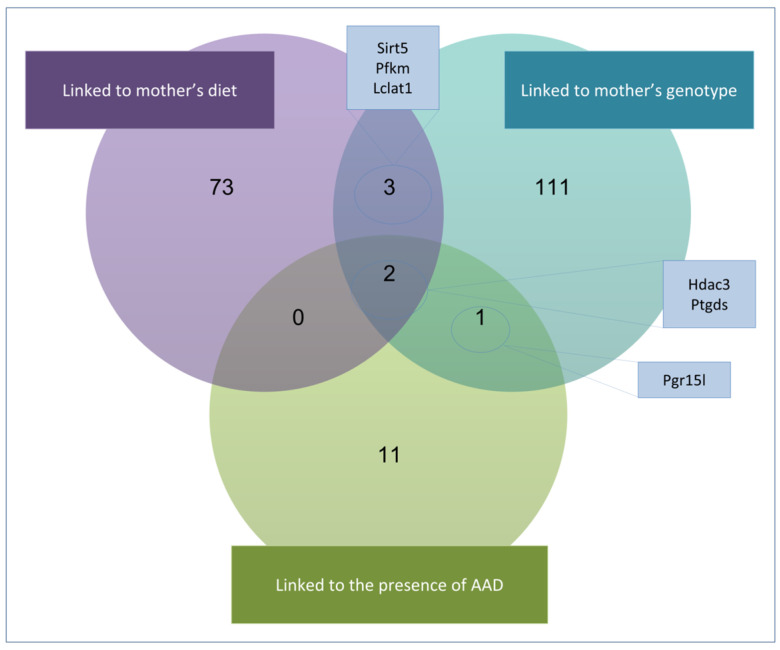 Figure 5
Peer Reviews
No public reviews on file for this paper yet. If you reviewed it on a platform where reviews are public (OpenReview, ICLR, NeurIPS, ICML), you can paste yours below so the community can read it here.
Videos
No videos yet. Explain this paper in a talk, walkthrough, or lecture? Add one.
Taxonomy
TopicsCongenital heart defects research · Congenital Heart Disease Studies · Cardiovascular Conditions and Treatments